

Interior design may seem straightforward—selecting colors, furniture, and layouts—but it can quickly become daunting when you start from scratch. It’s both an art and a science; mastering the basics simplifies the entire process.
Decorating a space resembles crafting a three-dimensional artwork that endures daily life. From color schemes to furniture and lighting, the options are vast. Without knowing effective design strategies, it’s easy to feel insecure and overwhelmed before you even begin.
This month, we focus on five fundamental principles of interior design: balance, rhythm, emphasis, proportion and scale, and harmony. Embrace these essentials to enhance your design decisions, resulting in a beautiful and functional home.
The Basics
While design principles are helpful, they’re not rigid rules to follow without creativity. Designer insights emphasize flexibility:
“Rules in design are meant to be bent, even broken,” one expert states. “The character in a room makes it feel personal, and the most captivating spaces often arise from unexpected choices.”
“However, I always revert to core design principles as a foundation, providing a base for layering personality and texture.”
Balance
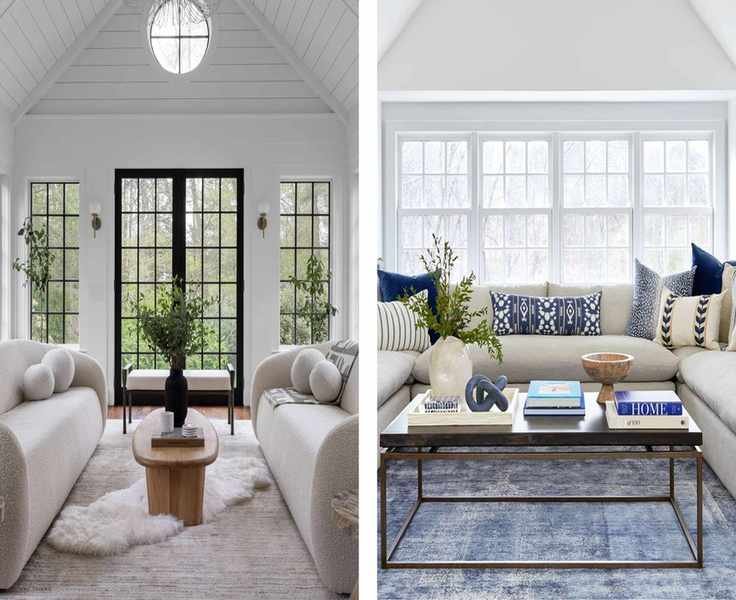
There are three types of balance in interior design: symmetrical, asymmetrical, and radial. Mastering these creates a space that feels harmonious. If a room feels off, it might be due to imbalance.
Symmetrical balance is a timeless favorite, creating a sense of calm and order. Picture a living room with matching sofas and flanking sconces around a striking mirror—a classic look that pleases the eye.
Introduce character by adding a lamp in a contrasting color or a patterned cushion to break the symmetry. “Knowing when to disrupt symmetry with decorative elements is just as vital,” experts note.
As for asymmetry, it lends a relaxed, lived-in vibe. Use contrasting elements with equal visual weight, like a bold piece of art on one side of a shelf and smaller items on the other.
Radial balance is less common but striking, often seen with circular tables surrounded by chairs. Everything orbits a central point, drawing the eye inward, such as a large pendant light above a circular seating area.
Rhythm
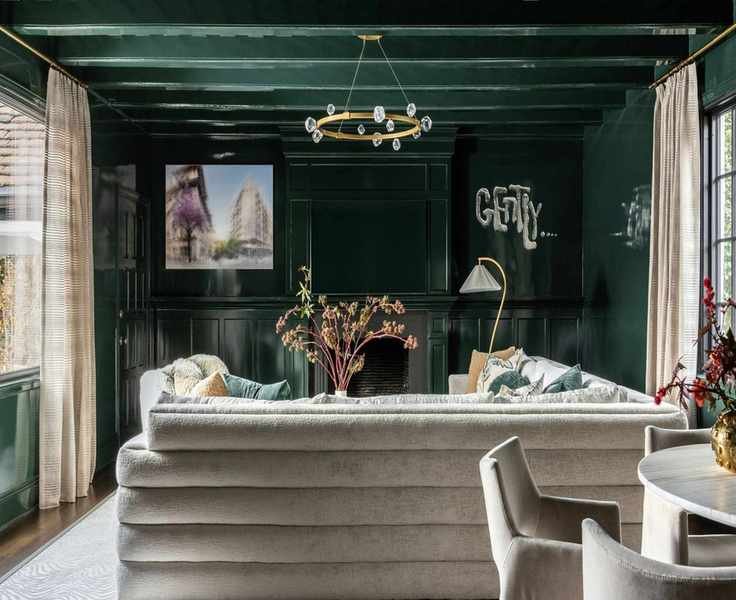
Rhythm in design acts as the room’s visual heartbeat, achieved through repetition and spacing. Repeating colors, patterns, and shapes evenly contributes to this rhythm.
Architectural details can create natural rhythm, like evenly spaced ceiling beams echoed in furniture lines. A row of identical pendants above a kitchen island also adds rhythm.
Consider using alternating colors or patterns, such as light and dark cushions on a sofa, or a gallery wall that progresses upward along a staircase.
Emphasis

Emphasis is straightforward; it’s about establishing a focal point that commands attention—a striking fireplace or a large window. When done well, it directs the viewer’s gaze immediately.
“Our minds connect color and texture, and a dominant feature provides a starting point for our gaze,” an expert explains. “I assess what the space needs and where the excitement lies.”
Most rooms naturally have a focal point; enhance it with a large chandelier or a standout piece of art. These elements help create visual order and a clear narrative within the room.
Proportion and Scale

Scale refers to the size of furniture and artwork, while proportion deals with their relationships. Both are essential for a harmonious design.
Many mistakenly think small rooms require small furniture, but larger pieces can create a more impactful space. A single oversized item can draw the eye and enhance the room’s perceived size.
Elements like headboard height or rug width must relate to one another and the room’s architecture. Adjusting these proportions can transform a space from awkward to perfectly balanced.
Harmony
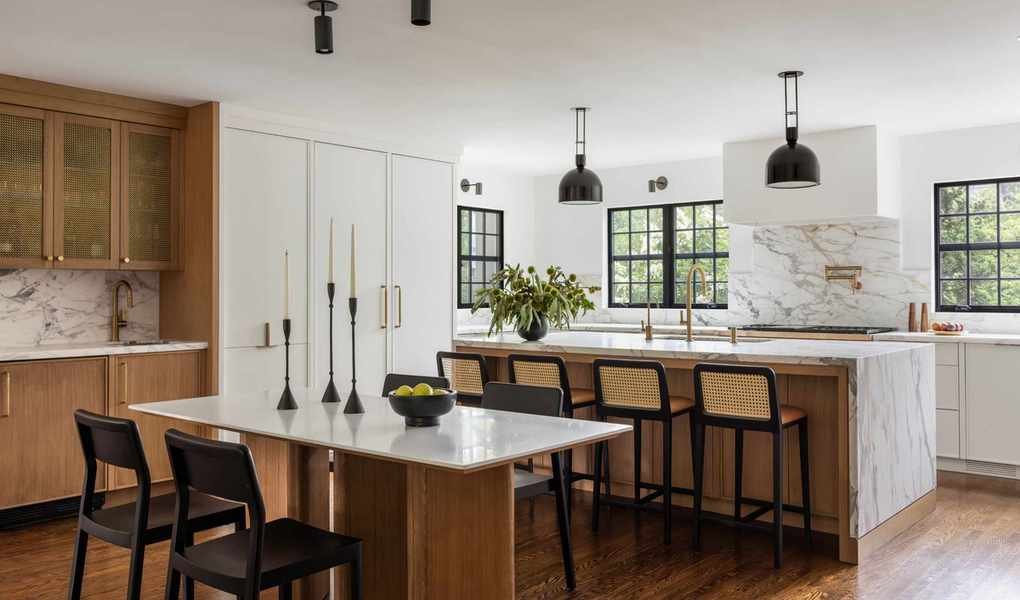
Harmony creates cohesion in design, uniting various elements in a way that feels organized, not chaotic. This can be achieved through consistent colors, materials, and styles throughout the home.
“Harmony gives a room a welcoming feel, ensuring that all elements communicate a shared aesthetic,” one designer notes.
Create harmony by sticking to a cohesive color palette or design style. Simple choices, like painting the walls and ceiling in the same color, can elevate the space significantly.
Key Takeaways
1. Live in Your Space First
Before decorating a new home, spend time in it to understand the layout, light, and flow. This insight will inform your design decisions.
2. Start with the Layout
Your design should begin with a thoughtful layout. A professional designer can offer fresh perspectives and suggest improvements you might overlook.
3. Prioritize Balance
Intentional balance is crucial. Ensure that no single element overshadows others, creating a cohesive and well-curated space.
4. Maximize Storage
Plan for more storage than you think you’ll need. Ample storage accommodates belongings and minimizes clutter, enhancing order in your home.
5. Choose the Right Rugs
Rugs should fit the room appropriately—large enough to anchor furniture and enhance flow. In living spaces, they should extend under furniture, while dining rugs must accommodate chairs pulled out.
FAQs
What are the three key components of interior design?
The three critical elements are floor plan, finishes, and fixtures, which encompass layout, materials, and the finishing touches that unify the design.
What is the 60/30/10 rule?
This guideline helps maintain proportion in a color palette: 60% for dominant elements (walls, large furniture); 30% for secondary aspects (accent chairs, textiles); and 10% for highlights (decor and accessories). This rule ensures a balanced and visually appealing space.
This guide serves as a vital resource for timeless design knowledge, helping you navigate the principles of interior design to create a beautiful and enduring home.



