
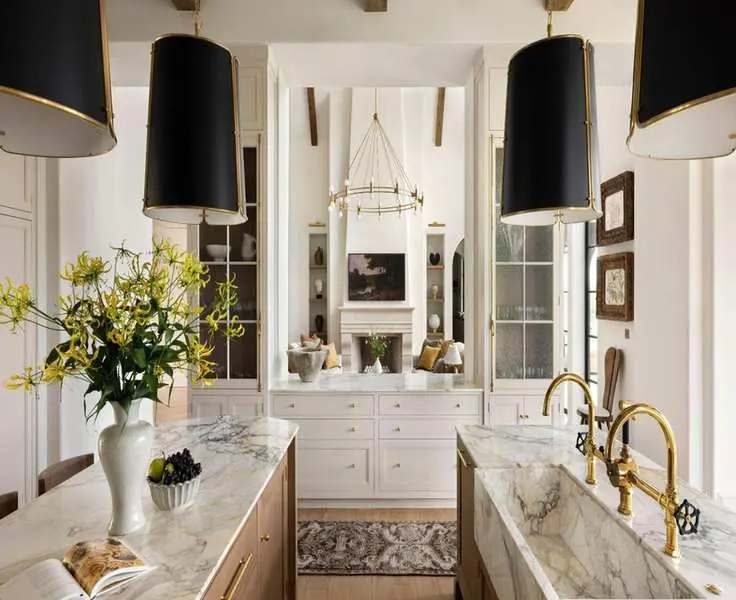
Once considered outdated, kitchen hatches are poised for a revival in 2026. These delightful pass-through windows are returning as homeowners seek to reconnect kitchen spaces with adjacent rooms.
This unexpected resurgence aligns with the trend toward cozy dining areas and defined living spaces. A kitchen hatch effectively bridges these environments, enhancing both functionality and charm.
Interior designers welcome this trend, finding it adds warmth and personality to kitchens of all styles. Here’s a closer look at its appeal and tips for integrating hatches into modern designs.
Why Kitchen Hatches Are Appealing
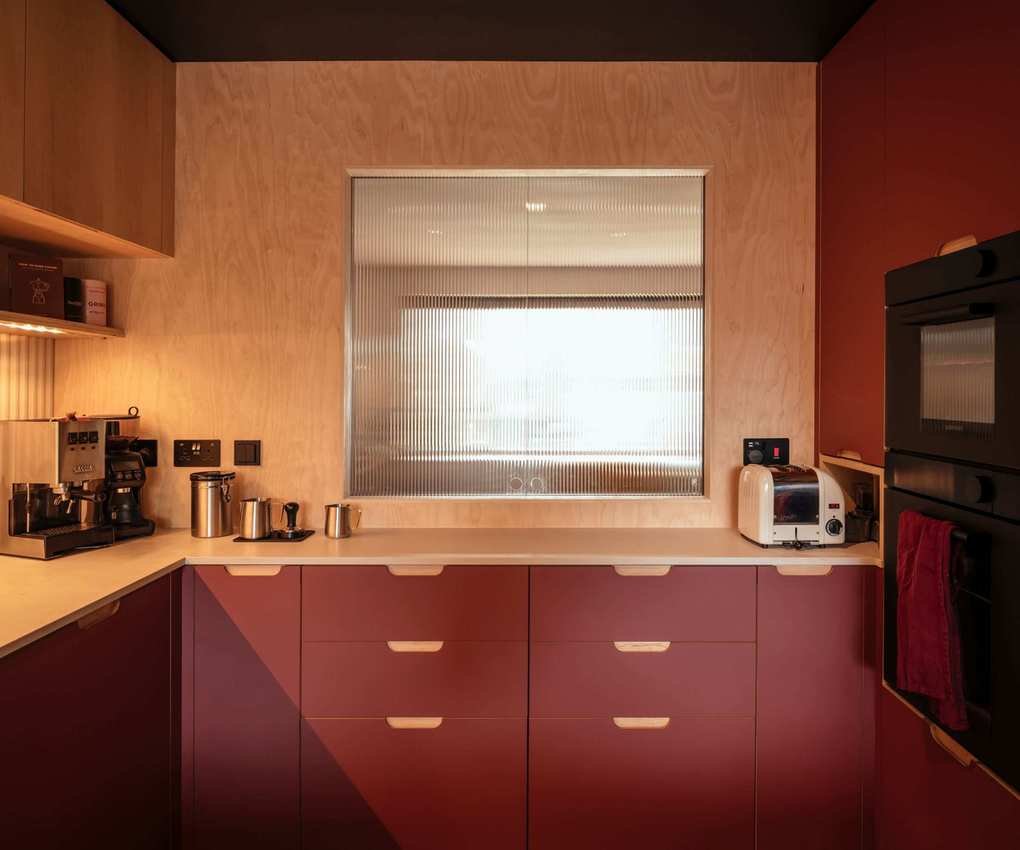
“We opted for reeded glass to maintain light flow and a gentle visual connection, while allowing the kitchen to close off when necessary,” shares Fiona.
Kitchen hatches evoke nostalgia, reminiscent of cherished family kitchens. As homes evolve into more inviting spaces, this classic feature is regaining its charm.
“Hatches create a connection without compromising the kitchen’s individuality. You can converse from another room or pass dishes through, all while keeping the kitchen discreet,” explains Fiona Ginnett, co-founder of a design studio.
In projects like their Burgundy Lanes design, hatches frame stunning glimpses of rich interiors, creating a unique ambiance that feels special and intentional.
People appreciate original architectural details, which add depth to a home’s narrative. “These features reflect how a house functioned in the past, and homeowners love connecting to those stories,” adds interior designer Nina Watson.
Revival Factors
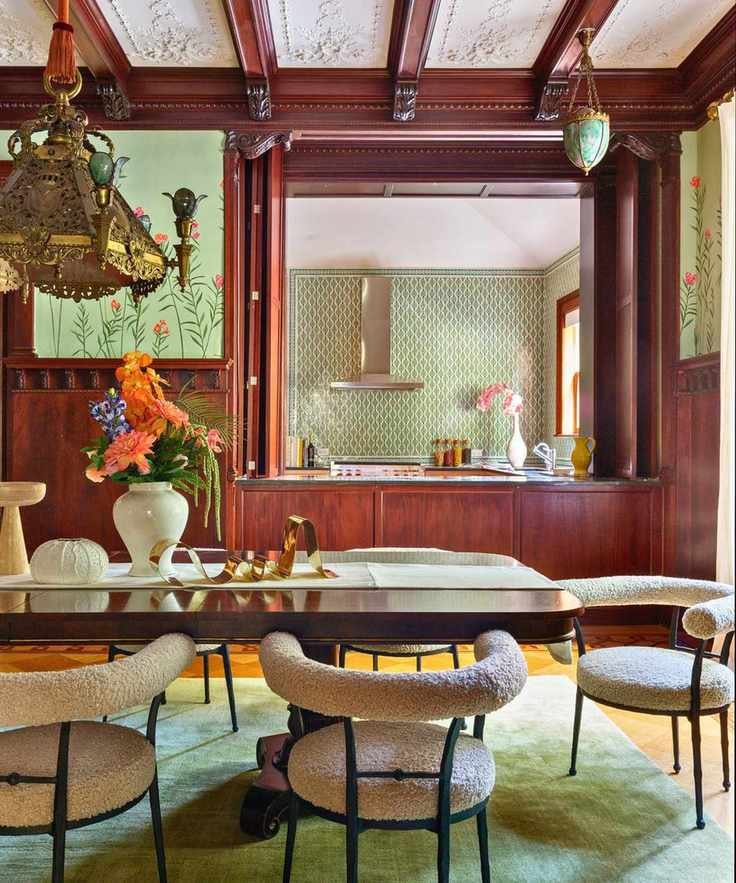
In this classic home, wood-paneled doors slide effortlessly, allowing homeowners to choose between an open or closed hatch.
The kitchen hatch’s comeback coincides with a shift in design preferences. Homeowners are leaning away from expansive open layouts, favoring defined spaces that maintain a sense of connection.
“People are moving toward structured layouts, and a hatch provides that definition while keeping spaces visually linked,” notes Lauren Sullivan of a design firm.
This revival isn't just about layout; it’s about reintroducing character into kitchens that have become too streamlined. “Hatches reintroduce texture and personality, which is refreshing,” Fiona emphasizes.
Nina agrees, calling it a reaction against minimalism. “Bringing back cozy elements offers comforting separation within the home. Clients are seeking spaces rich in history and character.”
Incorporating Hatches into Your Kitchen
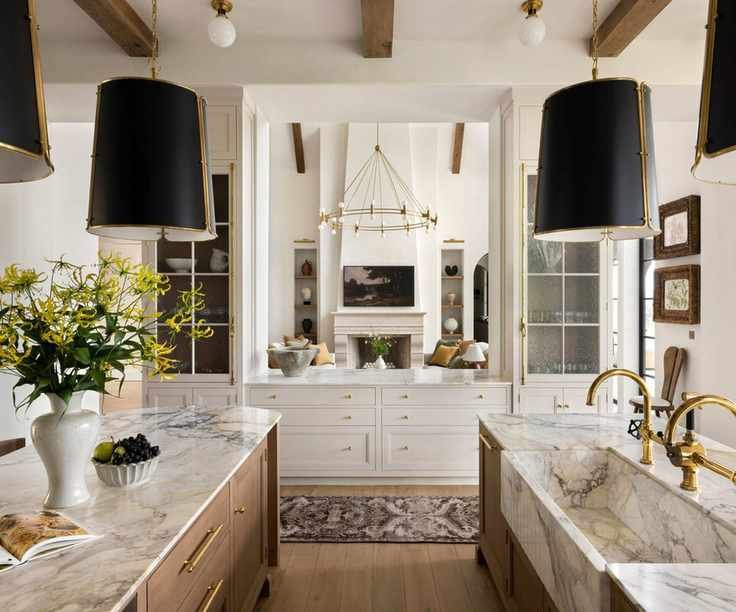
Modern kitchen hatches have evolved, creating beautiful transitions between rooms.
Today’s hatches are thoughtfully designed to blend style with function, serving as integral architectural details.
“Consider the hatch’s placement early in the design. It should feel natural, integrating seamlessly into the kitchen's flow,” advises Lauren.
“It should appear as part of the architecture, not an afterthought. Factors like depth, trim, and alignment with cabinetry contribute to its intentionality,” she adds.
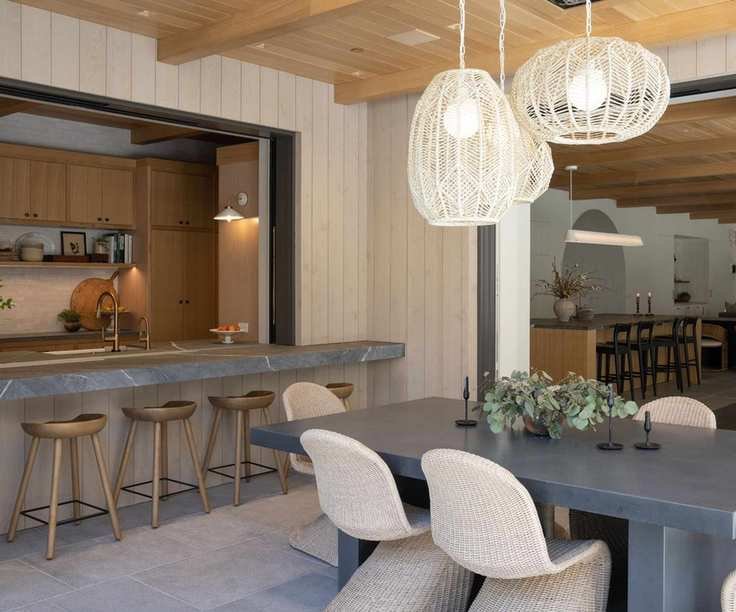
Hatches are increasingly popular for linking indoor and outdoor kitchens, enhancing the connection between spaces.
Proper spacing is key, especially in smaller kitchens. “Position the hatch to harmonize with the cabinetry and counters, ideally above a base run for multifunctionality,” Fiona suggests. The hatch should relate to other windows and doors in the kitchen.
Lastly, pay attention to finishing touches. High-quality hardware, such as elegant catches or pulls, can enhance the hatch’s appeal. Unique glazing options like reeded or fluted glass add exciting texture,” Fiona concludes.
The resurgence of kitchen hatches symbolizes a return to thoughtful design, balancing timeless style with practical use. It reflects a desire for character and warmth, moving away from stark minimalism.



