
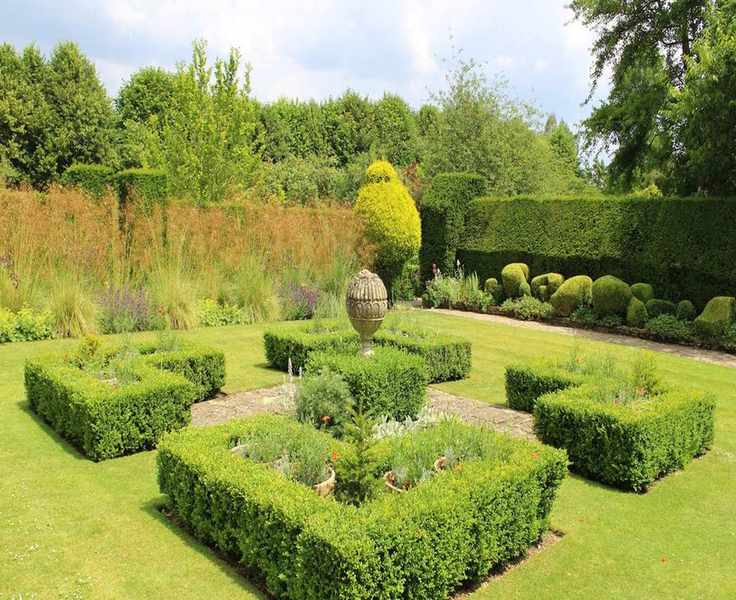
Adding structure to your yard can be effortlessly achieved with hedges. Whether you prefer a natural screen, neat edging for paths, or a striking topiary, hedges are incredibly versatile.
The right hedge variety can create a dense backdrop for vibrant flowers, while lower hedges define spaces and enhance planting designs. They often prove more affordable than building walls, making them a wise choice for garden enclosures.
It's beneficial to mix evergreen and deciduous species in your landscape. Evergreens provide reliable year-round structure, while deciduous hedges offer seasonal color and light filtering. Here are 11 inspiring ideas for incorporating hedges that suit any garden style.
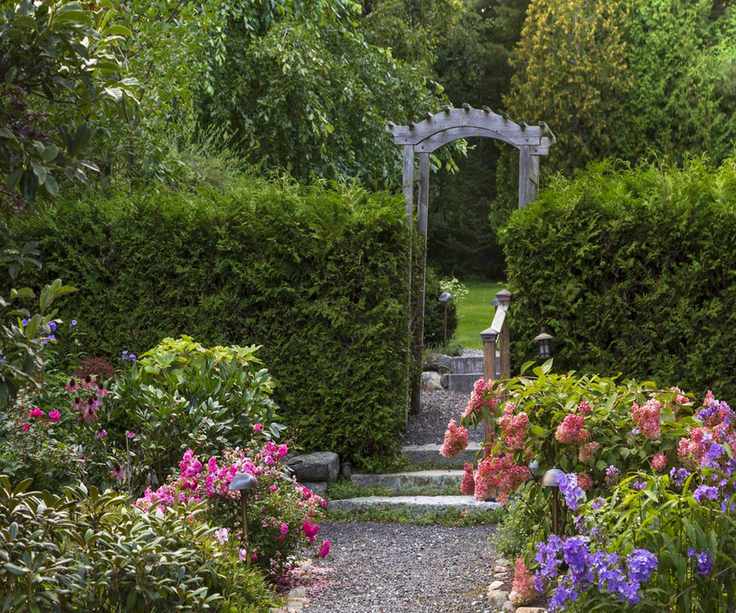
11 Innovative Ways to Landscape with Hedges
Hedges can enhance your garden throughout the seasons, serving as a backdrop in summer and adding architectural interest in winter. These adaptable plants are a favorite among designers.
Garden experts often choose hedges over walls to shape the garden's 3D framework. They are softer and provide essential habitats for wildlife.
1. Elevate Your Front Yard with a Clipped Hedge
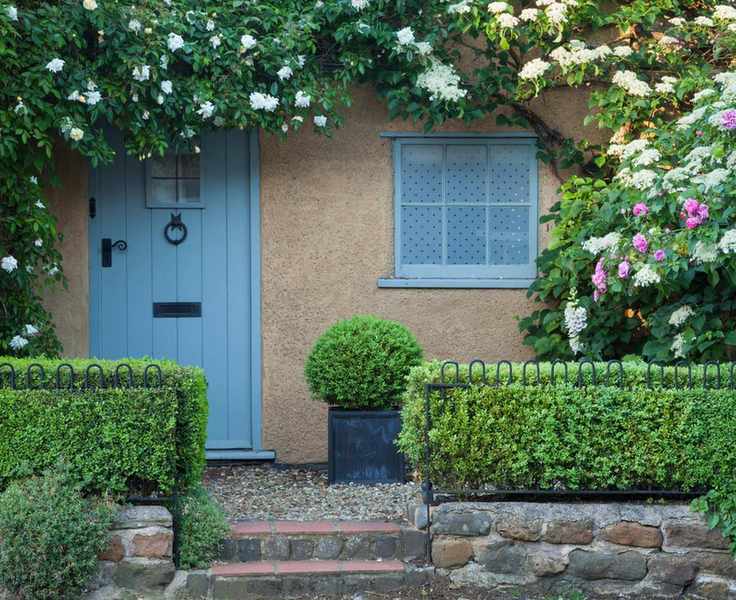
Clipped hedges add structure to vibrant blooms.
Incorporating neatly clipped hedges into your front yard design can effectively frame your entrance. Choose year-round varieties that require minimal maintenance. Classic privet is a great choice; it's hardy and manageable. Boxwood can also be utilized as a low hedge or container plant for your porch.
Explore a variety of privet hedges available at Fast Growing Trees.
Boxwood fits seamlessly into both classic and modern designs, making it an excellent option.
2. Create Privacy Around Your Pool
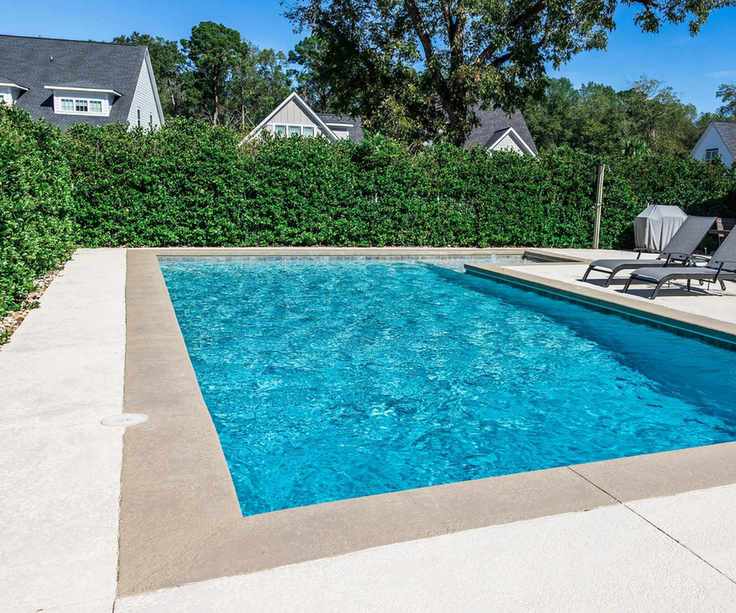
Tall hedges provide a private sanctuary around your pool.
Integrating your pool into the landscape can create a cohesive outdoor experience. Clipped hedges can serve as a sleek screen that complements the surrounding elements while ensuring privacy.
This approach works well with various water features, enhancing the tranquil atmosphere.
3. Define Small Areas with Mini Hedges
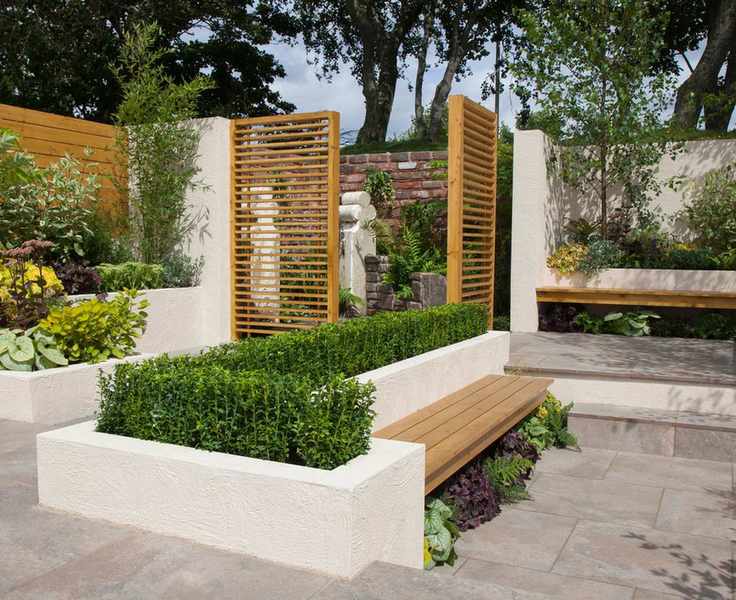
Low hedges enhance the structure of contemporary courtyards.
In compact urban gardens, smaller hedges can effectively divide spaces. Consider planting a low hedge in a wall to create distinct zones, adding character to your patio.
'Instant hedging' is perfect for tight spaces like courtyards or rooftops, introducing a mature landscape feel. Options like hawthorn, lilac, or lavender can form quick boundaries while keeping their size in check.
Find various lavender choices, including English 'Munstead' lavender at Nature Hills.
4. Layer Different Hedge Varieties
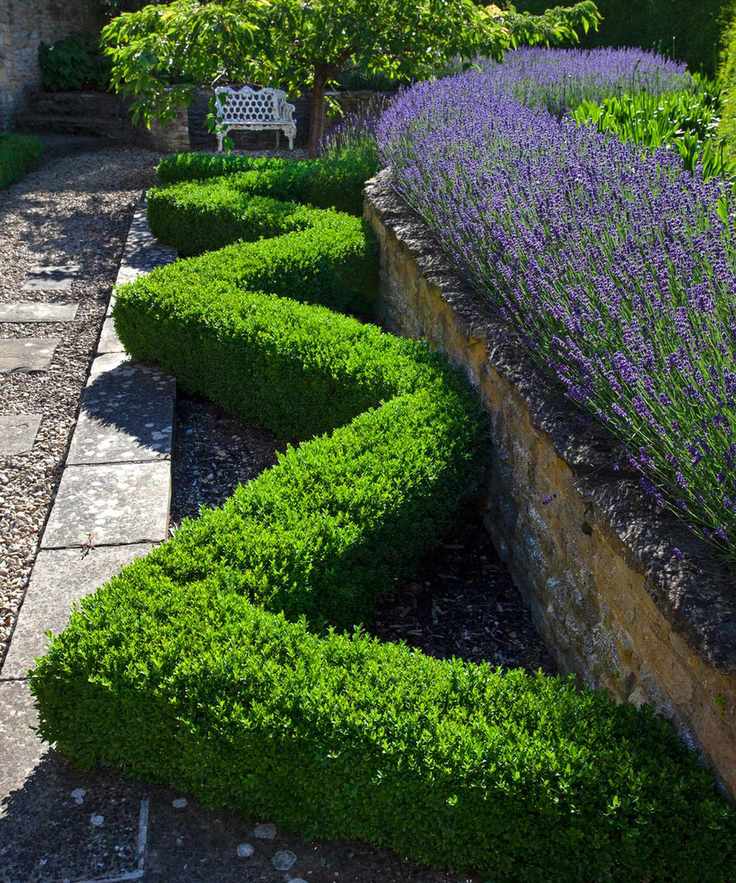
Combine creative shapes with fragrant plants for a unique look.
Experiment with unique hedge shapes and scents. Layering hedges can create a distinctive aesthetic in your garden.
Use instant box hedging to form zigzag patterns. These plants come pre-shaped and can be easily integrated into your landscape year-round.
Check out the options for boxwood hedging at Fast Growing Trees.
5. Combine Flowering Hedges with Picket Fences
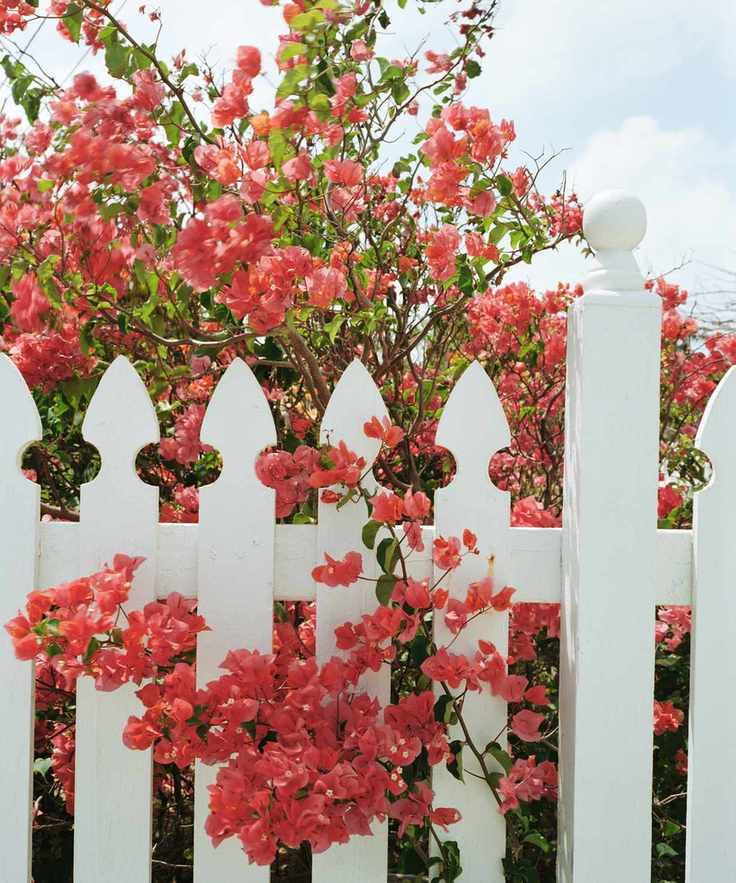
Beautiful bougainvilleas shine against a white picket fence.
A flowering hedge paired with a picket fence creates a charming garden feature. Bougainvilleas thrive in summer and make excellent hedge plants, as does weigela Florida 'Pink Princess'.
Prune weigela after flowering to maintain height, but avoid excessive trimming to preserve its natural shape and beauty.
6. Utilize Hedging in Courtyard Gardens
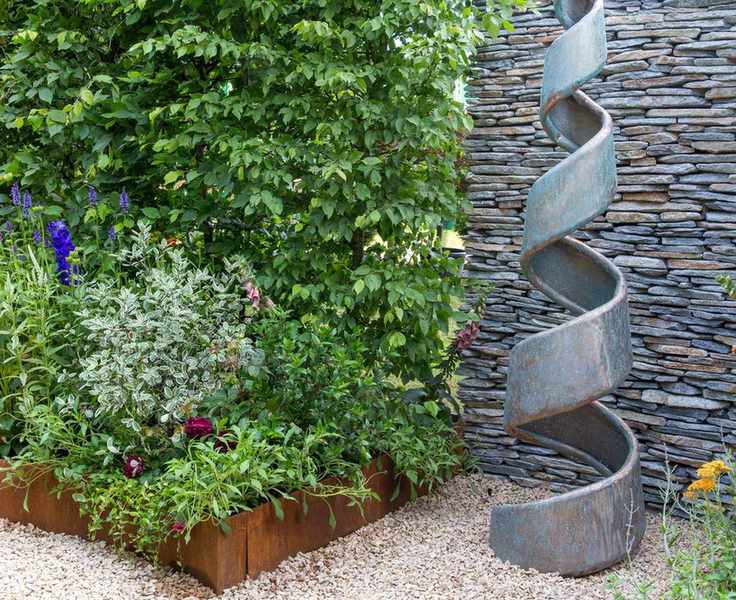
Hornbeam hedges offer classic beauty and privacy.
For low-maintenance options, hornbeam is a favorite for its lush leaves. It's perfect for creating privacy and shielding against noise in urban courtyard gardens.
American hornbeam is a lovely native option available at Nature Hills.
7. Incorporate Ornamental Grasses with Hedge Borders
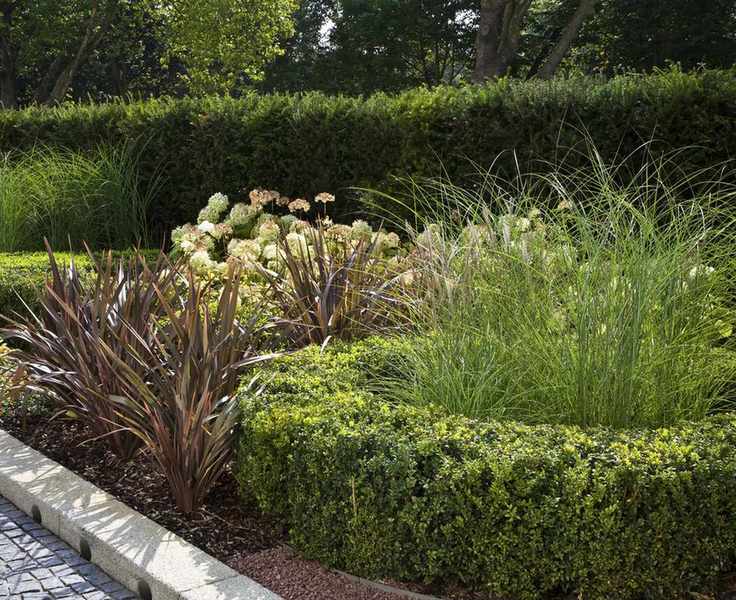
This circular hedge design adds structure to plantings.
This design reimagines 18th century parterres with a modern flair. Hedges can be creatively used alongside perennials for year-round visual interest.
8. Screen Vegetable Gardens with Hedges
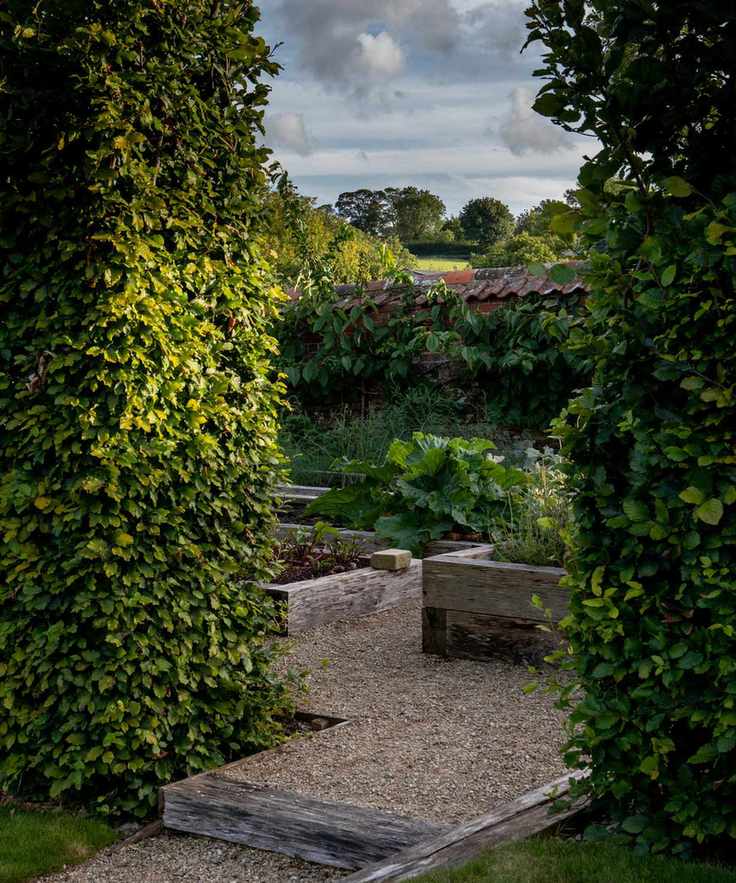
Hedging creates a cozy space for your vegetable garden.
Establishing a separate vegetable garden can be delightful. Use hedging to create an enclosed area, providing shelter and attracting wildlife.
Beech or hornbeam works well for deciduous hedges, offering vibrant fall colors and winter structure.
Learning proper hedge trimming techniques is essential for maintaining these boundaries throughout the year.
9. Edge Flower Beds with Low Hedging
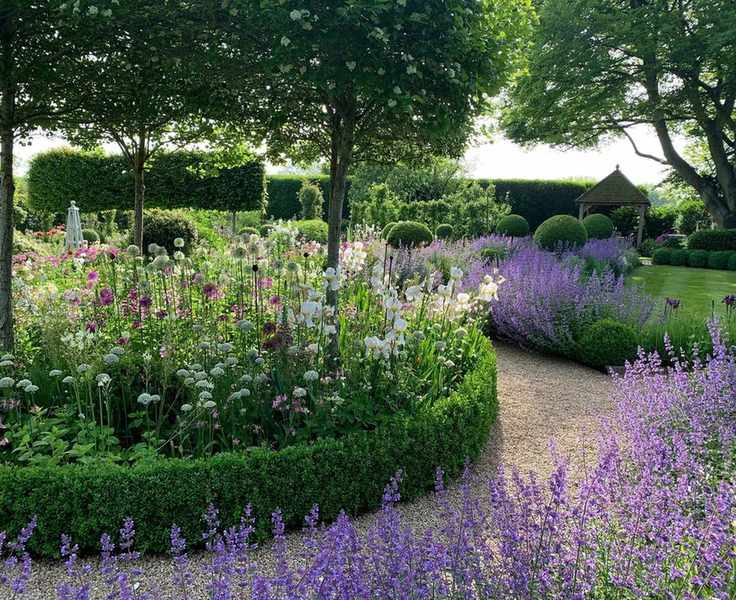
Smart low hedges enhance the beauty of flower beds.
This garden design features curves and circular forms, which can be replicated with hedges. The central circular bed showcases low box hedging surrounding pruned hawthorn trees, providing a long season of interest.
Small hedges add permanence and character to the planting, contrasting with perennials that change throughout the year.
10. Design a Secluded Seating Area with Hedges
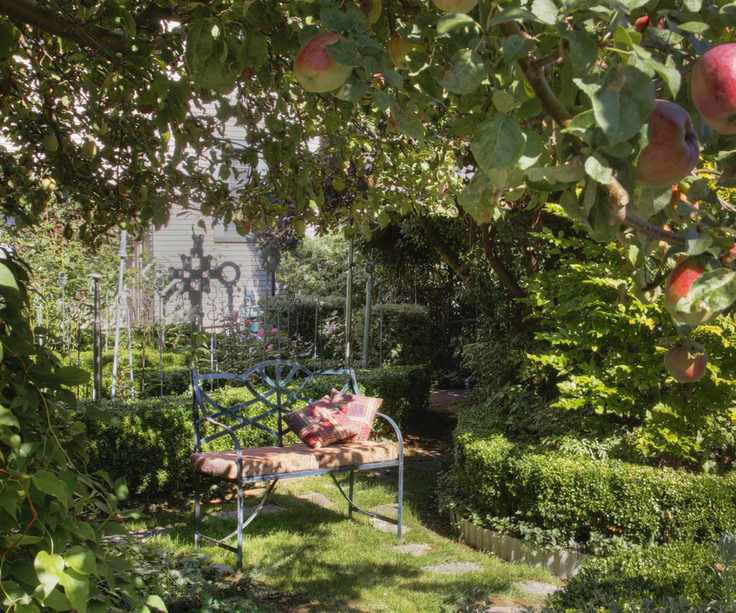
Box hedges create defined spaces for seating.
Hedges play a vital role in formal garden designs, defining spaces and enhancing privacy. Dwarf hedges are ideal for edging or forming knot gardens, creating a balanced and symmetrical layout.
By incorporating evergreens, you can maintain secluded spaces throughout the year.
11. Create Tiered Hedges to Flank Steps
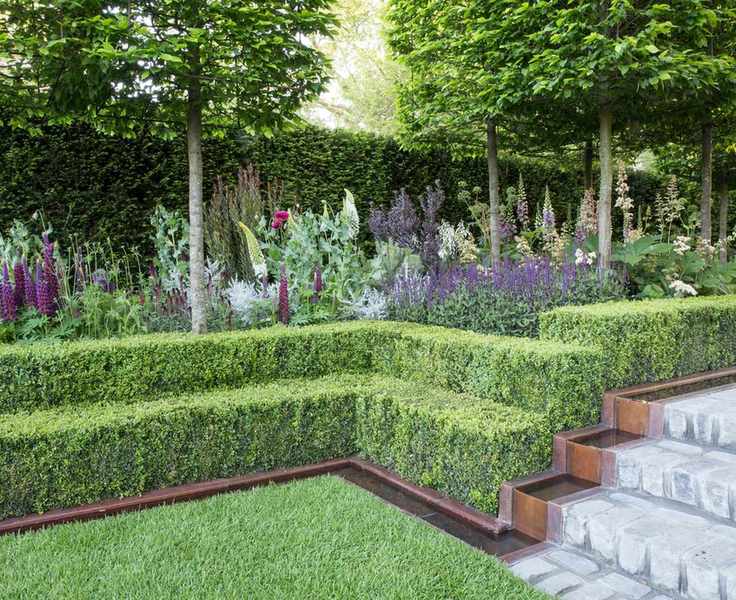
A creative approach to a living wall.
This modern take on traditional styles uses hedges creatively. Layers of clipped box or yew hedges define symmetry while cottage-style plants soften the design.
Clipped hedging provides structure, while topiary adds architectural flair, creating interesting patterns.
Landscaping with hedges offers numerous benefits for both front and backyards. Explore options for wildlife-friendly hedges or flowering varieties to enhance your garden's boundaries.



