

There's always a place for lavender in your garden, whether you prefer a Mediterranean vibe or a modern urban design. This classic shrub thrives in various settings, from loose drifts to neat geometric arrangements, and it's perfect for containers and window boxes, adding flair to your home.
Having graced gardens since the late medieval period, lavender features stunning blue, mauve, purple, and sometimes white flowers that bloom throughout summer. Each variety enhances herb gardens with its beauty and utility, as lavender is part of the mint family.
Use lavender for low hedges to delineate flower beds, edge pathways, or plant in containers to enjoy its delightful fragrance every time you stroll by. For wildlife gardens, lavender is essential, attracting numerous pollinators.

15 Design Concepts for Landscaping with Lavender
Explore these inspiring ideas to enhance your outdoor space, whether you're looking for front yard designs or quick, beautiful lavender planting options.
1. Create Paths with Lavender Borders
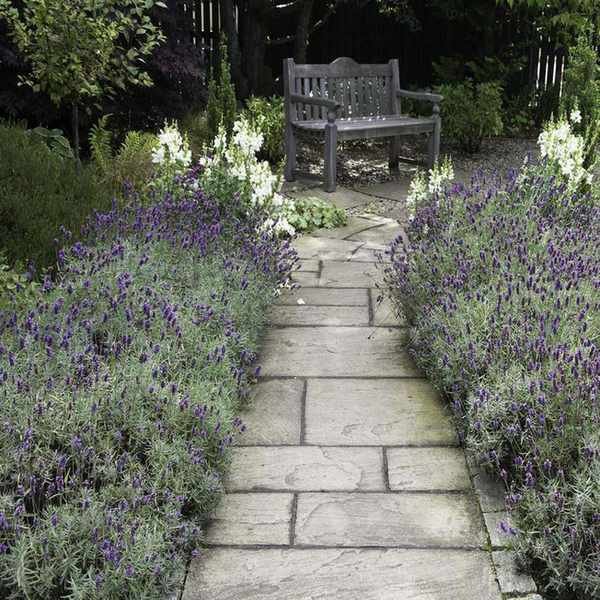
Every garden path benefits from lavender edging. Planting lavender near pathways ensures that its delightful scent wafts through the air as you walk by.
Using lavender to frame paths not only adds beauty but also symmetry, creating professional-looking garden path designs that impress.
2. Underplant Trees with Lavender
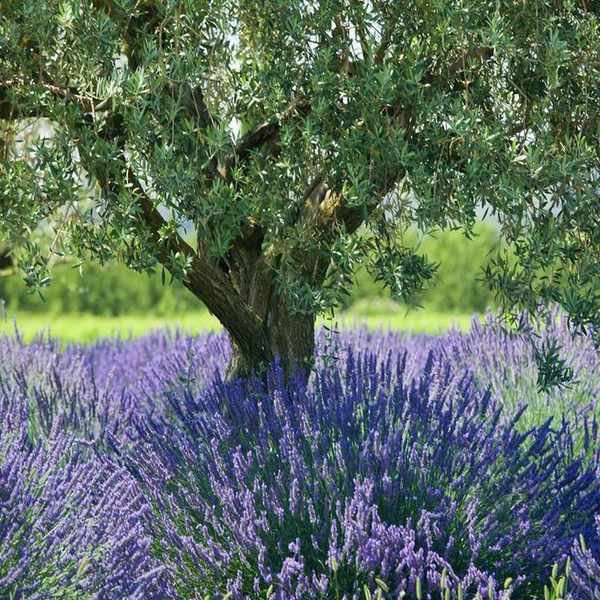
Maximize space beneath trees by using lavender for underplanting. This layered look enhances visual interest and is effective for landscaping around trees.
In tight spaces, underplanting helps fill color gaps and suppress weeds, requiring less maintenance.
3. Position Lavender Near Stone Walls
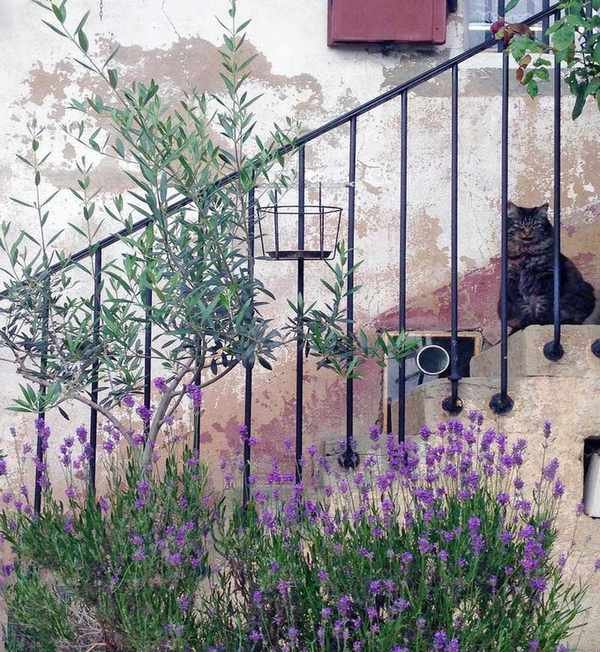
Imagine the charm of lavender bushes flourishing next to a sun-warmed stone wall, a hallmark of cottage gardens that draws in pollinators.
Transform dull boundaries with lavender. While it won't cling to walls, it flourishes beside sunny structures or in raised beds.
4. Pair Lavender with Complementary Plants

Lavender is a classic companion for roses and pairs beautifully with delphiniums, Salvia caradonna, and fleabane (Erigeron karvinskianus), creating soft, harmonious designs.
5. Surround Seating Areas with Lavender
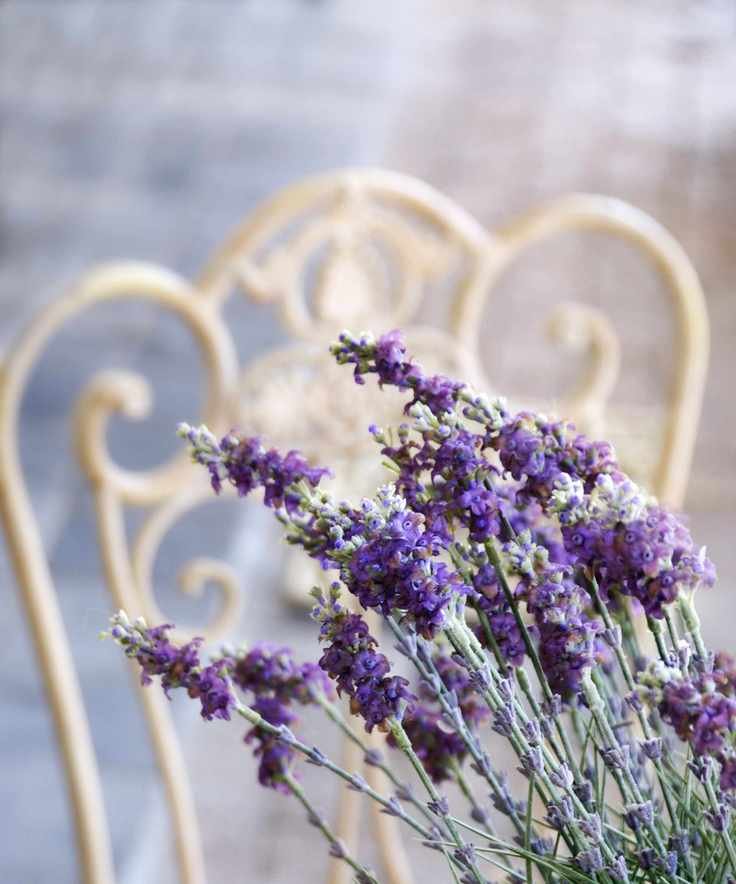
Every garden deserves a cozy sitting area. Lavender enhances these spaces, offering a sensory experience and a serene spot to enjoy the garden.
Choose strongly scented varieties like English lavender (Lavandula angustifolia) for maximum fragrance and beauty. Favorites include 'Hidcote' and 'Munstead'.
6. Integrate Lavender into Herb Gardens

Incorporate lavender into your herb garden for its ability to attract pollinators and blend seamlessly with other herbs.
Plant lavender in a loose arrangement to unify your herb garden design, or create a more formal geometric layout in a potager garden.
7. Frame Steps with Lavender
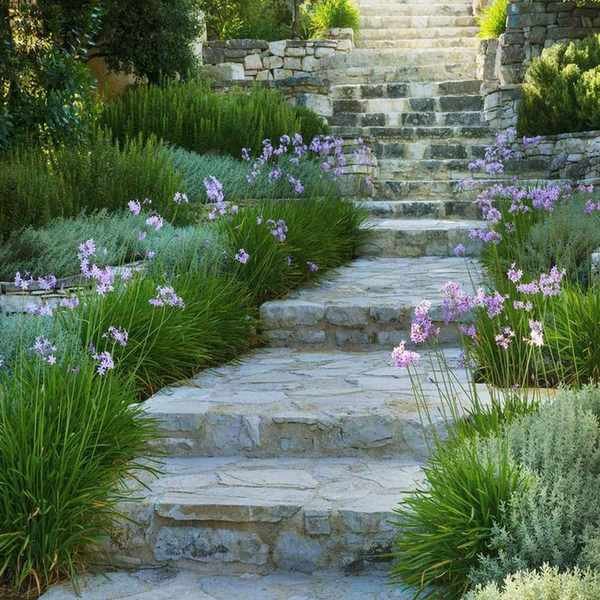
Lavender framing steps creates a striking visual appeal, ideal for landscaping. The hardy, low-growing 'Hidcote' is an excellent choice for garden borders. Ensure your lavender thrives by planting it in a sunny, sheltered location.
Shop Lavender Plants
Otto Quast Spanish Lavender
Perfect for USDA zones 7-9, Otto Quast Spanish Lavender will delight all summer long.
Munstead Lavender Bare-Root Plant
A charming variety, offered in dormant bare-root form, hardy in USDA zones 5 to 9.
Silver Mist English Lavender
Resilient in zones 5-9, its foliage appears nearly white when viewed from a distance.
8. Incorporate Lavender in Sensory Gardens
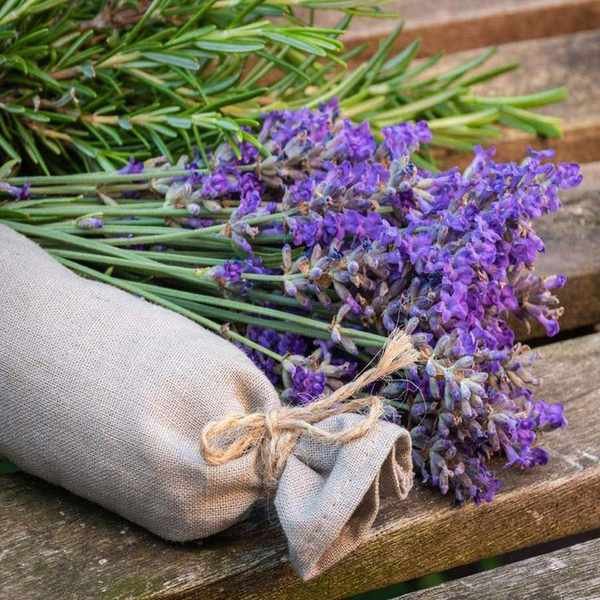
The soothing hues and fragrance of lavender, along with the gentle buzz of bees, enrich sensory gardens.
Opt for English lavender (Lavandula angustifolia) for its strong scent, or choose French lavender (Lavandula stoecha) for its unique flower shape, though it has a milder aroma.
9. Use Lavender in Rock Gardens
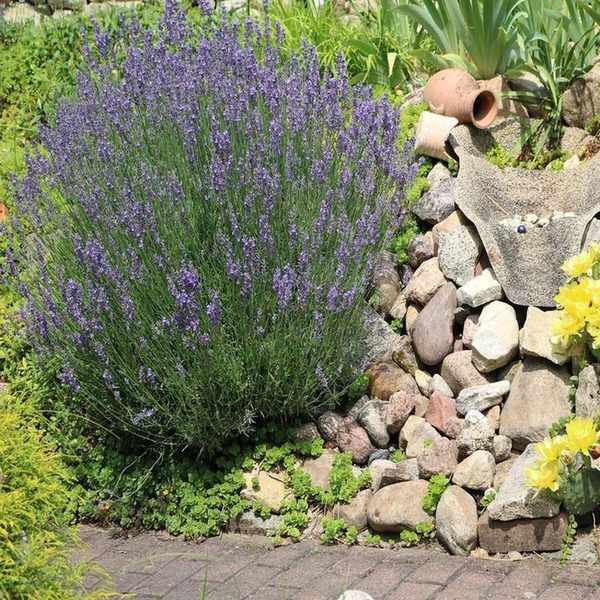
Lavender fits beautifully in rock gardens, offering a low-maintenance, naturalistic look with pebbles and stones.
As lavender spreads, it fills gaps between rocks, enhancing the wild, natural aesthetic of your landscape.
10. Create a Neat Clipped Border
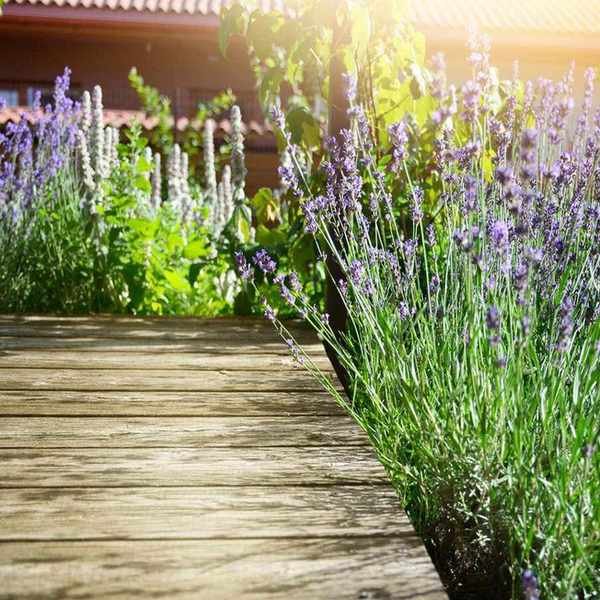
A lavender border is perfect for lawn edging and helps define garden zones. This low-maintenance option also allows for decorative gravel that complements the plants.
11. Frame Doorways with Lavender

Welcoming scents greet you as you approach a doorway enhanced by lavender. This planting choice adds charm to any entryway, whether traditional or modern.
12. Design Mediterranean-Style Gardens with Lavender

Perfect for sunny, well-drained soils, lavender is a key element in Mediterranean gardens, often complemented by gravel mulches.
Incorporate lavender with cistus and santolina, and add vibrant colors with agapanthus and bearded iris for a balanced design.
13. Combine Lavender with Topiary

Pairing lavender with topiary creates elegant contrasts, enhancing the beauty of both elements in gardens.
14. Employ Lavender as Ground Cover
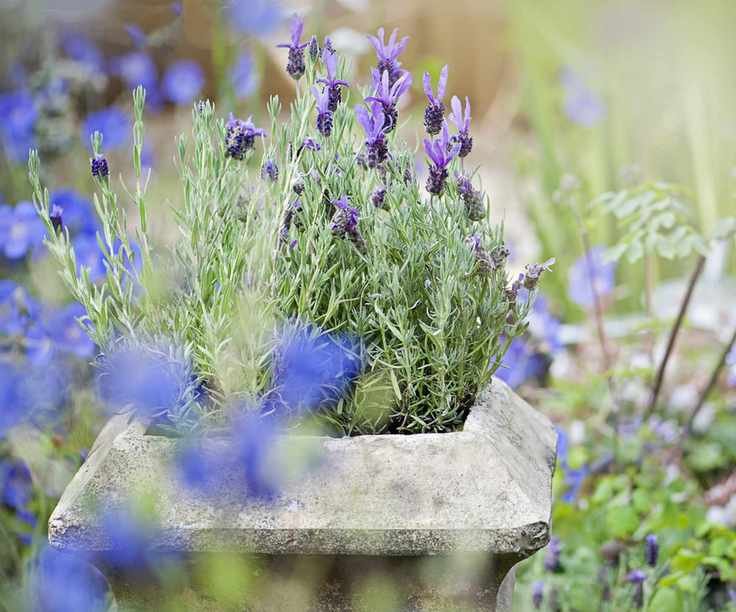
Low-growing lavender varieties serve as effective ground cover, preventing bare soil and minimizing weeds.
Mix with various flowers for a textured tapestry effect while ensuring low-maintenance upkeep.
15. Transform Your Front Yard with Lavender
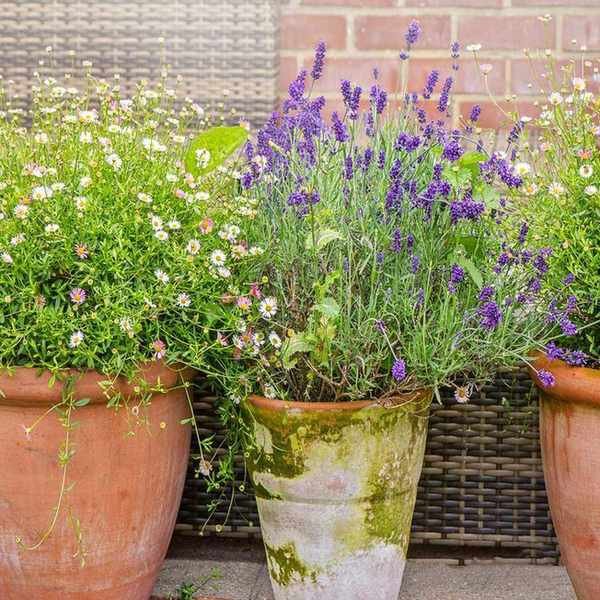
Enhance your home's curb appeal by revamping the front yard with lavender. This low-maintenance option creates a stylish, inviting entrance.
Focus on symmetry and structure for best results, utilizing defined flower beds and straight lines to frame your house beautifully.
By mixing modern and classic design themes, you can experiment with lavender to achieve a stunning garden look.
Incorporating lavender into your landscape can significantly enhance your outdoor space, regardless of your garden style. Knowing how to cultivate lavender will provide lasting value to your garden.


