
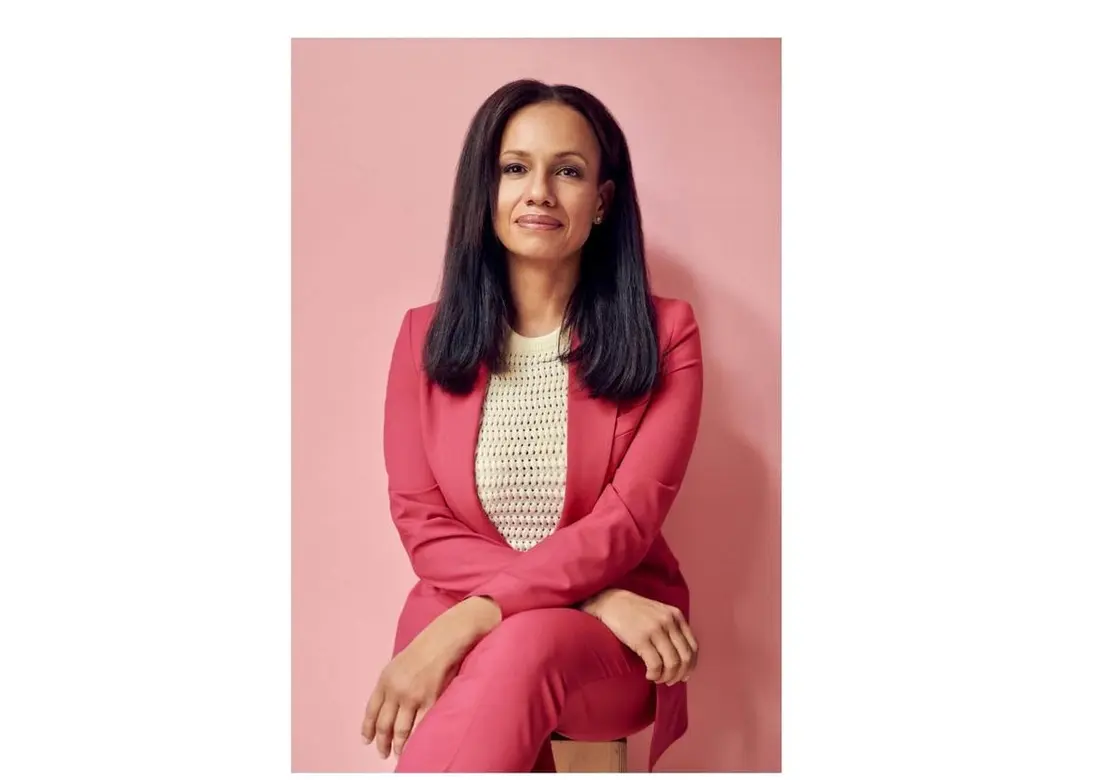
When Alexis McGill Johnson accepted the interim CEO role at Planned Parenthood in July 2019, she reassured her board with, “I’ll get you through 2020.” Little did she know, a pandemic and the Dobbs ruling would follow. Officially taking on the CEO title in 2020, she now faces daily challenges in a role she describes as “all-consuming.”
Drive It Like You Own It
McGill Johnson, with her diverse background as a professor, researcher, and political organizer, never anticipated leading a reproductive healthcare organization. Initially, she approached her interim position as a caretaker, but a pivotal conversation shifted her perspective.
A colleague encouraged her, “You are the CEO, and if you’re going to be in the seat, you better drive it like you own it.” This advice empowered her to embrace her leadership role fully and take charge of the nation’s largest provider of sexual and reproductive healthcare.
What’s at Stake
“We provide access to contraception, wellness exams, STI testing and treatment, breast cancer screenings, gender-affirming care, and legal abortions,” said McGill Johnson, emphasizing Planned Parenthood's vital mission.
Following the Supreme Court's decision to overturn Roe v. Wade in 2022, abortion legality varies by state. Currently, 20 states ban or heavily restrict the procedure.
Planned Parenthood accounts for around 40% of the abortion market and is, as McGill Johnson states, “at the intersection of critical public health infrastructure.” They frequently serve communities lacking other healthcare providers.
In the wake of Dobbs, the fight for abortion rights intensifies. During one of her discussions with a colleague, Louisiana sought Supreme Court intervention on a ruling impacting access to mifepristone, a key medication for abortions.
“Two-thirds of women in this country rely on mifepristone for standard abortion and miscarriage care,” McGill Johnson noted. “This illustrates the relentless attacks we face.”
Strategizing for the Long Haul
“Our opposition has a long-term strategy,” McGill Johnson explains. “We need our own comprehensive long-term plan.” This involves moving beyond demonstrations and press statements to foster cultural change, reshape narratives, and build lasting political influence.
Recognizing that Planned Parenthood supporters often lack structural power, she emphasizes the importance of mobilizing their extensive network through The Planned Parenthood Action Fund, the organization’s advocacy arm.
“We now have 20 million supporters, up from 11 million when I started. That’s five times more than the NRA. Not that I’m competitive,” she quips.
Despite new restrictions, more women are seeking abortion. “Those denied care always find ways to access it. This fundamental right to freedom is inextinguishable,” McGill Johnson asserts.
Emphasizing Humanity
A key principle of McGill Johnson’s leadership is preserving humanity. Reflecting on reactions to the first assassination attempt on President Trump, she chose not to engage in or endorse harmful jokes. “Feeding into the harm inflicted on others, even humorously, dehumanizes us,” she states.
She recalls the painful images of adults mocking children during school integration in Arkansas in 1957. For her, it serves as a warning about the destructive nature of contempt. “I refuse to be in a space where I contribute to someone’s dehumanization when I aim to connect with them.”
Hope in the Movement
Amidst challenges, she believes “hopelessness is a luxury.” When discussing her sources of hope, she highlights “movement hope.”
“Movement hope is tough,” she explains, describing it as witnessing a woman travel across state lines to receive care from Planned Parenthood, hoping for the support she needs.
“We’ve created a society where your life chances hinge on your location and government options. That’s unacceptable,” McGill Johnson declares.
“We must fight for a national, durable right to reproductive freedom; it’s the only way to ensure our collective freedom.”



