As a laundry care specialist, I often get asked, 'Is fabric softener really necessary?' You might be surprised by the answer.
Fabric softeners have been advertised as crucial for softening clothes, but they come with significant downsides, including residue buildup that traps bacteria and odors, decreased absorbency in towels, and possible skin irritation from synthetic fragrances.
Fortunately, there are natural alternatives that can replace traditional fabric softeners effectively. If you're thinking about making the switch, here's a look at the top options and how to use them.
Top 5 Natural Fabric Softener Alternatives
1. White Vinegar

White vinegar serves as a natural and effective fabric softener alternative.
White vinegar stands out as one of the most effective natural substitutes for softeners. It breaks down detergent residue that can make clothes feel stiff or less absorbent.
Adding half a cup of vinegar during the rinse cycle softens fabrics, neutralizes odors, and curbs static. Despite its strong smell, it rinses away completely, leaving no scent behind. While it's great for towels, avoid using it on delicate fabrics like silk since its acidity can be harsh.
For optimal results, choose a high-purity vinegar such as Heinz Cleaning Vinegar. Great Value Distilled White Vinegar from Walmart is eco-friendly and effective in restoring that fresh feel without chemicals.
Pro tip: Heinz All Natural Distilled White Vinegar is my preferred choice for cleaning. It's made from quality grains and diluted to 5% acidity, available in various sizes.
2. Wool Dryer Balls

Wool dryer balls are a reusable and effective alternative to traditional fabric softeners.
Wool dryer balls are an excellent substitute for fabric softeners and dryer sheets. These affordable items enhance airflow in the dryer, reduce static, and soften clothes naturally.
Simply toss three to six balls into the dryer with your laundry. To add a scent, a few drops of essential oil on the balls will do the trick. Just don't overload the dryer, as this can impact airflow and hinder their effectiveness.
For a reliable choice, consider Smart Sheep Wool Dryer Balls, made from 100% wool and designed for long-term use. They're safe for children and come in fun designs like rainbow and penguin.
3. Epsom Salt

Epsom salt is a versatile alternative to fabric softeners.
Epsom salt isn't just for soaking – it's also an effective natural softener. The magnesium sulfate helps relax fabric fibers, making them softer without leaving any residue.
For best results, add a quarter to half a cup during the rinse cycle, particularly beneficial for heavy fabrics like towels and linens. Remember to check care labels to avoid mixing incompatible fabrics.
Dr Teal's Epsom Salt Magnesium Soak is a great unscented choice, made from pharmacy-grade magnesium sulfate that dissolves quickly.
4. Cornstarch

Cornstarch effectively softens laundry and can be used for cooking too.
Surprisingly, cornstarch is another effective natural softener. It coats fabric fibers, preventing static cling without any synthetic chemicals, making it ideal for delicate items that often feel rough.
Mix a tablespoon of cornstarch with two cups of water, shake well, and add it to the rinse cycle, ensuring it's fully dissolved to prevent residue on darker fabrics.
Argo 100% Pure Corn Starch is a great option as it dissolves easily and won't leave white streaks behind.
5. Baking Soda

Baking soda is a multi-functional ingredient that can replace fabric softener.
Baking soda is a versatile ingredient known for neutralizing odors and naturally deodorizing. It helps regulate the pH level of your wash, preventing any detergent buildup that might stiffen clothes.
Adding half a cup of baking soda during the wash cycle keeps fabrics soft and fresh. For extra stiff clothes, pre-soaking them in a mix of four tablespoons of baking soda and a gallon of water for 30 minutes can help loosen fibers.
It's particularly effective for washing towels and baby clothes since it softens without leaving any coating that reduces absorbency. However, avoid combining baking soda and vinegar in the same wash cycle as they can negate each other's effects.
For a reliable choice, consider Arm & Hammer Baking Soda, made in Wyoming with a focus on renewable resources.
Expert Insights

Karina Toner is a professional cleaner with extensive knowledge in both commercial and residential cleaning.
FAQs
How can I avoid static without dryer sheets?
Static cling often results from over-drying clothes, so promptly remove laundry once it's dry. Wool dryer balls can help reduce static, and adding a damp cloth in the final minutes of the cycle also assists.
If static persists, using white vinegar in the rinse cycle can help balance pH and prevent cling.
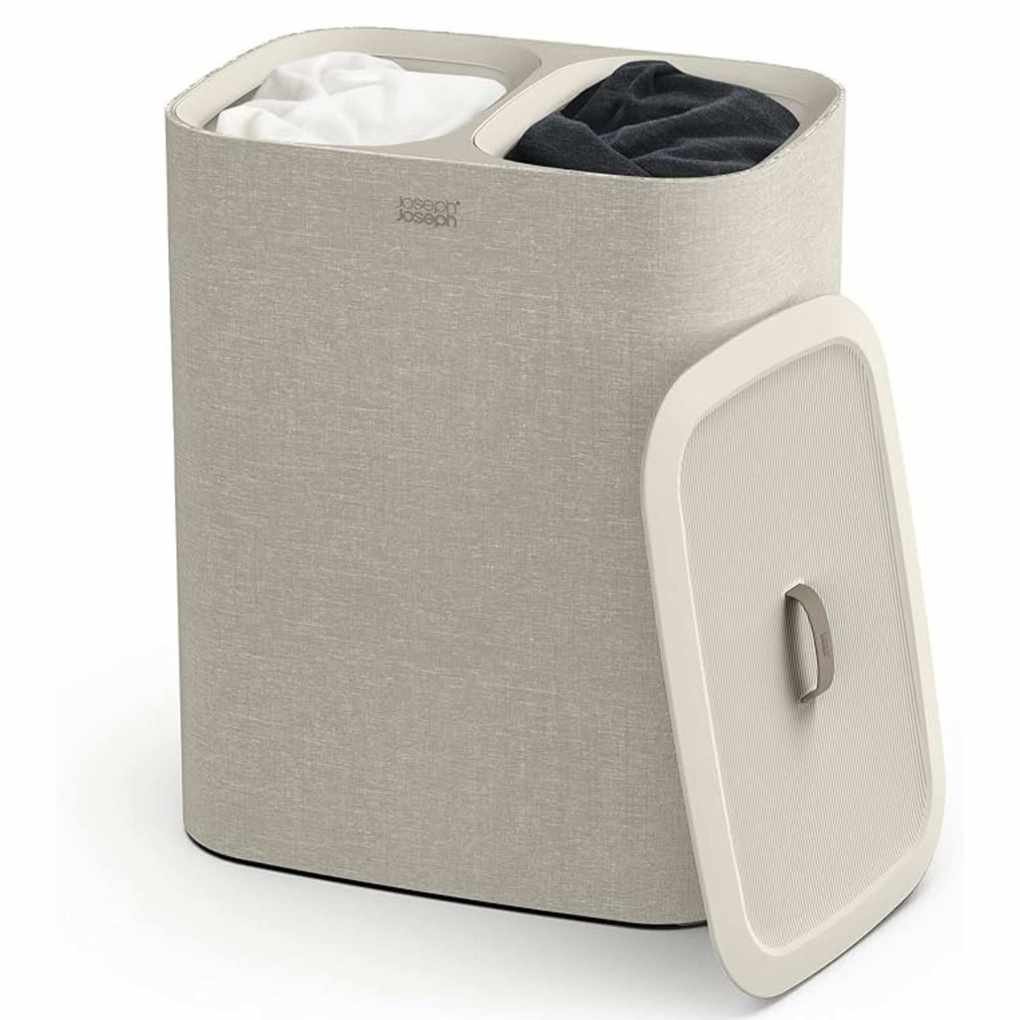 A helpful organizer
Joseph Joseph Tota Laundry Hamper is perfect for sorting laundry. Choose between two or three compartments in four stylish colors.
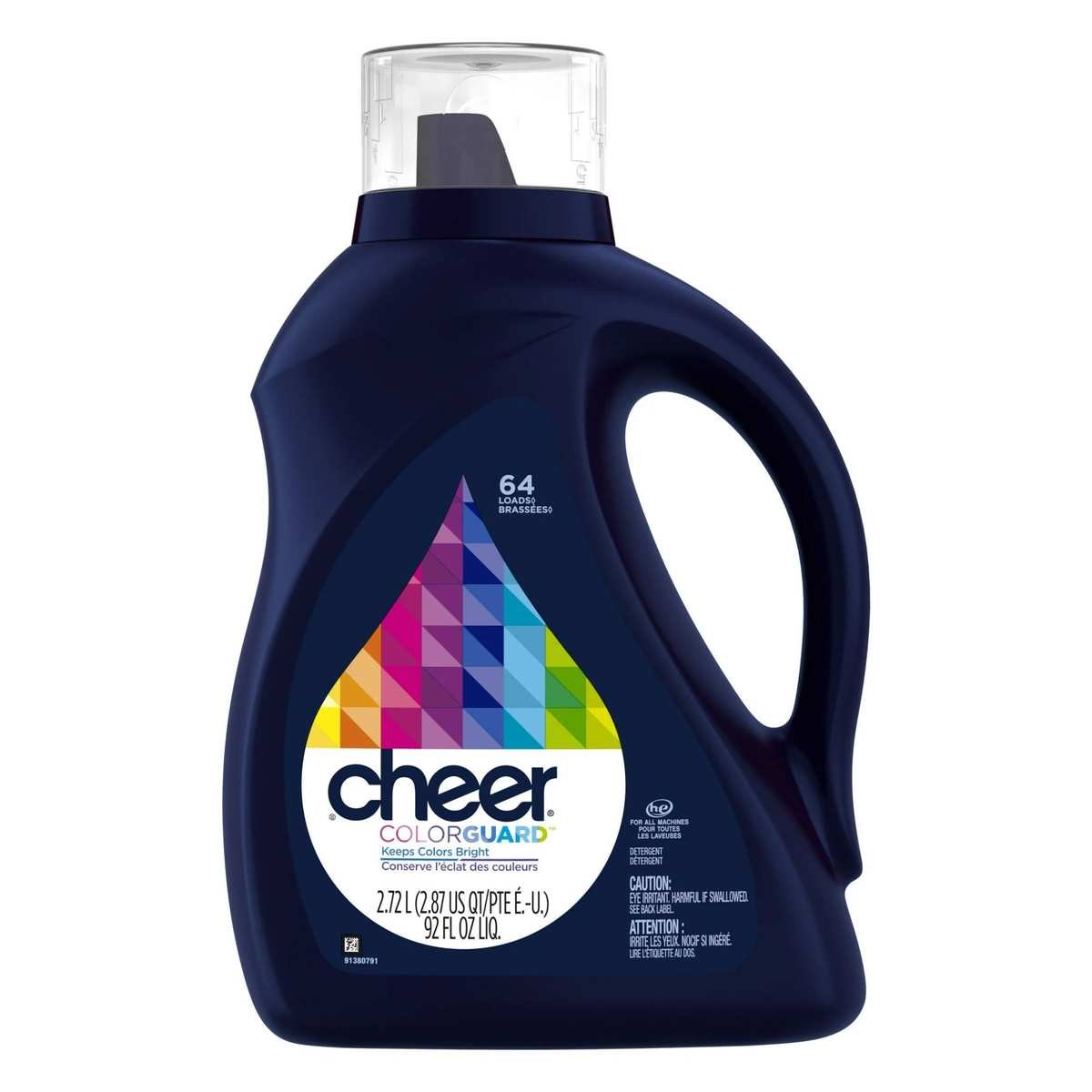 Fights fading
Cheer Liquid Laundry Detergent has a fresh scent and prevents fading, suitable for over 60 loads. It works in all machine types.
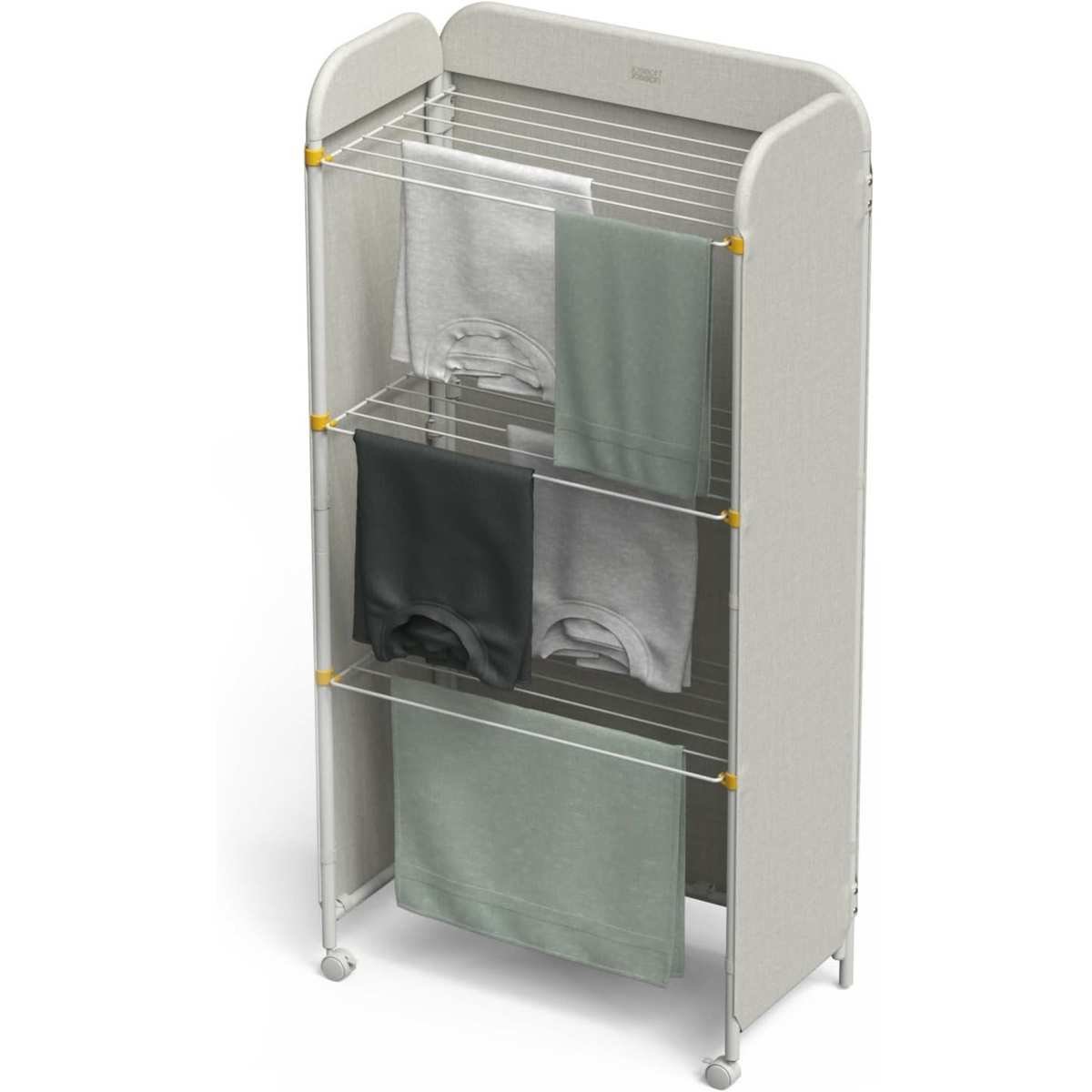 Space-saving solution
The Eclipse 3-tier Clothes Drying Rack offers a 14-meter drying capacity and is perfect for small spaces with lockable wheels.