
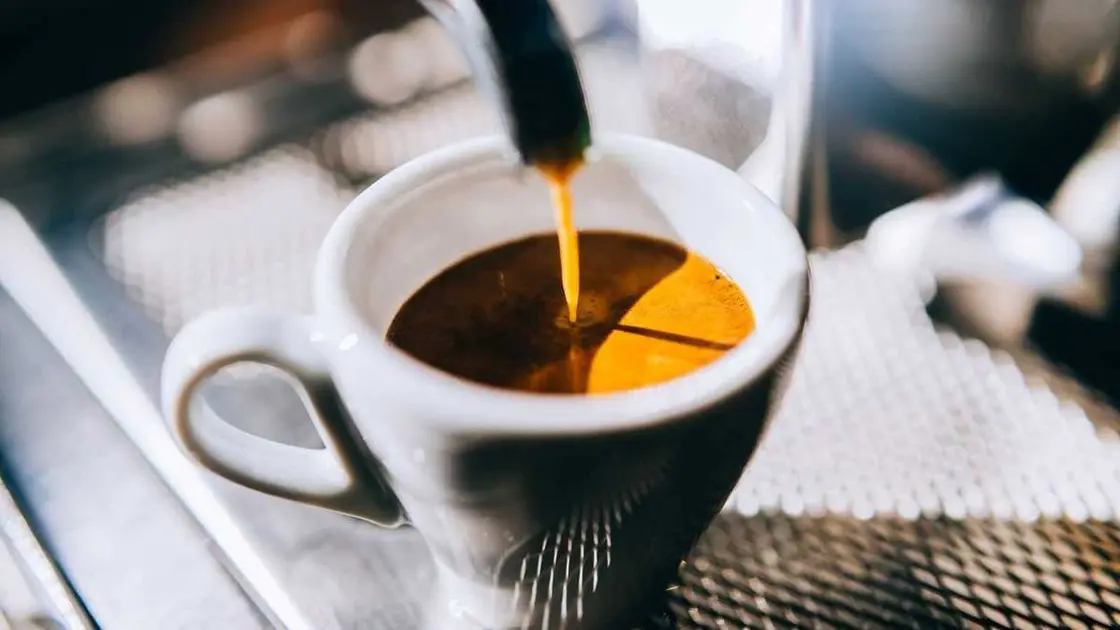
Making espresso at home means you can enjoy rich, flavorful shots without needing to visit a café. With hot water, finely ground coffee, and a coffee maker, you can create delicious espresso in your kitchen.
As a trained barista, I can tell you that the best espresso comes from a high-quality espresso machine. These machines apply the perfect pressure and temperature to extract optimal flavor from your coffee grounds.
If investing in a pricey espresso machine isn't feasible, there are DIY methods to brew espresso-like coffee. Many single-serve coffee makers can give you a similar experience with a button push. Plus, pairing a quality coffee grinder with moka pots, French presses, or an AeroPress can yield fantastic results. Here's how to do it.
Making Espresso with an Espresso Machine

When it comes to brewing espresso, nothing beats an espresso machine. These machines can cost anywhere from $200 to over $2,000, but for espresso lovers, they are a worthy investment. They're specifically designed to generate the right pressure and temperature for perfect espresso shots.
If you own one of the top espresso machines and need guidance, you're in luck. After training as a barista, I can prepare shots effortlessly.

To start, measure out nine grams of finely ground coffee (or eighteen for a double shot). Using coffee scales like these ensures accuracy. If your machine doesn't have a grinder, I recommend the Breville Smart Grinder for optimal grind size, essential for a great espresso. Kayla Stavridis, a former barista, emphasizes that 'using high-quality, freshly roasted beans is crucial for extracting the best flavors.'
After grinding, tamp the coffee grounds into the portafilter basket, packing them firmly. If you don't have a tamper, this stainless steel tamper is highly effective.
Next, clean the edges of the portafilter and lock it into the espresso machine by turning the handle counterclockwise until secure. If you have trouble positioning it, crouch to look up at the brew head; it's a bit like fitting pieces together.

Once the portafilter is in place, simply press the machine's button to start brewing. The best espressos take about 25-30 seconds to extract. According to barista trainer Alex Spampinato, a perfect espresso should have a syrupy texture and deep brown color, topped with a thick hazelnut crema.
If your first attempt doesn't go as planned, don't worry. It may take a few tries to adjust the grind size, temperature, and pressure. If your shot is watery, use a finer grind or more coffee. If it's slow to extract, you may be tamping too hard or your grind may be too fine.
Here are three of my preferred machines for consistently delicious espresso:
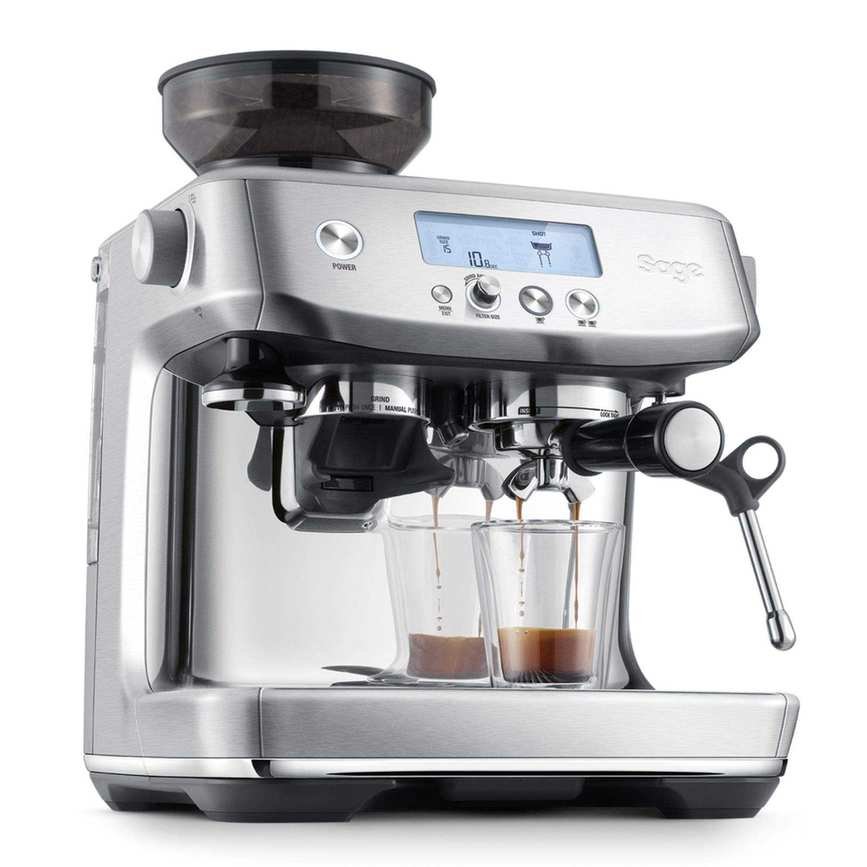 Best overall
- Breville The Barista Pro
This machine impresses even seasoned baristas with its ability to pre-brew and adjust features, though it's complex for novices.
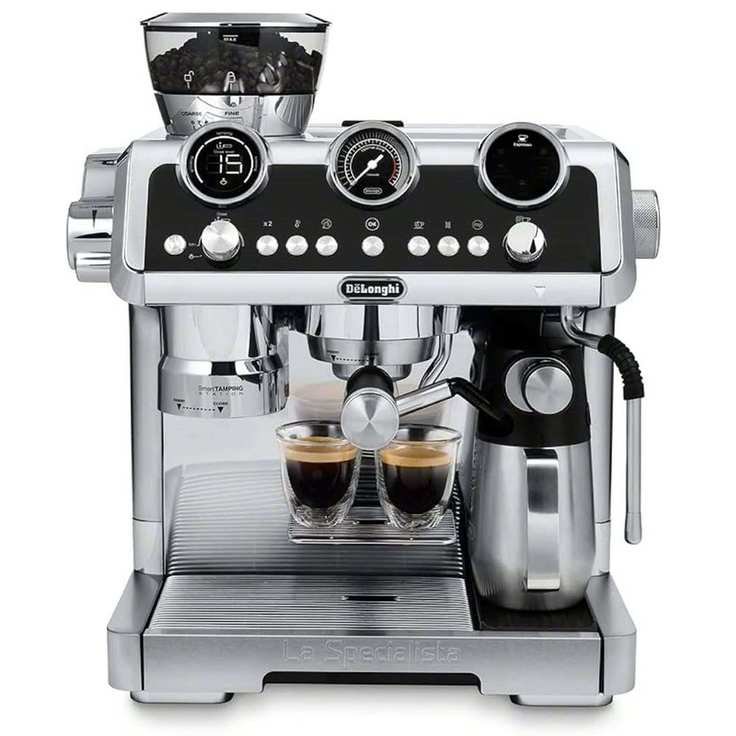 Best luxury machine
- De'Longhi La Specialista Maestro
This high-end model offers precise controls for tamping and grinding, ensuring a perfect espresso every time.
 Best for beginners
- KitchenAid Artisan Machine
This machine lacks an integrated grinder, but with a quality grinder, it can produce fantastic coffee and is user-friendly for beginners.
Making Espresso in a Portable Espresso Maker
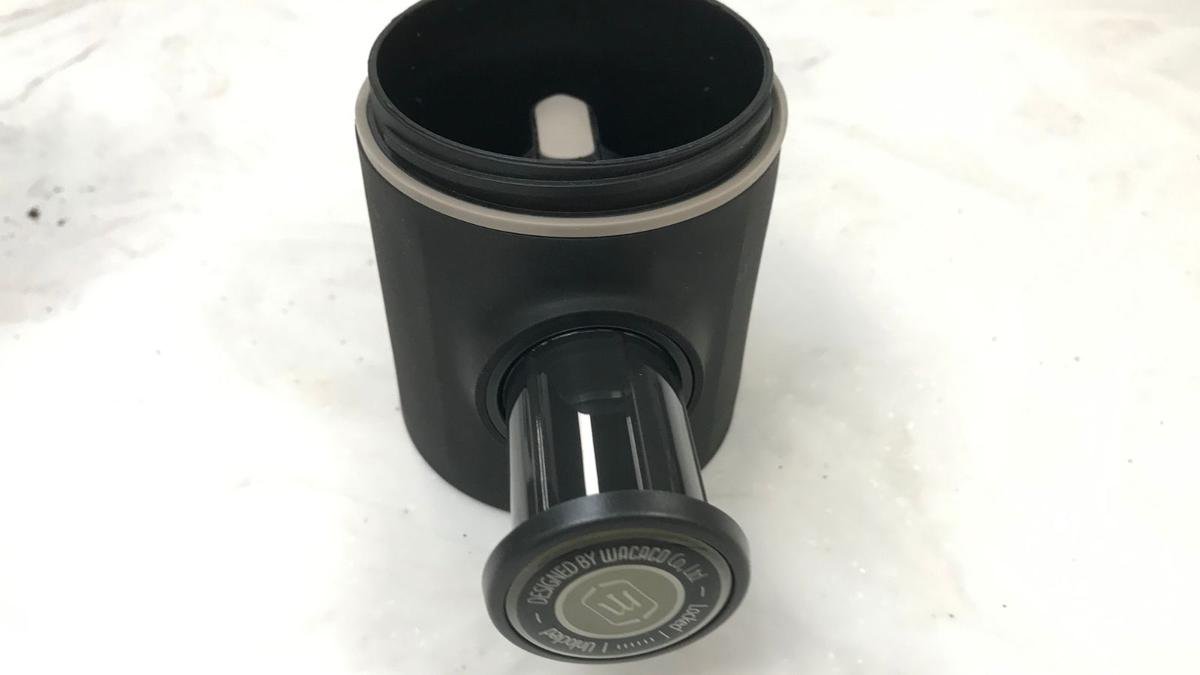
Portable espresso makers can yield results akin to espresso machines without the hefty price. Known as manual espresso makers, these devices require more hands-on effort.
While the usage varies by model, they generally involve pumping or pulling a lever to mimic the pressure of an espresso machine.
Although these machines may not produce espresso as rich as traditional machines, they are often less versatile. To create lattes or cappuccinos, you'll need an additional milk frother, like the Nespresso Aeroccino. Even with the added cost of a frother, the total will often be much less than automatic espresso machines.
For a recommended portable maker, the Wacaco Picopresso is excellent. The Flair Neo Flex is another good choice, though it's more complex and less portable.
Wacaco Picopresso | View at Amazon
The Picopresso is compact but brews shots comparable to larger machines. While it focuses on espresso, your efforts will yield delicious coffee.
Making Espresso without a Machine

If you lack an espresso machine, there are still several ways to brew. If you have a single-serve coffee maker or automatic machine, simply select the espresso capsule or setting, and it will handle the rest. In fact, using one of the best Nespresso machines can yield espresso-like coffee quickly.
For those on a budget, moka pots are a fantastic option, producing coffee with flavors closest to espresso. They create a bold, rich cup that many consider espresso-like. French presses can also be used to create strong coffee.
Making Espresso in a Moka Pot

Moka pot users often claim their coffee is the best non-machine espresso alternative. It's rich and intense, although not quite as creamy as a true espresso. Moka pots are less expensive and more compact than espresso machines.
These pots work by forcing steam through coffee grounds, mimicking the pressure of espresso shots. However, you'll brew around 5 oz of coffee, which is more than the typical 1 oz espresso shot.
To brew with a moka pot, use dark espresso roast coffee and a good grinder, like the Fellow Ode burr grinder. Aim for a fine espresso grind or slightly larger.
Fill the moka pot base with cold, filtered water and add your coffee to the funnel. Unlike tamping for an espresso machine, just screw the top on tightly but not overly so. For a 6-cup Bialetti moka pot, I use 0.7 ounces of coffee and 9 ounces of water.
Place the moka pot on medium heat for about five to seven minutes, allowing the water to boil through the coffee grounds into the top chamber. When the top is full and the bottom is empty, your 'espresso' is ready.
Bialetti is a top choice for moka pots, offering both great value and quality. Their Moka Express is incredibly popular.
Bialetti Moka Express | View at Walmart
Widely regarded as the best moka pot, Bialetti's model brews delicious coffee in a user-friendly design.
Making Espresso in a French Press

Even a budget-friendly French press can be a great way to make strong coffee. You likely already own one, and with slight adjustments, you can create intense shots rather than regular cups. The results may surprise you.
While your French press won't produce the thick crema of an espresso machine, it can still deliver satisfying coffee. For a rich flavor, use an espresso roast but opt for a coarser grind to avoid sediment.
Grind half a cup of coffee beans (1.3 oz) and boil 7 oz of filtered water to 200 degrees. Pour the water over the grounds like making standard French press coffee. After four minutes, place the lid on, plunge, and pour your espresso into cups.
If you need a French press recommendation, consider the Alessi French press. For a more affordable option, the Bodum Chambord is a stylish and budget-friendly choice.
Bodum Chambord French Press | View at Amazon
This elegant French press is a favorite for its appearance and ability to brew great coffee, although it's made of glass and requires care.
Making Espresso in an AeroPress

AeroPress devices are similar to portable espresso makers but use a different pressure mechanism. They can produce espresso-like coffee by following standard brewing methods with a finer grind and less coffee. For best results, consider the Fellow Prismo Attachment for AeroPress, which helps brew espresso-like coffee.
FAQs
What is an espresso?
Espresso is officially brewed using espresso machines, but moka pots can also approximate the flavor profile. They meet the SCA's criteria for espresso, which include:
- 0.85–1.2 ounce beverage per shot
- prepared with 7-9 grams of coffee (14-18g for double shots)
- uses clean water heated to 195°–205°F
- brewed under pressure
- made within 20-30 seconds
The SCA states that espresso should have a syrupy flow resembling warm honey, topped with a thick, dark golden crema. Essentially, espressos are rich, intense shots meant to be enjoyed quickly.
What kind of coffee beans do you need for espresso?
You can use any type of coffee beans you enjoy for espresso. However, dark roasted beans, often labeled 'espresso roast', are recommended. These beans are strong and perform well under high pressure and temperature needed for espresso.
What is a blonde espresso?
Blonde espresso is created using lightly roasted beans. These coffees are milder and feature delicate floral and fruity notes, requiring skill to extract effectively.



