
One significant challenge we face in decision-making is the overwhelming number of options available in various aspects of life. This abundance can lead to second-guessing our choices and diminish our sense of empowerment.
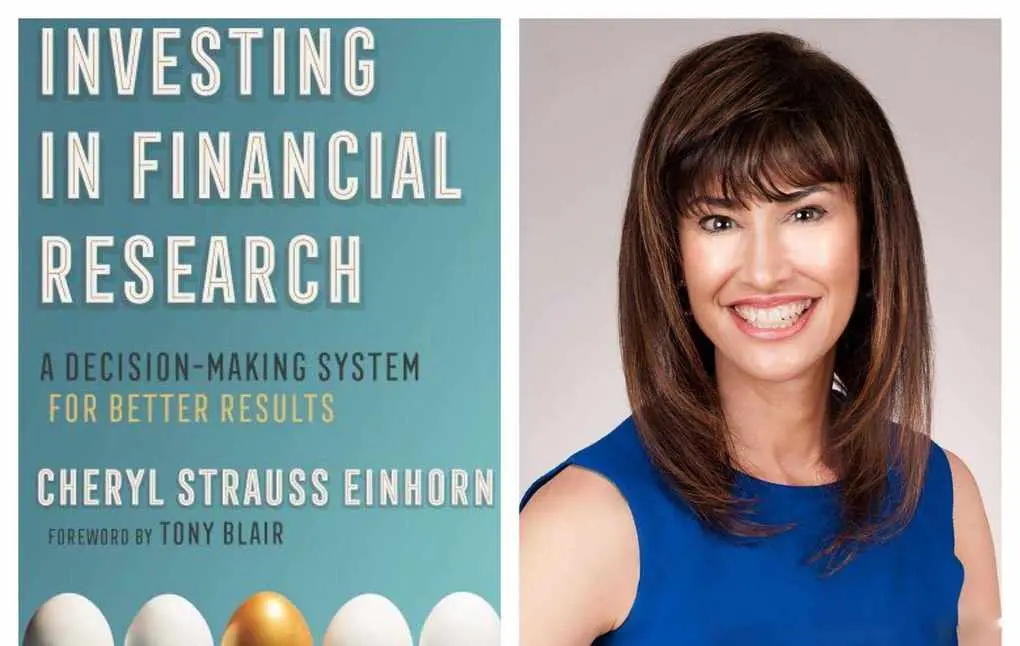
This week, we welcome Cheryl Strauss Einhorn, a CNBC veteran and creator of the AREA Method, designed to help individuals navigate complex problems effectively. Cheryl is also the author of "Investing in Financial Research: A Decision-Making System for Better Results." She shares her decision-making approach and emphasizes the critical role of research in this process.
Cheryl discusses risk management and how we can enhance our empowerment when making significant decisions, while also addressing the emotional facets involved. She introduces her productivity technique known as "Cheetah Pauses," inspired by the agility of real cheetahs.
In the Mailbag segment, we tackle listener inquiries regarding helping parents save for retirement as newcomers to the country, addressing challenges with federal student aid for children, and strategies for overcoming debt post-divorce. Additionally, we highlight the risks of dating site fraud and the deceitful practices of scammers targeting those seeking love.
Transcript
Jean Chatzky: (00:07)
This episode is brought to you by Fidelity Investments. We aim to empower you to demand more from your finances by understanding your assets and liabilities. Visit fidelity.com/demandmore for assistance in achieving your financial objectives. Welcome to the show! Today, I had an enlightening discussion with AARP about caregiving and decision-making, and I'm eager to explore this topic further with our guest. With so many options, it's easy to feel overwhelmed and second-guess our financial choices. I'm thrilled to introduce Cheryl Strauss Einhorn, a prominent figure in financial journalism and author of several books. Let's dive into her insights.
Cheryl Strauss Einhorn: (02:07)
Thank you for having me! I'm excited to share my insights today.
Jean Chatzky: (02:09)
What sparked your interest in decision-making?
Cheryl Strauss Einhorn: (02:17)
My journey began in financial journalism, authoring critical pieces that often had significant impacts on companies, prompting me to consider how to ensure my decisions were evidence-based and reliable while acknowledging the human aspects involved.
Jean Chatzky: (03:22)
That sounds impactful.
Cheryl Strauss Einhorn: (03:22)
Absolutely. I realized the importance of being confident in our decisions, which led to developing a systematic approach to enhance our judgment.
Jean Chatzky: (03:31)
Tell me about the AREA Method.
Cheryl Strauss Einhorn: (03:34)
The AREA Method emphasizes a holistic approach to decision-making. It acknowledges the importance of stakeholder perspectives and empathy, allowing for more informed and confident choices.
Jean Chatzky: (05:45)
That sounds similar to effective negotiation strategies.
Cheryl Strauss Einhorn: (05:57)
Exactly. The AREA Method incorporates thorough research, perspective-taking, and strategic pauses to enhance decision-making.
Jean Chatzky: (07:06)
Can you break down the AREA Method for us?
Cheryl Strauss Einhorn: (09:55)
Certainly! AREA stands for Absolute, Relative, Exploration, Exploitation, and Analysis. It begins with gathering primary information about the decision at hand.
Jean Chatzky: (10:46)
What's next?
Cheryl Strauss Einhorn: (10:46)
Next is Relative, where you gather additional information from sources connected to your decision. Then, Exploration focuses on expanding your research network and asking insightful questions. Finally, Exploitation and Analysis require reflecting on your findings to reach a decision.
Jean Chatzky: (14:25)
How do emotions factor into this process?
Cheryl Strauss Einhorn: (14:55)
Emotions play a crucial role, as they can influence our perceptions. It's essential to balance these feelings with data-driven insights to make informed decisions.
Jean Chatzky: (17:13)
What about for hesitant investors?
Cheryl Strauss Einhorn: (18:08)
The AREA Method encourages individuals to identify their personal financial goals and consider their vision of success to guide their investment decisions.
Jean Chatzky: (19:04)
What does that entail?
Cheryl Strauss Einhorn: (19:55)
It involves defining critical concepts that need thorough investigation to achieve that vision. This focused approach transforms the decision-making process into a more tailored and less daunting experience.
Jean Chatzky: (20:15)
Can you give examples of these goals?
Cheryl Strauss Einhorn: (20:36)
Certainly! Goals might range from achieving a specific retirement savings amount to finding investments that require minimal management.
Cheryl Strauss Einhorn: (21:16)
The ultimate goal is to develop a systematic approach to complex problem-solving, enabling individuals to reach their financial ambitions.
Jean Chatzky: (21:33)
Tell us about Cheetah Pauses and how they enhance productivity.
Cheryl Strauss Einhorn: (22:59)
Cheetah Pauses are strategic stops that allow for reflection and organization, enhancing your ability to tackle tasks effectively each day.
Jean Chatzky: (24:06)
Thank you, Cheryl! Your insights are incredibly valuable.
Jean Chatzky: (24:15)
Now we'll move to the Mailbag with Kathryn Tuggle.
Kathryn Tuggle: (24:28)
Hi! How are you?
Jean Chatzky: (24:30)
Feeling great! I found our discussion enlightening.
Kathryn Tuggle: (24:39)
Absolutely, we should have more insightful discussions!
Jean Chatzky: (24:40)
How do you typically make decisions?
Kathryn Tuggle: (24:47)
I rely on lists to weigh my options.
Jean Chatzky: (24:53)
Writing down pros and cons can clarify your path forward.
Kathryn Tuggle: (25:46)
But some cons might carry more weight than pros.
Jean Chatzky: (25:51)
True, and decision-making is nuanced.
Kathryn Tuggle: (26:05)
It's challenging to consider external factors.
Jean Chatzky: (26:21)
Indeed, decisions can be influenced by ego.
Kathryn Tuggle: (26:27)
Cheryl's perspective is refreshing, highlighting the impact of our choices.
Jean Chatzky: (26:27)
It's vital to understand the consequences of our actions.
Kathryn Tuggle: (26:27)
Ultimately, we're all navigating similar challenges.
Jean Chatzky: (26:27)
Let's keep these discussions going.
Kathryn Tuggle: (26:27)
Absolutely! What questions do we have from our listeners?
Kathryn Tuggle: (26:27)
Our first question is from a listener in Columbus, Ohio.
Jean Chatzky: (26:27)
We appreciate your engagement!
Kathryn Tuggle: (26:27)
Our second question is from an anonymous listener regarding college savings and financial aid.
Jean Chatzky: (26:27)
Thank you for your thoughtful questions!
Kathryn Tuggle: (26:27)
In Thrive, we discuss the rise in dating site fraud and how to avoid scams.
Jean Chatzky: (40:01)
Stay vigilant when exploring relationships online.
Kathryn Tuggle: (40:01)
It's vital to protect yourself from potential fraud.
Jean Chatzky: (40:01)
Thank you for tuning in! We appreciate your support.
Kathryn Tuggle: (40:01)
Join us next week for more insights!



