

You'll find these straightforward tips on flower arranging so helpful, you'll want to keep this guide handy every time you pick fresh blooms from your garden or buy a bouquet from a florist.
This guide is adaptable; there are no specific flowers or foliage required. Use whatever's in season to craft your arrangements, adjusting colors and styles to fit your home or any special occasion.
1. Pick a Color Scheme

Always choose seasonal flowers for the best results. Our guide to the best cutting flowers can help if you're planning a cut flower garden.
"Stick to a cohesive color scheme like soft pastels, bright colors, or whites and greens," suggests floral designer Rachel Bull. "A limited palette creates a refined look. Consider using varying shades of one color—like peach, terracotta, and coral—for depth, or opt for bold contrasts such as burgundy and lime green for a dramatic effect," adds Gerry Rogers, founder of Petal's Edge Floral Design.
2. Choose Your Container

According to Rachel, "Your stems should ideally be about 1.5 times the height of the vase. Measure before cutting to avoid making them too short. While some shorter stems can soften the edges, they shouldn't dominate the display."
Narrow-necked vases hold flowers better than wide ones. Almost any container works, from vintage jugs to jam jars for small arrangements; just adjust your flower size and use smaller leaves or herbs like mint or rosemary. Check out our selection to shop for favorite vases.
"Low ceramic bowls are perfect for lush centerpieces, while tall glass vases suit long-stemmed flowers like gladiolus or delphinium. For a relaxed, wildflower vibe, use a Mason jar or vintage pitcher," advises Adrian Aviles, owner of Athletic Club Flower Shop.
3. Start with Foliage

Begin your arrangement with greenery to establish structure and flow. Look for seasonal inspiration in your garden.
"For early summer, spirea is a favorite, while mahogany splendor, ninebark, and smoke bush shine in fall," shares May Zegarelli, owner of Ocean Fog Farm.
"Eucalyptus, ruscus, or airy grasses add space and lightness to your design. Ensure the greenery supports but doesn't overwhelm the flowers," adds Adrian Aviles.
4. Prepare Your Blooms

"Cut stems at a 45° angle using sharp scissors or a floristry knife," recommends Rachel. "This angle increases the surface area for water absorption and prevents the stem from resting flat against the container's bottom, enhancing water uptake."
"Allow conditioned flowers to hydrate for at least three hours before arranging. Fully hydrated blooms are easier to work with," adds May Zegarelli.
"Different flowers need specific care—woody stems prefer warm water, while others like snapdragons thrive in cold. Most flowers benefit from a cool, dark space before arranging," she notes.
Tip: "Remove any foliage below the water line to prevent bacteria. For woody stems like lilac, a vegetable peeler can help strip bark," suggests Gerry Rogers.
What You Will Need
 Editor's choice
Rachel's go-to scissors for flower arranging are lightweight, durable, and made from Japanese steel.
 Handy tool
This tool makes thorn removal quick and easy, making flower arranging a breeze.
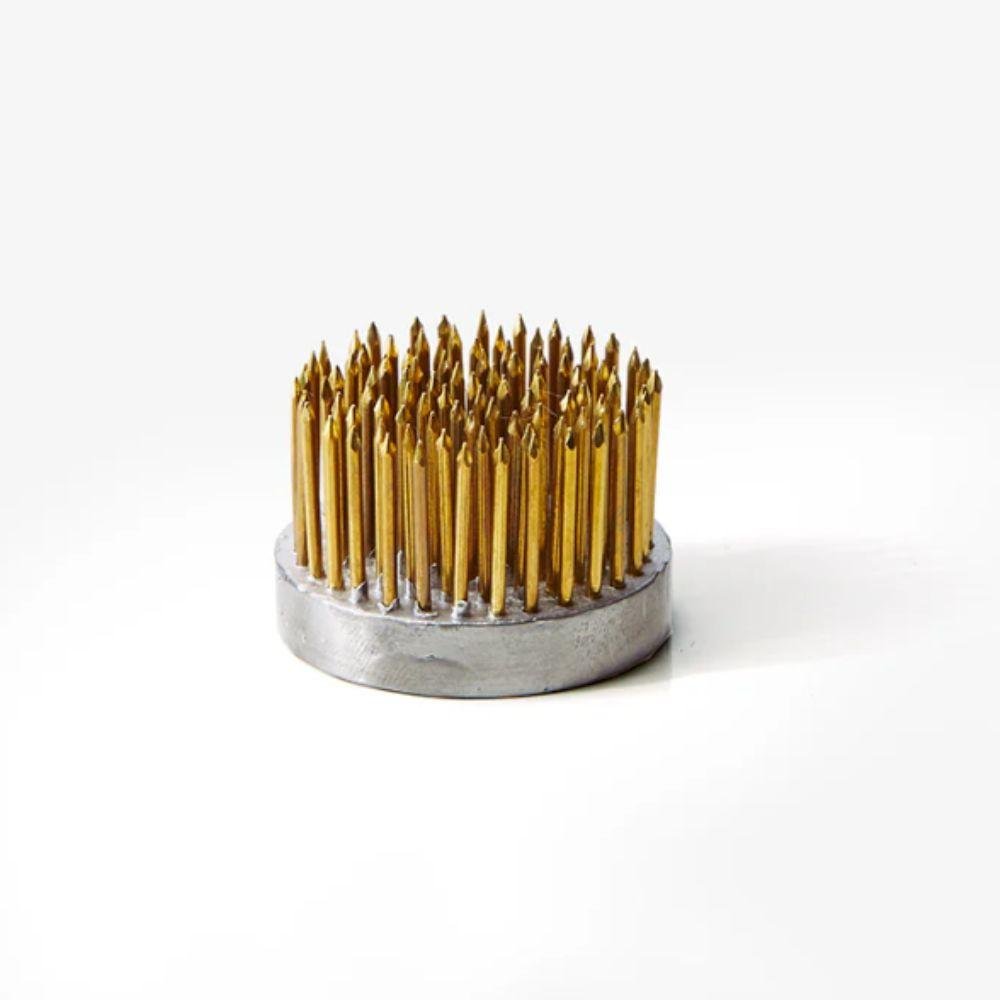 Eco-friendly
Floral frogs are a sustainable alternative to foam, anchoring stems in place at the bottom of your container.
5. Achieve Balance
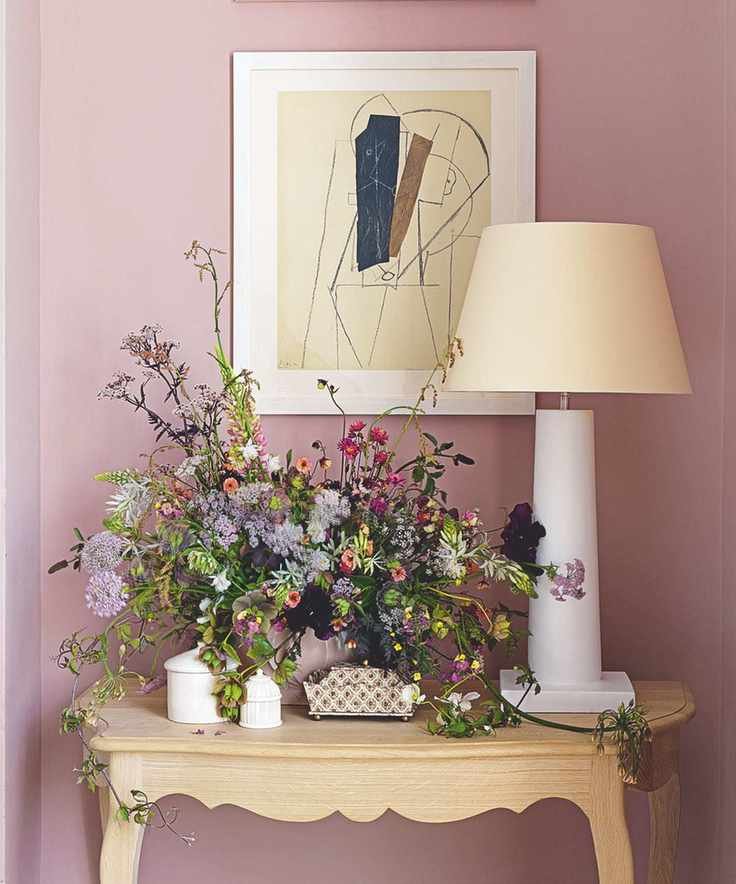
Start with bold blooms like sunflowers or roses as focal points. Follow with medium-sized flowers such as lisianthus or tulips, and finish with smaller blooms like gypsophilia or waxflower.
"Our bouquets typically feature one to three focal flowers and one or two fillers, depending on seasonal availability," says May Zegarelli.
Gerry adds, "Balance large blooms like peonies with delicate flowers like sweet peas to create movement and detail."
Tip: "Some flowers, like daffodils and poppies, can be tricky together due to toxic sap. Seal poppy ends, or let daffodil sap drain in a separate vase before combining with other flowers," Gerry advises.
6. Vary Heights and Depths

Rachel suggests cutting filler flowers longer so some can peek above focal blooms, adding softness and movement. "In spring, ranunculus is ideal for height, while summer sees zinnias and dahlias creating varied heights," she shares.
Tip: "Avoid floral foam as it's harmful to the environment. Explore eco-friendly alternatives for structure," Rachel recommends.
7. Maintain Your Arrangement

After creating your stunning arrangement, keep it looking fresh with a few care tips.
"Changing water regularly, keeping flowers out of direct sunlight, and placing them in a cool area at night will extend their life," says May.
You can make homemade flower food by mixing a teaspoon of sugar to revive tired blooms with a teaspoon of vinegar or bleach to inhibit bacterial growth.
Tip: Keep flowers away from fruits, as ripening fruit emits ethylene gas that causes flowers to wilt prematurely.
Explore Our Favorite Vases
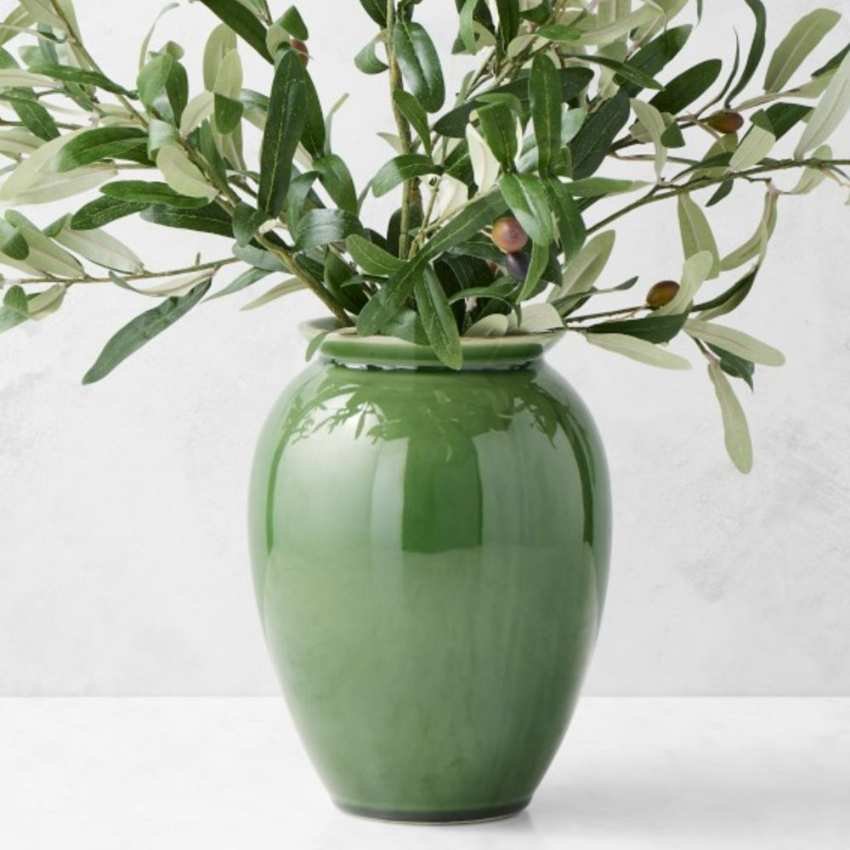 Classic
This handmade stoneware vase features a subtle green glaze, ideal for standout arrangements.
 Traditional
This timeless blue and white chinoiserie vase is versatile for all your arrangements.
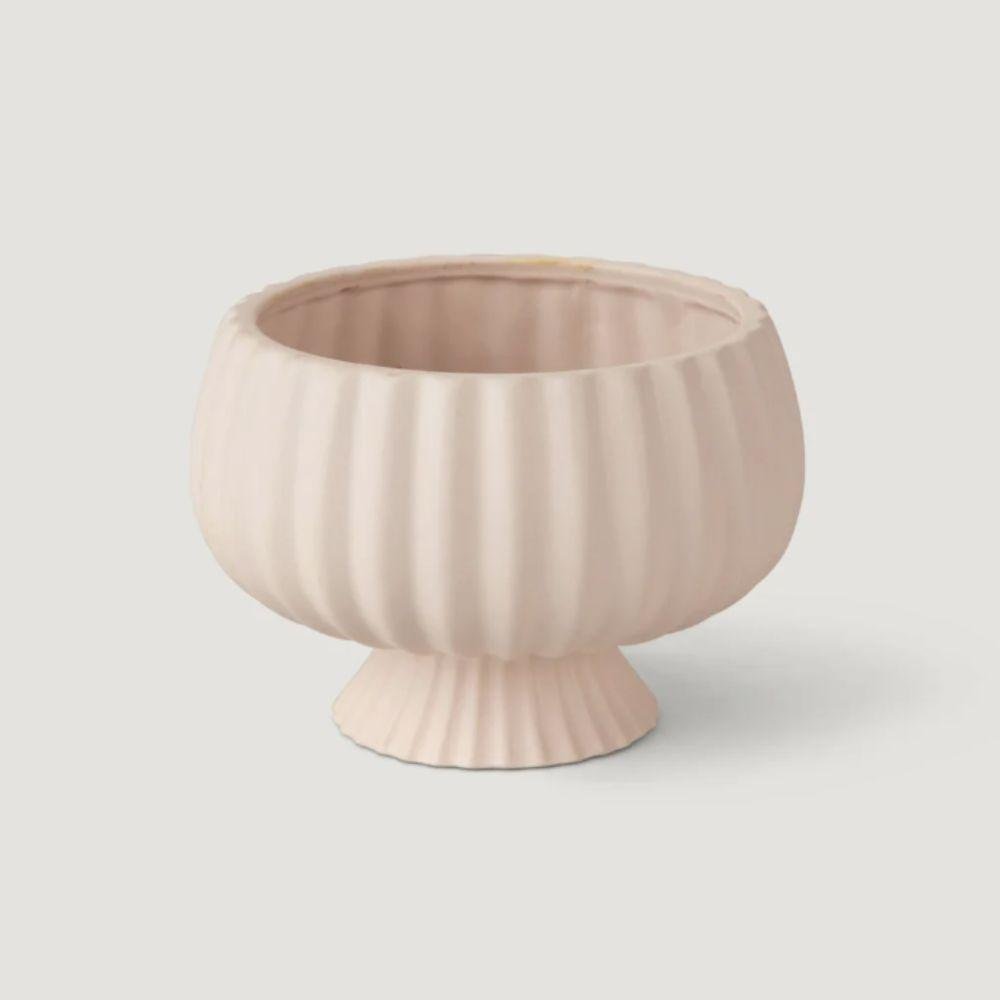 Elegant
This soft pink ceramic compote vase is perfect for feminine, overflowing displays.
 Modern
These tall glass vases are perfect for supporting weak stems and modern centerpieces.
 Rustic
This classic white urn vase looks stunning with flowers cascading over the rim.
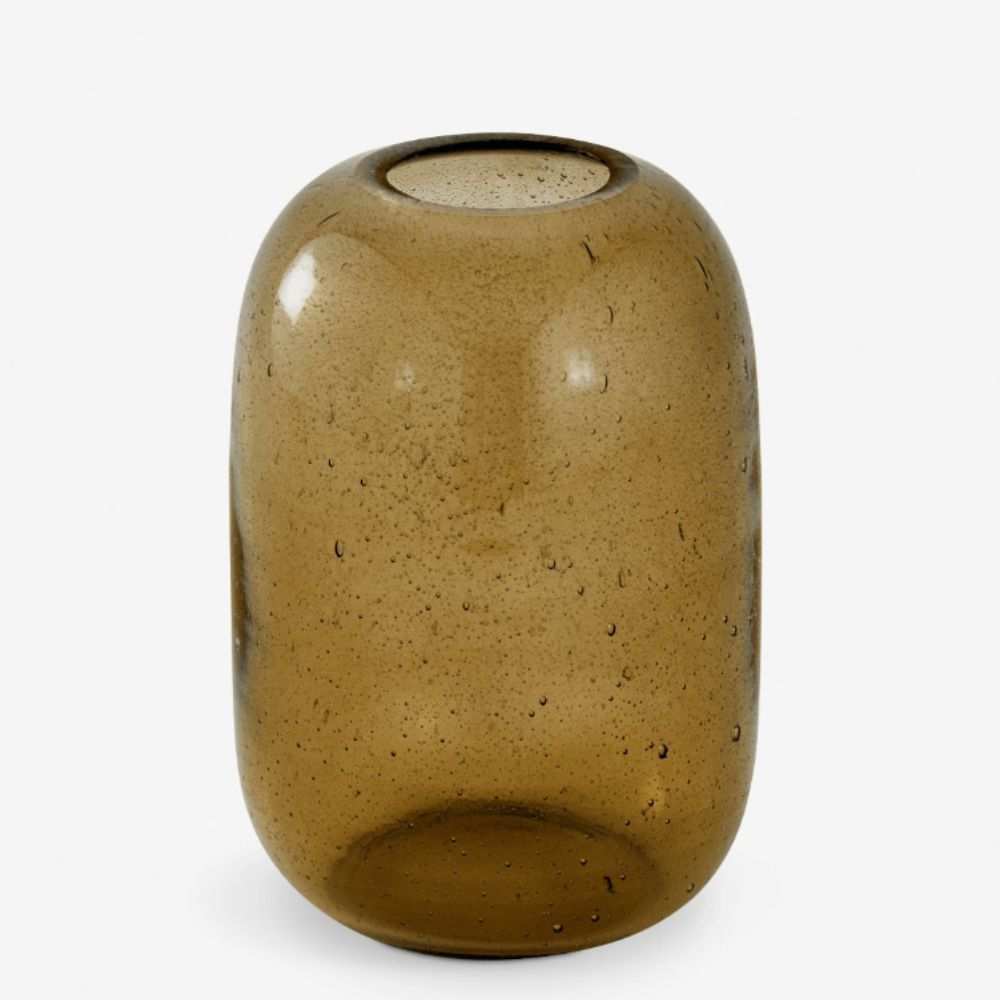 Vintage
This amber bubble glass vase adds a soft silhouette to your beautiful blooms.

Rachel Bull is a gardening writer, flower grower, and floral designer with expertise in sustainable methods and cut flowers.

Gerry Rogers, founder of Petal's Edge Floral Design, is known for creating emotive, sophisticated floral arrangements.

Adrian Aviles owns Athletic Club Flower Shop in Los Angeles, crafting beautiful arrangements for all occasions.

May Zegarelli co-founded Ocean Fog Farm, where she creates stunning floral designs inspired by nature.
Whichever floral style you prefer, these straightforward guidelines will help you achieve stunning arrangements every time. Enjoy every moment with your flowers; their beauty is fleeting but delightful.



