

Master living room lighting to achieve the right brightness and ambiance for various activities.
Utilizing diverse lighting options is crucial for creating a cozy environment for relaxation, sufficient brightness for reading, or the right mood for movie nights or gatherings.
It's essential to think about the types of lights you want and their controls, as both contribute significantly to successful planning.

Planning Living Room Lighting
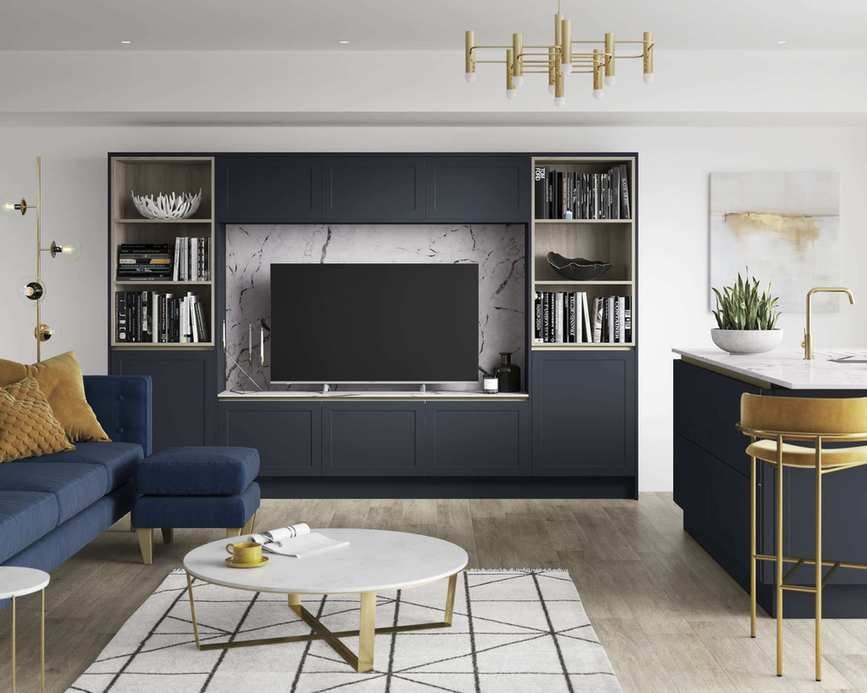
A single lighting source won't suffice in a living room. Incorporate wall lighting, ceiling fixtures, and various lamps to create a well-lit space. For smaller rooms, remember that small living room lighting ideas should still focus on multiple layers to ensure adequate illumination.
'Two key considerations when layering lighting are how you want to feel and how you intend to use the space,' advises Ally Dowsing-Reynolds, co-owner at Dowsing & Reynolds. This helps combine functional lighting with decorative elements to achieve your desired vibe.
This guide helps you explore how to plan living room lighting, detailing the types of lighting necessary and who can assist you in crafting the ideal setup.
Main Types of Lighting for Living Rooms
Every room should feature a blend of three core lighting types, particularly in living rooms, where transformations from casual gatherings to home theaters are essential.

1. Ambient Lighting

Carla Jordan from Kichler describes ambient lighting as the foundational layer for creating a distinctive lighting atmosphere.
This type of lighting, also known as general lighting, provides overall illumination, typically including ceiling fixtures, spotlights, and natural light.
2. Task Lighting

Task lighting serves its purpose by illuminating areas designated for specific activities like reading or working. In a living room, this includes table lamps, adjustable floor lamps, and wall-mounted lights. Ensure these lights are adjustable, as shown in examples from Anglepoise.
3. Accent or Mood Lighting

Jordan explains that accent lighting highlights your favorite features. This type of lighting enhances mood and ambiance while drawing attention to architectural elements and important decor. In living rooms, accent lights may include picture lights and cabinet lighting.

Best Lighting Combinations for Living Rooms
Interior designer Abigail Ahern recommends incorporating eight different lighting sources in each room. This may seem excessive, but with options like ceiling fixtures, wall lights, floor lamps, and natural sources such as candles, it becomes achievable.

'Begin with a central ceiling fixture for consistent background lighting,' advises Will Earl from J Adams & Co. 'Incorporate dimmable task lights throughout the space to adjust the atmosphere as needed, and utilize accent lighting to showcase architectural features or artwork.'
Consider adding downlights alongside a central fixture; opt for adjustable ones that can be directed at shelves or curtains to enhance their reflection. Uplights can also be effective, especially for highlighting a fireplace, even when not in use. LED strip lights can illuminate displayed items on shelves.

Designing Dimmable Living Room Lighting
Regardless of your lighting style, both specialists and designers emphasize the value of dimmer switches.
'Adjustable brightness greatly impacts the atmosphere,' shares Helena Åkerberg from Buster + Punch.

Creating a Living Room Lighting Layout
Only you can determine the best lighting design tailored to your living room's intended use.
If you prefer assistance, an interior designer or electrician can help develop a lighting plan based on your preferences and lifestyle.
Consider enlisting your architect if your living room is part of a renovation or extension project.

For DIY planners, gather family input on activities like movie watching and board games. Additionally, list any architectural or decorative elements to highlight, like artwork or niches.

With two lists in hand, begin outlining the necessary lighting for each activity or feature. Sketch a simple floor plan to indicate where each lighting type should be positioned.
For example, identify spots for reading lamps and determine which walls require sconces instead of ceiling lights. Color coding your final plan can help differentiate between wired and plug-in lights, assisting your electrician.

Remember, adding new lighting and outlets will involve wall work, so plan carefully to avoid mess and ensure that sockets intended for floor placement are marked for easy access.
Choosing the Right Bulbs for Living Room Lights
Four primary types of light bulbs suit different fixtures.
1. LED Bulbs
These bright, energy-efficient bulbs last long and produce minimal heat. Smart bulbs, available in various colors, are typically LED.
2. Incandescent Bulbs
These budget-friendly bulbs are commonly found in older homes, lasting about a year with lower energy efficiency.
3. Compact Fluorescent Bulbs
More affordable than LEDs and longer-lasting than traditional incandescent bulbs, they take time to reach full brightness, making them suitable for less-used areas.
4. Halogen Bulbs
These are bright and energy-efficient, ideal for pendant and under-cabinet lighting, though they generate heat and have a shorter lifespan.

Controlling Living Room Lighting
Before contacting an electrician, consider your preferred control method for the lights. Would you prefer to manually dim them or control them via smartphone?
If you choose traditional switches, select stylish options that complement your decor. Howard Solomons from Wandsworth Electrical emphasizes that switches should reflect quality and design.
'Light switches are integral to your interior design and should be thoughtfully integrated from the start,' he states.

If controlling lights remotely seems appealing, consider smart lighting solutions with LED bulbs manageable via an app or voice assistant. Popular brands include Philips Hue, Hive Active, and Ikea.

Can You Install Living Room Lighting Yourself?
For simple fixture replacements or switch upgrades, a skilled DIY-er can handle the task. For more complex installations, an electrician is necessary.
Ensure the tradesperson is registered with an accredited scheme, like NICEIC in the UK or a licensed electrician in the US.

Obtain at least three written estimates from different electricians for comparison. Provide them with identical project plans for consistency. It's acceptable to request references from previous clients, and a quick online search for reviews can be helpful before finalizing your choice.



