
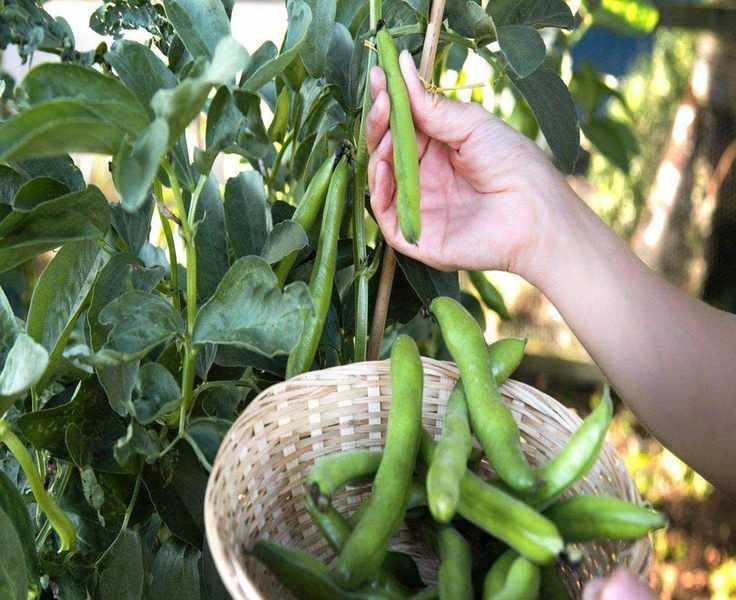
Harvesting fava beans perfectly hinges on your timing and technique. It involves careful observation and a gentle touch when picking pods. While twisting and pulling the pods is simple, being too forceful can lead to damaging the plant.
Also known as broad beans, fava beans are a versatile crop with numerous culinary applications. Young beans can be enjoyed raw, tender pods can be eaten whole, and mature beans are often podded for various recipes. The leaves are edible, and the tops of the plants are traditionally pinched off and considered a delicacy.
I've always found growing fava beans a delightful experience. They're typically one of the first seeds I plant every year, marking the arrival of spring in my garden. Enjoying fresh beans right off the plant is a treat I always look forward to.
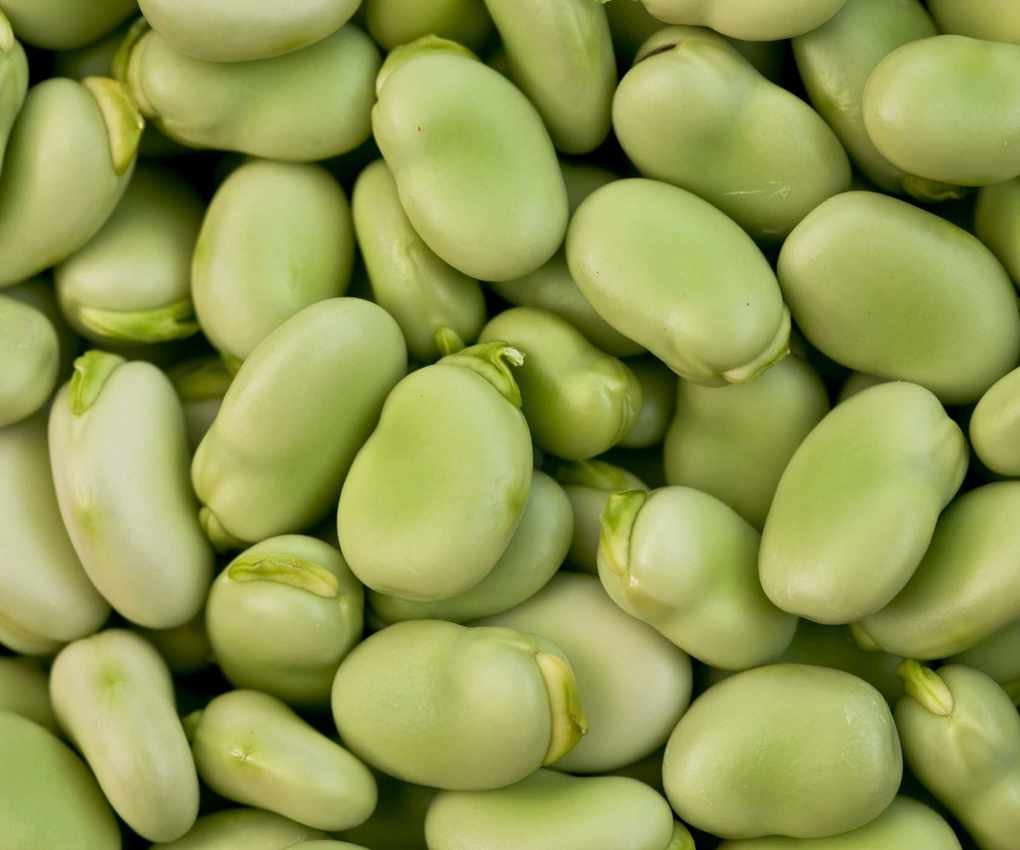
Fava beans are commonly featured in salads or transformed into dips
When Should You Harvest Fava Beans?
Fava beans are typically ready for harvest from mid-spring through the middle of summer. This timeframe can vary based on when you sowed them, the specific variety, and the growing conditions.
There are various planting methods for fava beans, with hardier varieties planted in the fall usually ready for harvest first in mid-spring. Fall-sown crops can take up to 30 weeks from sowing to harvest, while spring sowings can be ready in about 12-15 weeks.
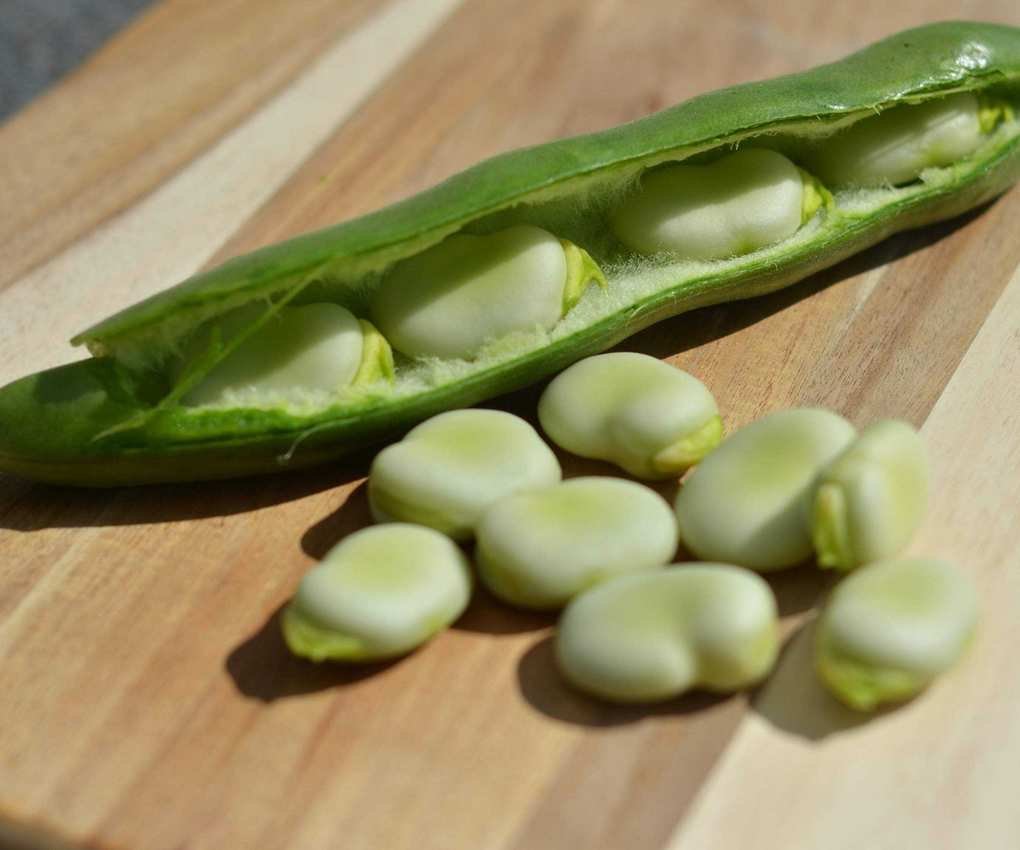
Each pod typically contains four to five beans
Identifying When Fava Beans Are Ready to Harvest
Fava beans can be consumed at different stages, affecting when you should pick them.
For fresh eating, young pods under 2 inches can be harvested raw, while small immature pods between 2-4 inches can be cooked and eaten whole.
For shelling, allow the pods to grow larger. A ripe pod will appear full, with beans visible inside. A gentle squeeze will confirm if they feel plump and ready.
According to a vegetable growing expert, precise timing is essential when harvesting mature fava beans. She suggests picking them just as they start to fill out, since picking too early yields low results, and waiting too long can lead to discoloration.
Pay attention to the weight of the pods, gently squeeze to assess fullness, and you'll become adept at harvesting beans. If beans are past their prime, remove the outer skin to enjoy the flavorful interior.
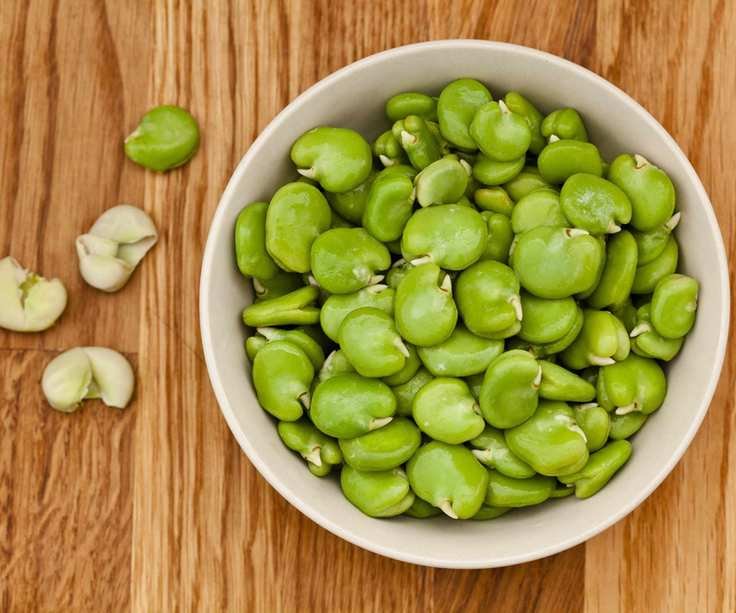
Removing the skin from older fava beans is advisable
Harvesting Fava Beans Without Damaging the Plant
Start with the lower pods, as the beans at the base ripen first. Gently twist and pull each pod until it detaches. Avoid pulling too hard to prevent damaging the plant or its stems, which can hinder further growth.
If a pod resists, using pruning shears or scissors can protect the plant while allowing you to harvest effectively.
Regular harvesting every few days encourages the plant to produce more pods and maintain optimal quality.
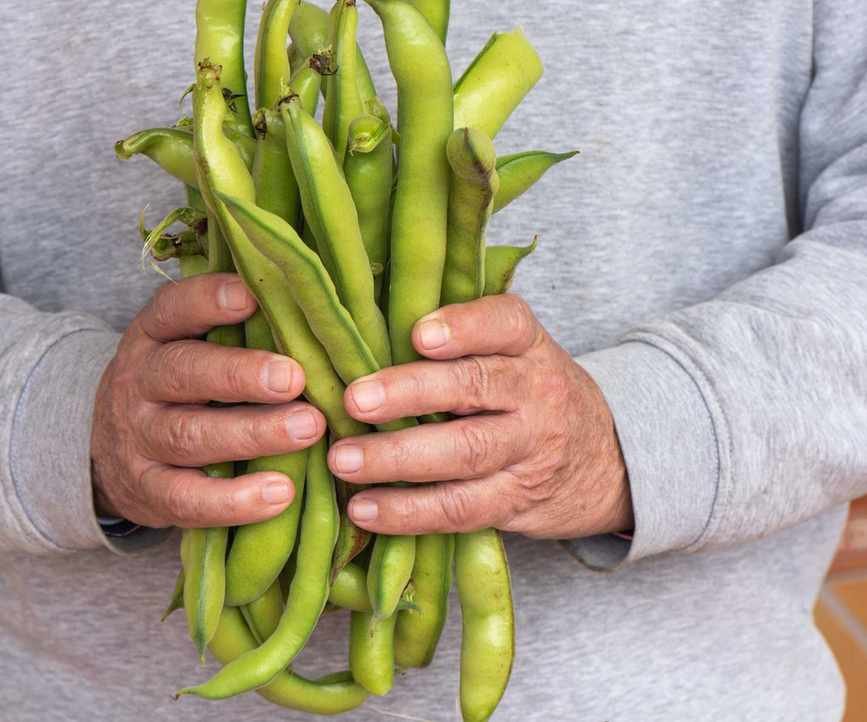
Be cautious while harvesting to avoid harming the stems
Can You Eat Fresh Fava Beans Raw?
Young fava beans can be consumed raw, making them an excellent snack when they're small and tender. These beans are rich in vitamins and minerals, including A and C, iron, potassium, and calcium.
Older broad beans are often boiled or steamed, as their skins can become tough and bitter. It's best to peel these beans after cooking. Always wash your fava beans thoroughly after harvesting before enjoying.



