
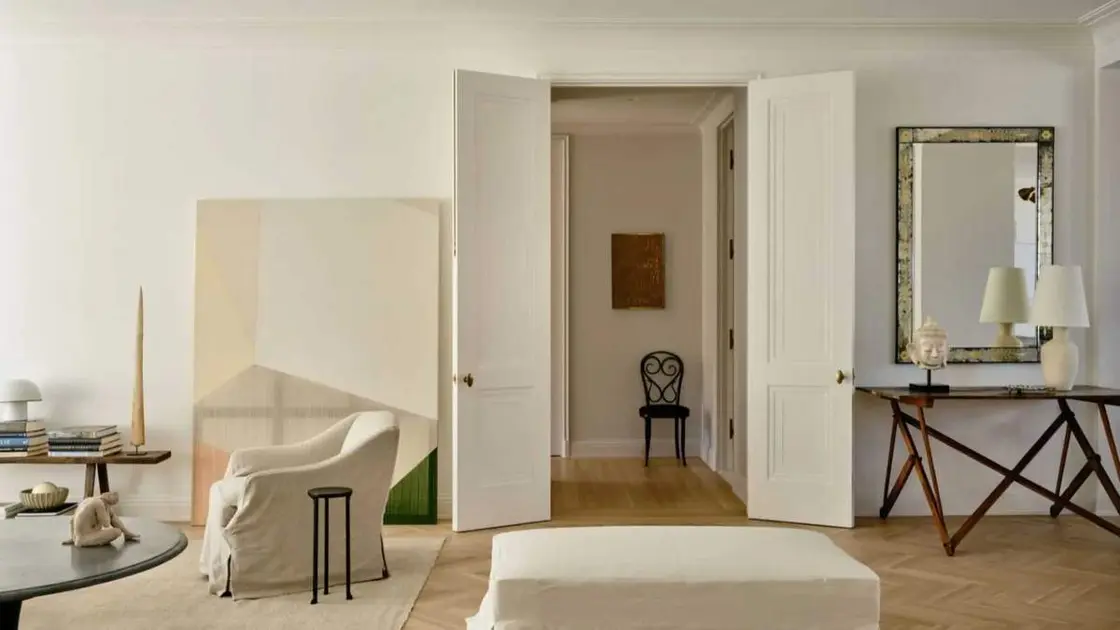
Negative space is far from empty. It represents pauses and visual breathing room, highlighting your favorite decor. This design element brings balance and tranquility, making it a powerful asset in interior design.
This concept isn't limited to minimalism; it thrives in traditional and contemporary settings alike. Everyone desires spaces that feel open and inviting, as even the most packed interiors require some ‘nothing’ to let the ‘something’ shine.
By embracing the idea of negative space, what you leave out can often be more impactful than what you include. Since it costs nothing, there's no reason not to incorporate it. Below, we’ll explore how designers effectively use this invaluable design principle.
Understanding Negative Space and Its Significance

“Negative space signifies the intentional absence of items,” explains Philip Thomas Vanderford, the owner of a design studio. It’s not merely about space; it facilitates movement and enhances clarity.
“It creates breathing room, allowing elements like architecture and proportion to stand out,” he continues. “Good negative space feels deliberate. It provides a visual pause, establishing hierarchy while ensuring a composed atmosphere.”
“Not every area demands filling,” adds Sarah Hart, an interior designer. “Sometimes, leaving space open is essential for achieving balance. People often wonder, ‘What should I place on this wall?’ when I leave areas blank.”
“...Nothing,” she humorously replies.
7 Techniques for Utilizing Negative Space in Your Home
Negative space mirrors the fashion rule of removing an accessory before leaving the house. It’s about enhancing what’s present. Here are seven approaches designers take to utilize negative space effectively.
1. Highlighting Key Pieces

One of the most impactful uses of negative space is reframing beloved objects. Whether it’s a standout sofa or a single vase, the surrounding space alters how you perceive these items.
“Giving objects space enhances their significance,” says Los Angeles designer Dre Shapiro. “Instead of competing, each piece gains prominence through restraint. Here, negative space acts as emphasis.”
Sarah Hart concurs, stating, “Negative space helps focus on key features like artwork or furniture. Providing breathing room elevates these items.”
Think of it like a museum setup: don’t crowd your standout pieces. They need space to breathe, allowing their significance to resonate.
2. Floating Your Furniture

In a well-designed living room, the key question is about the furniture’s placement, not just its type. Commanding rooms often feature furniture that isn’t glued to the walls.
“Float your furniture away from the walls,” Sarah Hart advises. “It might seem odd, but it creates a more inviting layout.”
By doing this, you create natural pathways, promoting easier movement than a wall-bound arrangement.
3. Showcasing Architectural Features

Negative space is also crucial for emphasizing your home’s architecture. If you have stunning features, avoid over-decorating around them. Let your architecture shine.
“If a room boasts strong architectural elements, I resist the urge to cover every surface,” says Philip Thomas. “Allowing areas to remain bare highlights the beauty already present.”
4. Enhancing Artwork
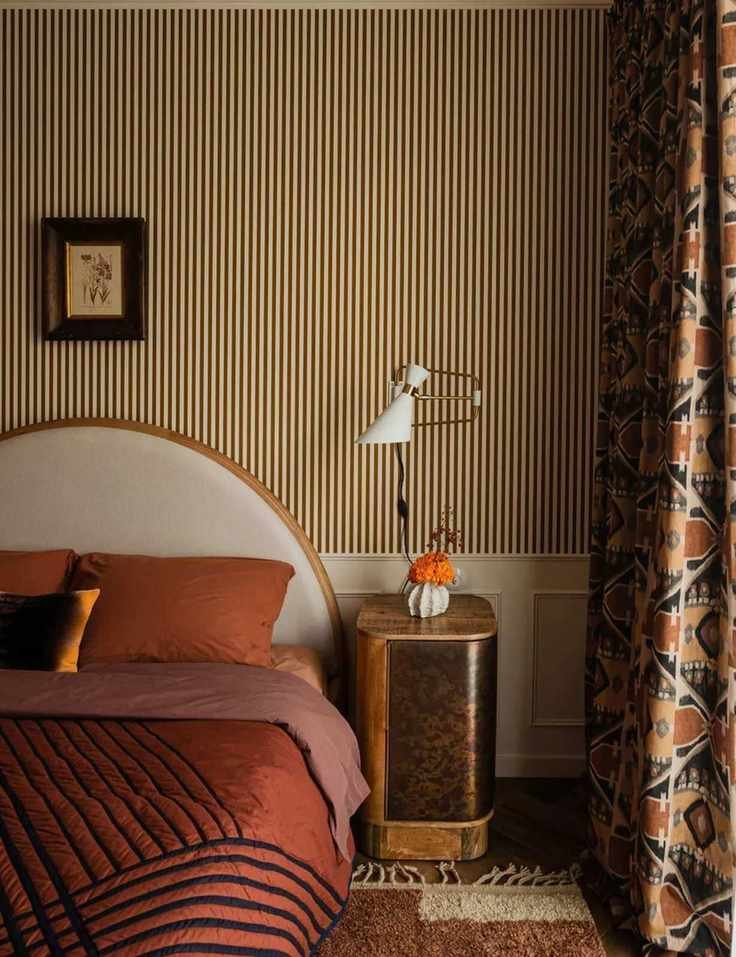
Negative space can be an active part of your art display. Dre Shapiro often combines asymmetry with negative space to create compelling artwork arrangements.
“When displaying art on a large wall, positioning a small piece to one side can create more impact than centering a large piece,” she notes. “The surrounding emptiness enhances the piece, creating intention and drama.”
5. Balancing Patterns
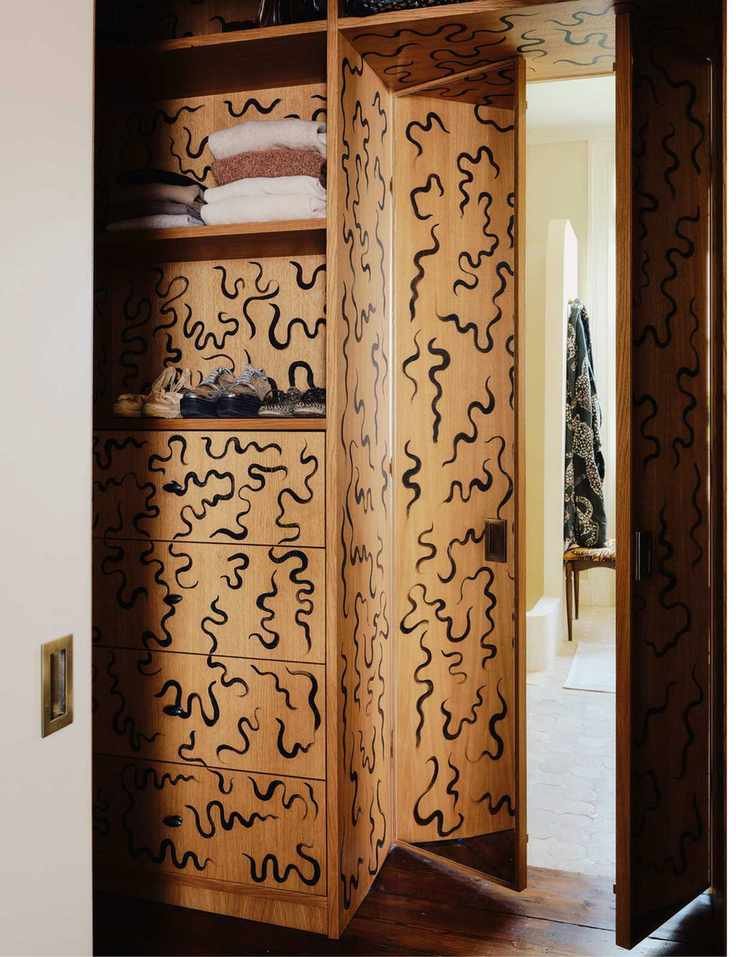
When two busy patterns are placed together, they can merge into a visually chaotic motif. Separating them using negative space allows each to stand out individually.
Sarah Hart frames this as providing the eye with a resting point. “Negative space offers visual relief, allowing bold pieces to shine,” she states.
6. Streamlining Your Furniture Arrangement

Consider how many accent chairs your space truly needs; often, it’s fewer than you think. Overcrowding can dilute the impact of your favorite pieces.
“Fewer, high-quality pieces always outperform a cluttered setup,” Philip Thomas emphasizes. Creating generous spaces between furniture enhances presence and promotes a serene atmosphere.
7. Creating Visual Flow

Every room carries its own energy. Spacing out expressive pieces allows for easy movement through the space. A striking vase at the entrance leads to a tufted chaise a few steps away, creating a rhythm.
“Alternating filled and open areas establishes visual flow and guides movement,” Sarah Hart explains. “Negative space ensures the environment remains calm and organized.”
Contrasting spaces can strengthen each other; a richly layered space next to a more minimalist one creates balance. Bedrooms often showcase this concept, serving as restful retreats.
Negative space embodies balance and intention. It’s not mere emptiness; it’s a canvas inviting you to arrange your home thoughtfully. When done right, negative space instills confidence and clarity.



