
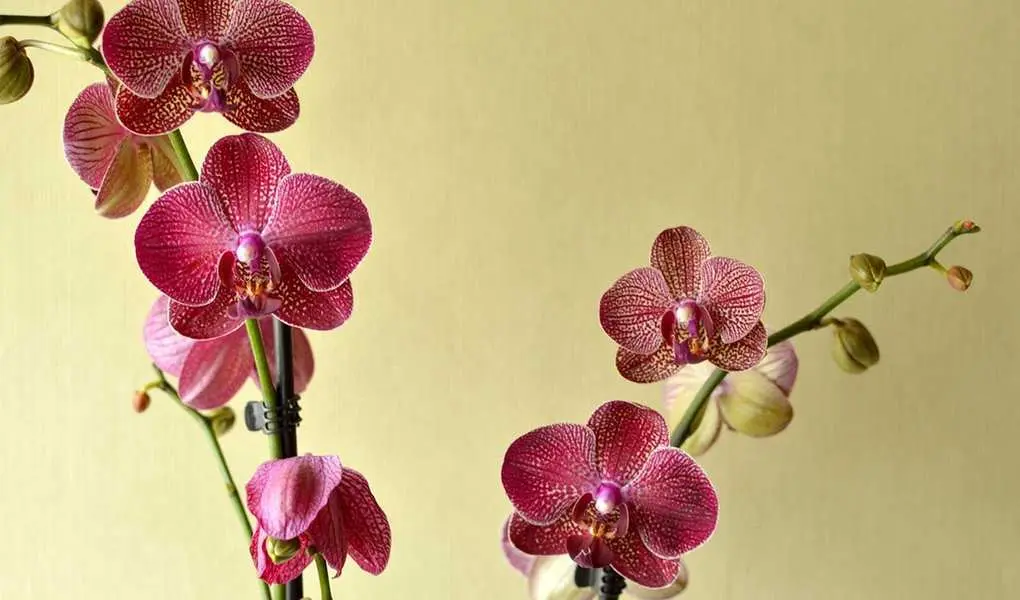
Caring for orchids requires specific attention to their unique needs, particularly regarding light, humidity, and watering practices. Once you grasp the essentials of watering, keeping these stunning plants healthy becomes much simpler.
Orchids are part of a vast family of flowering plants, with around 28,000 species and countless hybrids emerging each year. They thrive globally, displaying a wide variety of shapes and sizes—some even reaching heights of three meters. Their distinct and vibrant flowers are what truly set these tropical plants apart.
You'll find orchids in a spectrum of colors, including magenta, purple, yellow, orange, and pure white. Some blooms are solid, while others feature striking patterns. With proper care, orchids can flourish for years. Here are key tips: they thrive in bright light, enjoy humidity, and dislike being overwatered. Let's explore effective watering techniques to ensure stunning blooms annually.

3 Essential Tips for Watering Orchids
Once, orchids were primarily cultivated by specialized nurseries, sold at high costs mainly to collectors eager to showcase their exotic flowers. However, advances in micropropagation have made it possible to produce certain orchid types affordably and in abundance. Perfecting the art of watering is crucial for orchid care; improper watering can lead to wilting.
1. Soak Orchids Weekly

A recommended method for watering orchids is to avoid pouring water directly into the pot. Instead, immerse the pot in room-temperature water weekly, as suggested by a plant care expert. Once soaked, lift the pot to allow excess water to drain out.
After draining, place the pot on a gravel saucer to promote air circulation and ensure any remaining water drains properly.
Watering needs may vary with the seasons, so check the roots for signs of hydration. Healthy roots are green, while brown and mushy roots indicate excess water, and grayish-white roots signal a need for more moisture. If you notice aerial roots, it means your orchid is actively growing.
A weekly watering routine is typically adequate, but during extreme heat, consider watering every three days. In winter, reduce to every two to three weeks.
2. Use Ice Cubes for Watering

For a straightforward watering method, place three ice cubes on the soil. As they melt, they provide a gradual source of moisture, ensuring your orchid stays hydrated without risk of overwatering.
Research indicates that this method is effective and safe for orchids, with the ice cube temperature being harmless to the plant, while also allowing you to control the amount of water being given.
3. Ensure Adequate Humidity
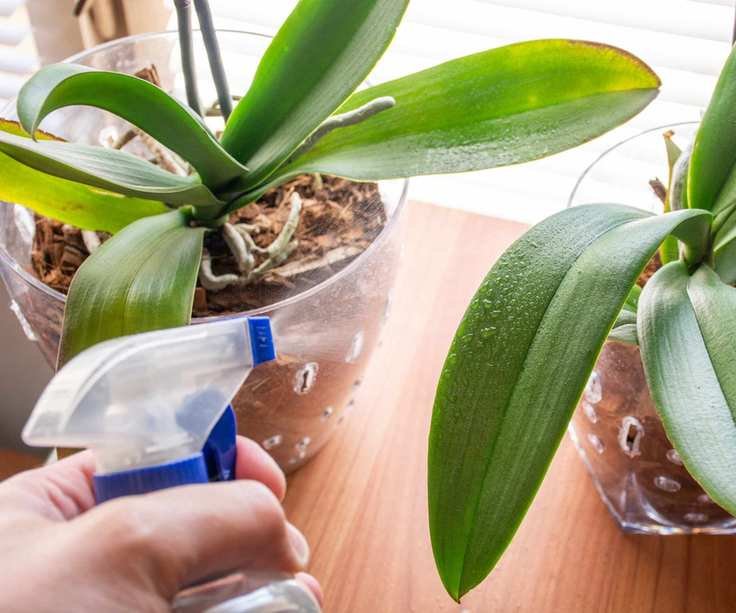
Orchids thrive in humid environments. To replicate these conditions, you can mist your orchids daily or set them on a tray filled with gravel and water. This setup helps maintain humidity without requiring daily misting.
Humidity trays are not only functional but can also serve as elegant decor in your home.

2 Common Mistakes When Watering Orchids

Both overwatering and underwatering are major causes of orchid decline, often exacerbated by attempts to correct one mistake with the other.
Recognizing the right watering practices can be challenging. Here's what to avoid:
- Overwatering: Orchids should never sit in water. They dislike prolonged wet conditions, so ensure the roots are dry before watering.
- Watering at Night: Always water in the morning. Nighttime watering can lead to stagnation, promoting bacterial and fungal growth, and potentially causing root rot.
Orchid Care Essentials
Consider investing in a watering kit that includes a stylish mister, effective orchid food, and a well-designed pot that ensures proper air circulation for the roots.
FAQs
Is rainwater suitable for orchids?
Experts recommend avoiding salt-softened or distilled water, but rainwater and tap water are generally acceptable.
How to tell if my orchid needs watering?
Look for signs in the roots. Green roots indicate sufficient moisture, while brown roots suggest overwatering. If roots appear gray or white, it's time to water. You can also check the potting mix—if it feels dry, your orchid is thirsty.
Healthy leaves are usually green, while silver or white leaves may indicate the need for water. If leaves turn brown, it could be a sign of too much water. Pruning dead leaves can help redirect energy to healthier growth. And don't lose hope if your orchid hasn't bloomed in years; there are ways to revive them.



