This summer, I decided to tackle decluttering my home. For someone like me, who often struggles with indecision, moving items out can feel daunting.
I've realized that having piles labelled 'maybe' or 'relocate' complicates things, so it’s crucial for me to make quick decisions.
That's where the 3-box decluttering method shines. It's become my go-to strategy, and experts share insights on why it’s effective and how to implement it.
Understanding the 3-Box Decluttering Method
To clarify the 3-Box Decluttering method, I consulted Julie Witherell, founder of a professional organizing service.
She states, 'The 3-Box Decluttering Method is designed to keep organizing straightforward and manageable. It's particularly beneficial for those who feel overwhelmed or distracted,' making it ideal for tackling clutter and overcoming obstacles.
'You start in a designated space, sorting items into three categories: Keep, Donate or Sell, and Trash.
'The term “box” refers to any designated area, whether it’s a box, bag, or marked spot. Prepare in advance with supplies: a space for items to keep, a bag for soft donations, a box for breakables, and containers for recycling and trash.'
This approach simplifies the process, making it easy to follow.
3-Box Method vs. 4-Box Method

This method suits those who struggle with decision-making.
You might notice similarities between this approach and the 4-box decluttering method. The key distinction is that the 3-box method omits the 'relocate' category, which, as Julie notes, 'often leads to an undefined pile that creates further decisions and disrupts your progress.'
Devon Fegman-Herdman, another professional organizer, supports this view. She prefers the 3-box method, saying, 'Adding more categories can overwhelm your decision-making process.'
'Once you finish sorting, you return to the “keep” pile to put items away, deciding their final spots in your home.
'The fourth box isn’t necessary. Many already struggle with decisions, and adding more options complicates matters.'
Since I often deal with decision fatigue, the 3-box method felt like the best fit. Here’s how it worked for me.
My Experience with the 3-Box Decluttering Method

Eliminating a relocate pile helped me make decisions on the spot.
To eliminate visual clutter in my bedroom, I decided to start there. As a maximalist, I often find it challenging to declutter, but the 3-box method made it significantly easier.
I moved through different areas, sorting items into 'Keep,' 'Donate or Sell,' and 'Trash,' following Julie's guidance.
My trash pile filled up quickly, as I disposed of paper clutter and other unnecessary items.
With just two choices remaining—donate or sell, and keep—it was straightforward to sort through my belongings, including books and shoes that needed decluttering.
Crucially, I appreciated not having a 'relocate' box. When I found items I wanted to keep but were misplaced, I sorted them immediately instead of letting them pile up for weeks.
Julie recommends handling relocation efficiently. She advises, 'Create a small pile of items needing to move. After your session, spend 15 minutes placing those items in their right spots without distractions.
'By managing relocation in one focused effort, you maintain momentum and complete your task.'
Final Thoughts
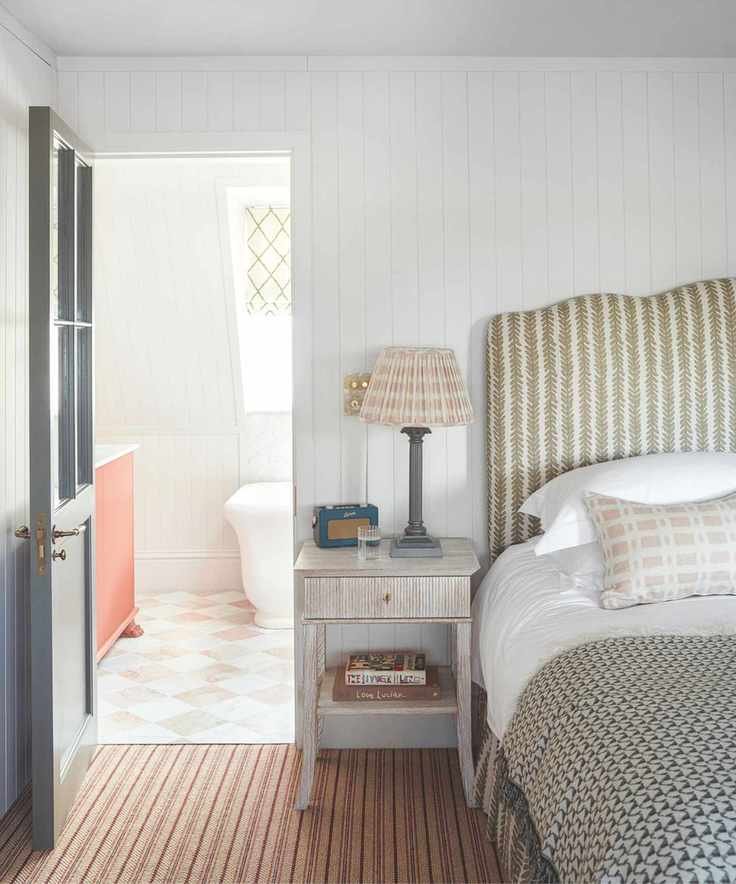
Say goodbye to indecision and get organized for good.
In my view, the 3-box decluttering method is an excellent way to organize. It’s time to eliminate indecision and make clear choices.
As Julie points out, 'Fewer categories mean less decision fatigue and a reduced chance of getting stuck.' I wholeheartedly agree.
If you find yourself still struggling with decisions, the 'ODT' decluttering method could help you overcome analysis paralysis, or as Devon suggests, consider creating a 'maybe' pile but date it.
'If you haven’t needed anything from that pile after six months, you can confidently donate it without second-guessing,' she explains.
This aligns with the Dot and Ditch decluttering strategy, which is a fantastic way to stop clinging to items 'just in case.'
Shopping Recommendations
 Seven color options
Use a stylish storage basket to hold items you're parting with. Later, decide whether to donate or sell.
 Handmade
This sturdy storage basket with integrated handles is perfect for transporting items to your donation drop-off.
 Fits under most beds
For items you wish to keep but lack space for, under-bed storage solutions help maintain a tidy area.