
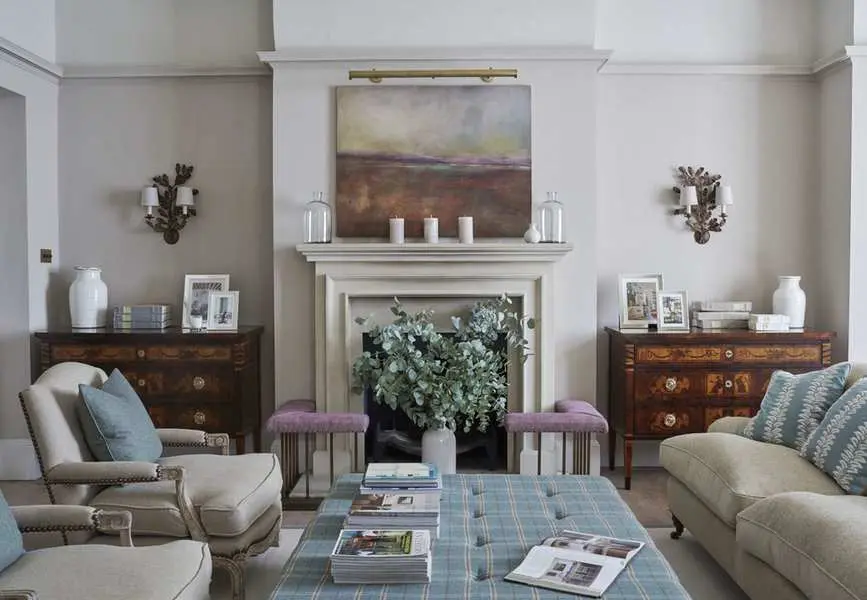
Interior Design
The 60-30-10 rule is a straightforward approach to achieving balance in color schemes. It may feel niche, but it’s a game plan for anyone wanting to enhance their space.
If you're revamping a room and feel unsure about your color choices, the 60-30-10 rule can guide you effectively.
Understanding the 60-30-10 Rule
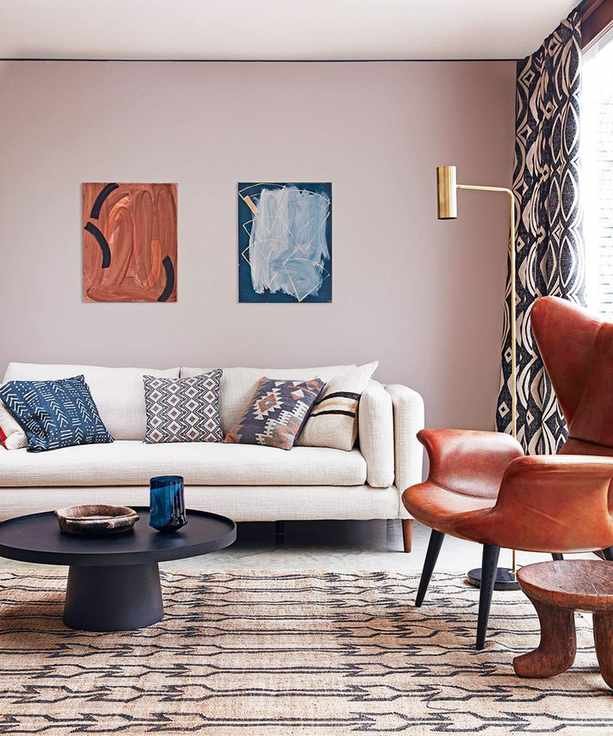
In essence, the 60-30-10 rule simplifies color coordination. It consists of three proportions: 60% for the dominant color, 30% for the secondary color, and 10% for accents.
The 60 signifies the primary color, typically found on the walls, creating a solid foundation for the room. The 30 color should be used less than the main hue and often appears on items like accent chairs or curtains. Lastly, the 10 represents the accent color, which can be seen in decorative items like cushions or art pieces.
This rule pairs well with a color wheel, helping you select complementary shades for your home decor.
Applying the 60-30-10 Rule
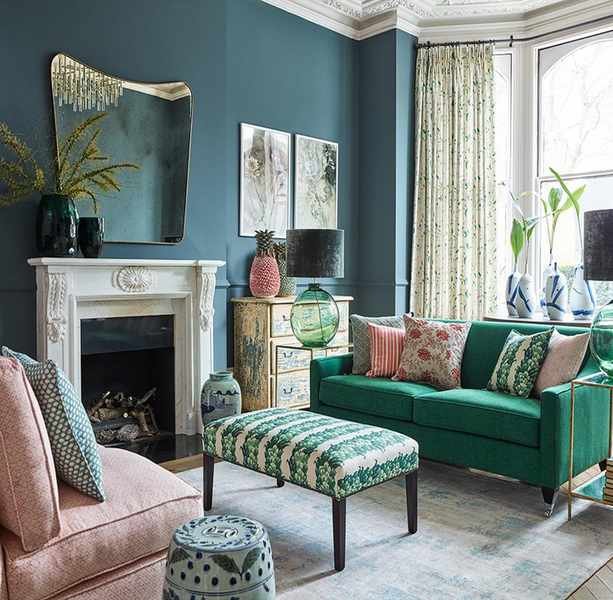
The 60-30-10 rule serves as a guideline for crafting beautiful color combinations.
Design expert David Harris offers tips on using this rule effectively.
“Start by focusing on the walls, as they cover the most area. Introducing interest here is crucial. Combining plain walls with vibrant wallpaper or bright colors can create a lively atmosphere. Choosing a dominant color sets the tone for your space, making it essential to select wisely.”

“The secondary color, which takes up 30%, adds depth. Choose a standout piece, whether it’s a favorite cushion or a vibrant painting, and explore various materials and colors that either clash or complement. This approach allows the piece to shine.”
This secondary hue can be incorporated into furniture, curtains, rugs, or an accent wall. Select accessories that tie back to the dominant palette for a cohesive look.

“Finally, the 10% accent color is essential for contrast and enhancement. Items like throws, lamps, and artwork can beautifully unify the room.”
Limiting Colors in a Room
As per the 60-30-10 rule, stick to three colors within any given room. You can incorporate various shades of these three, which helps maintain a balanced and serene ambiance—especially useful in shared spaces like kitchens and dining areas.
Using the 60-30-10 Rule with Monochrome

Applying the 60-30-10 rule works well in monochromatic schemes. For instance, in a room where the walls are white (60), cabinets are gray (30), and check fabrics are black (10), you can still play with additional colors. Notice how the rule can even flex with an added color element, like green bar stools.
Breaking the 60-30-10 Rule

Experimenting beyond the 60-30-10 rule is encouraged as you gain confidence in color application. Start by adhering to the rule for balance, then introduce one new accent at a time.
For example, in a room with neutral walls, a dark brown sofa, and a yellow armchair, adding cushions in complementary colors like burnt orange can enhance the decor without disrupting the overall balance.
In the example above, the white walls represent 60, neutral furniture takes up 30, and the vibrant blue of cushions and footstools constitute the 10, with a playful addition of pink for warmth and contrast.



