
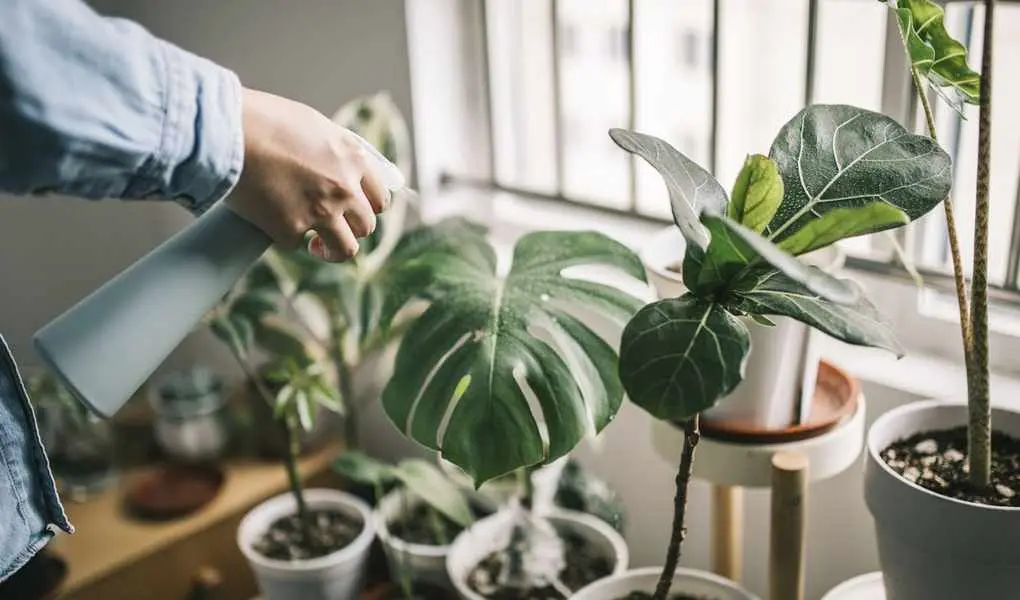
Houseplants add vibrancy and a fresh look to your home, but they can attract pests like aphids. These tiny, sap-sucking insects often cluster on plants and can be a real headache.
Aphids are typically found on garden plants like roses, but they can hitch a ride indoors through open windows or on clothing. Once in your home, they thrive by feeding on the sap of indoor plants, especially where the leaves and stems are tender.
These common pests can harm your plants' health by draining essential nutrients, leading to yellowing leaves and wilting. Here are four effective ways to eliminate aphids and prevent future infestations.

Effective Strategies for Aphid Control
To protect your plants, it's crucial to identify aphids early before they cause significant damage or spread to other plants. Here’s what you’ll need to combat these pests:
- Pruning scissors or snips
- Reusable spray bottle
- Dish soap
- Neem oil
- Sticky traps
- Rubbing alcohol
Check New Plants Thoroughly
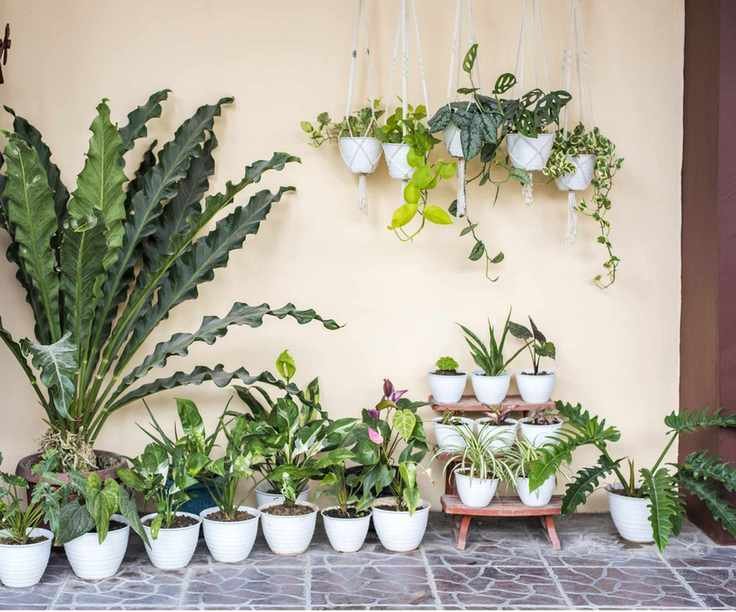
New plants can carry aphids into your home. Always inspect new additions carefully before introducing them to your existing plants.
Look for aphids along the plant stem, particularly at the top and beneath the leaves. If you discover any signs of an infestation, act quickly to protect your other plants.
Remove Affected Leaves or Wipe Them Off
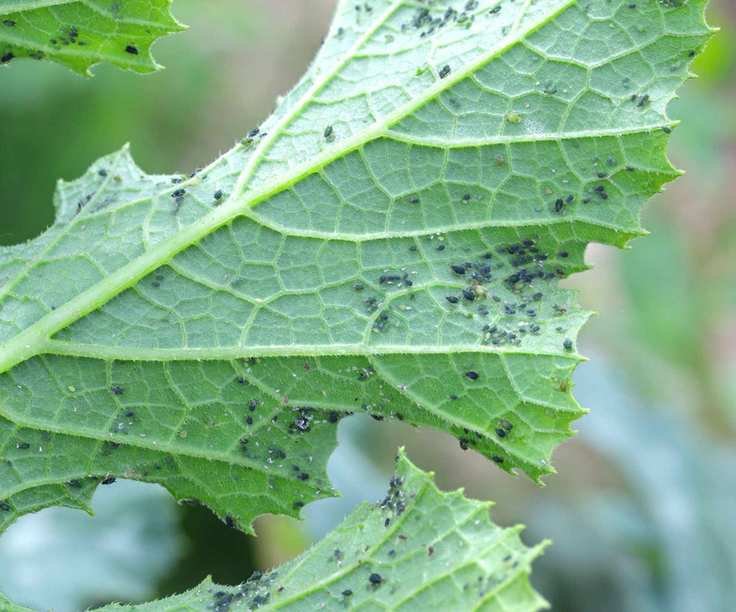
If you catch aphids early, you might be able to eliminate them by trimming away the affected leaves, suggests a houseplant expert. Since they prefer new growth, spotting them is easier.
Removing infested leaves can lead to a healthier, pest-free plant. Alternatively, you can use a soft cloth or cotton swab to wipe them off, or gently rinse the leaves under water, using your fingers to dislodge any remaining aphids.
We recommend natural pest control methods to avoid chemical pesticides whenever possible.

Apply Dish Soap or Neem Oil
“Neem oil is an effective natural solution for aphids,” says a pest control expert. This organic option also serves as a general pest deterrent.
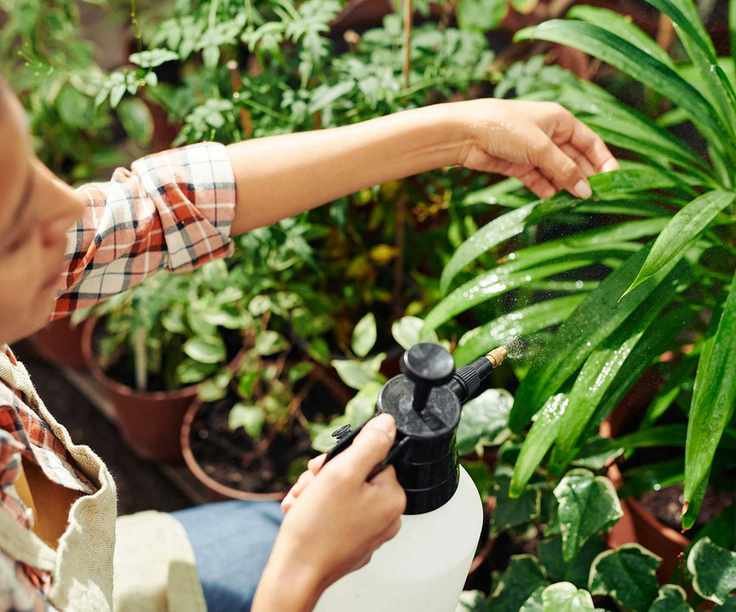
Another solution involves mixing water with a small amount of dish soap in a spray bottle. Apply this DIY mixture generously on the plant, focusing on the affected areas. You can use neem oil or the DIY spray every few days to keep aphid populations in check.

Utilize Sticky Traps
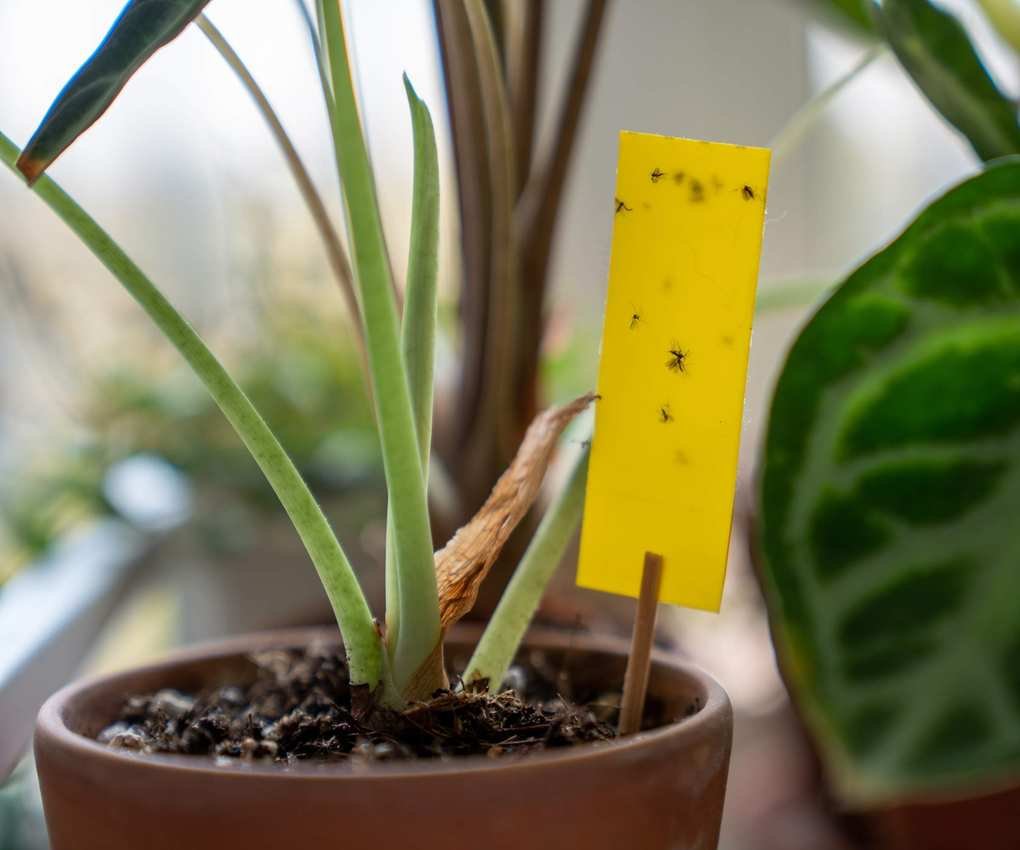
Consider placing sticky traps around your plants to catch unwanted pests. Set them up on sticks in the soil or hang them nearby.
These traps effectively attract and capture various pests and should be replaced regularly for optimal efficiency.
Understanding Aphid Infestations
Aphids tend to thrive indoors due to the lack of natural predators like birds. Their rapid reproduction can lead to significant infestations if not managed promptly.
Another effective method to eliminate aphids is by spraying them with diluted rubbing alcohol. Ensure it’s diluted—mix one part alcohol with seven parts water to protect your plants.



