
Are you ready to set a budget for your interior design project? We've gathered insights from top designers to guide you on where to invest and where to save.
Explore: Interior design insights – expert decorating tips from professionals
Architect Claire Sa co-founded a well-regarded architectural firm with Max de Rosee in 2007, focusing on sophisticated residential projects with a keen eye for materials and historic architecture.
Interior designer Nicola Harding boasts over a decade of experience managing diverse residential projects.
1. Take time to make informed design choices
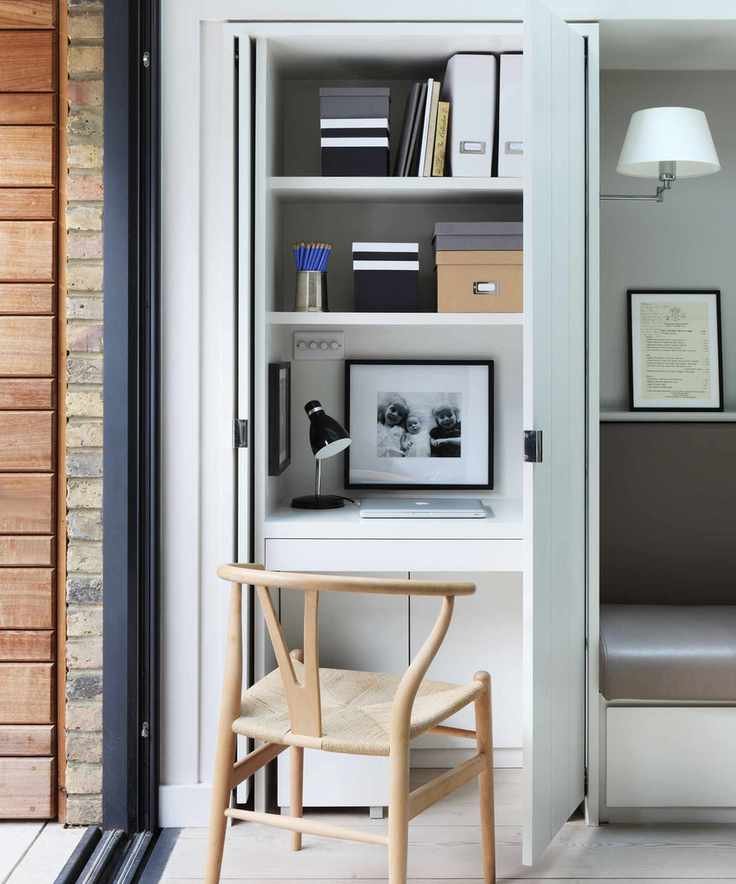
A micro home office designed by De Rosee Sa, blending seamlessly with its surroundings
'Rushing into a project can lead to complications,' warns architect Claire Sa. 'Creating a Pinterest board can help gather ideas and establish a cohesive vision. Be cautious of contractors who promise to finish quickly and always allocate a budget for unexpected costs—typically around 10%.'
Nicola Harding advises, 'Consider not just what you want, but why you want it. Many people follow trends or peer influences without truly reflecting on their needs.'
2. Don't feel pressured to start from scratch
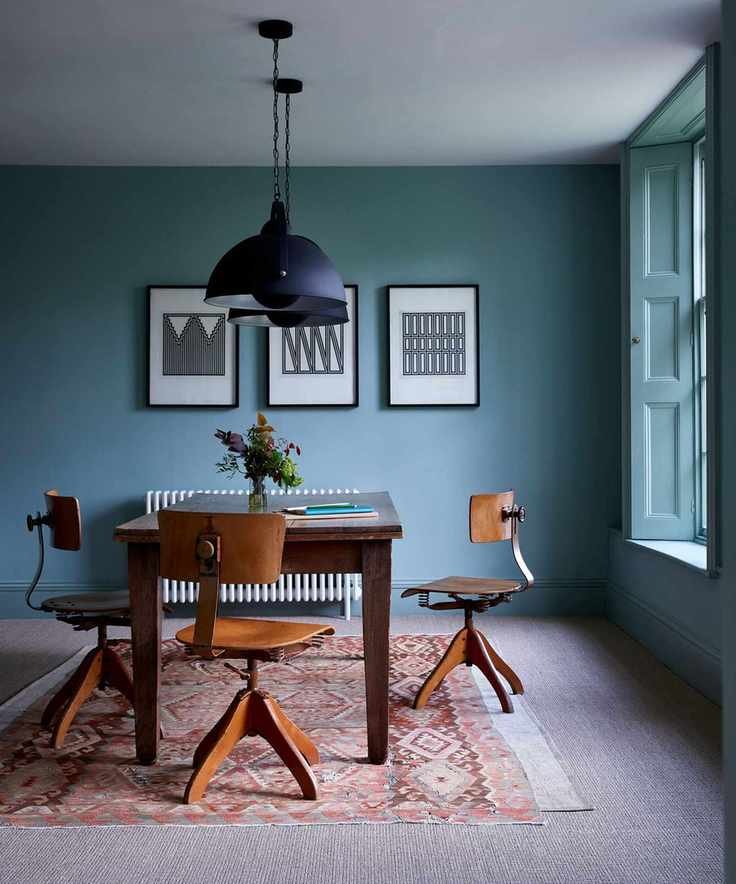
Opt for vintage pieces like these chairs for better craftsmanship
'I always evaluate existing elements and how they can be refreshed,' says Nicola Harding. 'Look at finishes, architectural details, fixtures, and furnishings. This not only cuts costs but is also environmentally friendly.'
Claire Sa concurs: 'Assess what materials you can repurpose, such as flooring or doors, to save on your project.'
3. Prioritize planning and set clear expectations
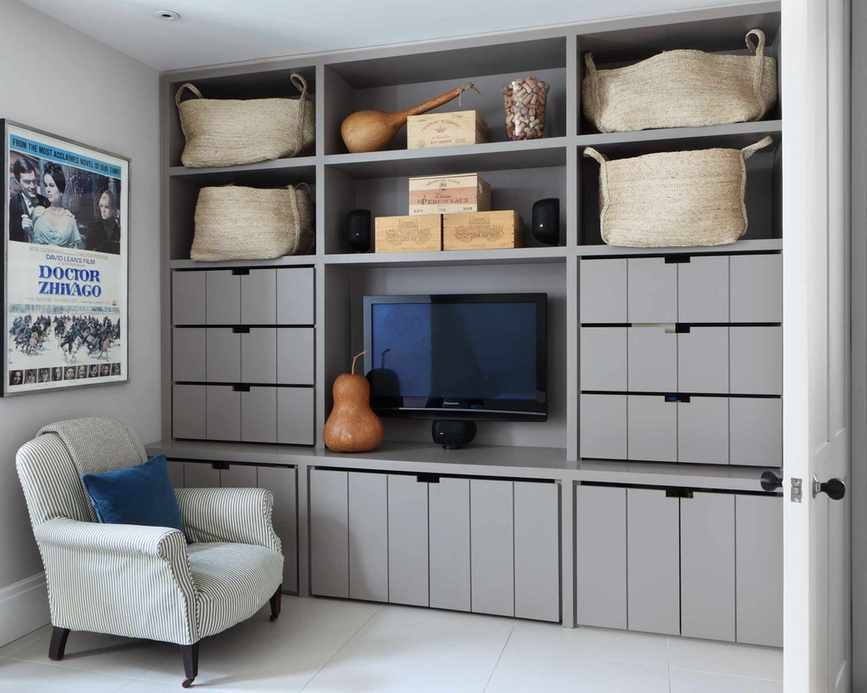
Maximize your budget by focusing on fewer areas
'With a tight budget, it's wise to focus on fewer, well-thought-out spaces,' suggests Claire Sa. 'Investing in optimizing the layout often yields the best results, while decorative finishes can be added later.'
4. Allocate funds to high-use areas like kitchens
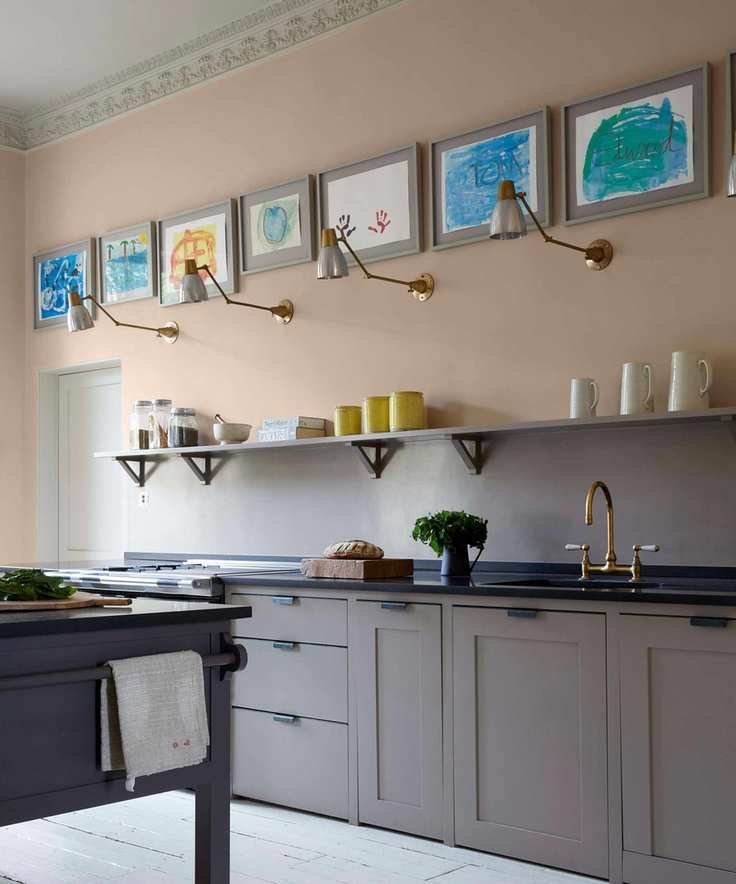
Use temporary solutions while budgeting for future upgrades
'A solid stone work surface is worth the investment, but you can save by using more affordable cabinetry,' Claire Sa recommends. 'Quality flooring is essential for high-traffic areas, but consider using cost-effective pine boards that you can paint.'
Nicola Harding suggests, 'To stretch your budget, consider using freestanding furniture in the kitchen and designating a nearby space for storage or appliances.'
5. Quality lighting is essential, regardless of budget
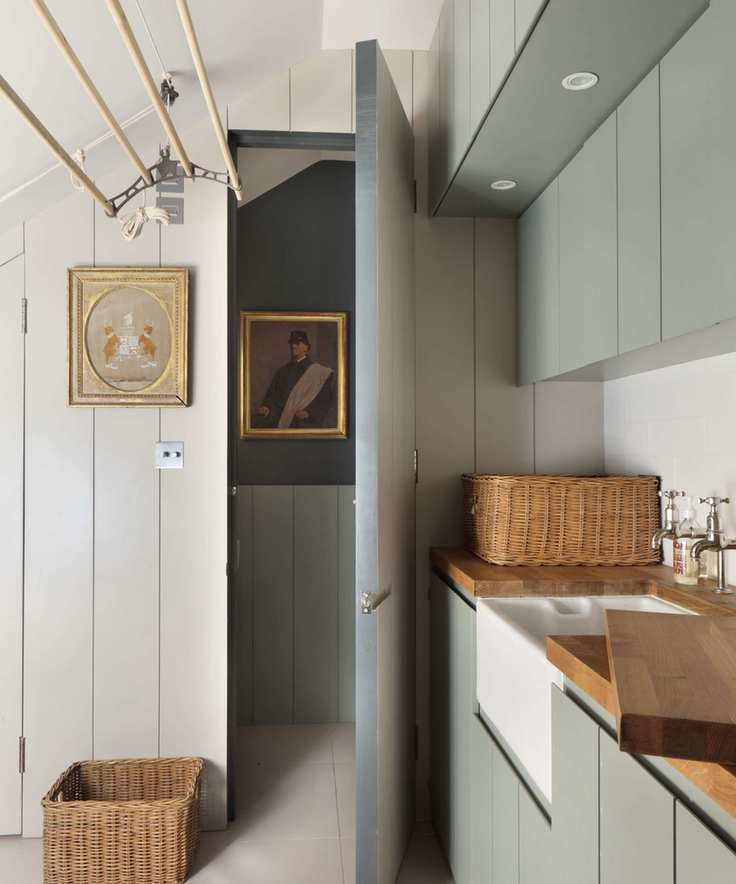
Pay special attention to lighting in important areas
Good lighting is critical; it sets the mood without breaking the bank. 'Poor lighting can ruin the atmosphere,' warns Nicola Harding.
'Avoid pricey downlights, which can drain your budget. I prefer using numerous lamps with warm bulbs and ensuring light switches are dimmable.'
6. Hunt for quality yet affordable products
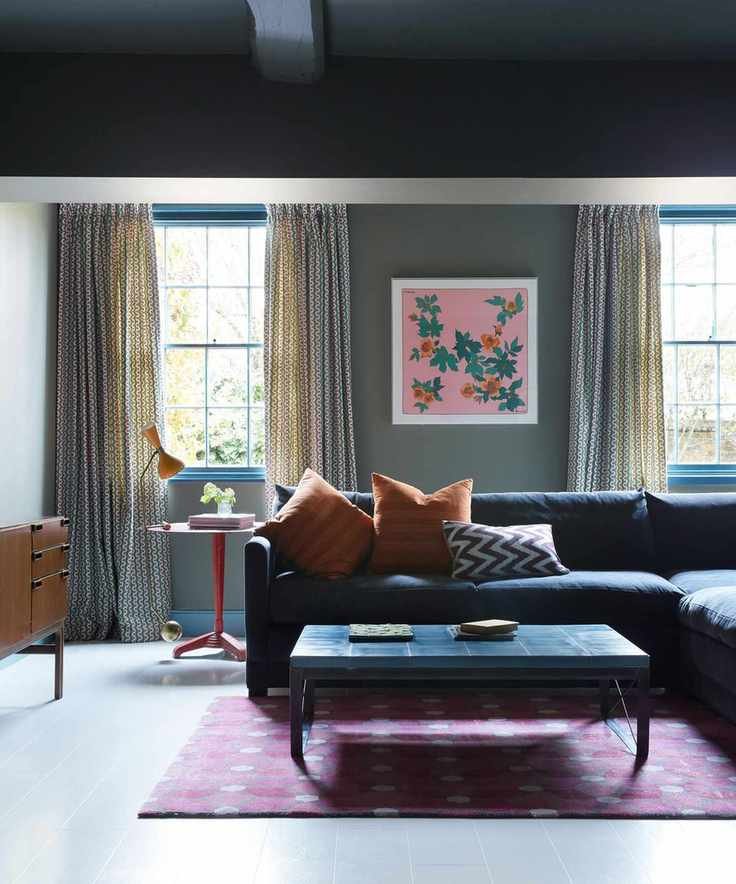
Blend budget-friendly items with standout investment pieces
Thorough research can lead to smart choices. 'I love discovering new materials that are both attractive and budget-friendly,' shares Claire Sa. 'For example, consider using Mortex for shower linings instead of costly stone, as it's versatile and comes in various colors.'
Nicola Harding adds, 'Don't splurge on expensive radiators; many DIY stores offer great value alternatives.'



