
What a month it has been! Since March 9th, the Dow has faced a series of alarming drops. Then, on March 11th, the World Health Organization declared COVID-19 a pandemic, intensifying market volatility and leaving many concerned.
A survey from Fidelity reveals that 70% of individuals are worried about the pandemic's impact on their retirement. Fortunately, despite rising emotions, many are keeping their eyes on long-term goals. As of March 15th, 96% of Fidelity clients hadn't altered their 401(k) accounts since the year's start. It's tempting to protect investments during downturns, but selling at the bottom often leads to regret. History shows those who stay invested typically fare better. For instance, investors who pulled out during the 2008 crisis had an average balance of $89,000 when they exited. Fast forward to Q4 2019, and their balances averaged $276,000. Those who remained invested had average balances jump from $79,000 to $360,000 in the same timeframe, illustrating the benefits of staying the course.
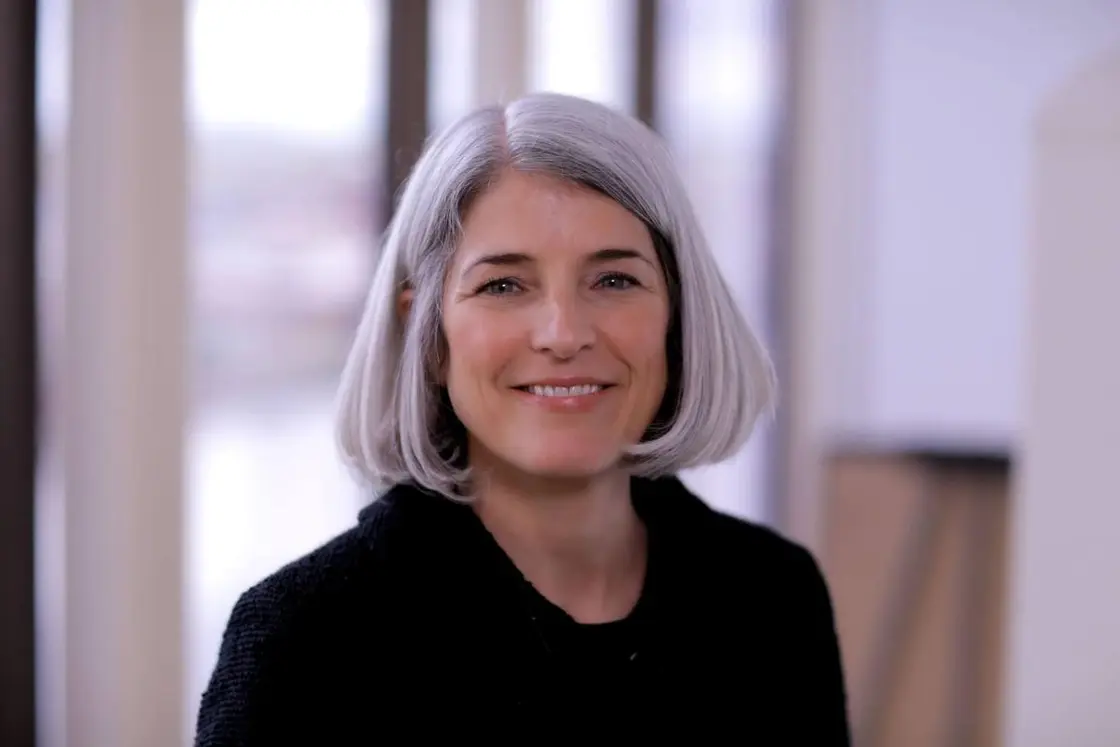
In light of current headlines, many have questions about managing their portfolios. To address these concerns, Jean spoke with Jeanne Thompson, Senior Vice President at Fidelity Workplace Consulting, who aids employers in delivering financial wellness programs.
This episode dives into retirement contributions during economic turmoil. Should you keep investing, even in tough times? What if you face financial strain due to layoffs? They also discuss hardship withdrawals from retirement accounts, 401(k) loans, and liquidity options like home equity lines of credit and zero-interest credit cards.
Jeanne emphasizes the importance of rebalancing your portfolio, tailored to your age and retirement timeline. She recommends a cautious approach to rebalancing, especially given daily market fluctuations.
Managing stress is vital, as financial worries can seep into other life areas. Jeanne advises staying perspective by focusing on long-term plans, engaging in physical activity, staying connected with friends, and tackling home projects. "This is an opportunity to handle tasks we often avoid, and when markets stabilize, we can resume our financial goals," she suggests.
In the Mailbag segment, Jean and Kathryn discuss prioritizing student loans versus investing in the stock market. A 63-year-old listener raised concerns about portfolio losses and whether it's time to rebalance. Lastly, they address a listener contemplating whether to invest in a 401(k) or bolster savings given current market volatility.
In Thrive, Jean explores the concept of social capital, emphasizing the importance of maintaining connections even while physically distant. She offers tips for fostering relationships online and preserving social networks.
For more resources and daily updates on the evolving coronavirus situation, visit Fidelity.com/volatility.
Transcript
Jean Chatzky: (00:01)
Welcome, I'm Jean Chatzky. This month has felt like a year. Starting March 9th, the Dow began to drop sharply, followed by the WHO declaring COVID-19 a pandemic on March 11th. Recent market volatility has understandably made many anxious.
According to a Fidelity survey, 70% of people feel at least somewhat concerned about their retirement savings. However, despite this anxiety, many seem focused on long-term goals. By March 15th, 96% of Fidelity customers hadn't adjusted their 401(k) accounts this year, a significant statistic given Fidelity's large client base. This underscores the temptation to safeguard investments during downturns, yet selling near the bottom often leads to regret. A study comparing those who sold during the 2008 crisis versus those who remained invested illustrates this point: the former had an average balance of $89,000 at withdrawal and $276,000 by Q4 2019, while the latter saw their averages jump from $79,000 to $360,000.
Given the unsettling headlines, many are left with questions. Today, I'm thrilled to have Jeanne Thompson from Fidelity Workplace Consulting to share her insights. Jeanne, welcome. These are trying times.
Jeanne Thompson: (03:59)
Absolutely, Jean. It's been incredibly challenging.
Jean Chatzky: (04:06)
What concerns are you hearing from customers about their financial plans?
Jeanne Thompson: (04:20)
People are anxious, particularly younger individuals who didn't experience the 2008 crisis. They're asking about personal finance strategies, retirement contributions, and the market's current state.
Jean Chatzky: (04:53)
Let's address some of these questions.
Jeanne Thompson: (04:57)
Absolutely! I'll do my best.
Jean Chatzky: (05:00)
Let's start with retirement contributions. If someone is uncertain about their financial situation, should they continue contributing?
Jeanne Thompson: (05:54)
Generally, yes. It's vital to continue contributing, especially to capture any employer match. However, if someone is in a tough spot, they might need to reassess their contributions.
Jean Chatzky: (07:08)
What about withdrawing funds? What's the hierarchy of options?
Jeanne Thompson: (07:26)
The last resort should be a hardship withdrawal, which incurs penalties. Instead, consider a 401(k) loan, which you repay with interest. Stopping or reducing contributions should be your first option, but try to maintain any employer match.
Jean Chatzky: (08:29)
How should we handle Roth IRAs versus traditional accounts during this period?
Jeanne Thompson: (08:47)
It depends on your age and other options. While tapping retirement accounts may seem appealing, consider alternatives like home equity or zero-interest credit cards, especially if you're close to retirement.
Jean Chatzky: (09:46)
How do we assess our investment mixes if we didn't rebalance?
Jeanne Thompson: (10:25)
For younger investors, it's typically best to stay the course. If you're mid-career, maintain a steady approach. For older investors, consider other income sources but avoid locking in losses.
Jean Chatzky: (12:12)
If someone wants to rebalance, should they do it gradually?
Jeanne Thompson: (12:27)
Yes, taking a gradual approach is wise to avoid rash decisions influenced by market fluctuations.
Jean Chatzky: (13:17)
Let's address financial stress, especially now.
Jeanne Thompson: (14:32)
Financial stress affects many aspects of life. The current situation exacerbates this, impacting health and daily interactions.
Jean Chatzky: (16:38)
What strategies can we use to manage stress effectively?
Jeanne Thompson: (17:59)
Focus on physical activity, maintain connections with friends, and tackle home projects to keep your mind engaged.
Jean Chatzky: (19:07)
Is discussing financial issues important now?
Jeanne Thompson: (19:23)
Absolutely. Sharing experiences can be beneficial; you're likely not alone in your concerns.
Jean Chatzky: (20:58)
How can individuals evaluate their financial situations?
Jeanne Thompson: (21:03)
Seek assistance if you're feeling overwhelmed. There are various resources available to help navigate these challenges.
Jean Chatzky: (21:25)
Thank you, Jeanne, for your insights today.
Kathryn Tuggle: (21:54)
Now, back to your mailbag with Kathryn Tuggle.
Jean Chatzky: (21:55)
Let's dive into some listener questions.
Kathryn Tuggle: (22:01)
Sure! Our first note is from Cam in Columbus, Ohio. She refinanced her student loans at 3.86% over five years and is curious whether to invest extra funds or pay down her loans faster.
Jean Chatzky: (23:45)
Great question! Given the low-interest rate on her student loans, investing might yield higher returns long-term. However, if the market drops further, paying off the loan could provide peace of mind.
Kathryn Tuggle: (23:52)
Absolutely, it's about personal comfort with risk and financial decisions.
Jean Chatzky: (23:52)
Next, Lynn from Maine, 63, wants to know about rebalancing her portfolio after recent losses.
Kathryn Tuggle: (27:40)
It's essential to have a plan in place for the next 30 years, taking into account your needs and expenses.
Jean Chatzky: (29:54)
If someone is heavily invested in stocks, should they sell now?
Kathryn Tuggle: (29:54)
If possible, wait for a rebound before making decisions.
Jean Chatzky: (31:32)
Finally, Rosemarie, 66, is maxing out her 401(k) contributions but wonders if she should reduce them to boost her savings.
Kathryn Tuggle: (33:22)
If you have sufficient savings for emergencies, continue maximizing contributions to your 401(k) for those matching funds.
Jean Chatzky: (33:56)
Thank you, Kathryn. If you have questions, how can listeners reach out?
Kathryn Tuggle: (34:11)
Email us at info@savinghunt.com with your questions.
Jean Chatzky: (34:27)
Thanks, Kathryn.
Jean Chatzky: (34:30)
In today's Thrive, let's discuss the importance of connectedness. Despite physical distancing, maintaining connections is crucial. Social capital, gained through relationships, can lead to positive actions that enhance well-being.
Thank you for joining us today. We appreciate Jeanne Thompson's insights and encourage you to stay calm and focused on your financial goals. If you enjoyed this episode, please subscribe and leave a review. We look forward to connecting again next week!



