Looking to improve air quality? Opt for evergreen trees with smaller leaves, according to recent research from the University of Surrey.
This research conducted by the Global Centre for Clean Air Research at the University of Surrey identifies which trees excel at reducing air pollution. Surprisingly, the top contender is a tree known for its privacy benefits.
The research evaluated ten different tree species along a bustling roadway to determine which ones captured the most pollution particles and efficiently washed them down to the earth during rainfall.
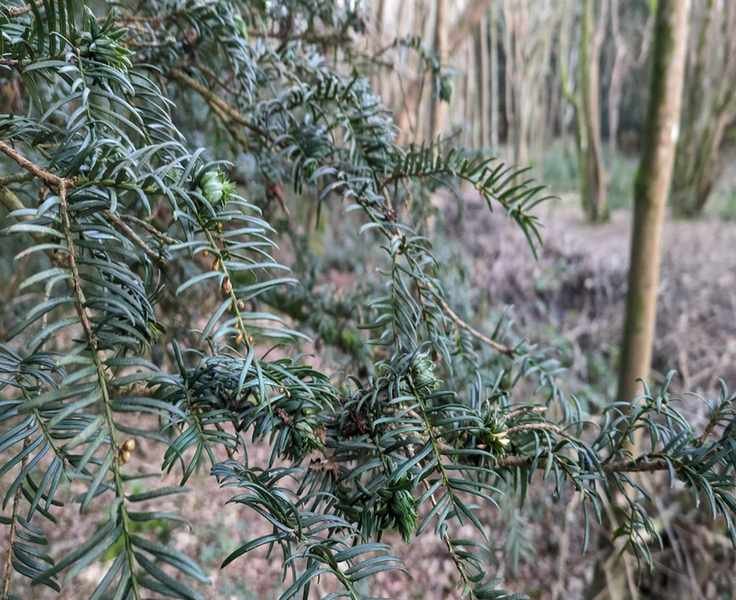
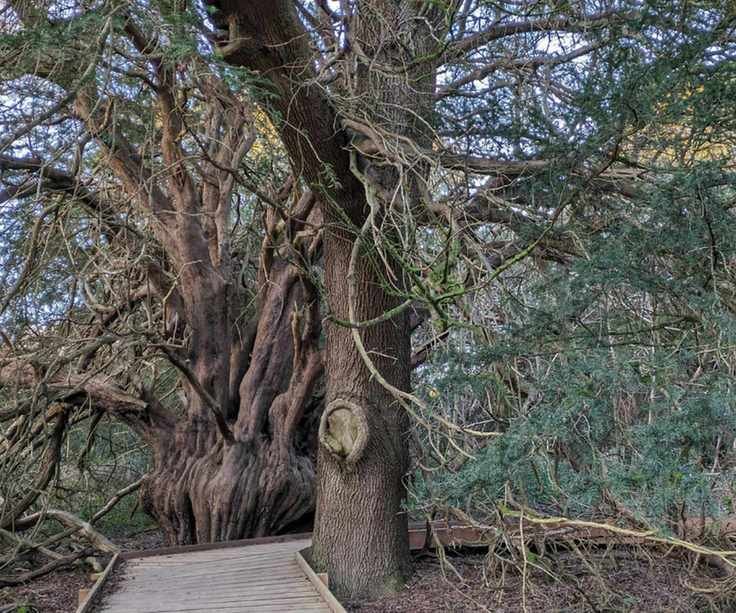
Among these, yew (Taxus baccata) stood out as the most effective species in air pollution removal.
"The yew family is remarkable. The Pacific coast subspecies, Taxus baccata brevifolia, is the source of Taxol, a cancer-fighting medication," states Laurie Wayburn, co-founder and president of Pacific Forest Trust.
"The European yew's slightly broader needles capture more urban pollutants due to their rougher surface texture," she adds.

Laurie Wayburn is a respected innovator in forestry and conservation, advising policymakers across various levels. She develops sustainable resource economies, drawing on her extensive experience in conservation, ecosystem services, and sustainability.
While one might think that trees with denser foliage are better at trapping pollutants, this quality can also prevent effective cleansing during rain.
The findings suggest that stomata, the leaf's tiny pores, are key to trapping pollution. Yew trees, in particular, gather more pollutants on the porous underside of their leaves.
"The secret to trees' effectiveness in combating air pollution lies in their leaves, especially within the stomata," confirms Fern Berg, tree expert and founder of Tree Vitalize.
"Stomata allow for gas exchange, enabling trees to absorb pollutants like carbon monoxide, sulfur dioxide, ozone, nitrogen dioxide, and particulate matter, effectively filtering these harmful elements from the atmosphere," she explains.
Researchers from the University of Surrey also noted that the most efficient leaf shapes were awl-shaped, found on Japanese cedar (Camellia japonica) and Lawson's cypress (Chamaecyparis lawsoniana).

Fern is the founder of Tree Vitalize, nurturing over 100 varieties of native and exotic trees, along with an extensive vegetable and flower garden, and a thriving collection of indoor plants.
Purchase Yew Trees Online
Hicks Yew
Also referred to as Upright Yew Hicksii, Hicks Yew is a fantastic evergreen shrub that adds year-round charm to your garden or landscape.
Yew Podocarpus
This versatile plant can easily be shaped into a shrub, tree, or even bonsai. It's low-maintenance and thrives in various conditions, showcasing vibrant green foliage with a unique texture.
Hicks Yew Tree
Commonly known as Hicks Yew, the Hicksii Yew offers multiple uses in the landscape, excelling as a hedge, screening, or foundation plant when grouped together.
What are the Best Outdoor Plants for Removing Pollutants?
In addition to the effective trees that combat air pollution, shrubs and hedges also serve as excellent options. Plants with woody structures effectively capture carbon, while those with textured leaves can retain pollutants. The key is their ability to release these contaminants to the ground during rainfall.
Trees that trap pollutants on their leaves and release them during rainfall are the most efficient for improving air quality. Additionally, consider adding indoor plants that purify your home environment for a fresher atmosphere.