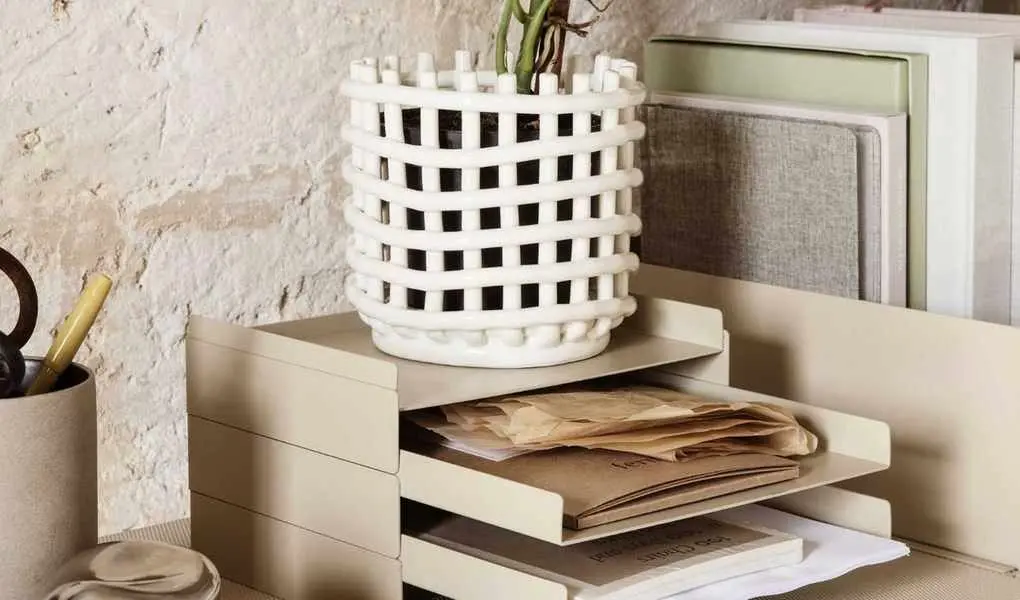
In today's digital world, we often overlook how we manage physical paperwork, leading to clutter in spaces like home offices and entryways.
Alongside eliminating paper clutter, organizing your paperwork is vital for keeping essential information secure and readily accessible, as advised by professional organizers.
Below are six effective strategies to help you create an efficient filing system at home, ensuring nothing is misplaced.
Organizing Your Home Paperwork
Start by gathering all your paperwork into one location. This may involve decluttering your home office, organizing your entryway, and tidying up your living room to find every stray document that could be useful.
With everything in one place, you can begin sorting through the junk and organizing what's necessary.
1. Implement Wall Organizers

For paperwork that requires regular access—like bills and insurance documents—keeping them within reach is beneficial. Barbara Brock, a professional organizer, recommends utilizing wall storage solutions to maximize space.
'When organizing a home office, consider vertical filing systems that attach to the wall to save space,' she suggests.
Amazon's Choice
EASEPRES 5 Pocket Mesh Hanging Wall File Organizer
This compact wall storage unit is versatile enough for paperwork and magazines, featuring label slots for a quick home organization system.
2. Use Containers for Paper Management

For papers you need to keep yet don't access frequently, a storage bin or basket can effectively keep them tidy and out of sight.
'Containers are excellent for gathering and managing clutter,' says Barbara Brock. 'Using stackable, clear bins makes it easy to identify and sort papers.'
Set of 4
Sorbus 4 Piece Stackable Document & Paper Storage Box Set
This organizing set keeps all your paperwork in one location. It includes various bin sizes suitable for everything from A4 sheets to envelopes, making it ideal for office organization.
3. Utilize File Folders
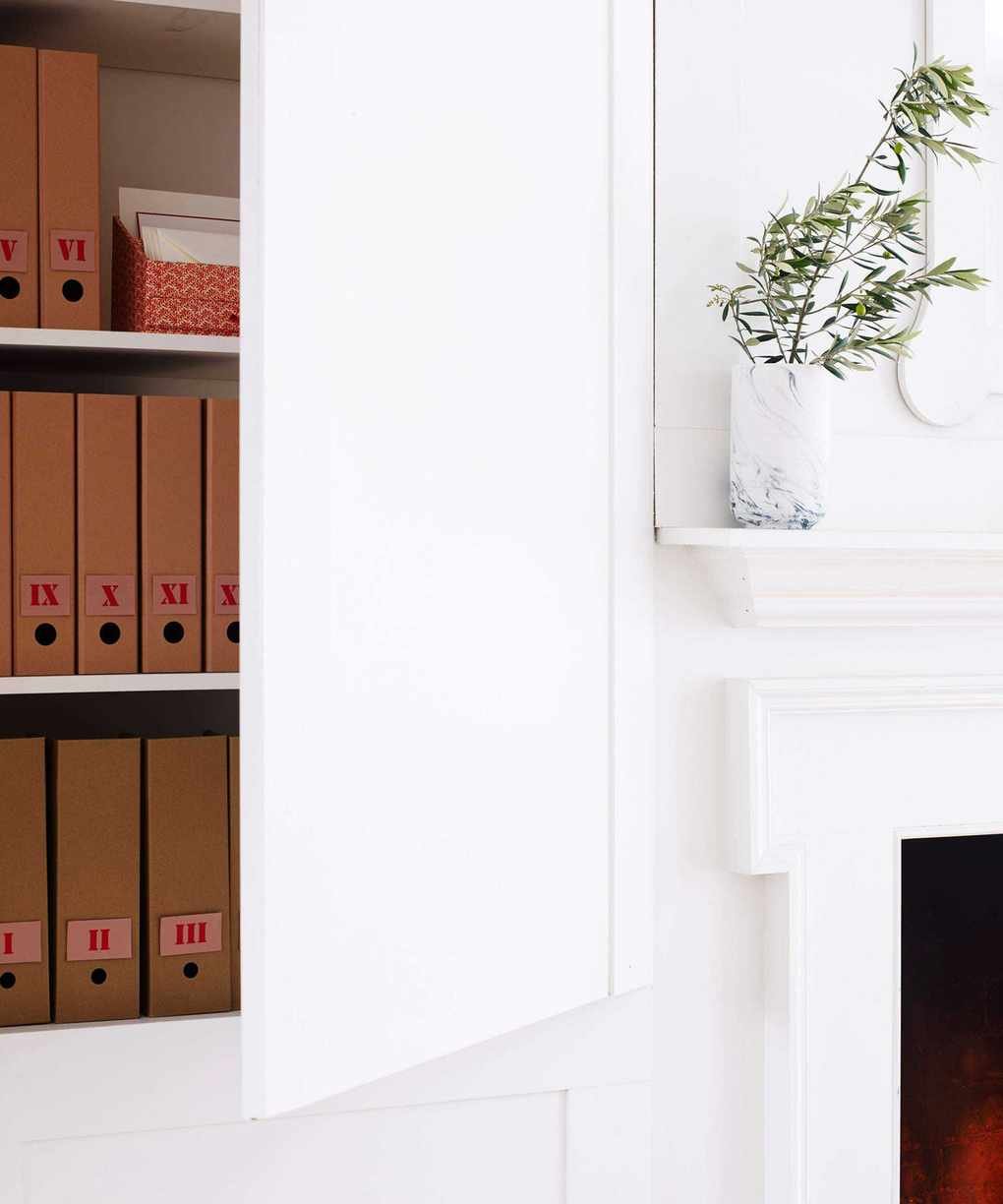
If you only have a small quantity of documents, using a file folder can help you categorize and safeguard them within a drawer.
Label each section and promptly slot paperwork in after dealing with it, from medical records to appliance manuals. It's a compact and effective organizing strategy.
Amazon's Choice
SKYDUE Expanding File Organizer
This file organizer features eight pockets and customizable labels, making it perfect for neatly storing small amounts of paperwork for easy access.
4. Keep Quick-Access Documents on Your Desk

If wall storage isn't feasible, incorporate document storage into your desk setup when organizing your desk.
Amanda Schmitt, a lifestyle blogger, notes, 'I use desktop organizers for bills, important mail, and tasks needing attention. I designate drawers for key documents like tax returns and insurance papers.'
Available in two colors
Mesh Stackable Letter Organizer
No matter your office layout, this stackable mesh organizer helps keep daily documents and letters organized and easily accessible.
5. Digitize Important Files
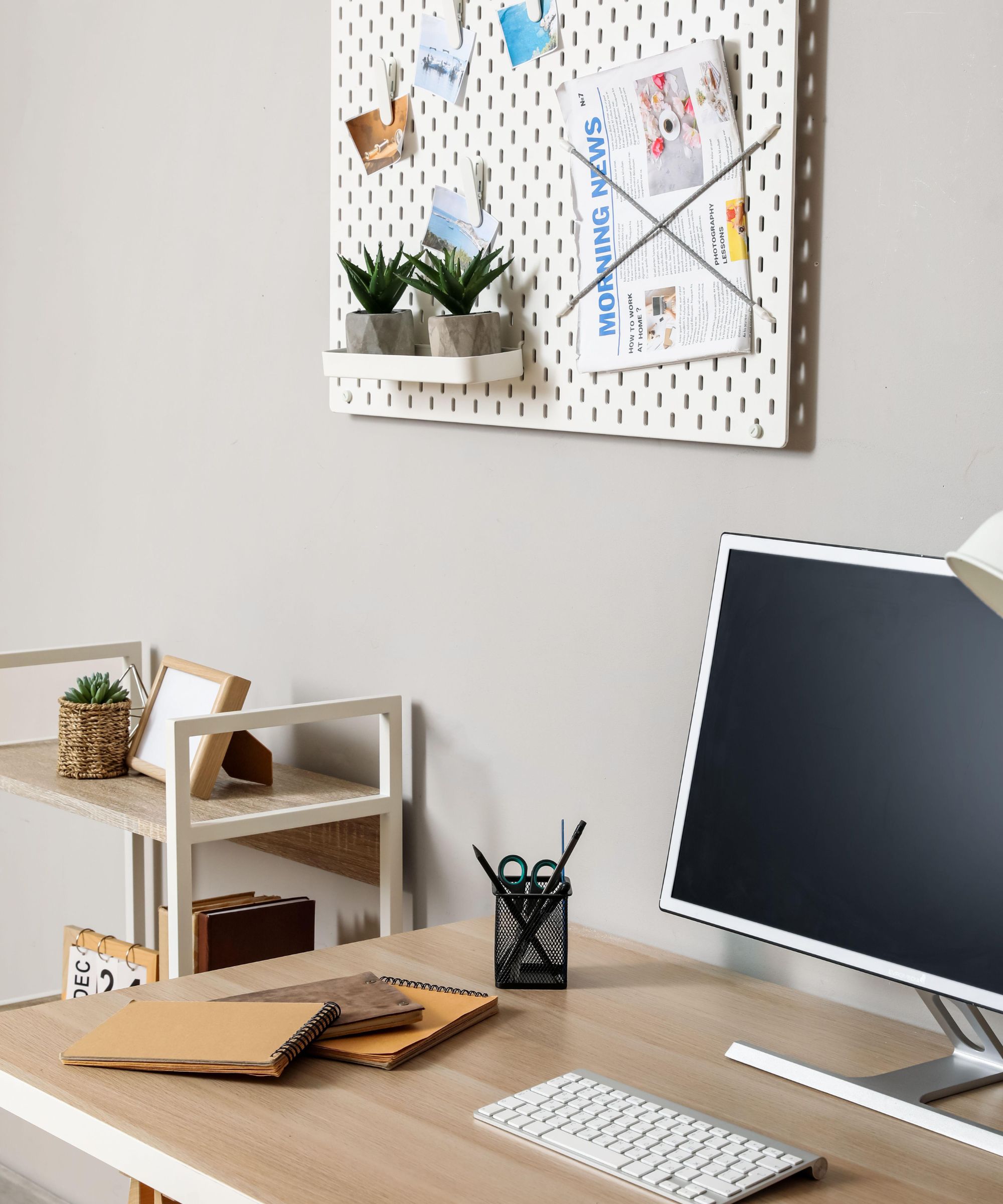
As paper remains one of the most prevalent clutter types, eliminating it can be beneficial. Before disposing of vital documents, digitize them to maintain important information without physical storage.
Elizabeth Dodson, co-founder of a home management platform, suggests a digital filing system to store essential documents (like mortgages, insurance policies, and legal papers) in a cloud library for convenient access from any device.
6. Secure Sensitive Documents in a Fireproof Safe

Amanda Schmitt emphasizes the importance of protecting certain documents, including birth certificates and legal papers. For these items, investing in a quality fireproof safe is wise. This not only enhances home security against theft but also protects irreplaceable documents from fire damage.
Highly Rated
SentrySafe Waterproof and Fireproof Safe
This highly rated safe is perfect for safeguarding important documents from household disasters.
As you sort through and organize paperwork, remember to shred or burn any documents you no longer need that contain personal information, such as names or addresses.