
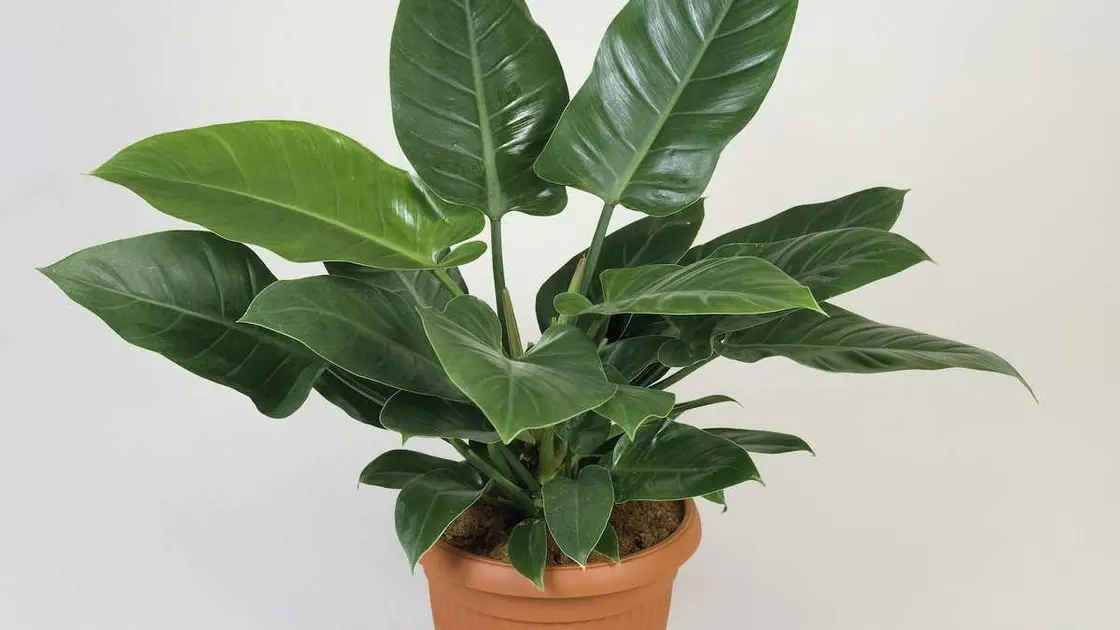
Yellowing leaves on your philodendron signal a problem. Identifying the cause can help rejuvenate your plant and keep it flourishing in your home.
Indoor plants like philodendrons add life and color to your space. While they require minimal care, proper maintenance is essential for their well-being.
If you're wondering why your philodendron is turning yellow, here are expert insights and remedies for each potential issue.
3 Reasons Your Philodendron Leaves Are Yellowing
With various types of philodendrons available, including heartleaf and Jose Buono, these plants can enhance your living space. They are also popular feng shui plants that contribute positive energy to your environment.
Although caring for philodendrons isn't overly complicated, yellowing leaves indicate a need for adjustments in your care routine. Here are the likely reasons.
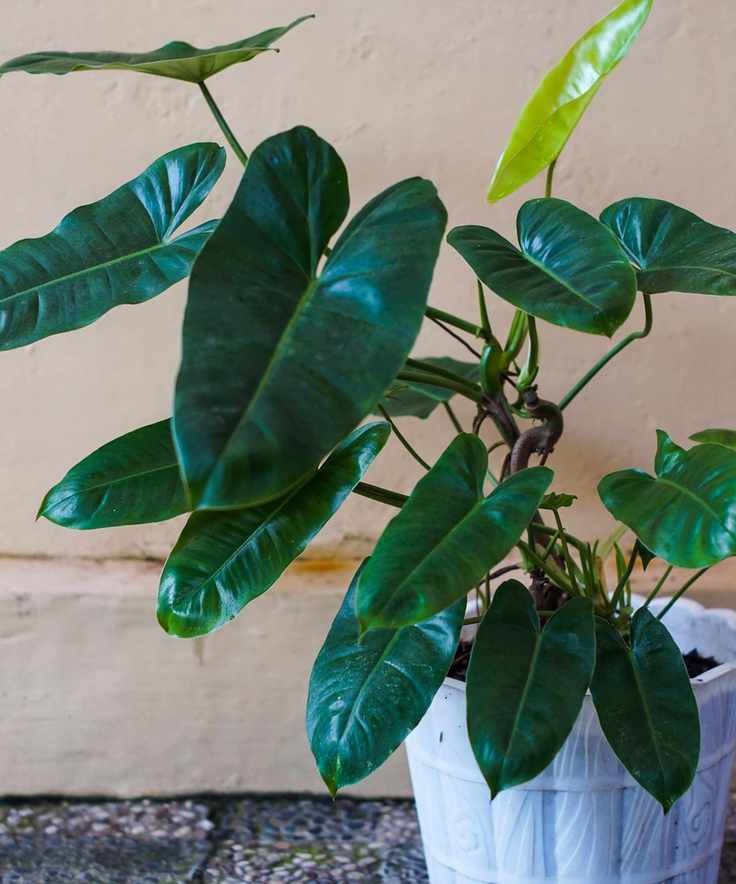
1. Improper Watering
Incorrect watering practices often cause yellow leaves. "Overwatering can suffocate roots and lead to root rot," explains a plant specialist. "This compromises the plant's nutrient absorption, resulting in yellowing leaves. Conversely, underwatering can also cause yellowing due to dehydration. To achieve the right balance, ensure the soil is well-draining and allow the top inch of soil to dry out before watering thoroughly. Avoid letting the plant sit in water and regularly check moisture levels, especially with changing seasons."
2. Insufficient Light
Your philodendron requires adequate light to thrive. "Inadequate light can lead to yellow leaves," an indoor plant expert notes. "If your plant lacks enough light, older leaves will yellow and drop off. To prevent this, provide bright, indirect light. Position the plant near a window rather than to the side or far away."
"If natural light is limited, consider using a grow light to supplement it," they suggest.
3. Pest Infestations
Pests can also be responsible for yellowing leaves. "Common pests like spider mites, aphids, and mealybugs feed on the plant's sap, causing wilting and yellowing," the plant specialist warns. "Regularly inspect your philodendron, especially the underside of leaves where pests often hide. If you detect an infestation, isolate the plant to prevent spreading."
"Treat the affected plant with insecticidal soap or neem oil, following the product instructions. These natural solutions can manage pests without harming your plant or the environment. In severe cases, chemical insecticides may be necessary, but use them cautiously according to the directions provided."
Common Questions
Should you cut off yellow leaves from a philodendron?
It's advisable to remove yellow leaves from your philodendron. "Yellowing indicates possible health issues, and removing these leaves can enhance overall growth," the plant expert advises. Use clean scissors or pruning shears for precise cuts at the base of the leaf stem. Avoid tearing the leaves, as that can stress the plant. Properly dispose of the removed leaves to prevent disease or pest spread.
Don't panic if your philodendron's leaves are turning yellow. "Remember, yellow leaves can be part of a plant's natural lifecycle, particularly older leaves that yellow and drop over time," the expert adds. However, if yellowing is excessive, it's crucial to address the underlying factors related to watering, lighting, or pests to maintain your philodendron's vibrancy.



