
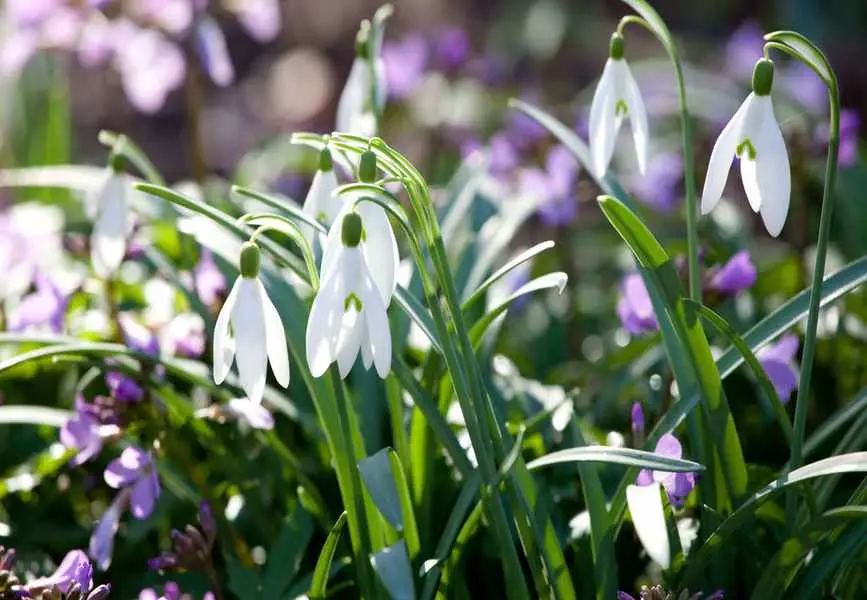
Planting snowdrops opens the door to welcoming their charming white blooms that grace gardens from late winter. These early signs of spring can be enjoyed from January to April with the right varieties.
Snowdrops are hardy and easy to grow, showcasing various sizes, shapes, and colors. Some types naturalize easily, while others are sought after for their uniqueness.
Each snowdrop produces a small, often fragrant flower that elegantly bends toward the ground, capable of reopening even after freezing temperatures.
These flowers make a striking addition to any garden, whether planted in drifts beneath trees, in beds, rock gardens, or containers.
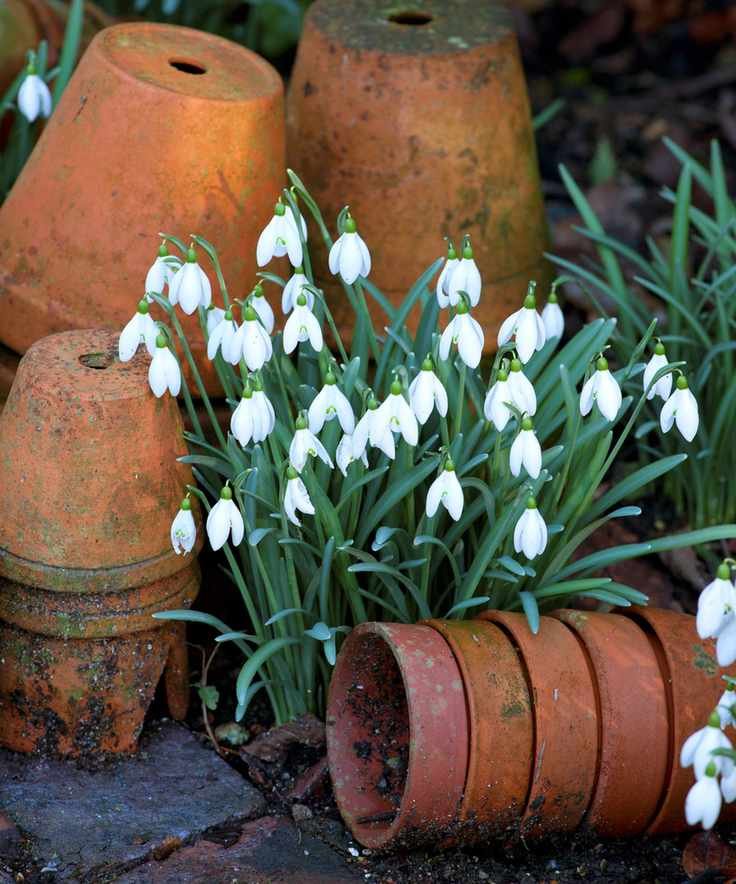
Planting Snowdrops in Your Garden
As members of the amaryllis family, snowdrops may appear delicate, but they are quite resilient and perfect for winter gardens.
If you're new to growing them, consider starting with naturalizing varieties like the common Galanthus nivalis and G. elwesii, which bloom earlier in January and are among the easiest to cultivate.
These flowers thrive in regions with both cold and moderate winters, with colder climates extending their blooming period. However, they struggle in warmer areas like Florida.
To achieve the best results, mimic their natural habitat. 'Woodland environments are ideal for snowdrops, ensuring they return each year if winter temperatures stay low,' say experts from the Chicago Botanic Garden.
For a natural appearance, scatter the bulbs and plant them where they land. Given their rapid multiplication, ensure you allow room for clumps to grow.
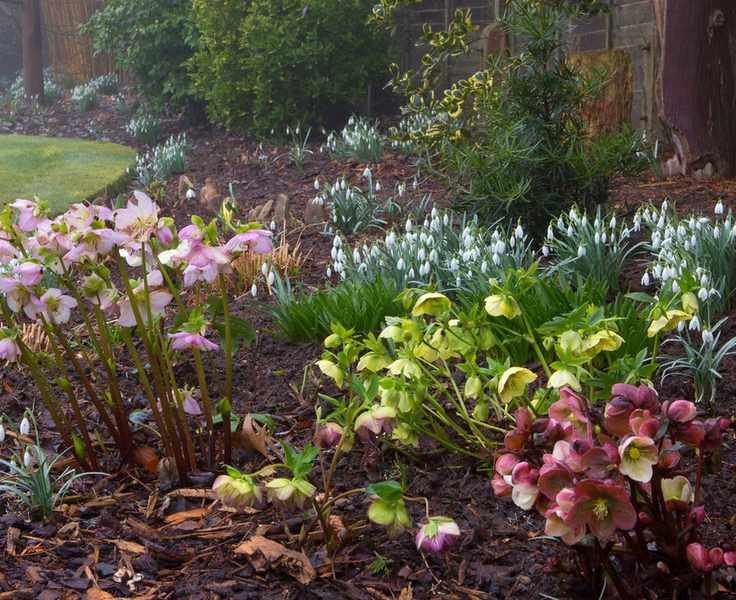
Best Months for Planting Snowdrops
There are two optimal times to plant snowdrops:
- Plant bulbs in the fall for blooms in late winter and early spring.
- Purchase young snowdrop plants 'in the green' in spring.
Buying bulbs in fall is often the more economical choice, but it may not yield the best results. Ensure the bulbs are fresh and plant them promptly since they have a short availability window.
After planting, leave the bulbs undisturbed for a few years until they appear overcrowded. At that point, lift, divide, and replant them,' suggests gardening expert Sarah Raven.
Buying young plants in spring is pricier but generally leads to greater success, as these freshly lifted plants are more likely to thrive.
Choosing the Right Location for Snowdrops
Since snowdrops are woodland plants, they thrive in shaded areas under deciduous trees or shrubs. However, they can also flourish in sunnier spots as long as the soil remains moist in summer.
They prefer well-drained chalk or limestone soils rich in organic matter. If your soil is poor, regularly incorporate organic material like mushroom compost, or add grit to heavy soil for better drainage.
Snowdrops create a stunning display whether naturalized in large groups, tucked away in rock gardens, or planted beneath early spring-flowering shrubs.
For optimal viewing of their drooping flowers, plant them in raised beds, walls, or banks.

Planting Depth for Snowdrops
Plant snowdrops at a depth of about three times the bulb's height, typically around 3 to 4 inches (10 cm), and space them 2 to 3 inches apart, according to experts from the Chicago Botanic Garden.
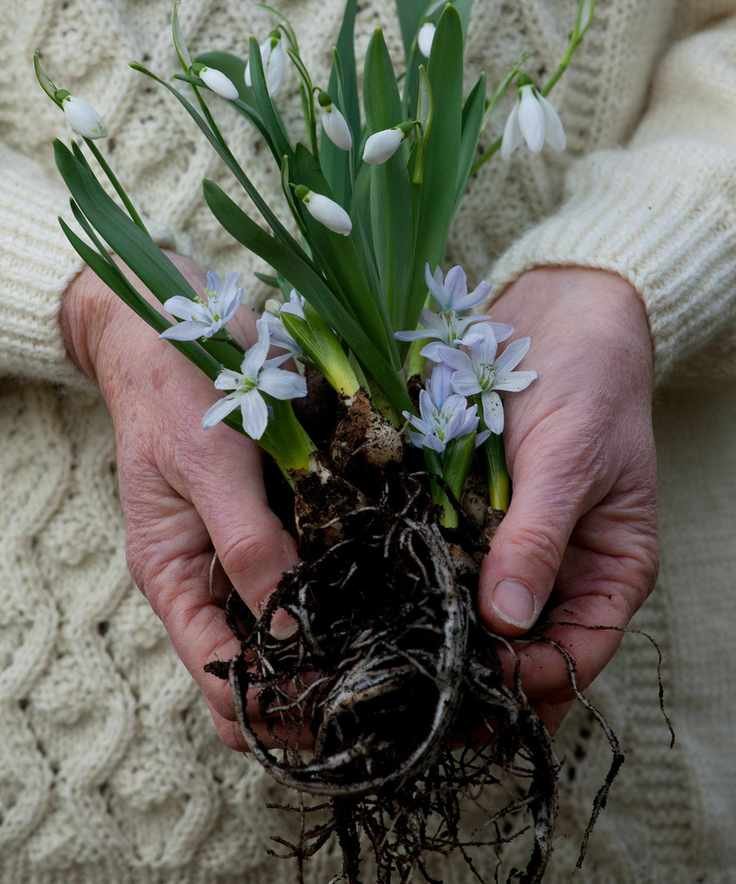
If planting in the green, dig a hole large enough to cover the roots and plant at the same depth they were previously grown. 'You can identify this depth by where the leaves turn white,' notes Sarah Raven.
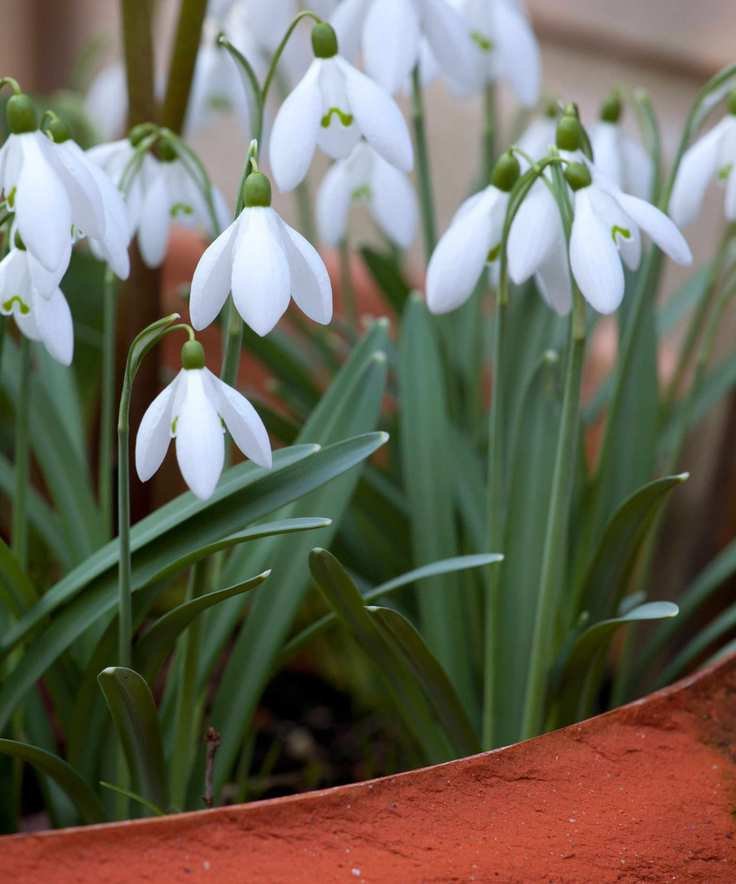
Snowdrops in Containers
Snowdrops are among the top winter plants for pots and borders. They can thrive in containers or hanging baskets, but avoid letting the soil dry out or the container freeze.
When potting snowdrops, use a rich compost blended with leaf mold, and water sparingly until fall. Sarah Raven recommends not leaving them in pots for more than two years; after this, relocate them to your garden for better growth.
You might also dig up clumps as they start to sprout and temporarily plant them in terracotta pots or troughs before replanting them in your yard.
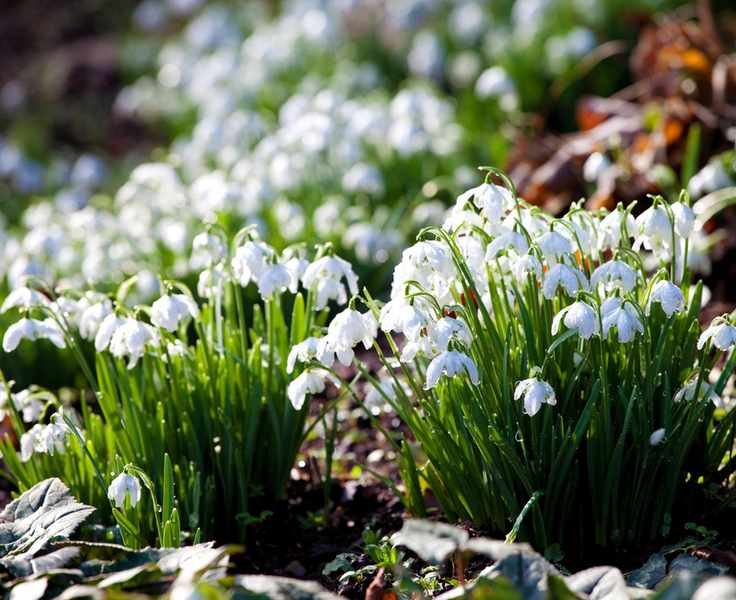
Snowdrop Spreading Rate
Naturalizing snowdrop varieties can quickly spread by forming new bulbs within their clumps and also by seeding.
While snowdrop bulbs can remain undisturbed for years, dividing clumps every few years can enhance their propagation.
'The ideal time to divide snowdrops is just after they finish flowering,' state the experts from the Chicago Botanic Garden.
- Carefully lift the bulbs and surrounding soil with a fork to avoid damaging the roots.
- Replant them immediately in smaller clusters of at least three or four bulbs at the same depth they were originally planted.
- Thoroughly water the newly transplanted bulbs.
Caring for Snowdrops
Once you've learned how to plant snowdrops effectively, you'll find they need minimal care.
Keep the bulbs moist but allow the foliage to die back naturally once established. Snowdrops don't require additional watering when planted in the ground and dislike composted bark,' explains Chris Ireland-Jones, owner of Avon Bulbs.
'Shield them from harsh frosts and plant them where they can enjoy some summer shade,' he suggests.
With a little patience, you can enjoy a stunning display of snowdrops filling your garden each winter and spring.



