

Repotting houseplants is crucial for their well-being, as it allows roots to expand and access fresh nutrients. However, some plants can thrive in snug containers for extended periods.
Neglecting to repot can lead to issues like yellowing leaves and stunted growth, as roots can become tangled and trapped. Certain houseplants are more adaptable to being pot-bound, making them ideal for busy plant parents. Here's a selection of eight indoor plants that do well without frequent repotting.
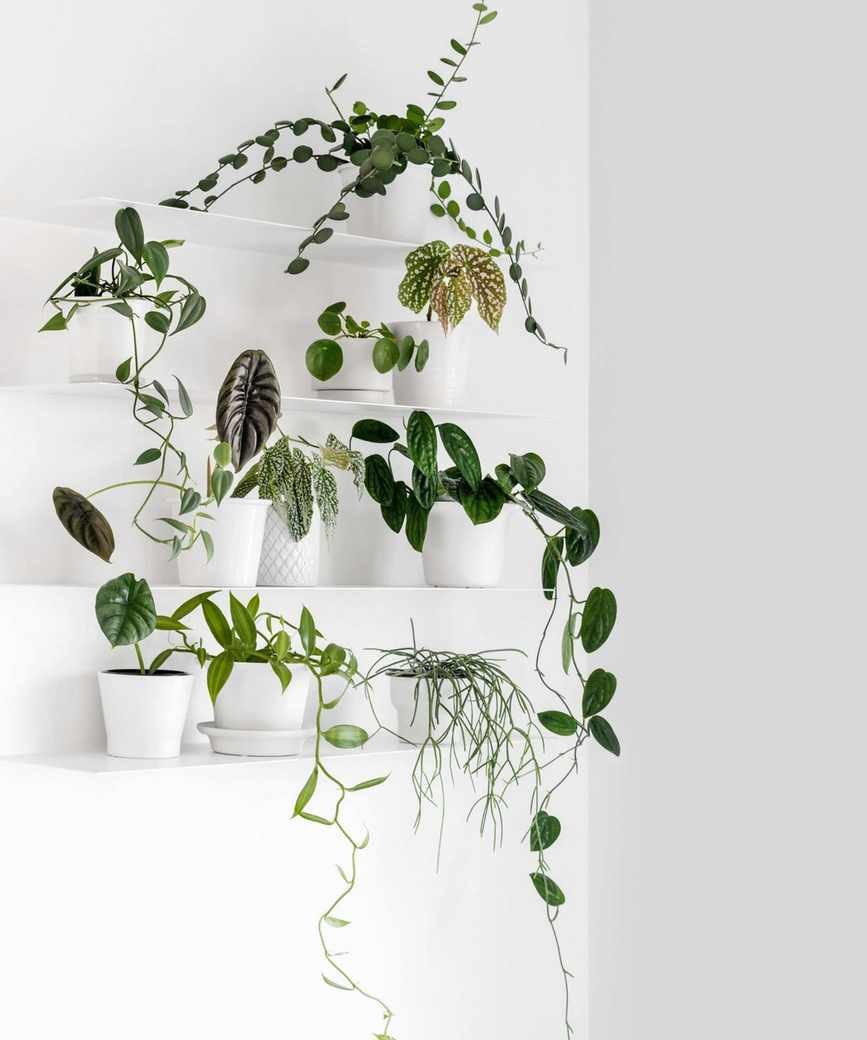
8 Indoor Plants That Prefer Being Pot-Bound
While these plants can handle being pot-bound, they still require monitoring. Signs like roots poking through drainage holes or leaves turning yellow indicate it's time for a larger pot. Here are houseplants that generally do well in tighter spaces.
1. Spider Plant
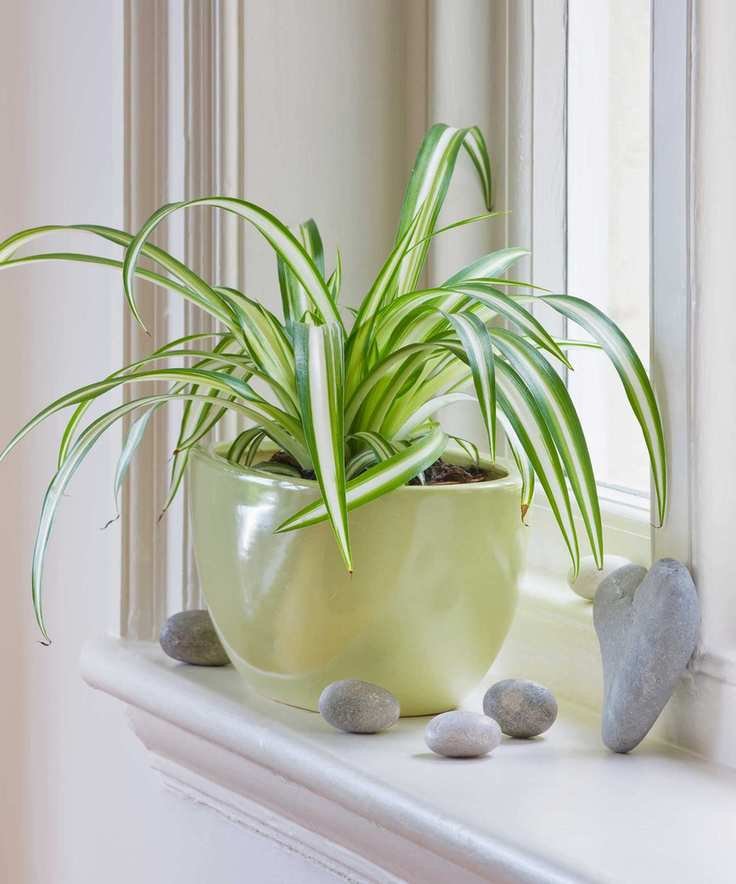
One of the simplest houseplants to maintain, the spider plant thrives with minimal care and can stay in the same pot for a couple of years.
According to an expert, spider plants actually prefer being somewhat root-bound and may struggle if placed in a container that's too large.
Excess moisture can lead to root rot, so wait to repot until roots are visible through drainage holes. If your spider plant starts yellowing, it's time to check its roots.
2. African Violet
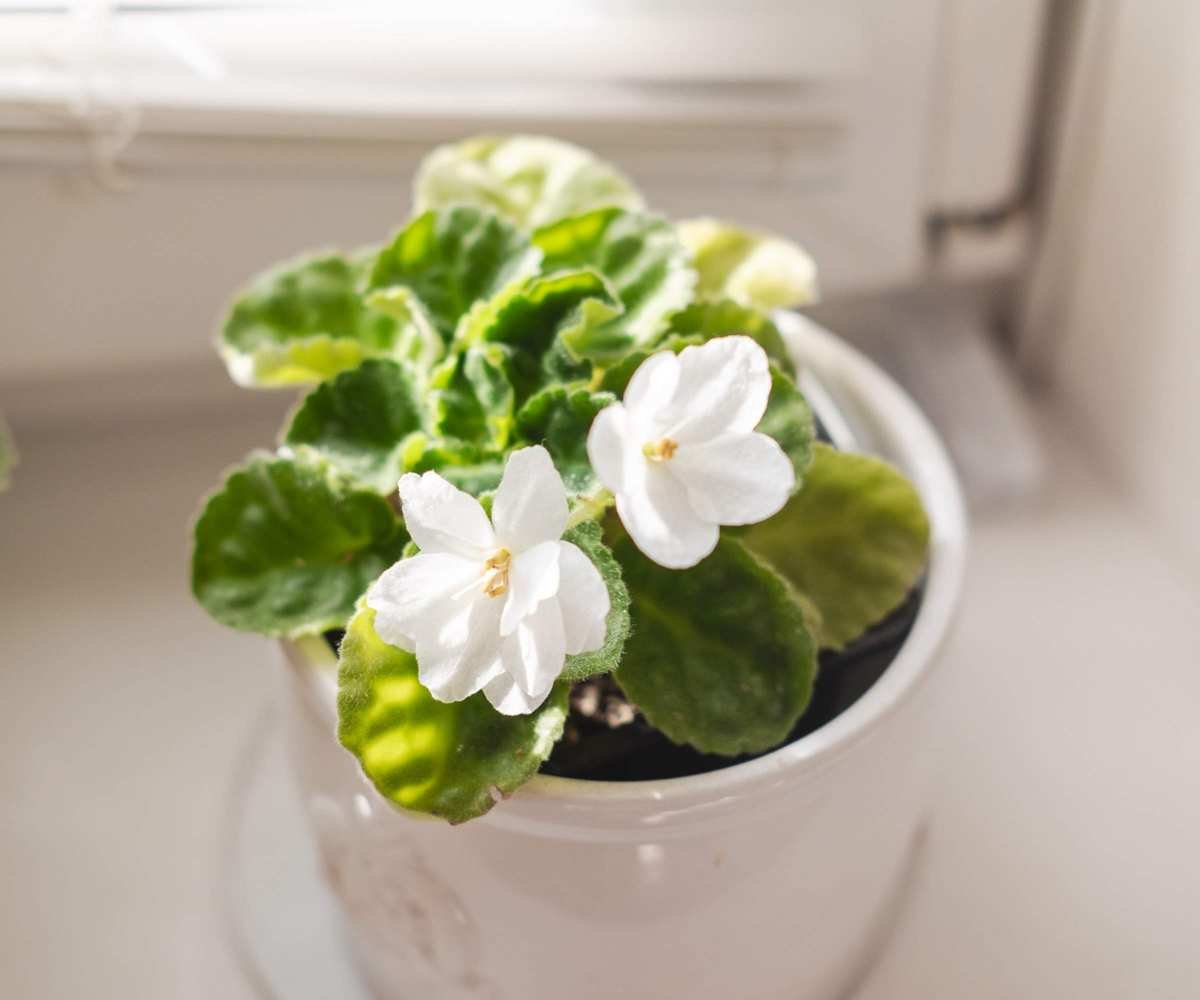
Even flowering houseplants like African violets can handle being pot-bound. These resilient plants enjoy snug pots.
When they start losing leaves or growing long stems, it may be time to repot. A standard 4-inch pot is usually sufficient, and they typically remain happy for about a year.
3. Jade Plant

Jade plants are slow-growing succulents, expanding only about two inches a year, making them low-maintenance in terms of repotting.
These plants thrive when slightly root-bound, but be cautious about repotting too soon. Look for signs like rapid water drainage to determine when to repot, usually every three to four years.
4. Alocasia

Alocasias are another low-maintenance choice, thriving in tighter pots while doing well in lower light conditions.
They may droop if moved to a larger pot too quickly. Repotting every 18 months is typically needed, especially if watering isn't effective.
5. Hoya
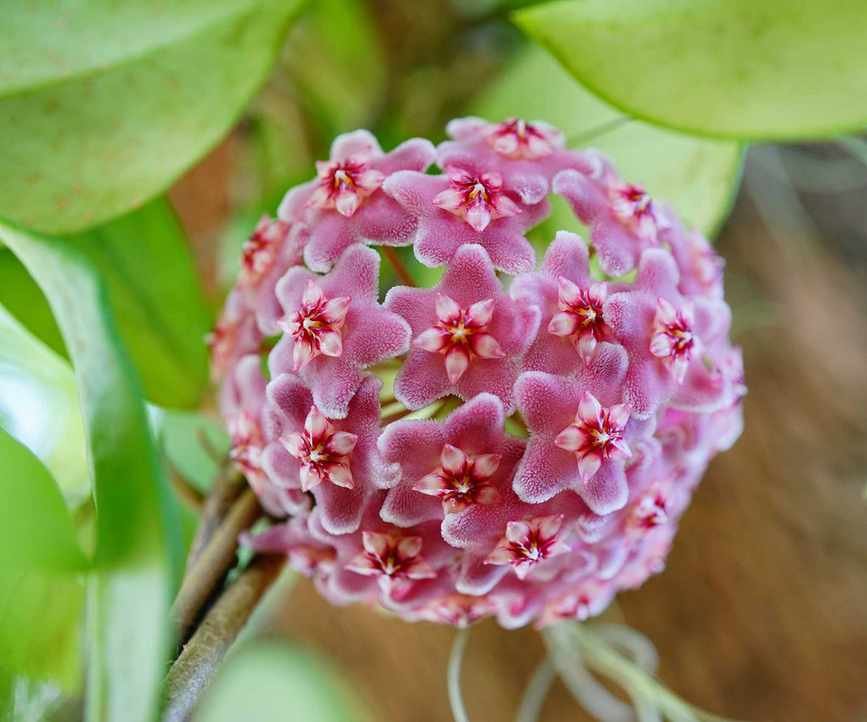
For beautiful blooms with minimal effort, hoyas are a great option. These plants can stay in the same pot for up to five years.
They prefer snug conditions and may not flower if repotted too soon. Wait until roots are visible before considering repotting.
6. Snake Plant
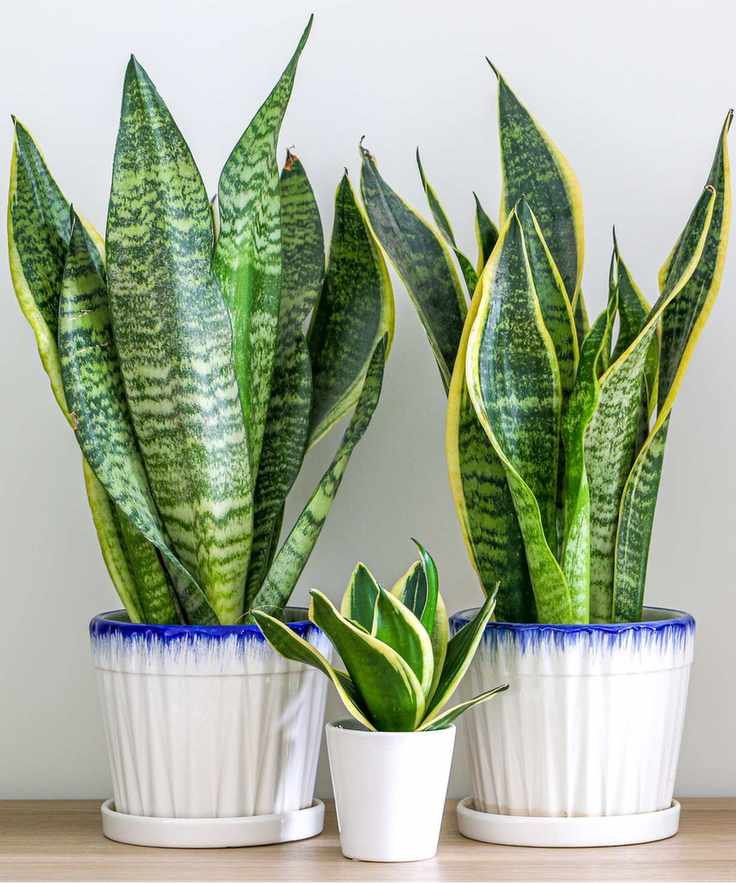
A favorite for beginners, the snake plant is incredibly easy to care for and rarely needs repotting.
These plants prefer being root-bound, and repotting should happen only when they become top-heavy. Keep an eye on sunlight exposure, as they can break pots when thriving.
7. Christmas Cactus
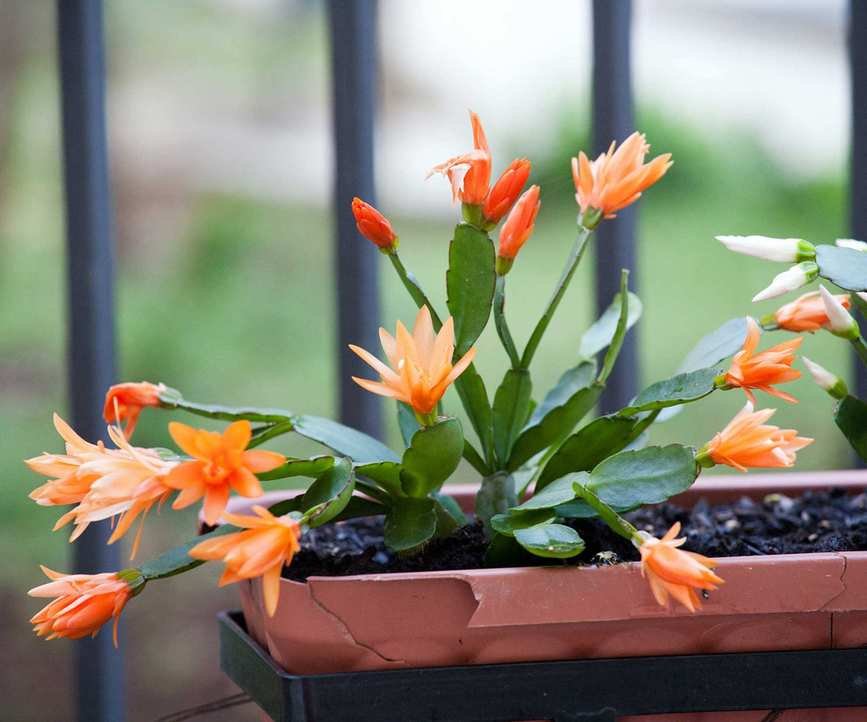
Christmas and Thanksgiving cacti thrive without frequent repotting. Repotting too often can hinder their blooming process.
Only repot these plants every couple of years, ensuring they have a strong root system first.
8. Kalanchoe
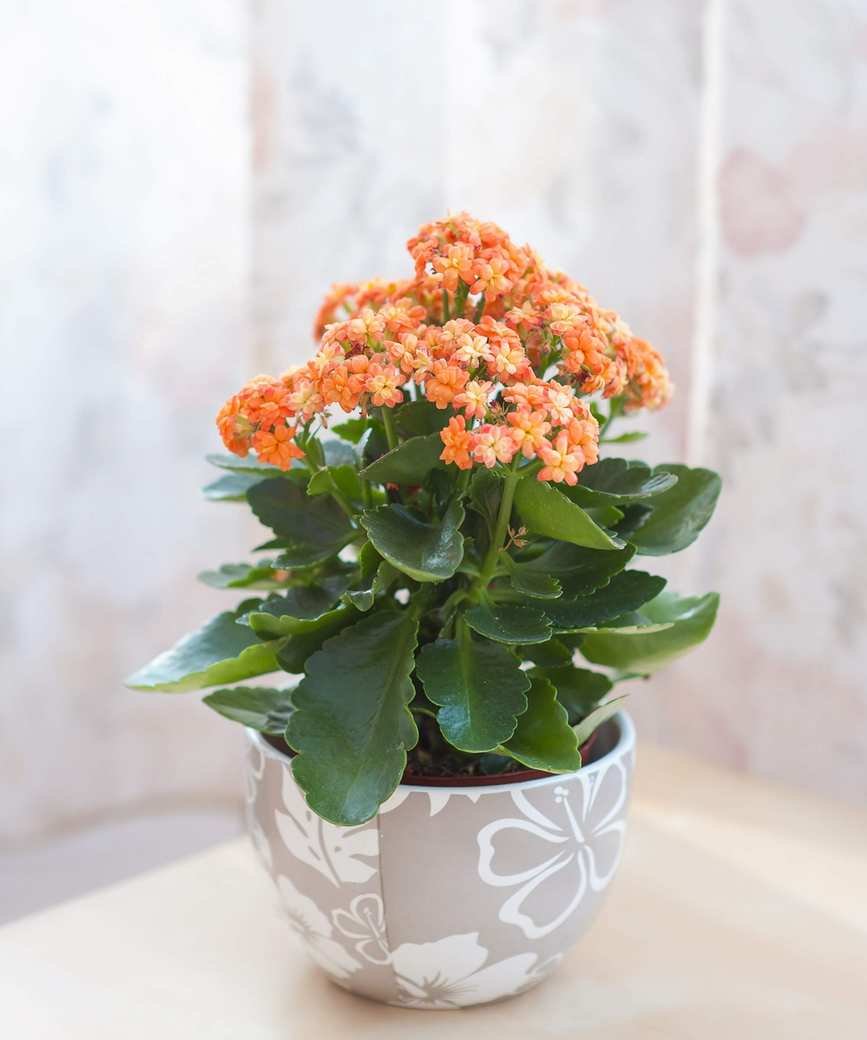
Kalanchoes are popular for their year-round blooms. This succulent is slow-growing and prefers tight conditions.
To avoid root rot, allow the soil to dry between watering, and repot only after blooming has finished.
Plant Care Tips
How to Remove a Pot-Bound Plant
Removing a pot-bound plant can be tricky. Gently squeeze the sides of the pot or run a knife around the edge to loosen it. If necessary, you can cut the plastic pot open.
Can You Prune Houseplant Roots?
Yes, you can prune roots to promote healthier growth. Just ensure not to remove more than a third at a time to avoid shocking the plant. Use sharp tools for best results.
If you're starting your plant journey or seeking low-maintenance options, these pot-bound plants are an excellent choice. When it's time to repot, aim for early spring to encourage growth.



