Parsnips are valued for their sweet and flavorful tap roots, making them a popular choice in many kitchens. Grown annually from seed, they thrive when sown in spring and can be harvested from fall through winter and into spring.
I've enjoyed cultivating parsnips for years, growing them in my vegetable garden to sell during the colder months. I’ve also supplied a local restaurant with fresh produce from my kitchen garden.
Harvesting parsnips typically starts when the tops die back, with many growers opting to wait until the initial frosts hit. This ensures the roots are at their sweetest.
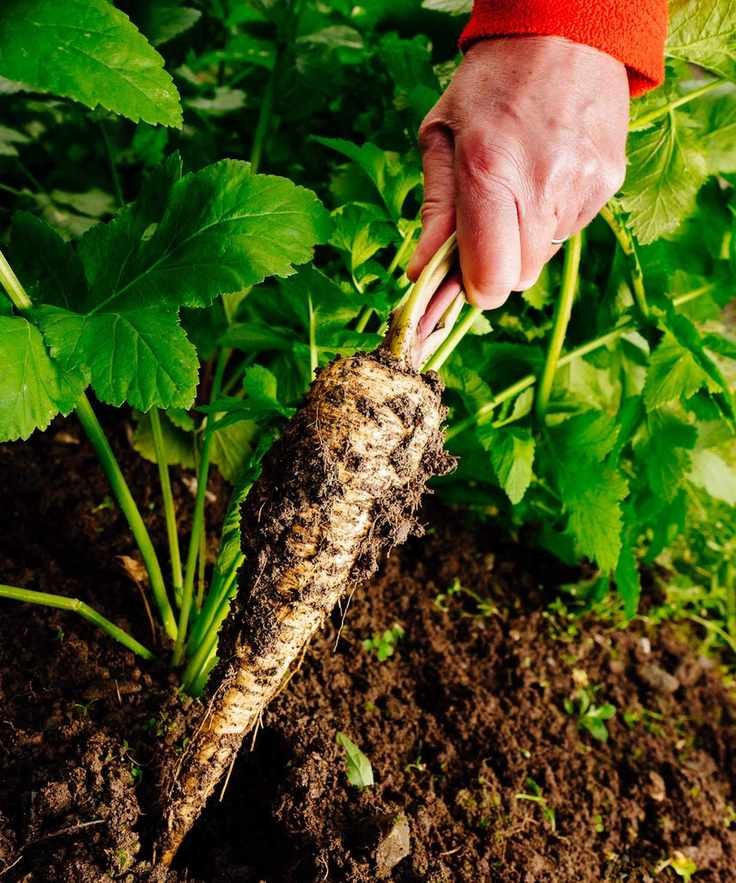
Careful lifting is necessary when harvesting parsnips
Timing Your Parsnip Harvest
Parsnips require a lengthy growing period, often needing at least 120 days to mature. While harvesting can begin in the fall, waiting for the first frosts enhances their sweetness.
According to a horticultural expert, “Frost converts starches into sugars, making parsnips sweeter. It’s ideal to harvest after a few frosts but before the soil freezes.”
These resilient vegetables can remain in the garden throughout winter, allowing for harvest whenever needed. A layer of straw can help protect them from freezing ground conditions. If the soil becomes overly wet, it’s best to lift and store the parsnips to avoid rot.

Harvest parsnips throughout winter as needed
Identifying When Parsnips are Ready
Understanding the timing for your garden is crucial. Refer to seed packets for accurate sowing and harvesting guidelines. Parsnips should be sown in spring, directly into warm soil, and are ready to be harvested starting in the fall.
Watch the foliage for signs that harvesting time has arrived. As temperatures drop, the leaves will begin to die back, turning yellow, indicating that growth has stopped. This, along with the onset of frost, signals that it’s time to start harvesting.
As the foliage dies completely, marking the rows can help you locate the roots under snow cover.

Parsnips are prized for their tap roots, available in long and short varieties
Simple Steps for Harvesting Parsnips
Harvesting parsnips is straightforward. If you’ve ever harvested carrots, the technique is similar, though parsnips can be larger and slightly more challenging. Using garden tools is key; pulling them by hand can easily break the root.
Wearing gardening gloves is recommended since contact with the foliage can irritate the skin.
A garden fork works best for loosening parsnips. Insert it deep into the soil near the root to gently lift it out. If you encounter resistance, dig around the surface or try from the other side. Avoid pulling the root by its foliage.
Trim most of the foliage, leaving about an inch above the root. Parsnips can be harvested throughout winter as needed, remaining in the ground until December and even into the new year.
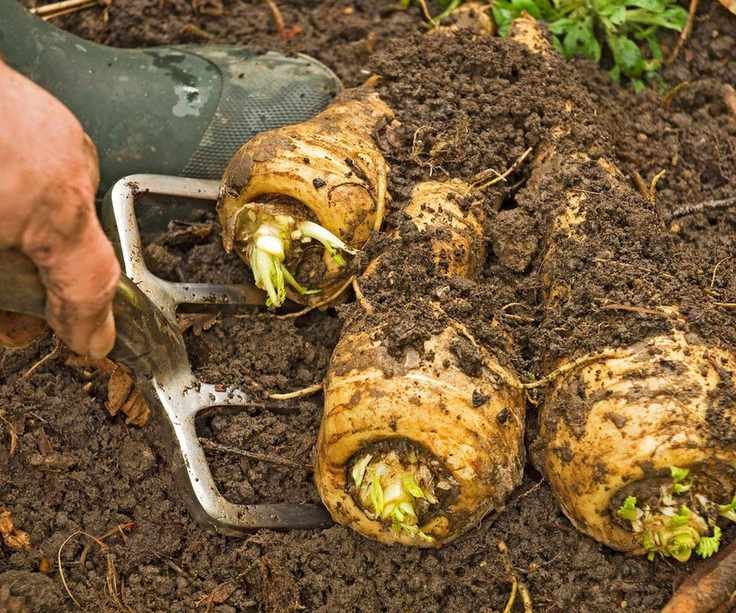
A garden fork is perfect for harvesting parsnips
Storing Parsnips After Harvest
Store parsnips in boxes kept in a cool, dry location. Avoid washing them, as moisture can affect their storage life. Place the roots in boxes without touching each other and cover with moist sand or sawdust. A suitable container could be a Root Storage Bin. Keep the storage at around 32-40°F in a dark, cool area like a basement. With proper storage, parsnips can last up to six months.
If unwashed, parsnips can stay fresh for up to two weeks in a refrigerator's vegetable drawer, or you might freeze them. Blanching them in boiling water for two minutes beforehand helps maintain their color and texture. Frozen parsnips can last up to 12 months.
Frequently Asked Questions
Can parsnips stay in the ground all winter?
Yes, parsnips can remain in the ground through the winter until spring. Being biennial, they should be harvested before warmer weather prompts new growth. If left too long, they can become woody and eventually flower, at which point they are no longer suitable for eating.
Growing parsnips can be a rewarding experience. While they may not be the quickest or easiest crops to cultivate, the satisfaction of harvesting long, straight roots makes it all worthwhile.
Once you’ve grown, harvested, and prepared your own parsnips, you’ll discover they far exceed anything found in stores.