
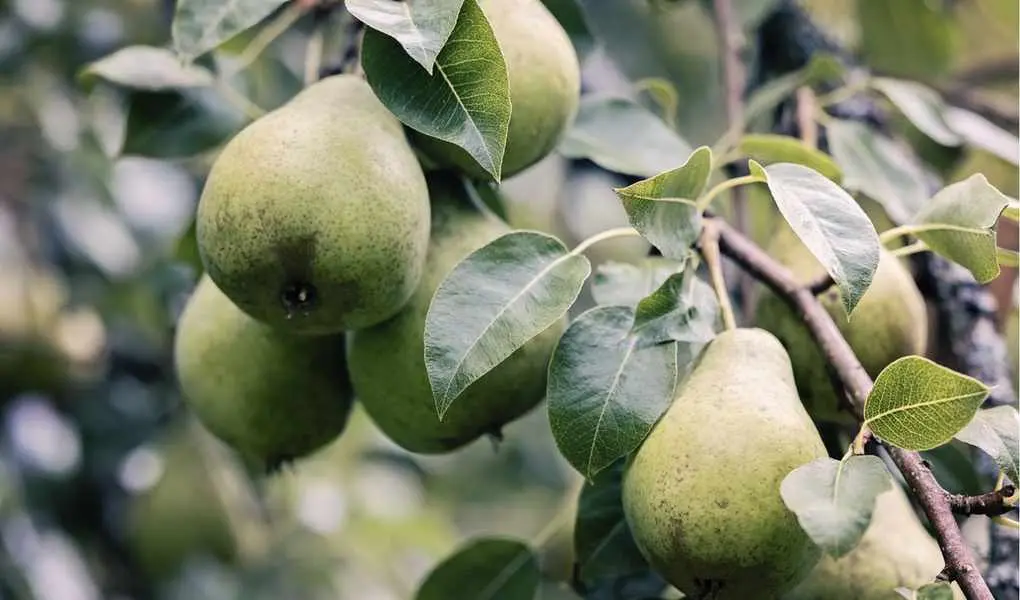
Harvesting fruit from your garden is a joy for many gardeners, especially in late summer and early fall. It can be disheartening when your trees don't yield a good harvest despite your care.
Pear trees are typically slower to bear fruit compared to other fruit trees. Inadequate growing conditions can further delay fruit production, leaving your tree empty by summer's end.
No need to fret. Whether your pear tree is grown as an espalier or in a container, there are several strategies to tackle fruitlessness, and we'll outline them below.
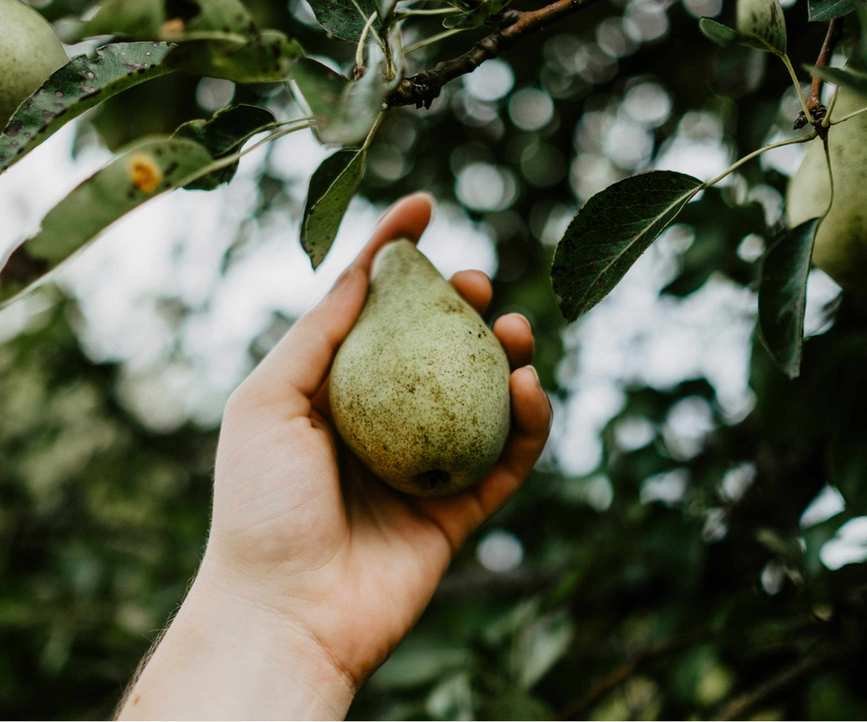
3 Strategies to Encourage Pear Tree Fruiting
Before making changes to your pear tree's environment, remember that young trees generally won't bear fruit. Typically, they begin producing after three to seven years of growth.
"You might enjoy a good harvest one year and a sparse yield the next. It's just part of the tree's nature," says Annette Hird, a gardening expert.
If your mature pear tree isn't producing, consider these tips to boost fruiting potential.
1. Ensure Ample Sunlight for Your Pear Tree
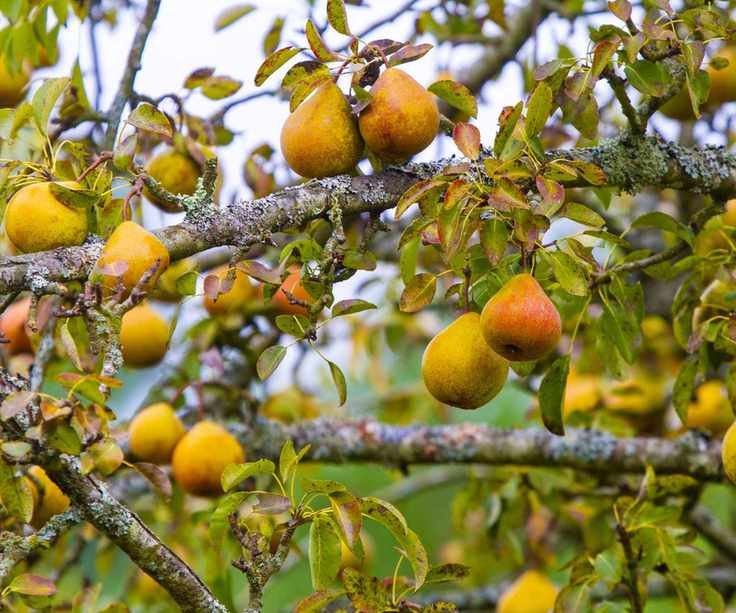
Similar to how you would encourage a blueberry bush to bear fruit, providing your pear tree with sufficient direct sunlight is crucial for healthy growth and fruit production.
"Pear trees thrive with a minimum of five to six hours of direct sunlight daily," states Tammy Sons, a horticulturist. Despite the 3,000+ pear varieties available, they generally flourish in zones four to nine.
Protect your trees from strong winds and select a warm location, such as near a south-facing wall. If you can't provide a sunny spot, consider growing your pear tree in a pot and placing it in a bright conservatory or greenhouse with a grow light.
2. Boost Potassium Levels in Your Soil
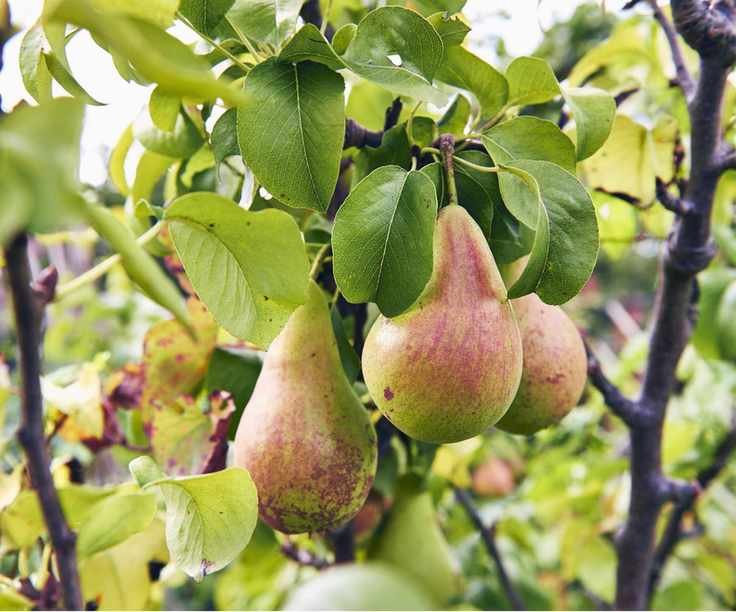
If your tree is lacking fruit, it may be due to a nutrient deficiency, particularly potassium, which is vital for fruit trees.
Fertilizing your fruit trees with a product high in potassium is a great start. Look for fertilizers with a high number in the third position of the NPK ratio.
A suitable choice is this fruit tree fertilizer from Amazon. Apply it in late winter before the tree wakes from dormancy to ensure nutrient absorption.
Homemade fertilizer, like a tomato fertilizer, is high in potassium and beneficial for pear trees.
"I once spread wood ash around a non-fruiting lemon tree, resulting in a great harvest. This method could also work for pears due to the potassium and nutrients in the ash," Annette shares.
3. Maintain Adequate Watering for Your Pear Tree
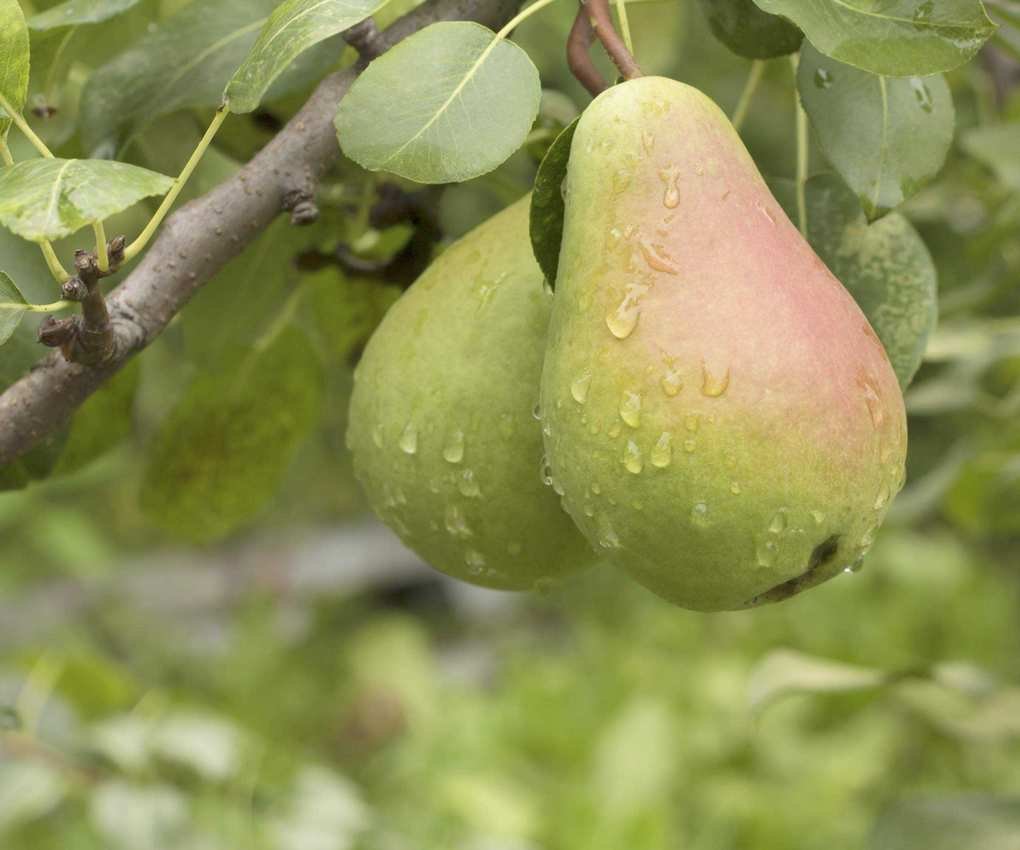
A pear tree won't yield any fruit if it dries out during warmer months. Like many fruit trees, they need consistent moisture to thrive.
"Insufficient water can lead to tiny, shriveled fruits," says Tammy.
Unlike drought-tolerant fruit trees, pear trees struggle without regular watering, especially in hot weather. It's crucial to water regularly while ensuring soil is rich, fertile, and well-drained.
Be cautious, as overwatering can cause root rot. Use this soil moisture meter from Amazon to monitor your pear tree's soil moisture and determine when to water.
Patience is key with pear trees; consistent care and optimal conditions will eventually lead to delightful harvests. If space is limited or you prefer indoor gardening, explore growing some of the best indoor fruit trees.



