
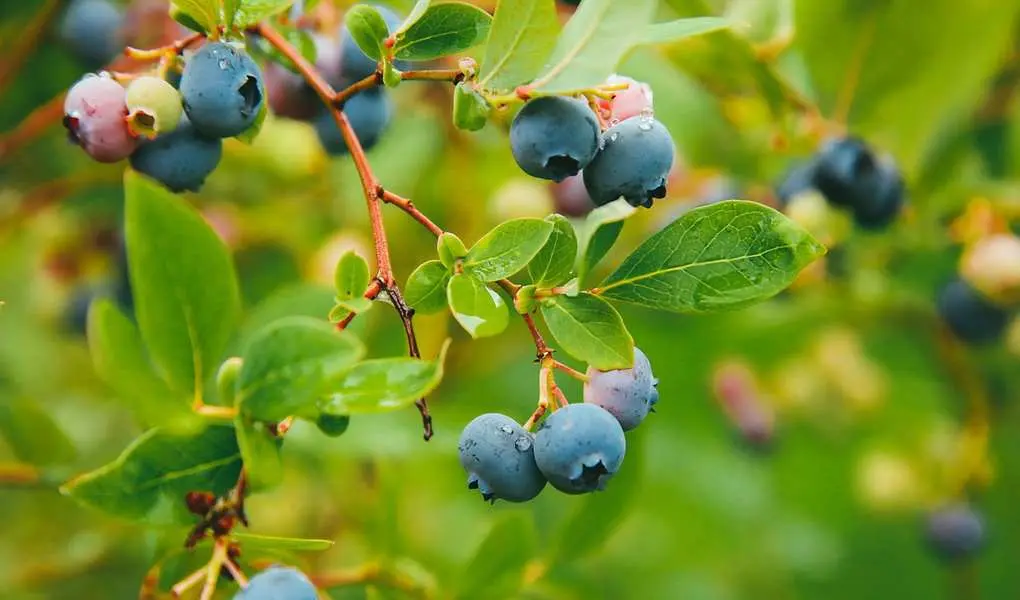
Growing fruit at home is fulfilling yet can be tricky. Your harvest's success hinges on factors like pollination and climate, and blueberries are no exception.
Native to North America, blueberries thrive in warm climates with ample sunlight. If your blueberry bush isn't yielding fruit, don't worry—this is a typical challenge for many gardeners. Understanding the right growing conditions is key to a fruitful harvest.
Experts in fruit cultivation have shared valuable insights to help you maximize your blueberry bush's fruit production.
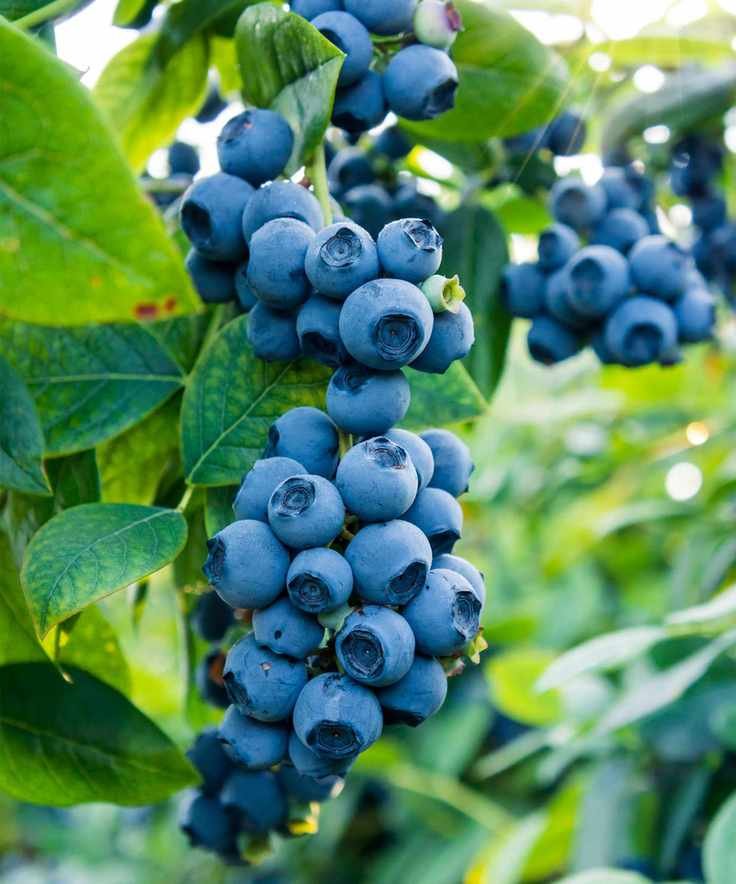
3 Strategies for Fruitful Blueberry Bushes
Blueberries grow on shrubs ranging from 20 inches to 6.5 feet tall. They flourish in US hardiness zones 3 to zone 8, showcasing lovely white flowers in spring and delicious berries from mid-summer to early fall. However, meeting certain essential requirements is crucial for fruiting.
It's vital to know that younger blueberry plants generally won't bear fruit. You can expect a harvest only after a couple of years when the bush is well-established. Here's what experts recommend for enhancing your blueberry bush's fruiting potential.
1. Select Companion Plants That Attract Pollinators

Blueberries, like many fruiting plants, rely on pollinators for fruit development. This involves bees, butterflies, and birds transferring pollen among plants.
A common reason blueberries fail to produce fruit is insufficient pollination. To address this, consider planting pollinator-friendly plants alongside your blueberry bush. 'Incorporating bee-attracting plants enhances pollinators' presence,' suggests a fruit growing expert.
Attracting more bees and other pollinators can significantly increase your chances of a fruitful harvest. By selecting appropriate companion plants, you can create a more inviting environment for pollinators near your blueberry bush.
If you prefer, you can opt for container plants that draw in pollinators, allowing you to position them strategically around your garden.
2. Plant Multiple Blueberry Varieties

Another effective pollination strategy is to diversify the kinds of blueberry bushes you cultivate. This promotes cross-pollination, boosting fruit production.
'Having at least two blueberry bushes of different varieties can enhance your yield. While blueberries can self-pollinate, having two varieties that bloom simultaneously will increase your harvest,' an expert explains.
Cross-pollination often leads to larger yields, a factor applicable to various fruiting plants. Keep this in mind when planning your garden.
Fortunately, there are numerous blueberry varieties available, such as this Brunswick Blueberry Bush and this Duke Blueberry Bush.
3. Ensure Acidic Soil for Your Blueberry Bush

One of the main reasons for a lack of fruit might be unsuitable soil conditions. Not all soil types suit every plant, and the pH level is critical to a plant's success.
'Blueberry bushes thrive in acidic soil with a pH of 4.0 to 5.5,' an expert advises.
You can lower soil pH by incorporating peat moss. Additionally, watering with a blend of water and coffee grounds helps maintain this acidity.
There are several ways to acidify your soil, like adding peat moss or coffee grounds. Testing your soil before planting is essential to ensure it has the right composition for your blueberries.
If you're using pots for your blueberries, select acidic or ericaceous potting soil, such as this potting mix for acid-loving plants.
Will Fertilizing Help My Blueberry Bush Yield Fruit?
It's advisable to fertilize blueberries to promote healthy growth. Blueberry bushes need a variety of nutrients, including nitrogen, making a blueberry-specific fertilizer a wise choice. Fertilizing should occur in early spring before the growing season begins, allowing the plant to absorb nutrients effectively. This helps ensure your blueberry bush remains healthy and primed for fruit production.
While pollination and soil acidity are crucial for successful blueberry growth, additional care such as proper pruning can further enhance your bush's yield. Research the best times to prune to avoid hindering growth.



