Sleep
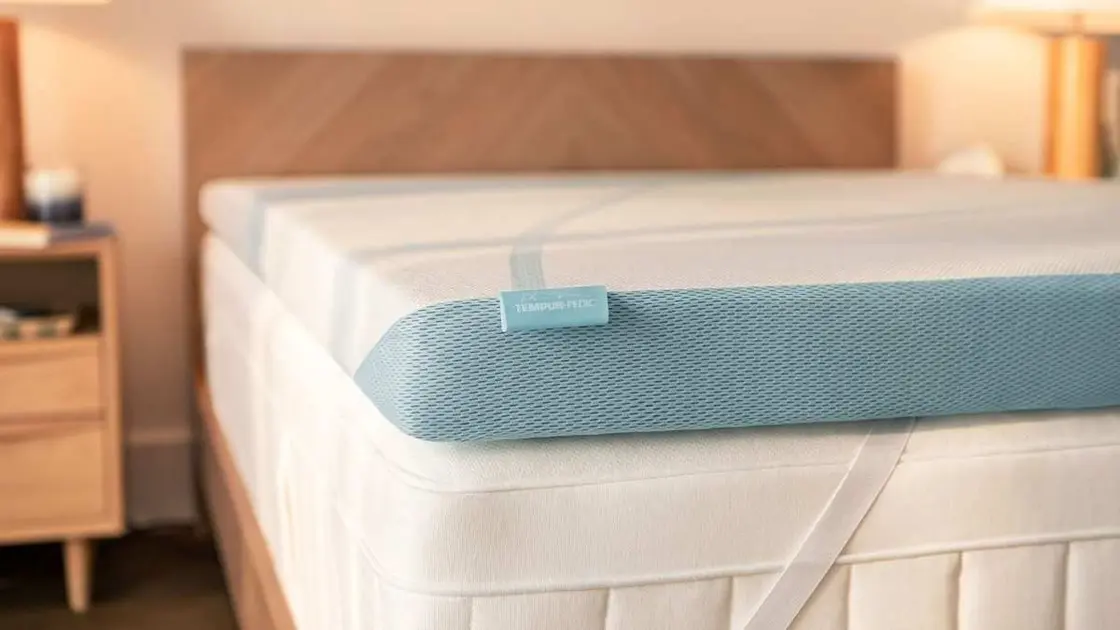
If your bed feels less comfortable than before, adding a mattress topper can provide the extra softness, cooling, or support you need, all for a fraction of the cost of a new mattress.
This guide will help you determine if a mattress topper is the right choice for you and which one to select—if a new mattress isn't necessary.
As a Sleep Editor, my team and I have diligently tested numerous mattress toppers for pressure relief, thermoregulation, motion isolation, and edge support. We've invested years evaluating foam, feather, and latex types to identify the best options available.
We cover a diverse range of sleep styles, ages, and body types, sleeping on each topper for eight hours nightly over a minimum of 30 nights to ensure thorough reviews. Our top pick is the Tempur-Adapt Tempur-Topper, praised for its comfort and cooling features. However, you may find other suitable options among our tested selections.
Let's begin with essential information for those new to mattress toppers.
Why Invest in a Mattress Topper?
A mattress topper can:
- Enhance comfort by making firm mattresses softer or adding plushness to uncomfortable ones. They cushion pressure points like shoulders and hips, especially during weight changes or pregnancy.
- Improve support to some degree—memory foam or latex toppers help align your spine, but won't compensate for a sagging mattress.
- Regulate temperature with cooling gel-infused foam or breathable materials designed for hot sleepers or winter warmth.
- Protect your mattress from spills and allergens, extending its life, though I recommend using a mattress protector too.
- Offer convenience as they're lighter and easier to clean or replace than a full mattress, ideal for dorms or guest beds.
A mattress topper cannot:
- Fix a sagging mattress—it can't restore support lost from wear.
- Provide long-lasting structure—it won't make an old mattress feel like new.
- Prevent all allergens—some toppers are hypoallergenic, but a mattress protector is essential for allergen defense.
- Correct serious back issues—for chronic pain, a supportive mattress is crucial.
- Replace comfort for diverse body types—individual comfort levels may vary even with a topper.
Mattress Toppers vs. Alternatives
Wondering if a mattress topper is necessary or if a pad, protector, or new mattress would be better? Here's what to consider:
Mattress Toppers vs. Mattress Pads
Mattress toppers are typically thicker (2-4 inches) and alter the feel of your bed, while mattress pads are thinner and meant for light cushioning and protection, not major comfort changes.
Opt for a topper if you want to change your mattress's feel; choose a pad for mild plushness or protection.
Mattress Toppers vs. Mattress Protectors
Mattress toppers adjust the feel, while protectors shield against spills and allergens without changing comfort. Generally, you'll want both: a topper for comfort and a protector to keep it clean.
Mattress Toppers vs. New Mattresses
Topper can enhance comfort for a too-firm bed or provide temporary support, but they won't fix sagging or lumps. If your mattress is aged (over 7-10 years) or causing discomfort, a new mattress is a wiser investment.
Understanding Mattress Topper Materials and Firmness
The material of a topper impacts your sleep experience. Here's a breakdown:
Firmness: Your sleep position is key. Side sleepers need softer surfaces for joint cushioning, back sleepers prefer medium-firm to prevent sinking, and stomach sleepers require firmer surfaces to maintain alignment.
Brands often rate firmness on a scale of 1-10, but this can vary.
Sleep temperature: For those prone to night sweats or living in warm climates, consider a cooling topper. Natural materials, like latex, tend to be breathable, while some memory foams include cooling features.
Top Mattress Toppers: Our Best Picks
After extensive testing, here are our top-rated mattress toppers, complete with suitability insights:
 Best Overall
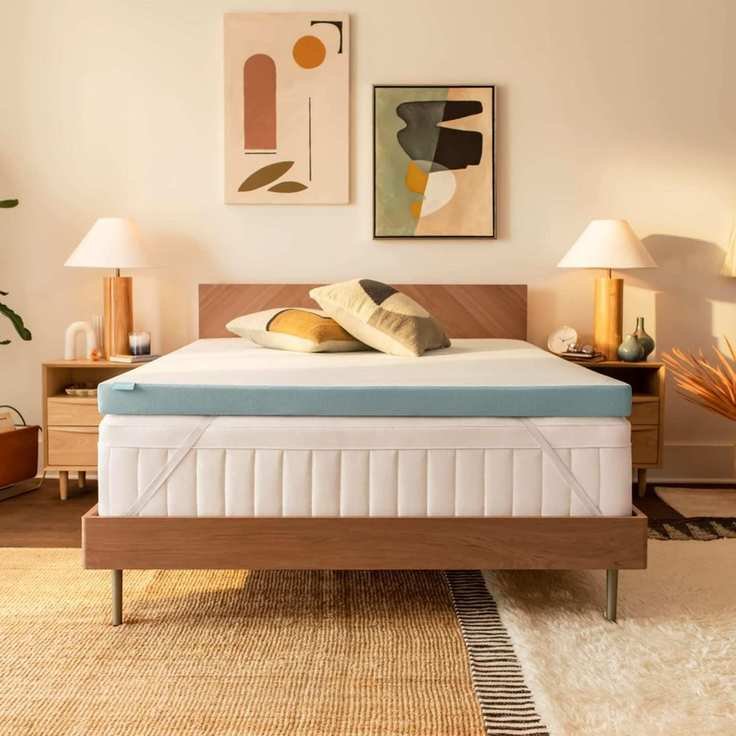
Tempur-Adapt Tempur-Topper
Firmness: Medium
This memory foam topper excels in pressure relief and thermoregulation. Expert tester Alexandra Pamias noted, "I felt perfectly aligned while sleeping on it."
 Best for Back Pain
Helix ErgoAlign Mattress Topper
Firmness: Medium-firm
This ergonomically designed topper features multiple firmness zones for optimal lumbar support. Meg St-Esprit praised its cooling cover and stretchable straps.
 Best Cooling
Saatva Graphite Memory Foam Mattress Topper
Firmness: Medium-firm
Infused with cooling graphite, this topper excels in heat dissipation. Tester Kaitlin Madden confirmed its effectiveness during a hot summer.
 Best for Side Sleepers
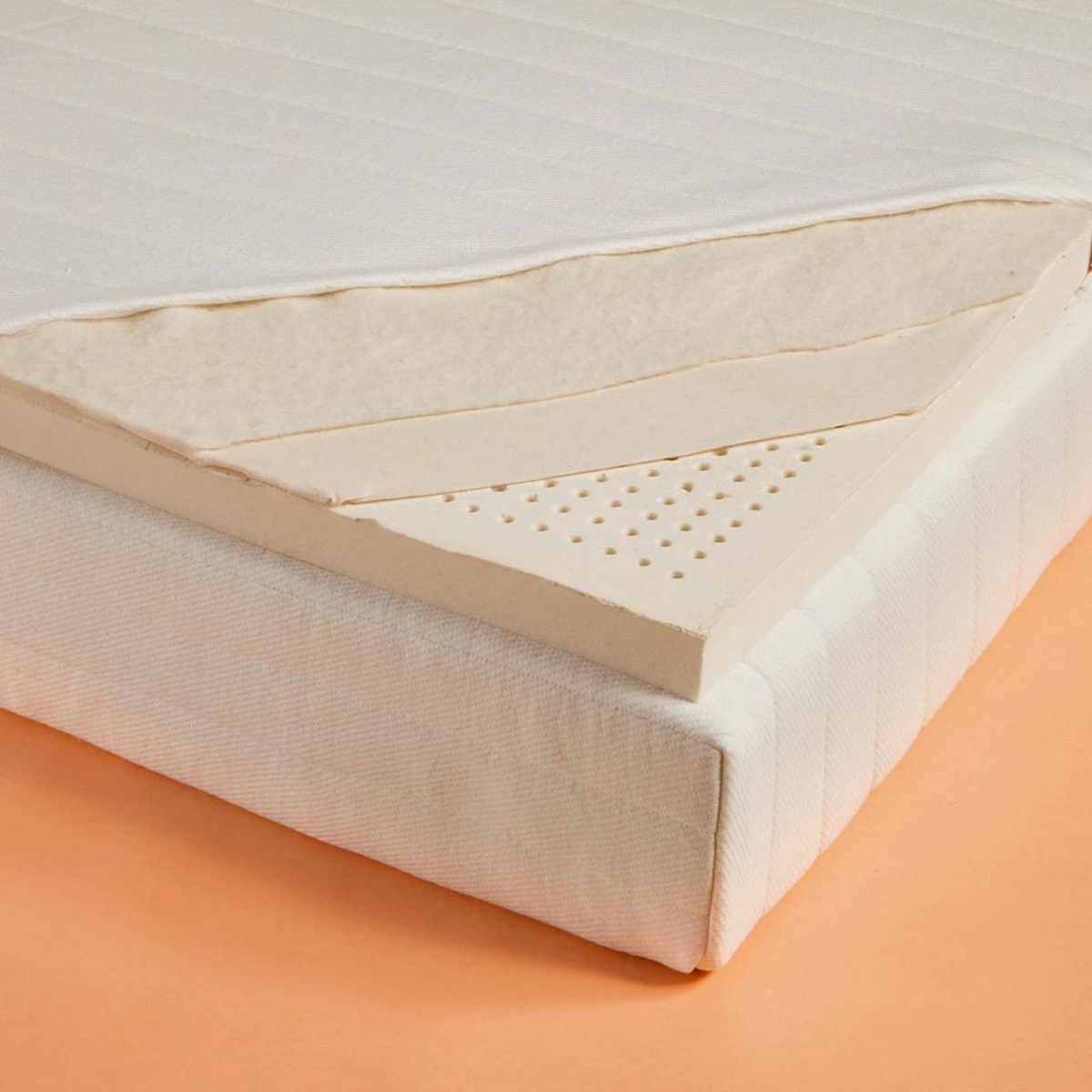
Earthfoam Mattress Topper
Firmness: Medium-firm
Made from organic latex, this topper is responsive yet cushy, perfect for side sleepers. Louise Oliphant reported better sleep quality after using it.
 Best Memory Foam
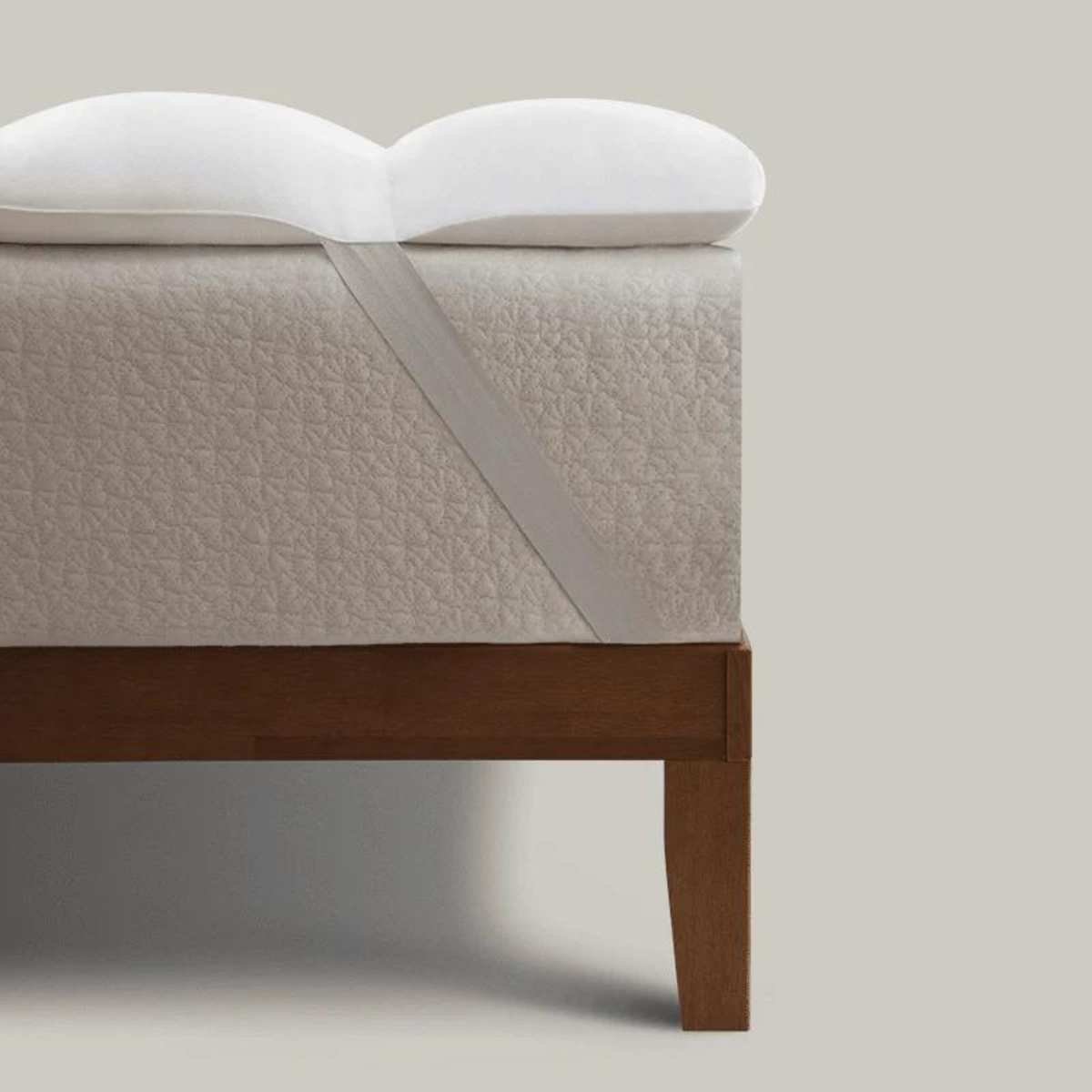
Coop Retreat Mattress Topper
Firmness: Medium-soft
This plush topper is ideal for adding hotel-like comfort to your home mattress. Louise found it cushioned her joints effectively.
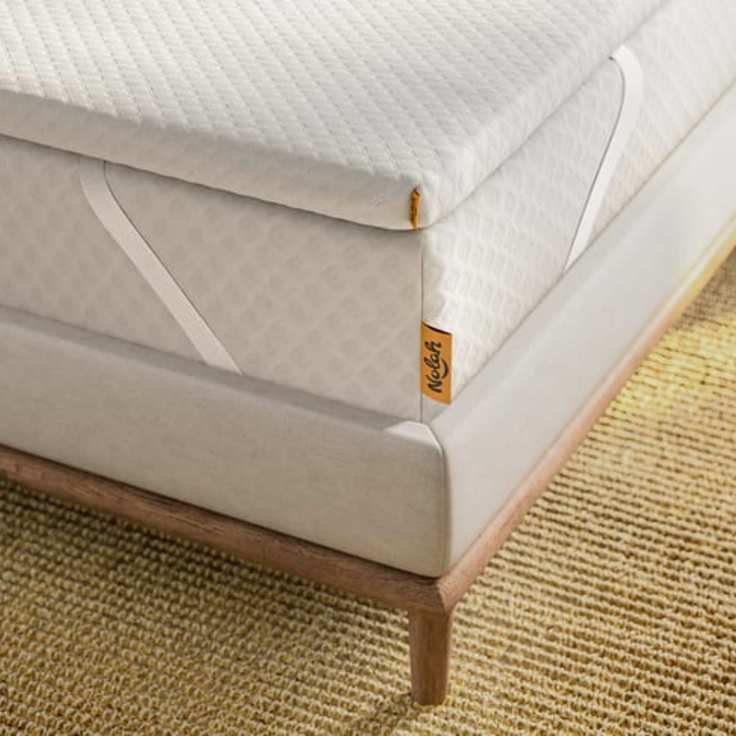 Best Firm
Nolah Mattress Topper
Firmness: Firm
Ideal for those needing additional support, this topper helped alleviate tester Jamie's husband's back pain.
Top Mattress Topper Brands
Leading brands include Tempur-Pedic, Helix, Saatva, Earthfoam, Coop, and Nolah. Many options are also available on Amazon based on customer reviews.
Additionally, check reputable retailers like Macy's and Wayfair.
FAQs
When Should You Buy a Mattress Topper?
Consider a topper if your mattress is over seven years old and showing signs of wear. If you're still comfortable after a few years but need minor adjustments, a topper can enhance your sleep experience.
What Size Mattress Topper Should I Choose?
Match your topper size with your mattress size (twin, full, queen, king). Look for fitted covers or straps to prevent slipping, available on Amazon.
How Thick Should My Mattress Topper Be?
Thickness correlates with comfort. A rough guide:
2-inch toppers provide subtle comfort; 3-inch toppers offer a balanced support and softness; 4-inch+ toppers are great for side sleepers needing substantial cushioning.
How Do I Clean a Mattress Topper?
Follow the manufacturer's guidelines. Many toppers have removable covers that can be washed. To make maintenance simpler, invest in a mattress protector.
How Long Does a Mattress Topper Last?
Typically, mattress toppers last 3-5 years, with foam and latex being the most durable.
Can a Mattress Topper Fix a Bad Mattress?
A topper may help make a too-firm mattress softer, but it won't remedy sagging or lumps. If your mattress is in poor condition, consider replacing it.
Can a Mattress Topper Alleviate Back Pain?
While a topper can enhance comfort, it should complement a supportive mattress. Proper spinal alignment is crucial for pain relief.
What Is the Cost of a Mattress Topper?
Prices range from around $200-$400, with affordable options on Amazon. Higher-end models can exceed $1,000, but there are often discounts available.
Are Organic Toppers Worth It?
If you prefer eco-friendly materials and chemical-free options, organic toppers are worthwhile. Look for products made from natural materials like wool, cotton, and latex.
How We Test Mattress Toppers
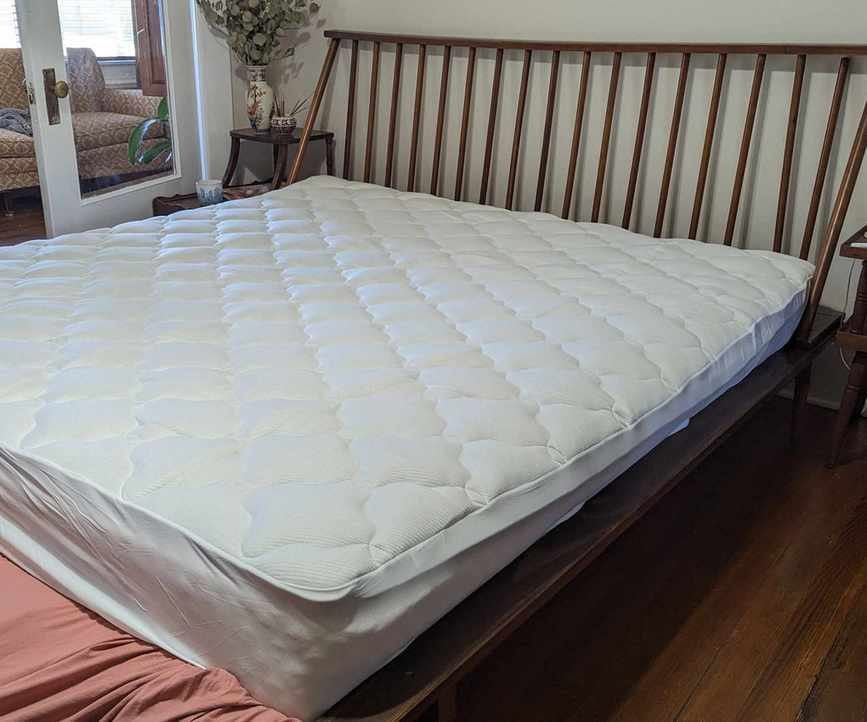
The Helix Plush Mattress Topper on one of our testers' beds
Our testing team assesses each topper over at least 30 nights, ensuring accurate evaluations. We focus on pressure relief, thermoregulation, motion isolation, and edge support. Our review process is independent and not swayed by external influences.
Cited Sources
- Dr. Clayton Skaggs, chiropractor
- Dr. Thomas Pontinen, pain management specialist
- Dr. Sherry McAllister, chiropractic expert
Our Topper Testing Panel

Reviewed by Kaitlin Madden
Kaitlin is a freelance reviewer whose work appears in various publications. As a short-term rental host, she seeks a versatile mattress topper for all her guests.

Reviewed by Louise Oliphant
Louise, a former sleep editor, tested numerous bedding products. As a side sleeper, she needs a balance of firmness and softness.

Reviewed by Jamie Davis Smith
Jamie has tested several toppers and prefers firmer surfaces to maintain spine alignment.

Reviewed by Meg St-Esprit
Meg favors firm mattresses to alleviate her lower back pain, focusing on joint support.
Even the best topper is a temporary fix. If your mattress is aging and losing support, consider investing in a new one.