
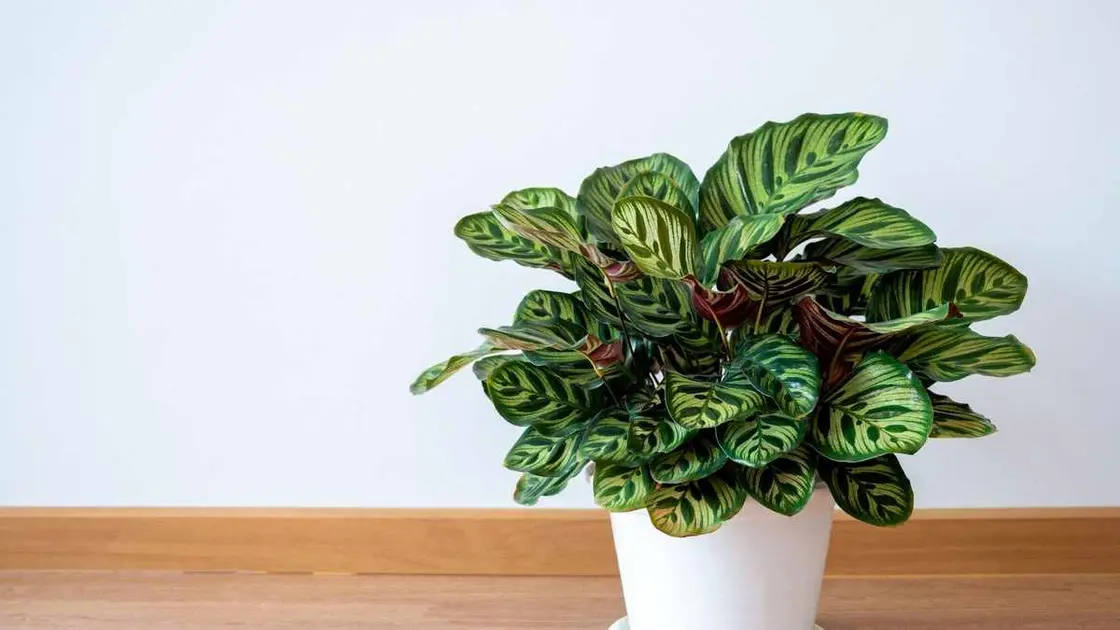
Propagating calathea is an easy way to grow your collection of these stunning indoor plants.
This group includes various beautiful foliage types, such as the peacock plant (Goeppertia makoyana), known for its intricate green and purple leaves; the rattlesnake plant (Goeppertia lancifolia), featuring unique snake-like patterns; and the eternal flame (Goeppertia crocata), famous for its bright orange flowers and wavy, dark green leaves.
Checking your plant's size is part of caring for calathea; it's time to divide them when they outgrow their pots. Look for roots emerging through the drainage holes to determine if it's time for a split.
You can also gently remove the plant from the pot. If you see roots tightly wound around the root ball, it's time to propagate.

Propagating Calathea in Four Simple Steps
Propagation through division is the most effective method for calathea. Other techniques like cuttings or seed collection often yield slow results and are not recommended.

- Start by watering your plant thoroughly, then let it drain for about an hour. Prepare pots with drainage holes for the new divisions. Gently remove the plant and shake off excess soil; some soil remaining is fine.
- If the roots aren't too tightly packed, carefully separate the stems into two or three clumps, ensuring each has healthy roots.
- Avoid the common mistake of letting your plant become pot-bound. If the roots are too dense to separate, use a sharp, clean knife to cut the root ball into sections. Remove any unhealthy roots.
- Place the divided clumps on a surface and ensure your pots are slightly larger than the root balls. Add a layer of moss or suitable potting mix at the bottom, then position the plants. Fill around the roots with more soil, ensuring the plants sit at the same level as before. Water well and keep them in bright, humid areas, like bathrooms or kitchens.
Care for Your New Calathea
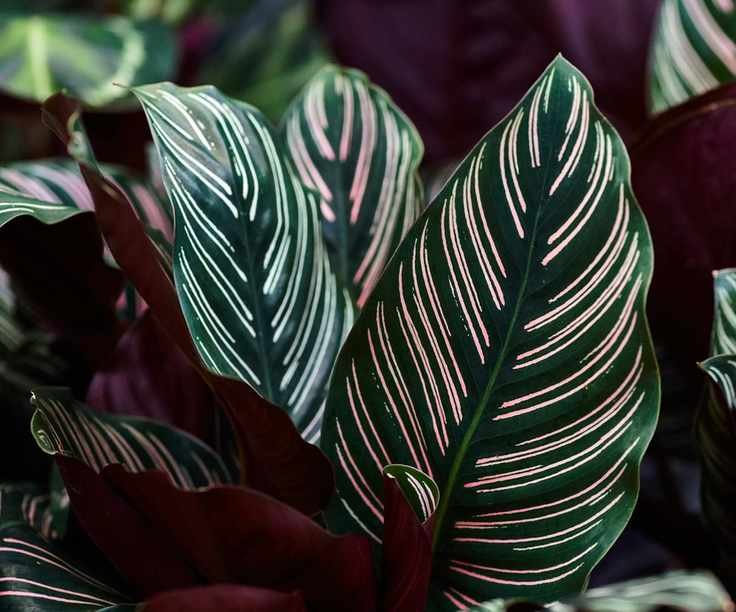
Maintain moist soil like you would for a maidenhair fern, but avoid waterlogging.
Houseplant expert Holly Crossley notes that calathea prefer to dry out slightly between watering. She suggests watering over a sink using rainwater or distilled water and letting them drain. If the top inch of soil feels dry, it's time to water.
Keep the newly potted plants for two to three years before considering repotting or further division.
FAQs
Can You Propagate Calathea from Cuttings?
No, cuttings won't work for calathea. Unlike spider plants, calathea stems lack the necessary tissues for rooting in water. The division method is the recommended approach.
When is the Best Time to Propagate Calathea?
Spring is the ideal time to propagate calathea as it marks the start of their growth season. Ensure you have a mature plant with plenty of healthy stems for effective division.
Propagation is best done when the plant has outgrown its pot, which refreshes its health by alleviating root congestion. Although calathea can thrive in low light, start your new plants in brighter conditions to help them establish.
These captivating houseplants are a favorite on social media, and they're also pet-friendly, making them safe to keep around your furry companions.



