
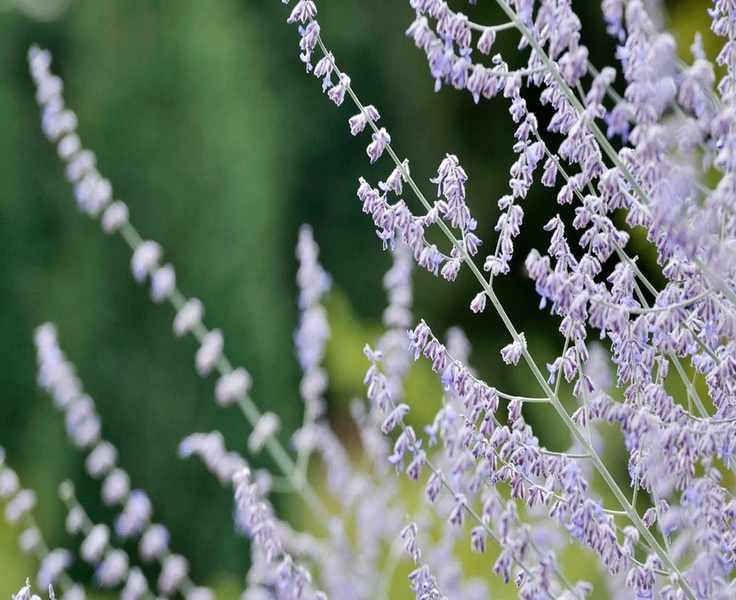
Q: I have a mature Russian sage in my front yard, and I adore its striking purple blooms. Bees and butterflies love it too! Can I propagate my existing plant to create more for my backyard patio?
A: Russian sage (Salvia yangii) is an excellent choice for attracting pollinators, plus it's drought-resistant and deer-proof, making it easy to maintain. With the right conditions, it blooms beautifully each year.
You can propagate these summer flowers either by taking cuttings or by dividing the plants. Below, we offer expert guidance for both methods, complete with step-by-step instructions.
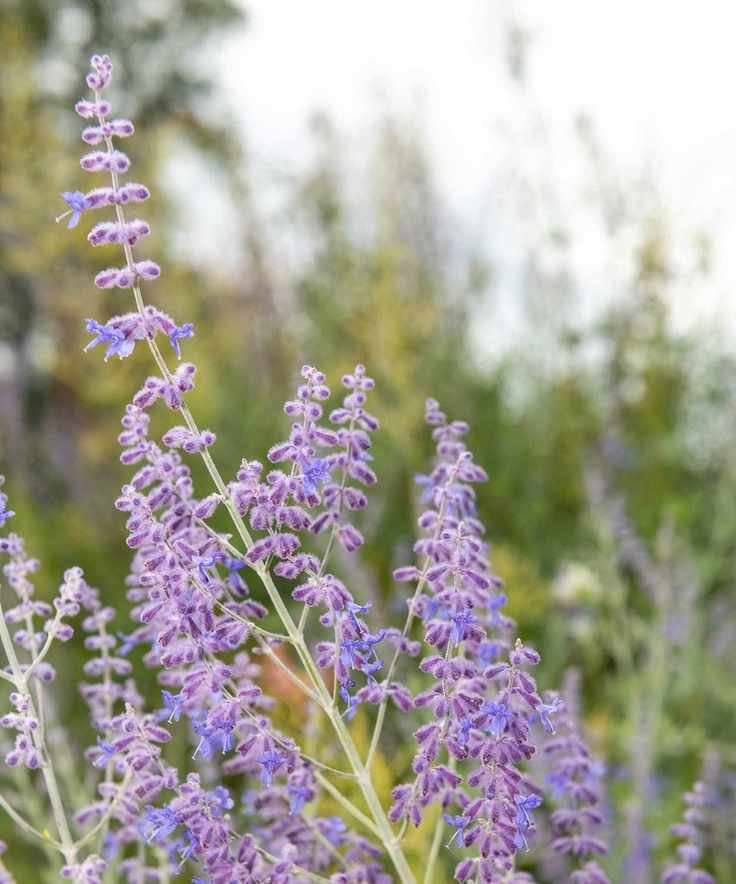
These colorful flowers brighten any garden.
Two Methods to Propagate Russian Sage for Your Garden
Regardless of the method you choose, ensure the new plants have an appropriate location with plenty of sunlight and well-draining soil for optimal growth.
Dividing Russian Sage Plants
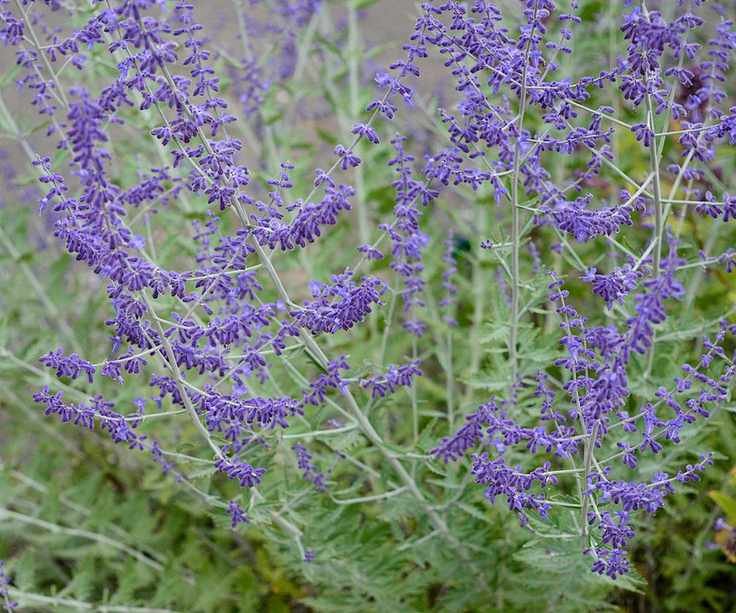
Carefully divide established plants using a spade.
Dividing these perennials is quick and yields immediate results.
Brock Ingham, a gardening expert, suggests dividing Russian sage in early spring when new growth appears or in the fall after flowering is done. Here's how:
- Gently dig up the entire plant, taking care not to damage the roots.
- Once out, use a sharp spade or knife to split the root ball into sections, ensuring each has several stems and a good amount of roots.
- Replant each section in a prepared garden area, spacing them adequately for growth. Water thoroughly after planting to help them acclimate.
Dividing not only gives you new plants but also revitalizes older ones, promoting fresh growth. This technique is particularly beneficial for large, aging clusters of Russian sage that may have seen better days.
Tip: Avoid dividing during warm spells, as this can stress the plant.
This sturdy knife features a sharp stainless steel blade, perfect for plant division and weeding.

Brock Ingham is an experienced gardener working toward horticulture expertise. With over a decade of experience, he excels at cultivating a variety of unique plants and advocates for farmers.
Taking Cuttings of Russian Sage
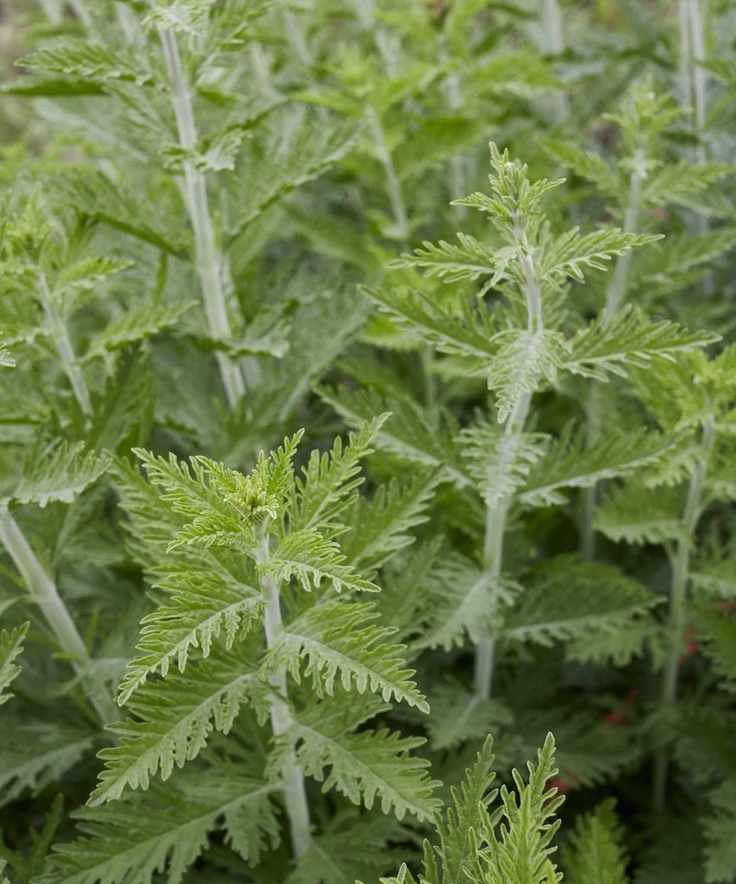
Cut healthy growth sections for planting.
Brock recommends taking cuttings from late spring to early summer, during active growth before flowering. If you do this in late spring, consider trimming back your Russian sage at the same time.
- Choose a cutting about four to six inches long from a healthy new stem. Use clean, sharp scissors to cut just below a leaf node.
- Remove the lower leaves, leaving a few at the top. To enhance root growth, dip the cut end in rooting hormone powder or gel. Alternatively, Janice Cox, a garden expert, suggests using raw honey.
- Plant your cutting in a small pot with well-draining potting mix and water lightly. Covering it with a plastic bag can help maintain humidity. Keep it in a warm, bright area, but away from direct sunlight, and water occasionally to keep the soil moist.
Roots should start developing in three to six weeks; gently tug on the cutting to check for resistance. Once established, it can be moved to your garden or a larger pot.
Tip: Janice advises taking more cuttings than you need, as not all will successfully root.
This popular rooting powder can help your cuttings grow quickly.
Common Questions
Which Propagation Method is Better for Russian Sage?
Each method has its advantages, so choose what suits you best.
When propagating via cuttings, you can generate multiple new plants from one mature specimen, although patience is needed as not all cuttings will root.
Dividing plants is effective for rejuvenating older specimens and generally has a higher success rate, though it's more labor-intensive and limited by the size of the original plant.
Is It Possible to Root Cuttings in Water?
Janice notes that some gardeners have success rooting cuttings in water, though it tends to take longer.
Rooting in water allows you to monitor root growth, and once established, you can transplant the cutting into soil. If trying this method, change the water regularly to keep it clean and avoid common mistakes.
Many other plants can be propagated at home. Check our guides on propagating zinnias and chrysanthemums for more tips to enhance your garden without spending a dime.



