
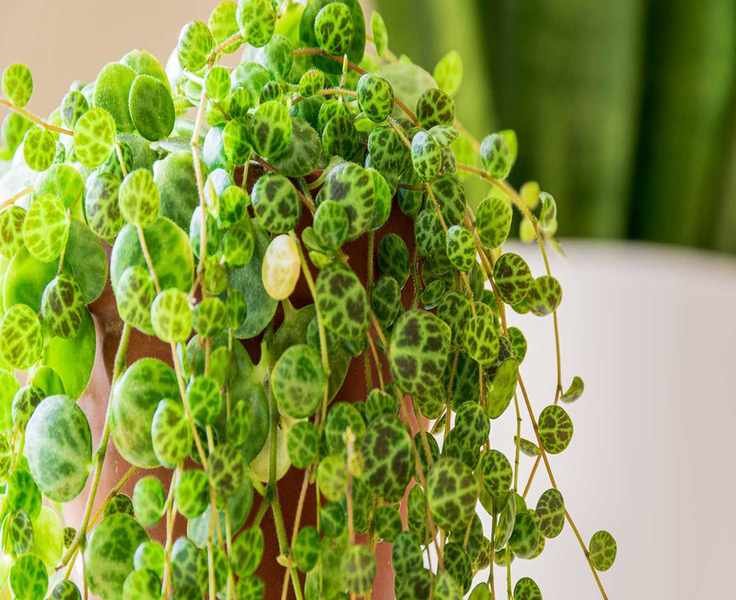
String of turtles, or Peperomia prostrata, is a charming trailing plant ideal for shelves or hanging pots. Its flat leaves, adorned with unique patterns, set it apart from similar species like string of pearls and string of hearts. Propagating this plant is straightforward and rewarding.
You can propagate by taking stem cuttings. These can be placed in quality potting soil or even in a jar of water. The process is quick, with roots developing within weeks if you avoid common mistakes in propagation.
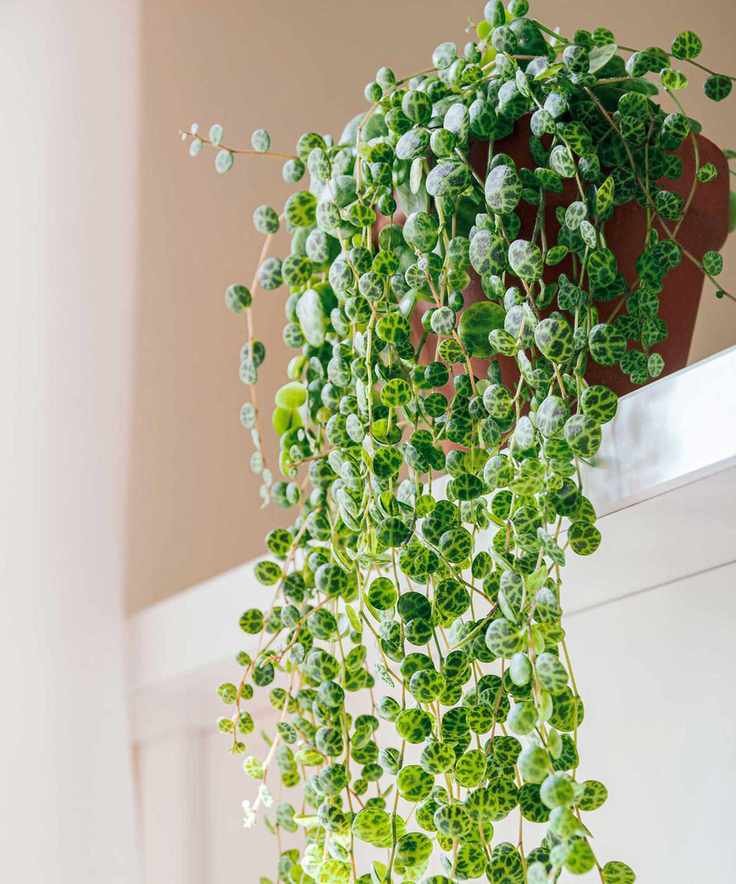
These attractive trailing plants are perfect for high placements.
Propagating String of Turtles in Soil
Follow these steps for soil propagation:
- With sharp scissors, cut a 3-4 inch piece just below a node, which is where roots and leaves grow.
- Remove a few leaves from the lower part of the cutting to expose bare nodes.
- Plant this stripped cutting in moist soil, ensuring at least one node is below the surface.
- Place the pot in bright, indirect sunlight and keep the soil moist without overwatering. Misting should suffice.
- In a few weeks, check for root growth by gently tugging the plant; resistance means it's rooted.
Fiskars Micro-Tip Pruning Snips | $13.10 from Amazon
These ergonomic snips are great for precise cuttings from your plants.
Propagating String of Turtles in Water
Water propagation is another effective method for string of turtles. It's mess-free and lets you watch roots grow.
- Take cuttings as described earlier, ensuring to remove lower leaves.
- Place the cut end of the stem in a jar of clean water, keeping leaves above the waterline. You can cover the jar opening with plastic wrap and poke a hole for the stem if needed.
- Set the jar in a warm area with bright, indirect light.
- After roots form, transfer the cutting to a pot with well-draining soil.
For success, be mindful of common pitfalls in water propagation and change the water regularly.
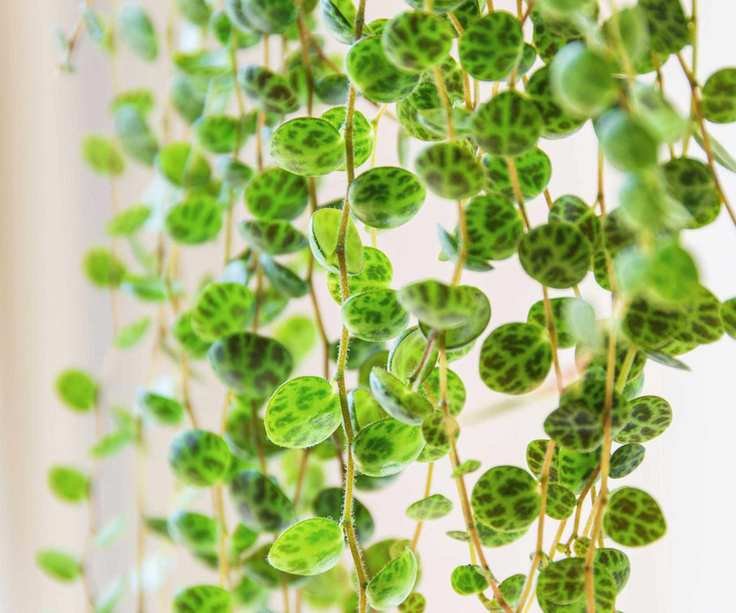
Notice the unique leaf patterns resembling turtle shells.
Best Time to Propagate String of Turtles
Spring and summer are the ideal seasons for propagation, allowing for faster rooting and quicker recovery for the parent plant.
Once you've mastered propagating string of turtles, consider trying your hand at other plants too. From monstera to rubber plants, there are several easy methods to fill your home with greenery and perhaps share some plants as thoughtful gifts!



