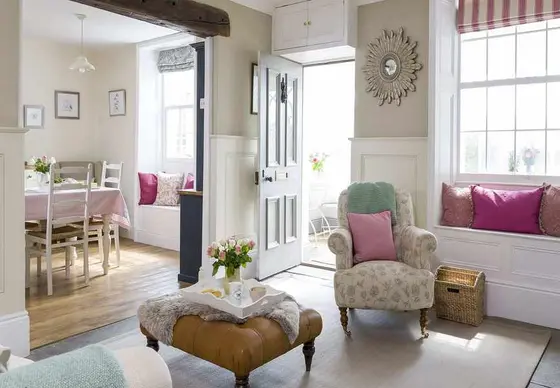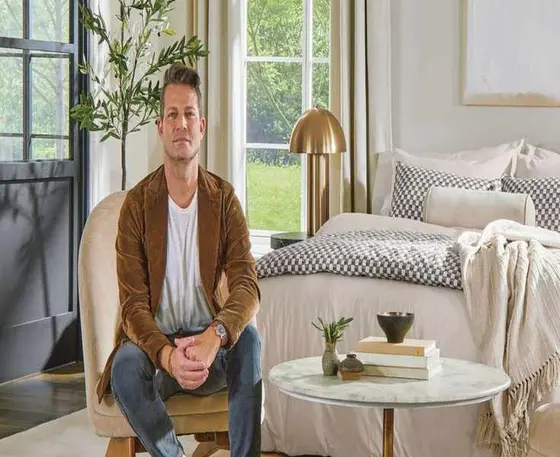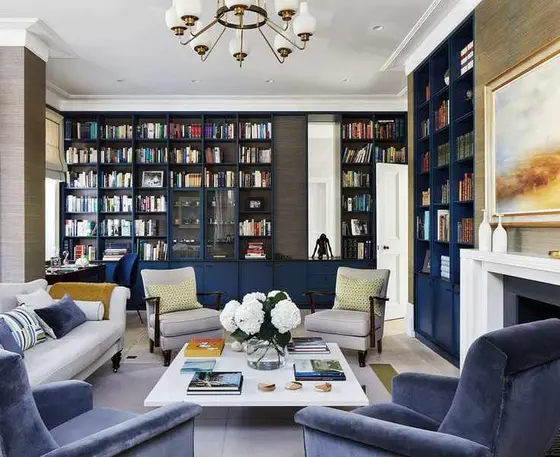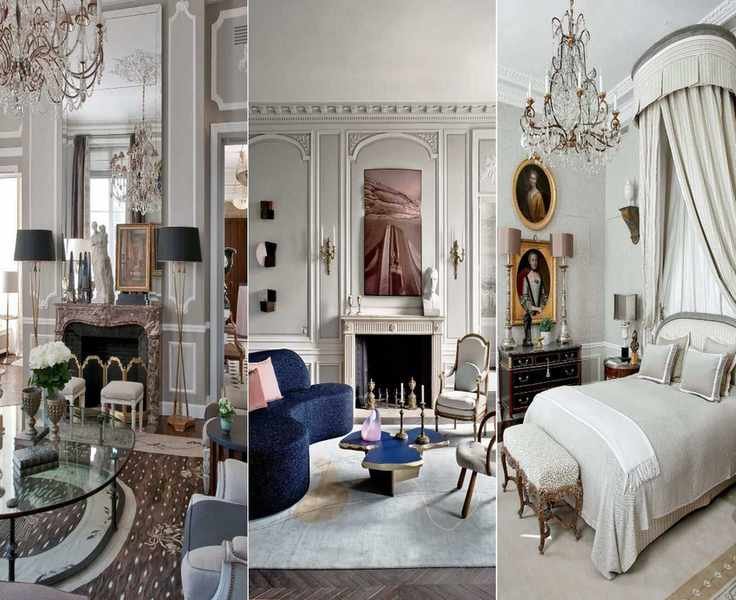
Fans of Bridgerton are captivated not just by its storylines but also by its stunning visuals. As we anticipate the upcoming season, the show's influence on interior design is clear: the resurgence of Regencycore. The vibrant hues, intricate details, and lavish floral displays from the series have sparked renewed interest in an interior design style that resonates beyond the screen.
To explore the essence of Regency-style interiors, we consulted Jean-Louis Deniot, an esteemed architect and designer known for modernizing historic Regency buildings in London. Crafting contemporary Regency looks is no easy feat, yet Jean-Louis' work showcases the style's authenticity. Here's what he revealed about the interior design trends you should embrace and how to adapt them for 2024.
"My fascination with English Regency style spans many years," Jean-Louis shares. "Working on listed Regency structures in London allowed me to reimagine interiors from the ground up, which I take great pride in." Jean-Louis Deniot continues to inspire with his design philosophy.
Understanding Regency Style
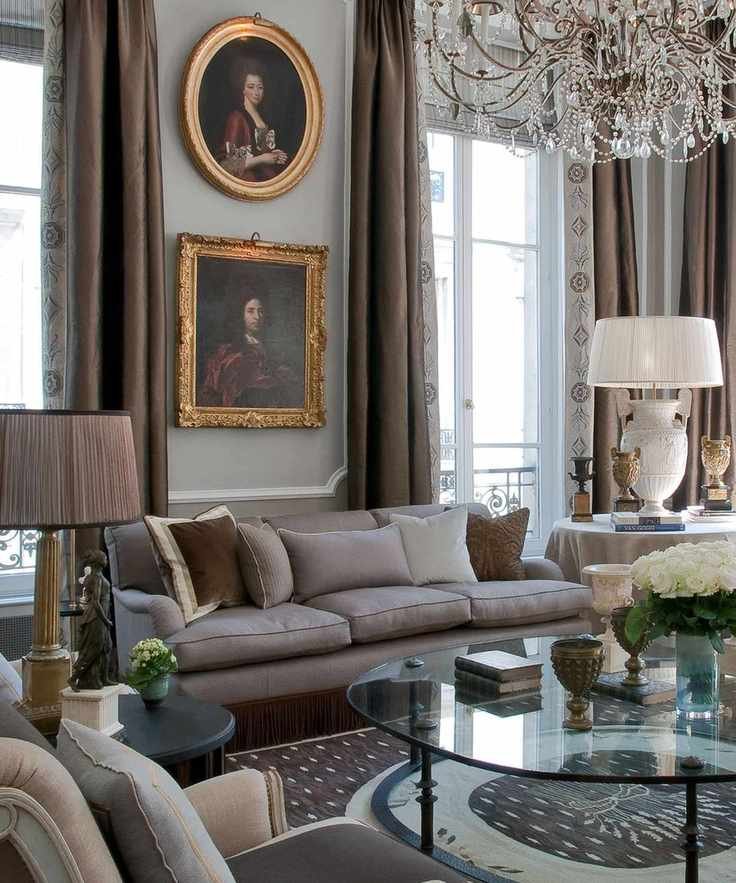
This distinctive style traces its origins to the early 19th-century Regency era, which, despite lasting only nine years under George IV, has left an indelible mark on design. The release of Bridgerton in 2020 reignited interest in this era's rich cultural contributions, which include literature, fashion, music, and fine arts. The ornate architecture and decor of the time have been seamlessly adapted for modern aesthetics, drawing inspiration from ancient Greek and Roman elements.
Jean-Louis' designs merge contemporary comfort with historical elegance, featuring classic elements like gilded frames, plush furniture with unique fabrics, and elaborate moldings. These Regency-inspired interiors prioritize sophistication and refinement, influencing even today's most modern spaces.
"It's the most refined among classical styles, characterized by a geometric and linear design. It embodies symmetry, which gives it an elongated, elegant appearance. The shapes connect back to antiquity, making them familiar to us across Europe," explains Jean-Louis.
Creating a Regency-Inspired Space
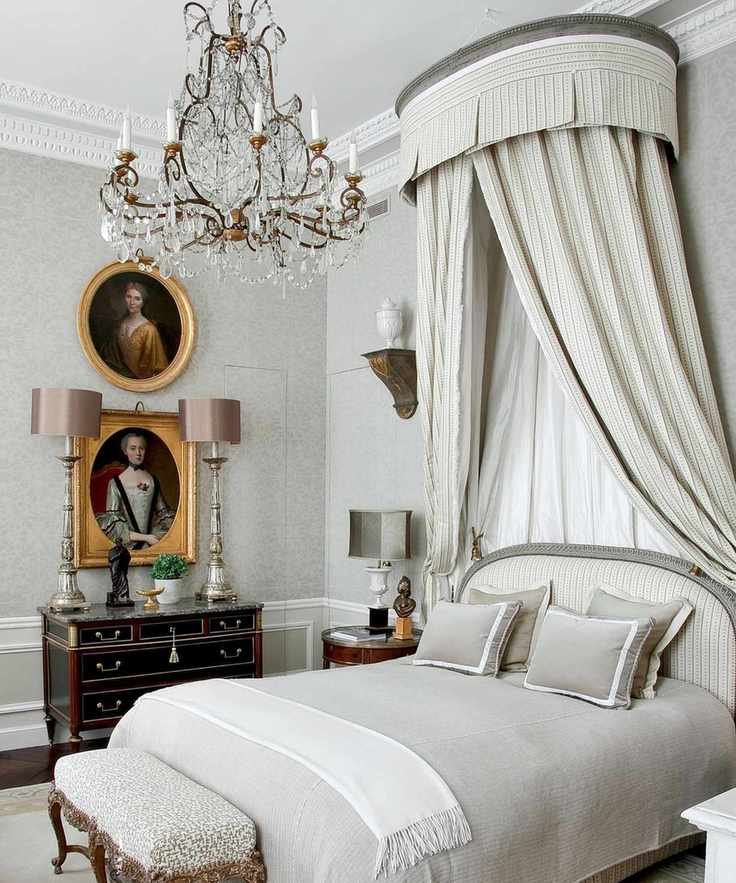
While Regency style may seem synonymous with luxury, it begins with fundamental principles. Jean-Louis emphasizes that achieving a successful Regency-inspired space requires symmetry and balance in your design. Careful arrangement of furniture and decor plays a crucial role in achieving the desired aesthetic, necessitating attention to both horizontal and vertical arrangements.
"Incorporate as many vertical lines as possible to create height. Focus on proportions to achieve a sleek, airy feel," advises Jean-Louis.
If historical accuracy isn't a priority, the options for creativity are vast. Emphasizing verticality and visual harmony in your living areas can evoke the era's essence, even without a fully authentic collection of antique furnishings. However, incorporating a few standout vintage pieces can enhance the look.
Why Regency Interiors Are So Appealing
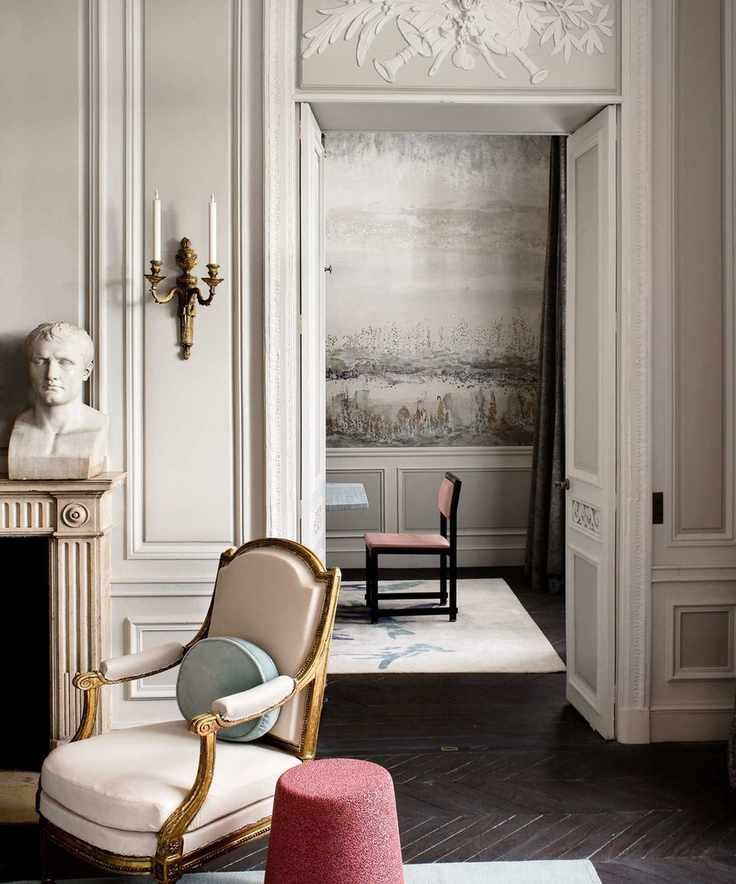
Regency interiors have regained popularity, particularly due to their portrayal in pop culture. Jean-Louis attributes this resurgence to deeper historical roots. Elements of Regency style connect to ancient Roman and Greek aesthetics, making them integral to design history, from celebrated landmarks to everyday environments.
"Since Regency style is grounded in antiquity, we've had nearly 2,500 years to appreciate it. Antiquity represents a peak of refinement and artistry in my view. People are drawn to the qualities associated with that period," he remarks.
Updating Regency Style for 2024
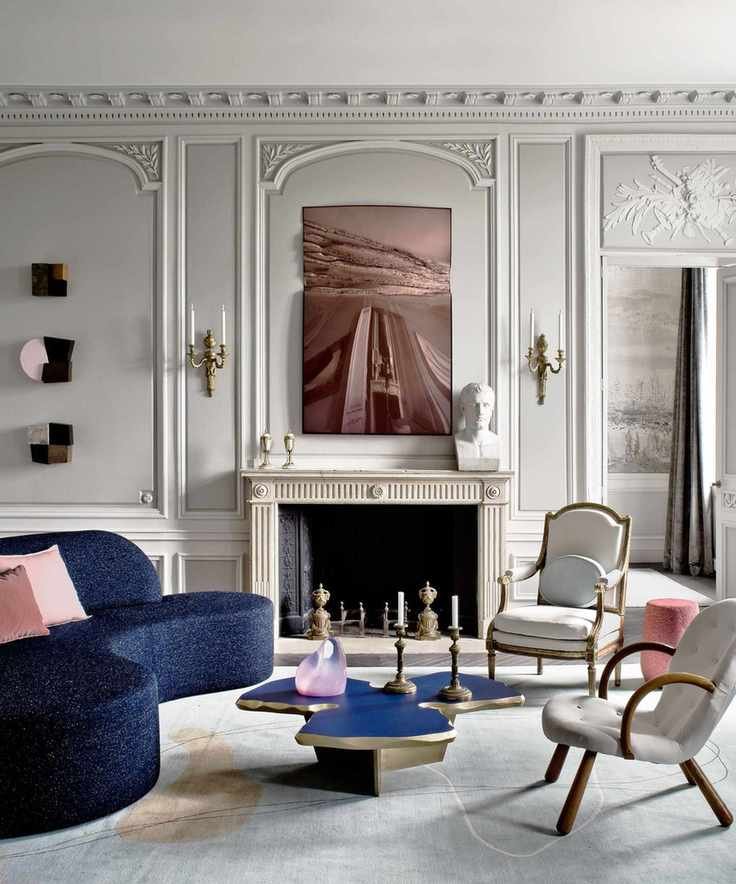
Regency interiors might seem at odds with today's sleek designs; after all, Bridgerton's aesthetic is quite distinct from contemporary homes. However, modern adaptations can breathe new life into this style. Incorporating contemporary interpretations of antique furniture and a darker color scheme can make Regency decor feel more relatable. Jean-Louis also suggests blending Regency with other design styles, especially brutalism.
"I'd love to combine Regency with brutalism, merging elegant designs with bold, geometric shapes. While I tend to lean towards purism, I'm slowly finding ways to navigate this blend," he concludes.
Jean-Louis demonstrates that Regency-style interiors are complex yet inviting. By emphasizing balance, symmetry, and architectural nuance, these spaces are thoughtfully curated while rich in historical context. With a few modern touches, the Regency aesthetic remains relevant in 2024, appealing to fans of both the past and present.