
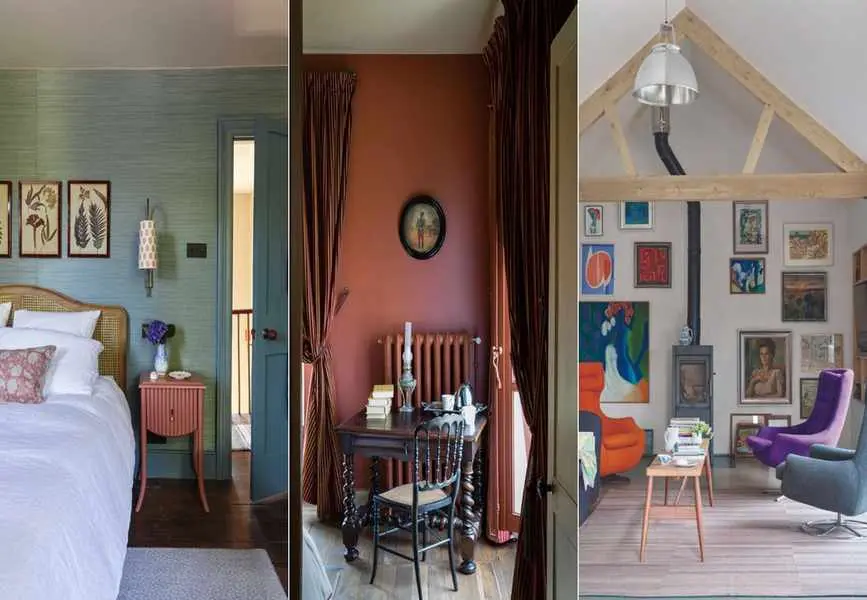
Interior design trends continually inspire us, much like fashion, as our preferences evolve over time. Staying updated can be thrilling! While trends can guide our choices, drawing inspiration from iconic styles ensures a home that remains timeless.
Interior designer Jenni Lauri shares, "Over the years, various styles have emerged, each offering unique charm and influence." With so many options, which styles resonate most with today's designers?
Iconic Interior Design Styles
Most iconic interior styles fall into two main aesthetic categories: modern and traditional. Within these categories are various sub-styles that reflect specific moods and eras. Lauri points out that designers often blend styles, leading to captivating spaces in renowned homes.
"Our favorites include Scandinavian, Japandi, Wabi-Sabi, Boho, Mediterranean, Mid Century, Industrial, Rustic, Modernism, Contemporary, Eclectic, and Traditional," she adds, noting their unique features and subcategories add character to any room.
Today's design landscape is rich with styles and substyles, making it popular to mix elements from different areas for personalized spaces. Let's explore these styles with insights from experts, starting from the classics to emerging trends:

Based in Los Angeles, Jenni Lauri specializes in creating sophisticated spaces. Her interest in design developed early, influenced by her family's involvement in construction and design. With a diverse portfolio, she focuses on residential and commercial projects, emphasizing elegance and simplicity while incorporating cultural elements. Jenni enhances her skills with ongoing education, ensuring her designs reflect clients' personalities.
1. Traditional and Heritage Styles

An impressive English Elizabethan Manor.
Heritage styles deserve a place in every home. Accentuating a modern scheme with vintage finds or vice versa creates a unique blend. Lauri states, "Traditional styles like Victorian, Georgian, and Colonial showcase timeless design."
Victorian interiors emphasize features like fireplaces and detailed paneling, originating during Queen Victoria's reign. This style allows for a beautiful fusion of old and new, as seen in mid-Victorian homes.
"Mixing vintage with contemporary pieces, highlighting original features, and using antique lighting can add character to your space," Lauri suggests.
Georgian design boasts luxury with high ceilings and ornate details, while Colonial style offers rich woods and natural textures that evoke adventure. Blending these styles with modern accents creates a fresh heritage look. Seek inspiration from exemplary homes and expert design tips.
2. Farmhouse, Country, and French Decor

Interior by Salvesen Graham.
While each design style has its place, the rustic appeal of farmhouse decor continues to charm. This style emphasizes function and simplicity, creating warm and inviting spaces, much like the eclectic nature of French country decor.
3. Modernism

Hugo Landa Garcia
Project: Sierra Towers Primary Bedroom
Photography by Michael Clifford
Many leading designers draw inspiration from past greats. Lauri states, "Modernism is a favorite for its adaptability. Key aspects include a clean aesthetic, neutral palette, and open spaces. This timeless style remains popular in both residential and commercial design."
Today's designs often reinvent past styles into evolving trends. Minimalism embraces warmth in 'quiet luxury,' while mid-century modern can be reimagined through the Retro Revival.
Modern and contemporary styles offer sleek vibes, while industrial elements add raw charm. Scandinavian design fosters warmth, and mid-century modern celebrates organic forms, while eclectic styles showcase vibrant combinations.
4. Bauhaus

A key influence of modernism, Bauhaus emphasizes functionality and beauty. "It's not just an aesthetic; it challenges and inspires our work," states Artem Kropovinsky, founder of Arsight.
The Bauhaus movement originated from a German art school focused on design and craftsmanship, drawing inspiration from the British Arts and Crafts movement.

Based in New York, Artem Kropovinsky has over a decade of global design experience, committed to sustainability and authenticity, earning recognition through prestigious awards.
5. Mid-century Modern

Originating from 1945 to the 1960s, Mid-century modern design features simple forms, exceptional craftsmanship, and warm colors. Its contemporary aesthetic owes much to architects like Le Corbusier and Richard Neutra.
6. California Cool
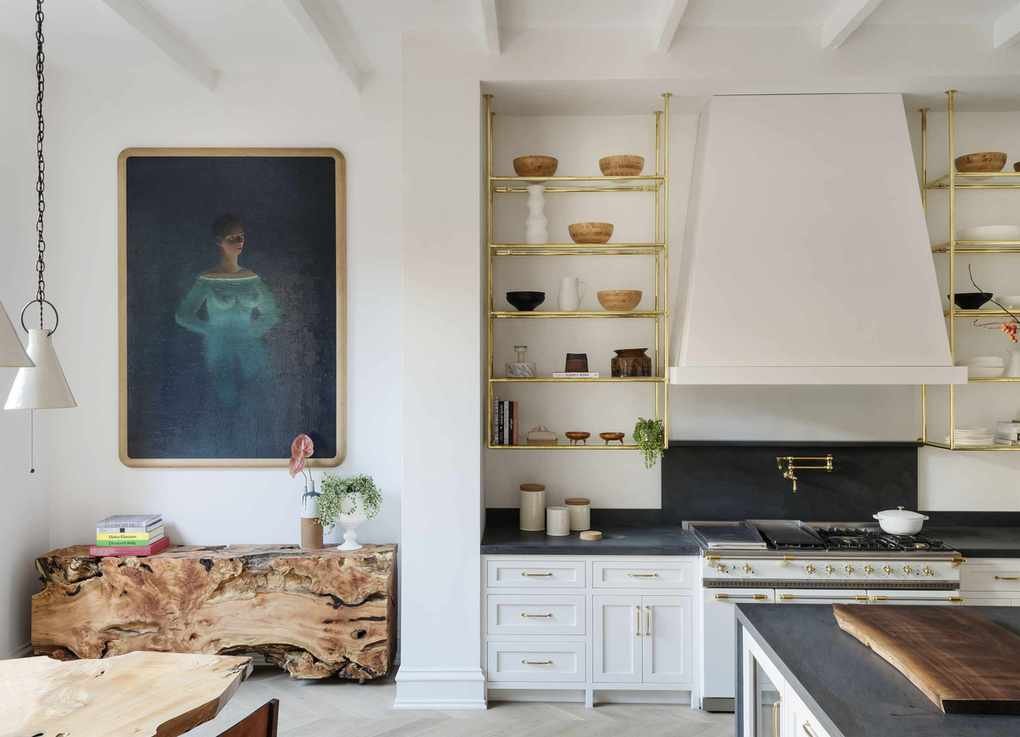
Kitchen designed by The Brooklyn Home Company.
This relaxed West Coast aesthetic is exemplified by designers like Amber Lewis. Elements of coastal farmhouse style, washed-out tones, driftwood, and textured fabrics characterize California Casual decor.
7. Mediterranean and Worldly Styles

Mediterranean decor offers a relaxed vibe with colorful tiles, sea-inspired colors, and soft plaster finishes. Unique tiles and bespoke furniture infuse spaces with this lively style. Kirsten Dunst's vibrant living room showcases this trend beautifully.
8. Bohemian Design

Bohemian decor is inviting and relaxed, combining earthy tones with layered textures. Originating from 19th Century Paris, it reflects a free-spirited lifestyle. Notable figures like Justina Blakeney exemplify this style's bold patterns and color use.
9. Maximalist and Eclectic Styles

Maximalism celebrates vibrancy without overwhelming spaces. Kelly Wearstler's dramatic approach draws from nature, architecture, and fashion, creating a harmonious blend of styles.
10. Minimalism

Although minimalism often has a reputation for being cold, it has inspired numerous modern trends. This style can be applied in various interpretations, allowing for personal expression.
11. Wabi-Sabi

The charm of Wabi-Sabi is gaining recognition. Shalini Misra explains, "Wabi-Sabi is a philosophy rooted in Japanese culture, celebrating imperfections and creating inspiring spaces. It draws from Buddhist teachings, appreciating life's transient beauty."
Misra uses earthy tones to embody this aesthetic, creating a connection to nature.

With over 20 years in the industry, Shalini Misra creates spaces that reflect her clients' desires, combining her architectural expertise with a deep understanding of design.
12. Japandi
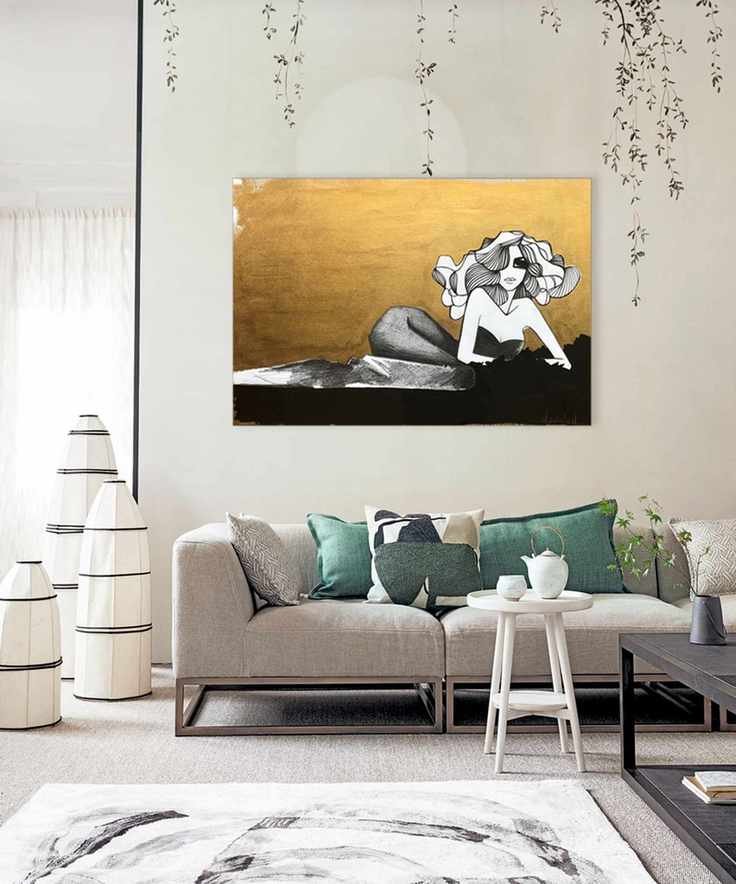
Japandi blends Scandinavian and Japanese aesthetics, creating a calming atmosphere ideal for various homes. This style gained popularity post-pandemic, emphasizing craftsmanship and a slower pace of life.
13. Scandinavian Design

Scandinavian design is known for its architectural beauty, functionality, and warmth. Many embrace the concept of Hygge, especially in fall, while Friluftsliv emphasizes an appreciation for outdoor living.
Designer Christina Richardson highlights the importance of functionality and light in Scandinavian design, reflecting the region's heritage of maximizing space and warmth.

With a keen eye for design, Christina Richardson's work is sought after across the U.S. and Europe, showcasing her expertise in creating harmonious spaces.
What Shapes Interior Design Trends?
Societal shifts and global events influence design movements and decor choices. The rise of social media has transformed how trends emerge and inspire both professionals and enthusiasts.
Devon Wegman, founder of Devon Grace Interiors, notes, "Fashion significantly impacts interior design, as social media has led people to share their homes beyond close circles. Now, homes are extensions of personal style, similar to how we present our outfits."

Devon Grace Interiors specializes in luxury residential and commercial design, integrating architecture and design to create thoughtful spaces.
Is Blending Styles Advisable?
Absolutely! Combining styles creates unique and engaging spaces.
Kropovinsky states, "Integrating various design elements is like curating stories, each piece representing a moment in time or cultural shift." Whether through travel-inspired trinkets or furniture design, historical influences can enrich contemporary homes.
How to Discover Your Interior Design Style?
Explore past trends and identify spaces that inspire you. Wegman encourages individuals to find their unique style. "This era fosters boldness in design, moving away from mere trend-following to expressing personal aesthetics, similar to how we curate outfits. Each project reflects its owner's story."
If you're seeking inspiration, Lauri recommends considering Scandinavian and Wabi-Sabi trends for their timeless appeal.
Interior design continues to evolve, reflecting diverse inspirations across cultures. Iconic styles enhance spaces, positively impacting surroundings and fueling excitement for future design trends.



