
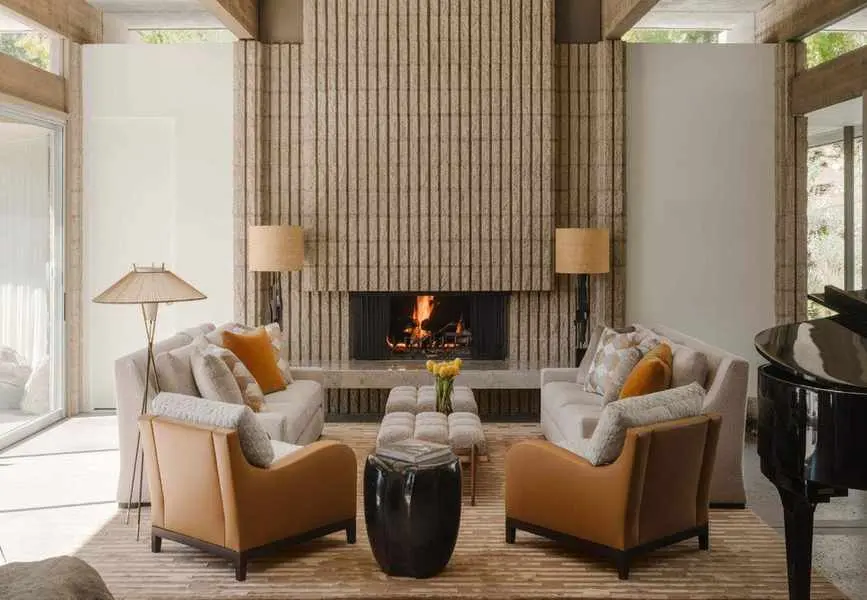
If you're drawn to minimalist, monochrome spaces that lack ornamentation and showcase industrial materials, then brutalist interior design might just capture your interest. This style has recently gained traction and deserves a closer look.
Brutalist interior design, much like the architectural style it stems from, has experienced periods of popularity and decline. However, renewed appreciation for this raw, functional aesthetic is evident as contemporary designers reinterpret its defining characteristics, blending them with modern living spaces.
In this guide, we explore the essence of brutalist interior design and offer tips on how to incorporate its elements into your own home.
Defining Brutalist Interior Design
Brutalist interior design derives its name from the architectural movement of the same name. It reflects features commonly associated with brutalist architecture, such as the use of raw concrete, exposed brick, and metal, alongside straightforward forms. When applied to interior spaces, these attributes define what is known as brutalist interior design.
You may recognize some iconic buildings that exemplify this style. Below, we delve into its historical context and key characteristics.
What is Brutalist Architecture?
Emerging after World War II, brutalism represents a significant movement within modern architecture. According to architect and interior designer Hafsa Burt of hb+a Architects, the Bauhaus movement laid the groundwork for brutalism by emphasizing the exploration of raw concrete façades and forms.
Often, the first brutalist structure is credited to Franco-Swiss architect Le Corbusier, specifically his unité d'habitation in Marseille, France. Though the term 'brutalism' was coined later, this multifaceted building, completed in 1952, included residential apartments alongside communal areas, shops, and a hotel-restaurant, all constructed from béton brut, or raw concrete. Throughout the 1950s, 60s, and 70s, architects worldwide embraced this style for civic, cultural, and residential projects.
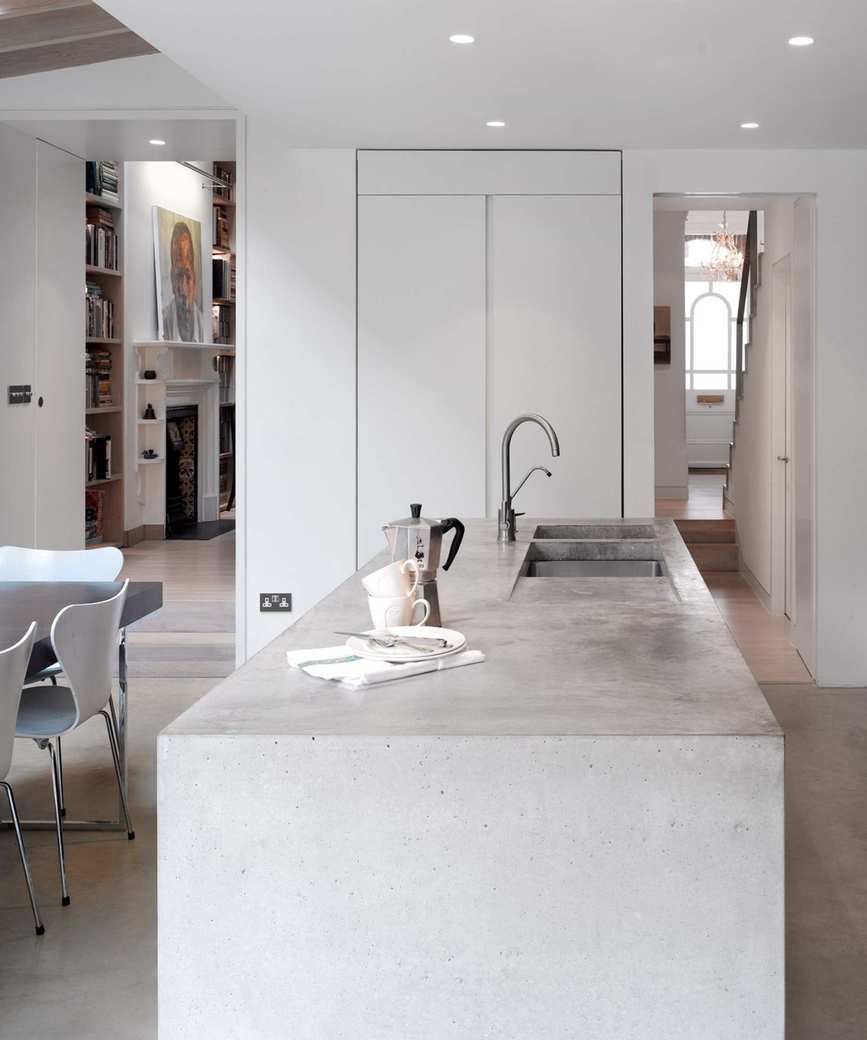
Brutalist architecture is characterized by the prevalence of raw concrete, powerful monolithic forms, and a combination of contrasting materials such as rough brick, steel, and wood. Additionally, structures often feature exposed systems and services that are intentionally displayed.
Although other architectural movements have since taken the forefront, contemporary architects continue to draw inspiration from brutalist principles. As Burt notes, when applied thoughtfully, this style can create stunning interactions of light and space, reminiscent of the work of Japanese architect Tadao Ando.

With over 24 years of experience, Hafsa Burt leads hb+a Architects, a firm she founded in 2006. A graduate of SCAD with a Master of Architecture, her extensive portfolio includes projects ranging from the San Francisco Airport to multifamily residential and medical office buildings. As an advocate for environmental design, she focuses on carbon-neutral practices and improving indoor air quality.
Key Features of Brutalist Interior Design
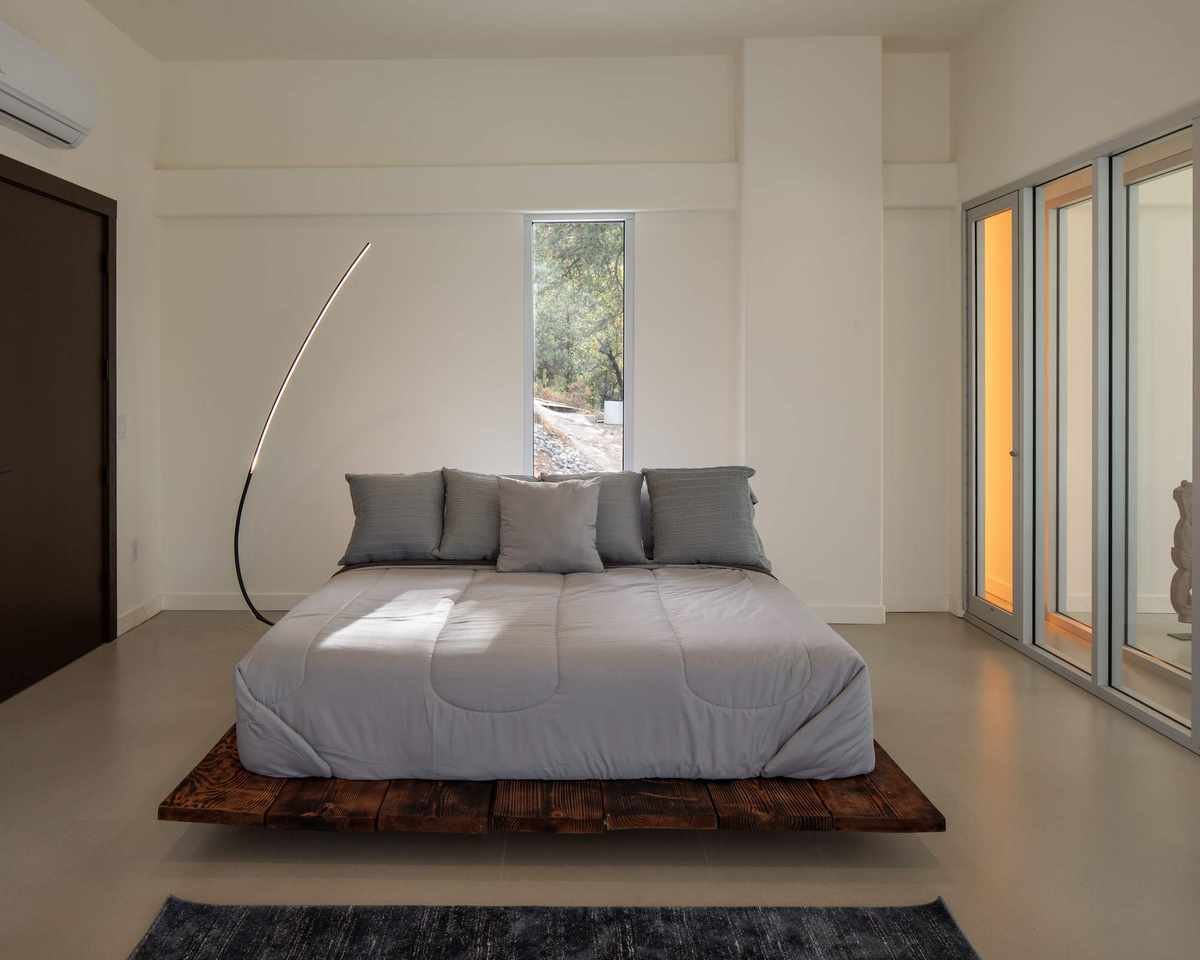
Brutalist interior design appeals to those who appreciate the timeless style of minimalism.
Burt explains that brutalist interiors emphasize simple forms, avoiding excess clutter and intricate finishes. Instead, they celebrate open spaces and textured concrete. This style tends to attract architects more than interior designers, who may prioritize decorative elements over form and space.
What are the notable characteristics of this style? Burt highlights that brutalist interiors typically feature clean lines, basic shapes, textured plaster, a monochromatic color scheme dominated by a single hue, framed views, subtle lighting, and the use of exposed concrete slabs or walls, all of which can transform any space into a brutalist haven.
The Appeal of Brutalist Interior Design

If your home is situated within a brutalist structure, adopting brutalist interior design is a natural extension. Burt notes that this style reflects an honesty in form, and if the building's exterior is straightforward, continuing that aesthetic indoors is seamless.
Nevertheless, brutalist elements can be integrated into any interior. Today's interpretations of brutalism are authentic, pure, and uncomplicated. While they may eschew ornamentation, their striking forms, tactile materials, calming color palettes, uncluttered layouts, and practical, durable furniture make a strong impact.
It's essential to curate your space thoughtfully if sustainability is a priority. Burt emphasizes that while the minimalist nature of this style aligns with the growing focus on reducing embodied carbon in materials, the use of carbon-heavy concrete can pose environmental concerns.
Brutalist interior design can certainly provoke strong opinions and is unlikely to appeal to maximalists. However, its simplicity does not detract from its charm. A monochrome palette enhances attention to forms and textures, and its signature features can be introduced into spaces through industrial materials in furniture and lighting, neutral color schemes, and open layouts. Incorporating houseplants and wood elements can also add a touch of warmth and natural beauty to these interiors.



