
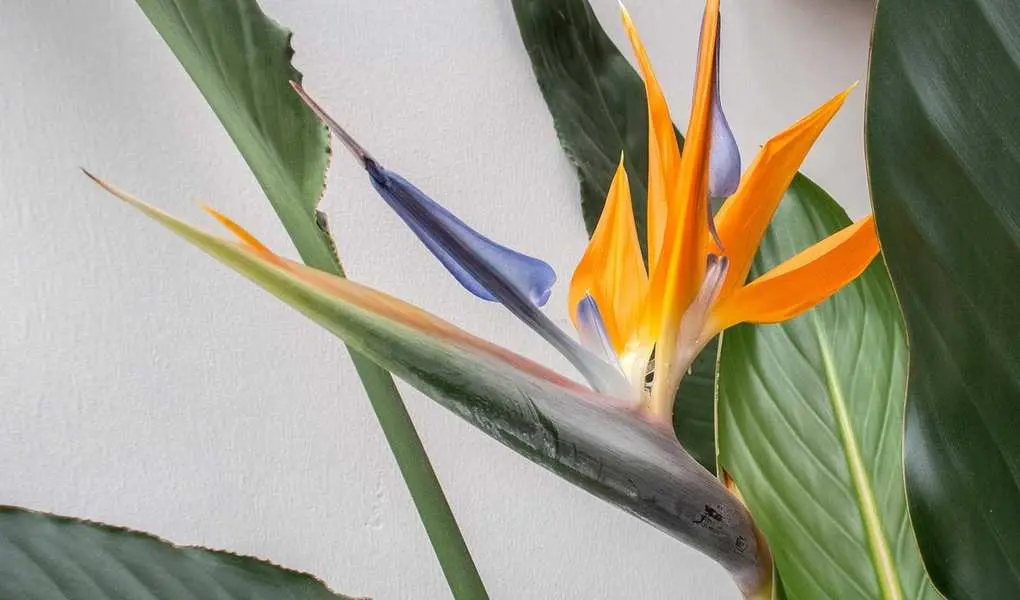
Bird of paradise plants, or strelitzia, hail from South Africa. Due to their preference for tropical climates, they thrive indoors in milder regions. Their striking upright growth and glossy leaves make them an eye-catching addition to any home, especially in sunny spots.
In outdoor settings where conditions are ideal, these plants can produce vibrant flowers resembling birds, earning their common name. However, flowering indoors is less frequent, though occasionally achievable with the right care.
Knowing when to repot your bird of paradise is key to promoting blooms and maintaining its health. Typically, repotting is needed every few years, and it's a straightforward process.
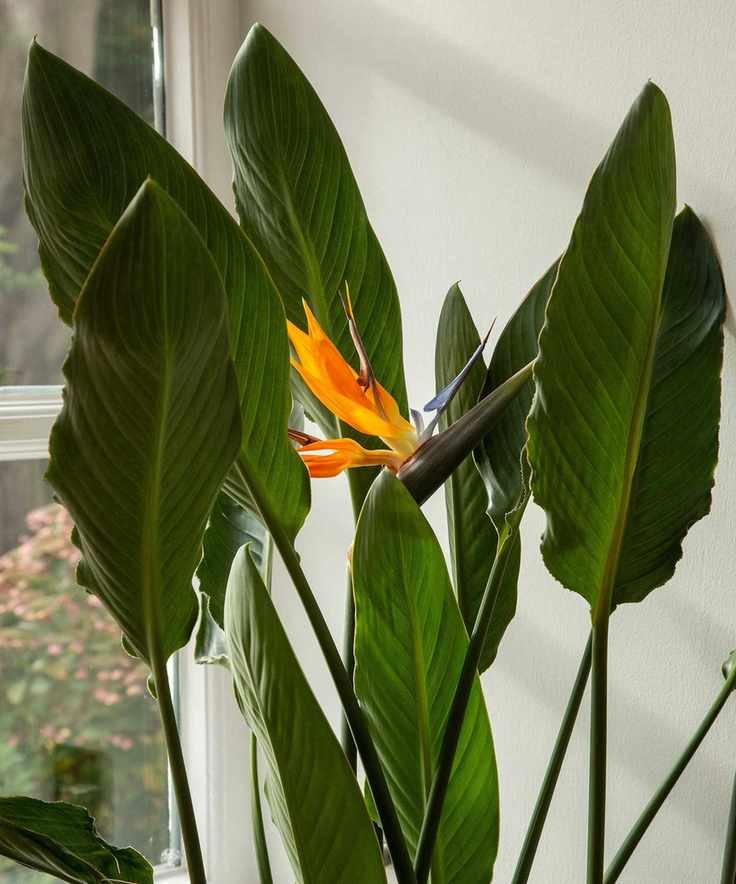
These plants can bloom indoors under the right conditions
When Should You Repot a Bird of Paradise?
Unlike some plants that prefer more space, bird of paradise enjoys being slightly root-bound. According to experts, a six-year-old plant should be in a pot about 10 inches wide, remaining in that pot for several years.
It's best to repot every three to four years, ideally during spring or summer when the plant is actively growing.
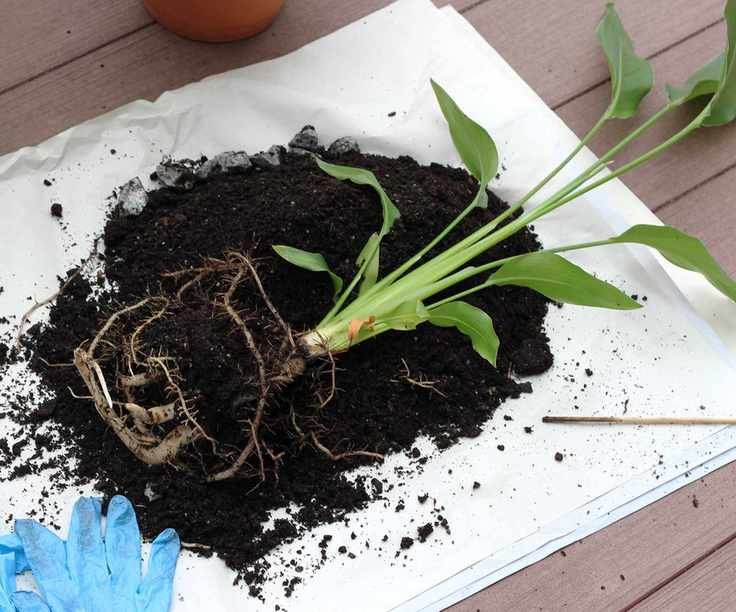
Don't repot your plant too frequently
Steps to Repot a Bird of Paradise

Gardening expert John Negus offers his top tips for repotting:
- Choose a pot that is at least 8 inches wider than the current one.
- Gently remove the plant and use a hand fork to loosen the rootball, especially if roots are circling.
- Place crocks or stones over the new pot's drainage holes and fill with 4 inches of a mix consisting of three parts loam-based compost and one part coarse grit.
- Set the rootball at the same depth as before and add more compost, pressing it gently to eliminate air pockets.
- Maintain a 2-inch gap between the compost surface and the pot rim for watering.
- Optionally, cover the compost surface with slate chippings (available on Amazon) to prevent soil compaction from watering.

These plants feature striking foliage on upright stems
Why Isn't My Bird of Paradise Blooming Indoors?
Indoor flowering is rare for these plants. In addition to repotting only when needed, you can take other steps to enhance blooming potential.
Regular feeding is beneficial, with experts recommending a high-potash fertilizer like tomato feed during spring and early summer to promote flower bud development, switching to a balanced fertilizer afterward for robust growth.
Creating the right environment is crucial. These tropical plants thrive in humidity and warmth but should be shielded from intense sunlight during peak heat. Be cautious with watering, keeping the compost almost dry in winter when the plant is dormant. Avoid fertilizing during this phase.
Patience is essential; these plants may take up to five years to bloom for the first time. If you desire guaranteed indoor flowers, consider incorporating other reliable flowering houseplants into your collection.



