
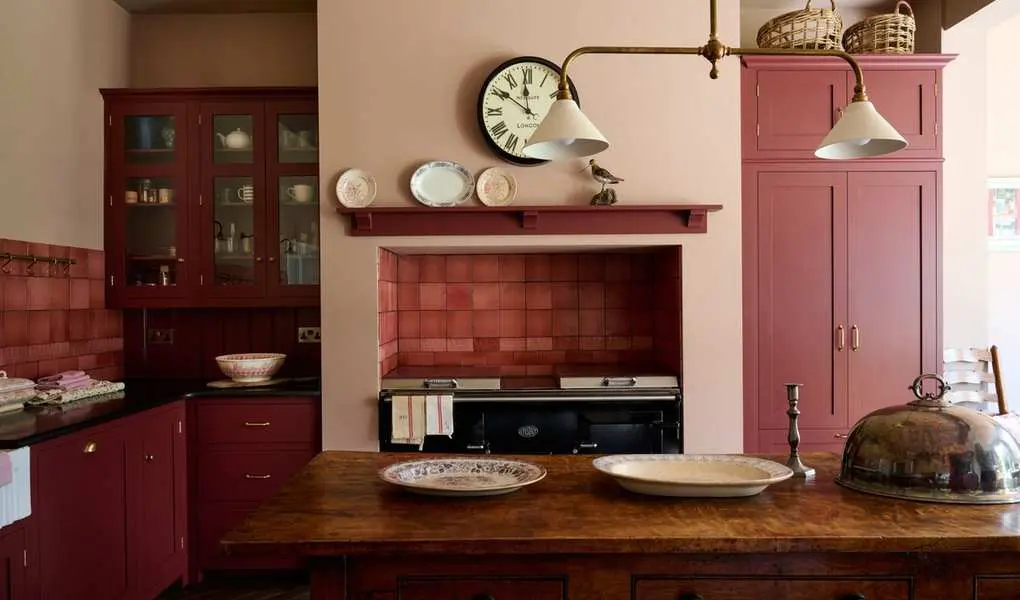
When upgrading to a new appliance, it's essential to dispose of the old one correctly. Improper disposal not only harms the environment but could also lead to legal issues.
Many home appliances contain hazardous materials like refrigerants and heavy metals that necessitate careful handling. Never throw them in the trash. Discarding small appliances improperly or leaving larger ones at the curb can lead to pollution and fire risks.
If it's time to part with a kitchen appliance, here's how to do it safely and legally.
Safe Disposal Methods for Old Home Appliances
1. Refrigerators and Freezers

Fridges can be hazardous if not disposed of properly.
If your fridge or freezer can't maintain a steady temperature, consumes too much energy, or has a failing compressor, it's time for a replacement. To dispose of it safely, reach out to certified recycling programs, appliance retailers (many have trade-in options), or your local waste management service for safe removal. Many regions have programs approved by the EPA for managing refrigerants.
One major mistake to avoid is illegal dumping or attempting to dismantle it yourself. Failing to prepare the unit can lead to toxic refrigerant leaks and hazardous chemicals. In many areas, improper disposal can also result in fines.
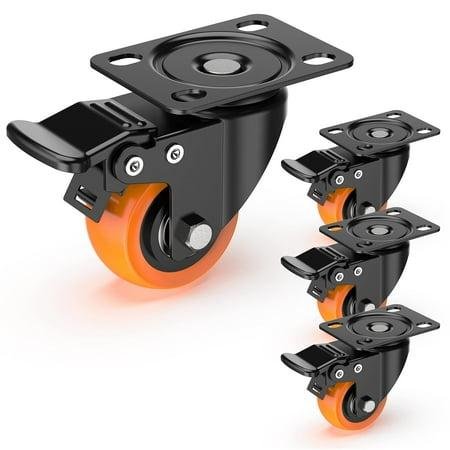 Pack of four
These heavy-duty caster wheels make it easier to move appliances around your home, especially heavy furniture.
 1" x 15' Ratchet Strap Ties
Use heavy-duty ratchet straps to securely transport appliances to a recycling center.
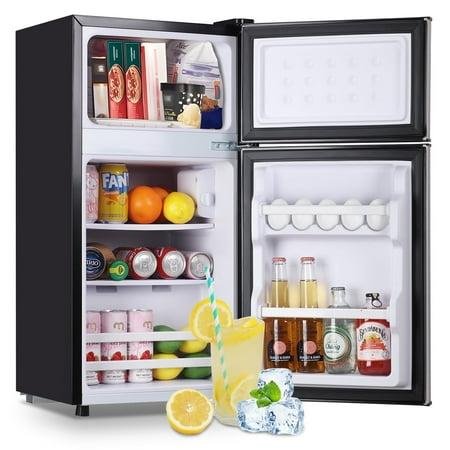 Low noise
This compact fridge with a freezer has two doors and comes in black or silver, equipped with low-noise technology, seven temperature settings, and ample storage.
2. Toasters
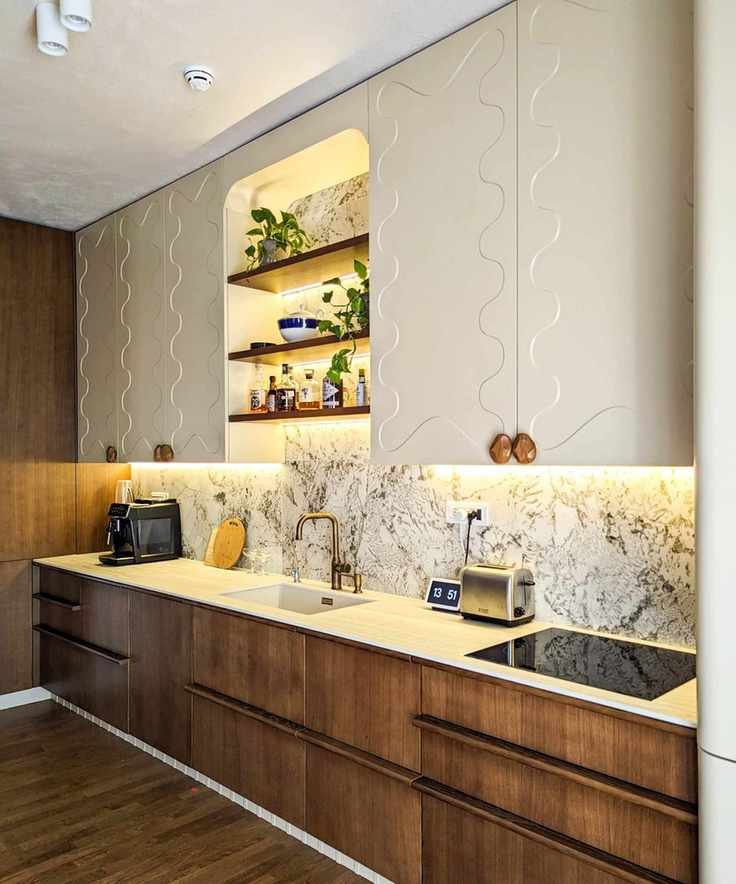
Toasters require special disposal measures.
Even the best toasters can malfunction over time. For safe disposal, check if your local e-waste recycling center accepts small appliances. Alternatively, consider donating functional units or using trade-in programs offered by some retailers.
Do not discard toasters in the trash or attempt to take them apart yourself. A common mistake is tossing them directly into landfills, which can lead to metal leaching. If unsure, hire certified disposal professionals.
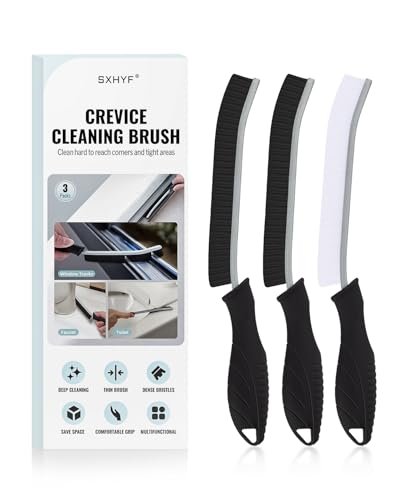 Set of three
These brushes fit into narrow spaces, allowing you to clean your toaster effectively and prolong its lifespan.
 Pack of 12
Microfiber cloths are excellent for cleaning your toaster's exterior and crumb tray, preventing burning smells.
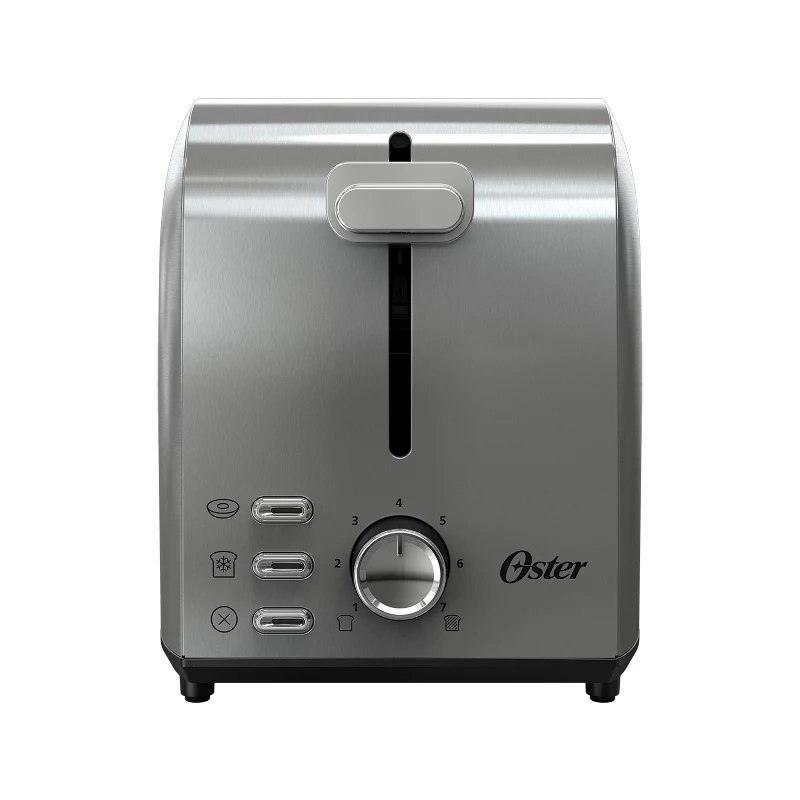 Extra-wide slots
This stylish stainless steel toaster features extra-wide slots and a high-lift lever for easy retrieval. It includes seven shade settings and a removable crumb tray for convenience.
3. Microwaves

Microwaves contain electrical components that require careful handling.
Knowing when to replace a microwave is essential. Muffetta Krueger, founder of a housekeeping service, recommends checking electronic recycling programs or hazardous waste collection sites. Many facilities accept microwaves for safe dismantling. Retailers like Best Buy offer appliance recycling services.
Never toss microwaves in the trash due to toxic components. Also, avoid dismantling them yourself, as the internal capacitor can hold lethal charges.
Black+Decker's digital microwave features a large LED display, 10 power settings, and pre-programmed buttons for convenience.
4. Dishwashers

Dishwashers should be removed by professionals.
If your dishwasher leaks or fails to clean properly, it's time for a replacement. These machines contain metals and electronics, making improper disposal hazardous and illegal in many areas. Mold can develop from trapped water if disposed of incorrectly.
Consider checking if your appliance retailer offers haul-away services. Donating functional dishwashers to shelters or nonprofits is also a good option. Many scrap metal recycling centers accept dishwashers, and some municipalities provide bulk waste pickup.
 Pack of 28
These EWG-verified pods clean effectively without harmful chemicals.
 Kills mold and bacteria
Distilled white vinegar helps clean dishwashers, killing bacteria while neutralizing odors.
 Quiet and compact
This compact countertop dishwasher is perfect for small spaces and offers multiple cleaning programs.
5. Space Heaters
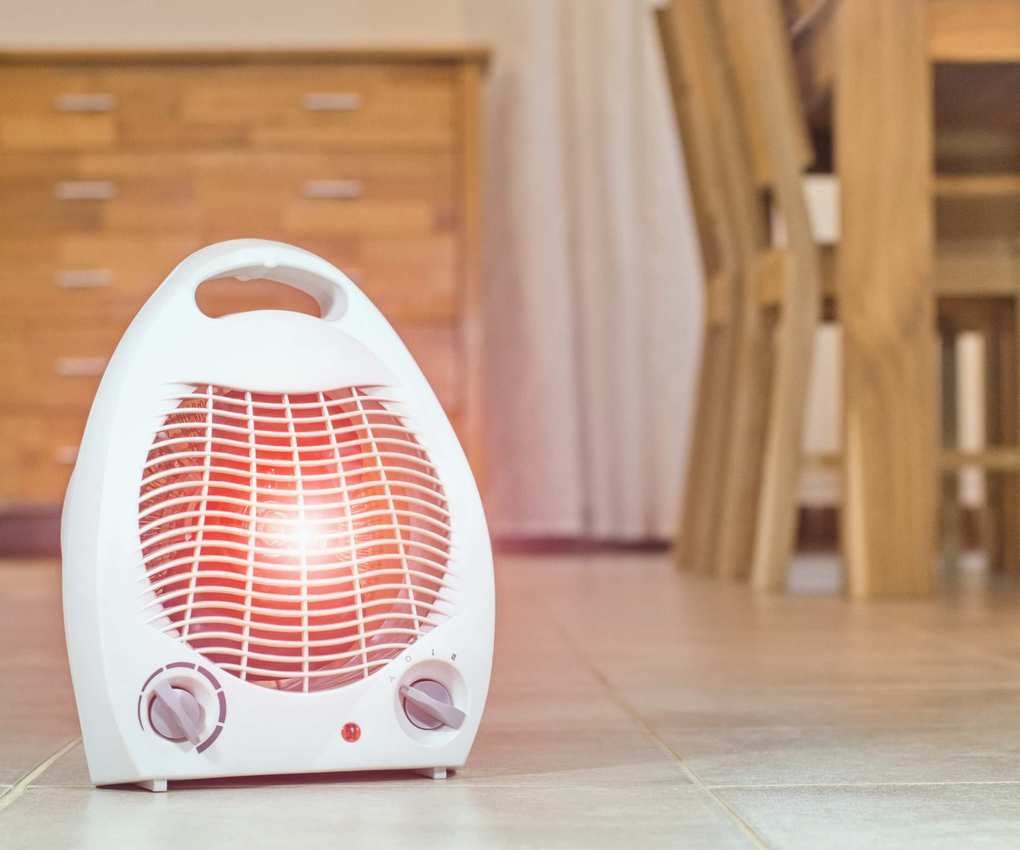
Space heaters can pose environmental hazards if discarded improperly.
If a space heater shows signs of overheating or emits strange odors, it's time for a replacement. Never throw old space heaters in the trash. Doing so can lead to environmental contamination from leaks. Some models may also contain hazardous materials.
If the heater is still operational, consider donating it. If it's broken, reach out to hazardous waste disposal or e-waste recycling centers for safe handling.
Dreo's space heater offers efficient heating with wide-angle oscillation and safety features.
6. Washers, Dryers, and Combos

Appliance companies can often remove washers and dryers upon delivery of new ones.
Signs of a washer or dryer nearing the end of its life include excessive shaking, leaks, or long drying times. Improper disposal of these appliances can be illegal and harmful to the environment.
Recycle old units through scrap metal services, as they contain valuable materials. Many retailers offer removal services when delivering new appliances. If they still work, consider donating them or checking for utility rebate programs for recycling.
Ecover's detergent is free from harsh chemicals to extend your washing machine's life.
 Pack of three
Organic wool dryer balls provide an eco-friendly alternative to dryer sheets.
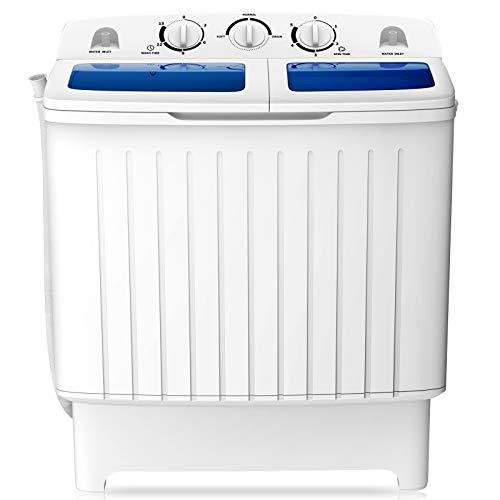 Lightweight
This compact twin-tub washing machine is perfect for small spaces with adjustable timers.
FAQs
What if my appliance still works but I want to upgrade?
If your appliance is functional, consider donating it to a charity, school, or shelter. Thrift stores also accept working appliances for resale. Some retailers offer trade-in discounts for old appliances too.
How do I put my old appliances out for bulk trash pickup?
It varies by location. Some cities allow bulk pickups for large appliances but may require removing doors or scheduling special services. Always check local waste management guidelines first.
Are there laws regarding appliance disposal?
Yes, especially for refrigerators and air conditioners due to hazardous materials. Federal and state regulations often require certified disposal. Illegally dumping can result in fines, so verify local laws or use licensed recycling services.
Disposing of home appliances responsibly is crucial for environmental protection and community safety.
Next, explore appliance placement guidelines for an efficient kitchen setup.



