
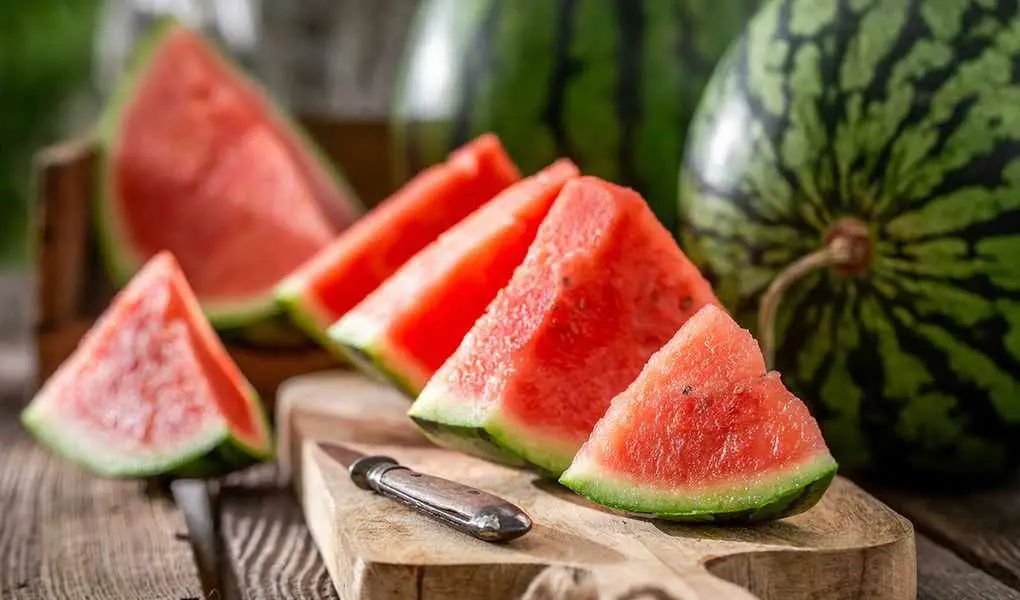
Watermelon slices are a delightful summer treat, and if you’re in a suitable climate or have a greenhouse, they can be fun to grow. After enjoying the fruits, save the seeds instead of tossing them out, allowing you to plant them again next spring.
This eco-friendly method not only promotes sustainability but also saves you money, as an expert on growing your own food explains. Plus, it’s a straightforward process once you know the basics.

Charmaine Peters
Charmaine Peters oversees a five-acre working farm in Wellington, Florida, where she manages a community farm-share program.
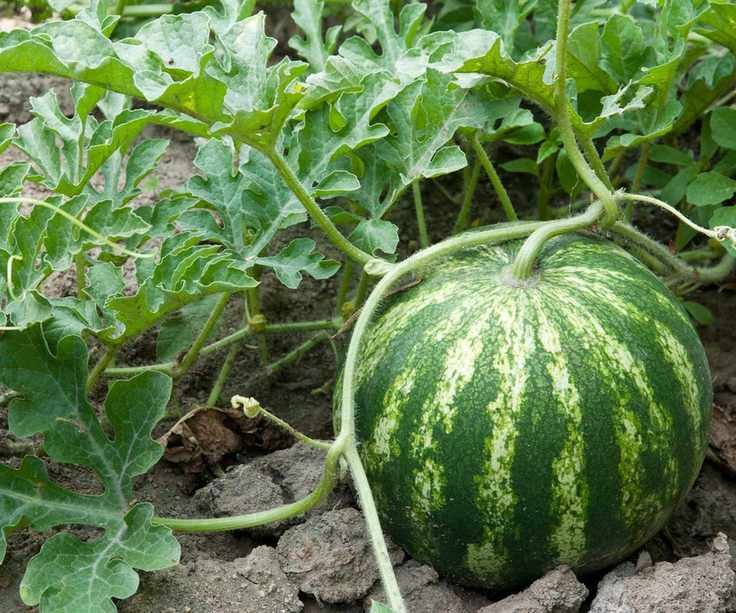
Watermelons are a great crop to cultivate
Expert Tips for Saving Watermelon Seeds Successfully
Follow this practical advice to grow your own delicious fruits.

Harvest seeds easily while enjoying these fruits
Selecting Watermelons for Seed Harvesting
“When saving seeds, ensure they come from either open-pollinated or heirloom varieties,” advises Charmaine. “Heirloom types have demonstrated quality and adaptability to local conditions. They retain traits similar to the parent plant.”
Examples of heirloom varieties include 'Georgia Rattlesnake', 'Orange Tendersweet', and 'Black Diamond' from Ferry-Morse.
“Open-pollinated seeds are typically easier to find and less expensive than heirloom options,” she adds. “Both types provide consistency for flavor, color, and size in your watermelons.”
In contrast, using seeds from hybrid varieties can lead to unpredictable results, and some may even be sterile or seedless. This is also true for cucumbers.

Don't collect seeds from hybrid varieties
Timing Your Watermelon Seed Harvest
To collect seeds, choose a fully ripe watermelon. “Look for a creamy yellow spot on the bottom where it rested on the ground,” Charmaine explains. “A brown stem also indicates ripeness,” she adds.

Gather seeds from fully ripe fruits
Four Steps to Collect Watermelon Seeds
After selecting your watermelon, follow these steps to gather the seeds:
- “Harvest seeds while enjoying the watermelon, or remove them by hand,” Charmaine suggests. “Discard any white, underdeveloped seeds and keep the plump black ones.”
- Transfer the seeds to a glass or plastic container, add water, and stir to wash off the pulp.
- Allow them to sit at room temperature for two to three days, stirring occasionally. Viable seeds will sink, while bad ones will float.
- Drain the water, discarding the floating seeds. Spread the remaining seeds on a paper towel and let them dry in a cool, dark spot until crisp. They’ll be ready for storage and planting in spring.

The seeds can be stored safely until planting time
Storing Watermelon Seeds
“Store seeds in an airtight container and label it with the date,” Charmaine recommends. “This helps you keep track of seed viability, as it declines over time. Using older seeds first ensures better germination.”
Store the container in the refrigerator or a cool, dark place, like a pantry or basement. “Avoid areas with temperature changes or high humidity, as they can harm seed viability,” she adds.
Seeds can last up to five years. Check them periodically to ensure they’re still viable for planting. Remove any seeds that show signs of mold or damage.
Can You Save Seeds from Store-Bought Watermelons?
While it’s possible to save seeds from store-bought watermelons, these often come from hybrid varieties. This can lead to unpredictable results, and the seeds might not germinate.
Consider saving seeds from other plants in your garden, too. Whether from tomatoes, coriander, sunflowers, or zinnias, it’s a fun and rewarding project that cuts down on future seed purchases.



