
After you’ve cleared out a space in your home, it’s tempting to leave bags of items by the door or stash them away in the garage or attic. However, leaving these items out can defeat the purpose of decluttering and create a sense of chaos as they linger for weeks.
Expert organizers emphasize the importance of having a plan to dispose of decluttered items immediately. Here’s how to handle what you’re letting go.
Effective Ways to Manage Decluttered Items
When deciding where your items should go, Bonnie Borromeo Tomlinson, a professional declutterer, advises to focus solely on decluttering before worrying about logistics.
“Initially, don’t concern yourself with where items will end up; concentrate on downsizing. Fixating on the value of items can halt your progress,” she explains.
“During this phase, prioritize what you want to keep. For everything else, place it in a designated area temporarily out of view.”
Once you've made your decisions, you can create a strategy.
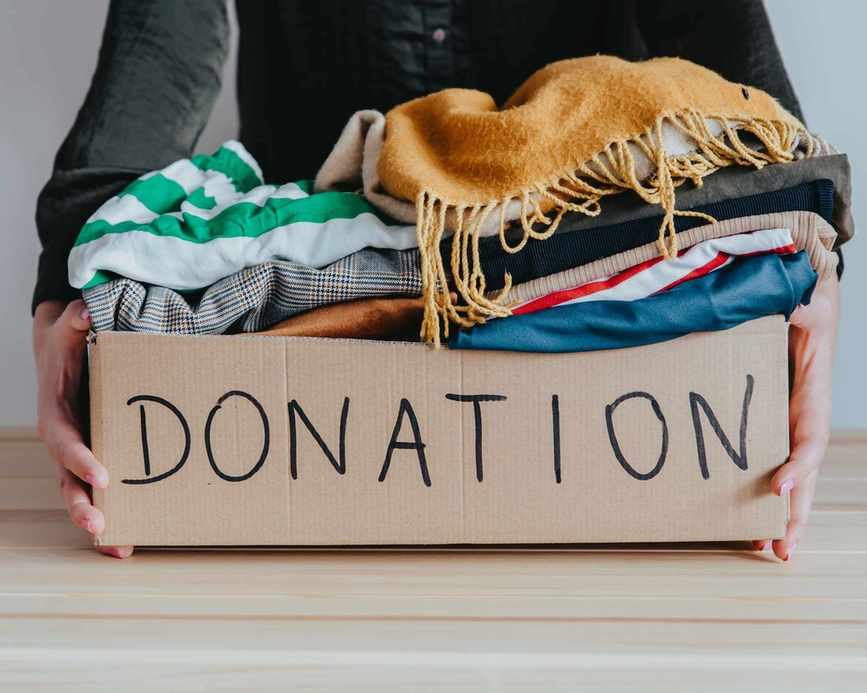
1. Donate or Recycle Clothes
When clearing out your closet, categorize your ‘discard’ pile into two groups: clothes in good condition for donation and those that are too worn to give away.
“Donate items that are in acceptable condition,” recommends Prerna Jain, a professional organizer from Ministry of Cleaning. “Many organizations, including Goodwill and Salvation Army, welcome clothing donations.”
Be mindful that some items should never be donated.
“Recycle clothing that’s no longer wearable. Numerous textile recycling programs accept items that are stained or damaged. If you're crafty, consider repurposing old clothing into something new, like a tote bag or denim skirt.”
2. Donate Sentimental Items to Meaningful Places
Getting rid of sentimental items can be challenging. However, choosing a meaningful location for these items can ease the process, shares Diane Quintana, a professional organizer.
“I encourage my clients to think of places that have significance to them while decluttering. For example, donating to a church thrift shop can motivate individuals to part with items they know others will appreciate,” she notes.
“Children's toys are easier to let go of if donated to a daycare or school your family is connected to.”
“Clothes for job interviews can be donated to Dress for Success, helping individuals present themselves professionally, while furniture donations can benefit Habitat for Humanity or veteran assistance programs.”
“Feeling a sense of purpose in your donations can make it easier to release items from your home,” she adds.

3. Dispose of or Donate Food Items
When clearing your pantry, you’ll often find expired food that should be thrown away.
Helen Kaminkski, a counselor at Therapy Helpers, notes that sealed, unused food can be donated to food banks where it can help those in need.
If you’re decluttering your kitchen, consider donating pots and dishes in good shape to food kitchens or for students heading to college.
4. Arrange for Curbside Pickup for Larger Items
Some decluttered items, particularly furniture, can be cumbersome to transport.
“A quick online search can reveal organizations that pick up furniture and household items, like the Salvation Army. Some services also offer complimentary pickups, like Pick Up Please, associated with the Vietnam War Veterans of America,” advises Sarit Weiss, a leading organizer.
“The key to a successful decluttering session is promptly removing bags from your home to prevent them from becoming clutter again. Many groups now offer easy online scheduling for pickups.”
5. Donate Books to Local Libraries
While decluttering books, consider donating to your local library. Amélie Saint-Jacques, a professional organizer, suggests that children’s books could be a great gift for local daycare centers or schools.
“Books can also be sold at second-hand stores or donated to Little Free Libraries within your community,” she adds.

6. List Items on Online Marketplaces
“Items can be sold easily on platforms like eBay or Facebook Marketplace, or even at a yard sale,” suggests Bonnie Borromeo Tomlinson. “You can also give items away for free on local Facebook Buy Nothing pages or leave them on the curb with a free sign if you want to help someone in your area.”
Try the 30-day selling rule. If there’s no interest after that period, consider alternative options like donating or scheduling a pickup.
All-in-One Declutter Planner | $3.92 at Etsy
This printable planner is ideal for tackling clutter without missing any steps, helping you manage belongings effectively.
FAQs
Why is it not ideal to throw away unwanted items?
Tossing unwanted things in the trash might be easy, but it’s often wasteful, especially if items are still usable. Disposing of items contributes to landfill waste when they could be reused or donated, benefiting those in need.
Items should only be discarded if they’re expired, used, or in poor condition beyond repair.
How can I declutter without feeling guilty?
To avoid guilt while decluttering, try to ensure items are going somewhere useful instead of straight to the trash. Donating, recycling, or selling ensures the item continues its journey, preventing landfill waste and possibly aiding someone else in the process.
Although it’s often best to declutter first and plan later, having a destination can streamline the process. For instance, when clearing a closet, decide where to donate and establish a timeline for doing it. This way, you can take items to their new homes right after sorting, preventing clutter from accumulating.
Next, discover guilt-free methods to part with unwanted gifts.