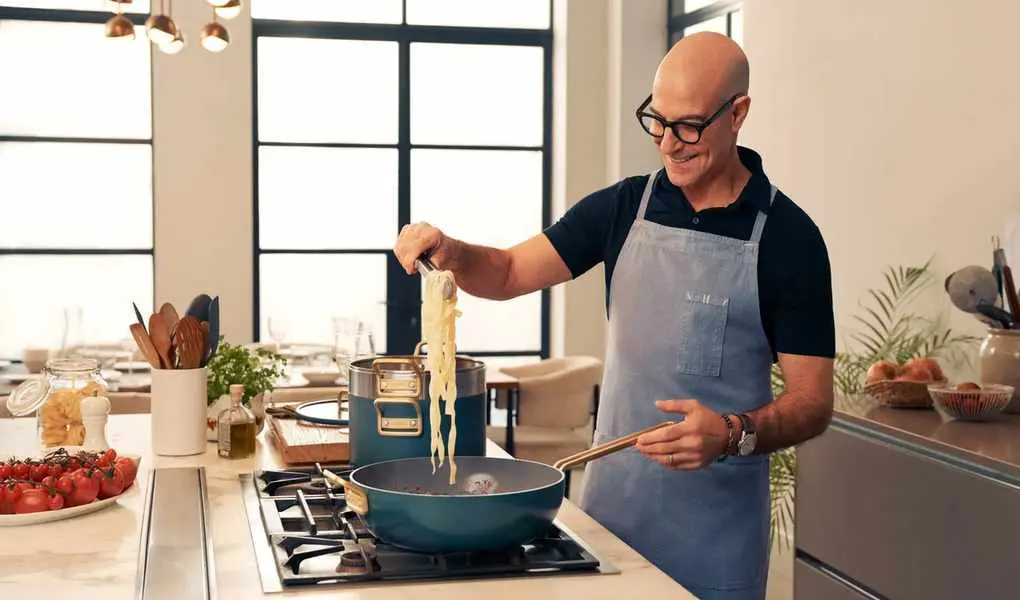
The Stanley Pan shines, but the Dutch oven didn't meet my high kitchen standards. Overall, I rate the collection 4.5 stars for its thoughtful design, non-toxic materials, impressive searing capabilities, and attractive appearance that invites you to cook. Let's dive into my Italian cooking experience.
Pros of the Collection
- +
PFAS-free, non-toxic materials
- +
Non-stick ceramic coating
- +
Easy to clean
- +
Versatile frying pan style
- +
Excellent browning results
- +
Available in beautiful colors
Cons of the Collection
- -
Dutch oven handles get very hot, making them hard to hold
- -
Pricey for what it offers
As a cookware editor and reviewer, I approach celebrity kitchenware with caution. While many celebrity launches prioritize aesthetics over functionality, I've been pleasantly surprised by some, like certain pans endorsed by Gordon Ramsay. So, I set my skepticism aside to test Stanley Tucci's cookware.
To truly evaluate the range, I focused on two standout pieces: The Stanley Pan and the Dutch Oven, using them for classic Italian recipes. Here's how they performed.
Specifications
GreenPan x Stanley Tucci Ceramic Non-stick Essential Stanley Pan
- Made in Italy
- Available in 4.5 quarts (serves 4–6) or 6.5 quarts (serves 6–8)
- Thermolon™ Infinite8 ceramic nonstick coating
- PFAS-free non-stick
- Tight-fitting tempered glass lids
- Constructed from 70% recycled aluminum
- Compatible with all cooktops (best for induction)
- Oven and broiler safe up to 600°F; lids safe to 425°F.
GreenPan x Stanley Tucci Ceramic Non-stick Dutch Oven
- Made in Italy
- 6.5 quart capacity
- Thermolon™ Infinite8 ceramic nonstick coating
- PFAS-free non-stick
- 70% recycled aluminum construction
- Compatible with all cooktops (best for induction)
- Oven and broiler safe up to 600°F
Design & Materials
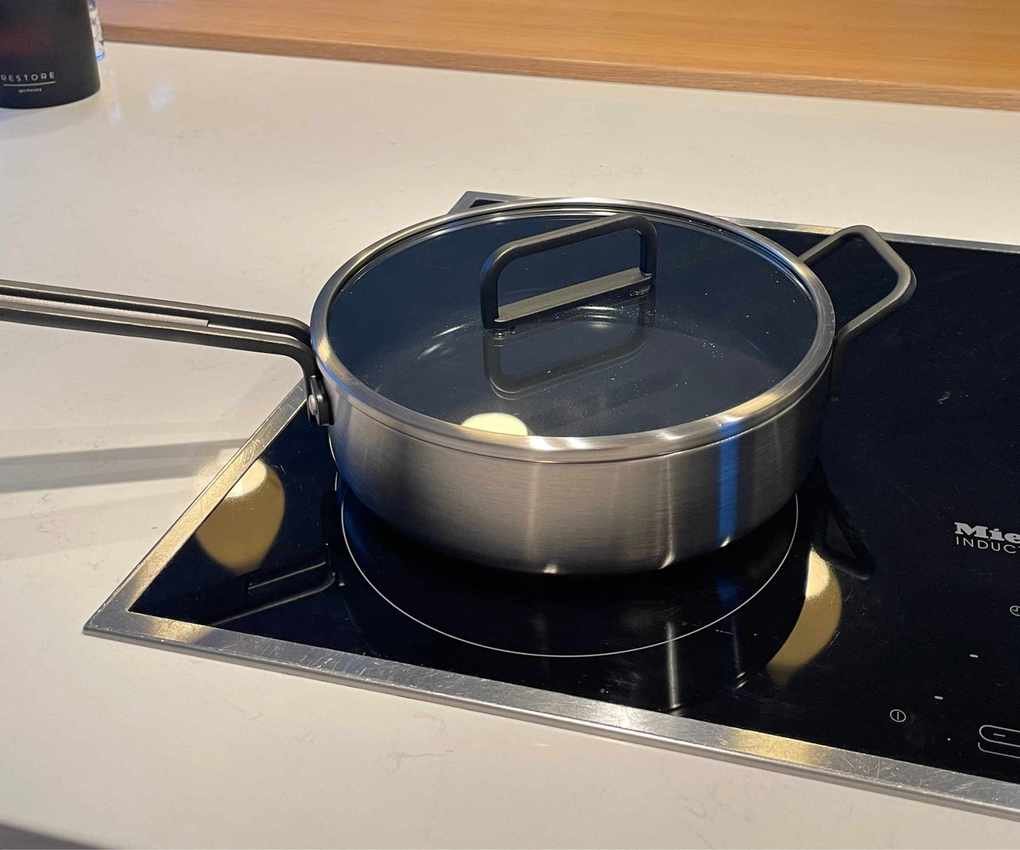
The stainless steel 'Stanley Pan' on my induction hob
Upon arrival, Stanley Tucci's cookware appeared chic and polished, worthy of display. The Stanley Pan is crafted from at least 70% recycled aluminum, aligning with sustainability efforts. Its ceramic non-stick coating is infused with diamond particles, enhancing heat conductivity and scratch resistance. Importantly, it is free from PFAS, PFOA, lead, and cadmium, ensuring safety against overheating.
I tested the stainless steel model, which boasts a sleek, modern design and is currently available at a discount. However, the newer color options such as Amalfi Sunset and Tuscan Olive are irresistible, adding a Mediterranean flair to any kitchen.

The Dutch Oven from Stanley Tucci's cookware collection in Venetian Teal
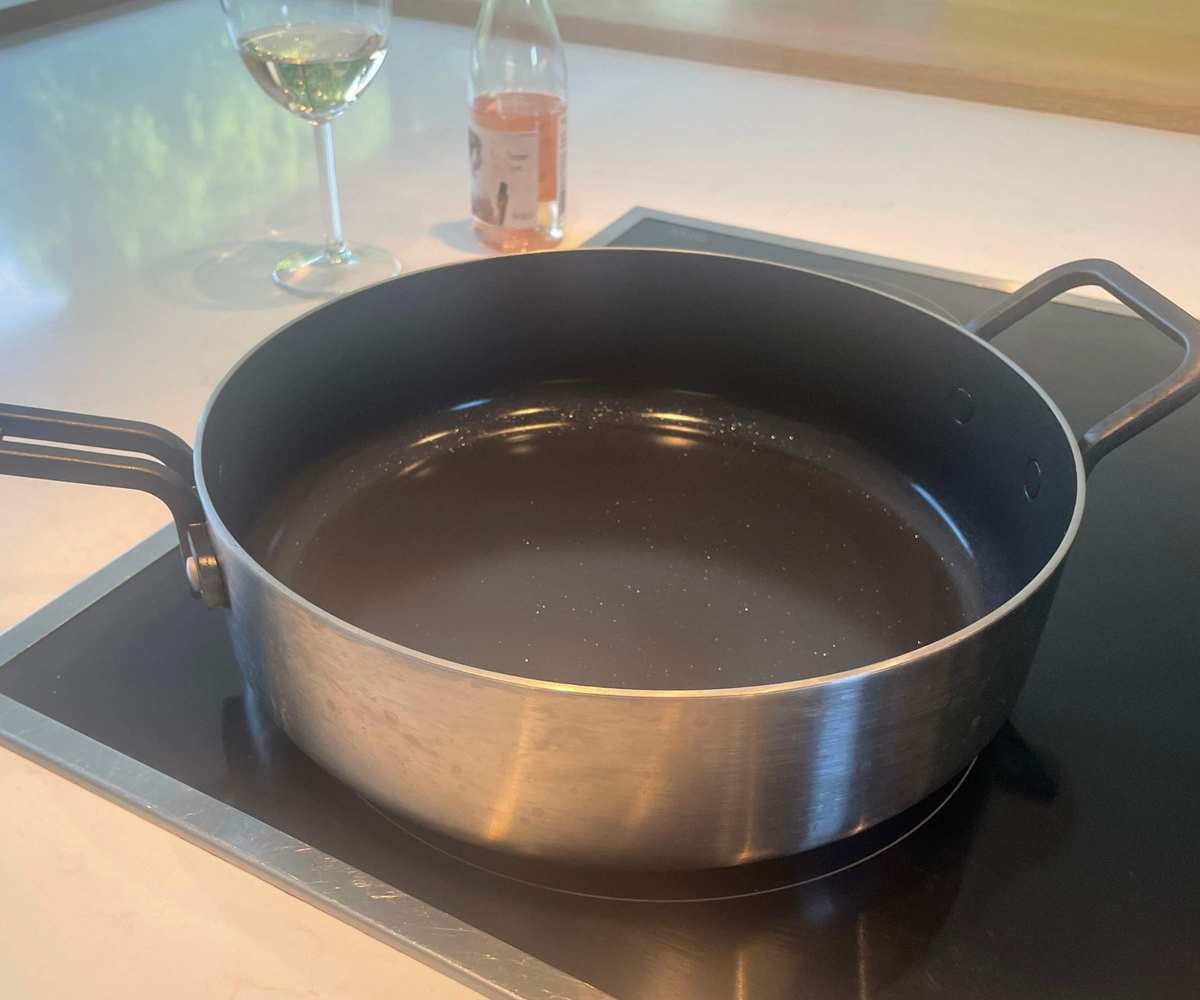
In Venetian Teal, the Dutch Oven mirrors the Stanley Pan in materials, featuring a diamond-infused ceramic coating. Both pieces come with a stainless-steel base that fits flush on induction cooktops and is compatible with gas burners.
The gold-tone handles intended to convey a premium feel fell short, feeling somewhat cheap and uncomfortable. While the pot itself was lightweight, I struggled with grip due to the design of the handles, which didn't inspire confidence.
Cooking Performance
1. The Stanley Pan
The Stanley Pan stands out in the collection. Its wide, rounded edges make it ideal for tossing pasta and reducing sauces. I decided to use it for a creamy asparagus and lemon pasta.

Frying asparagus spears in The Stanley Pan
Initially, I sautéed fresh asparagus to evaluate heat responsiveness and non-stick properties. The pan heated quickly, allowing the spears to brown evenly with minimal oil. Lightweight yet spacious, it provided ample room for the asparagus to cook perfectly.
Next, I added garlic, lemon zest, juice, cream, parmesan, and spaghetti. The sauce reduced quickly, creating a glossy finish. Success!
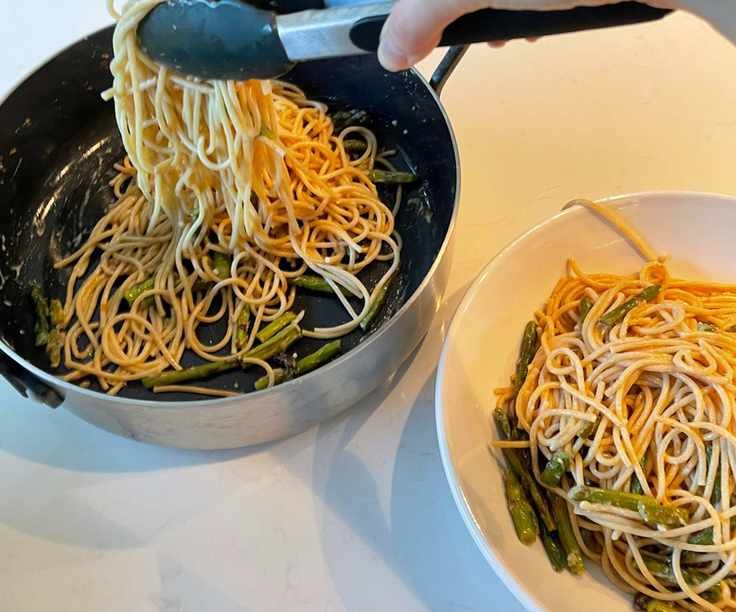
Serving asparagus & lemon pasta from The Stanley Pan
After cleaning, I used the Stanley Pan again for garlicky breadcrumb chicken. A thin layer of oil was all it needed, and despite initial concerns about heat, the crumbs turned golden after 3-4 minutes per side. Some crumbs did brown too much, but the chicken remained juicy and crispy.
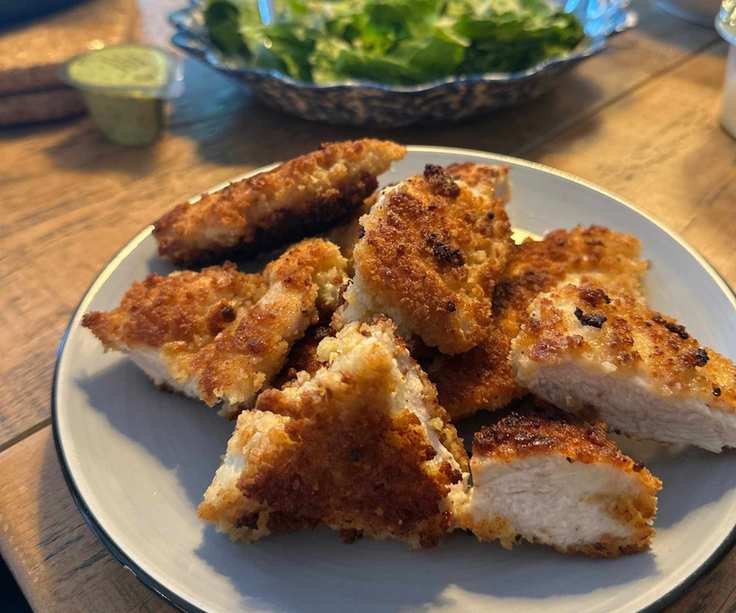
Breaded chicken parm cooked in The Stanley Pan
The chicken was tender inside with a crispy exterior, and I was able to baste it by pooling oil in the pan's rounded edges. I served both dishes with a fresh green salad, and they were a hit with my family.
2. The Dutch Oven
For the Dutch oven, I made a one-pot pasta dish, testing its ability to brown meat and retain heat for slow cooking.
I began by searing pancetta without oil. Unlike inferior pans, the ceramic surface of this cookware allowed it to brown evenly and release easily. Garlic and walnuts were added next, toasting perfectly.

Frying pancetta in the Dutch Oven from Stanley Tucci's cookware collection
After creating a nice fond, I deglazed with white wine and added red onions, which caramelized beautifully without burning.
I then mixed in kale and mafalda pasta, finding ample room for all ingredients.

A one-pot pasta dish in the Dutch Oven
While the Dutch Oven was visually appealing, the handles were extremely hot, making it difficult to remove from the stove even with oven mitts.
Cleaning & Maintenance
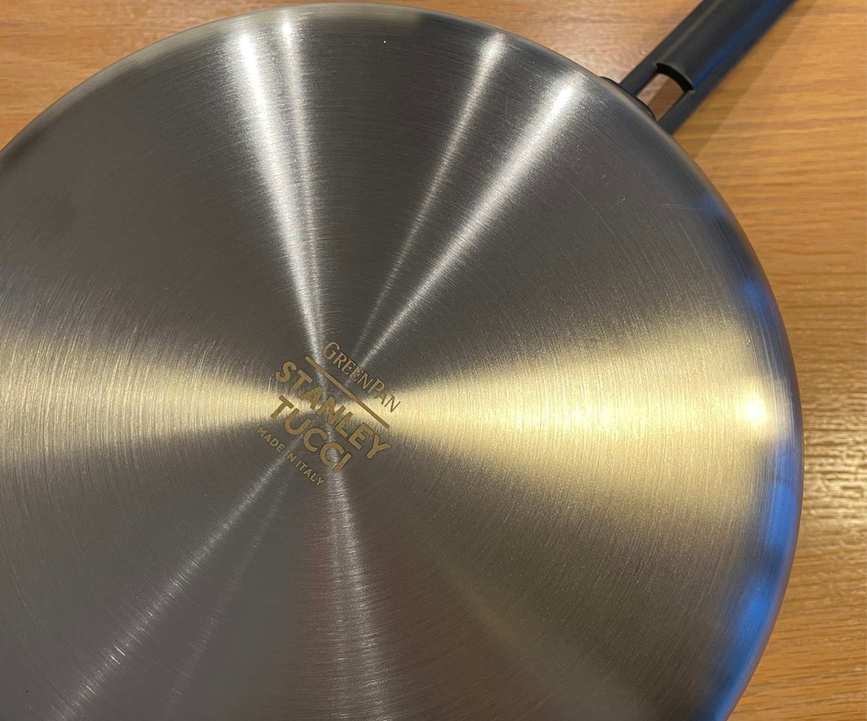
The 'Made in Italy' logo on the bottom of Stanley Tucci's cookware
Cleaning the ceramic non-stick surface was a breeze; just a soft sponge and warm, soapy water sufficed. After cooking chicken and pancetta, there was minimal residue, making it easy to clean. However, avoid abrasive tools that could scratch the ceramic coating. Stacking pans requires caution, but a pan protector is included to prevent damage.
I noticed the glass lids and steel exterior developed cloudiness from water spots, so I used vinegar to polish them back to clarity. The matte color options might have been a better choice for easier maintenance.
Comparing to Other Brands

The 'Tucci' logo on the lid of the Dutch oven
I've tested numerous top non-stick cookware brands, and Stanley Tucci's collaboration with GreenPan ranks among my favorites for its appealing design and safe materials.
I found the Stanley Pan practical and versatile, making it suitable for various recipes, from pasta to fried dishes. Its effectiveness and durability remained consistent after three months of weekly use.
However, I'm not convinced about the Dutch Oven; I prefer my Le Creuset for its superior heat retention and durability. Although Le Creuset isn't entirely non-stick, the sear quality is unmatched. I noticed some chipping on the Tucci Dutch Oven after regular use, and the handles lack a practical design.
A similar Le Creuset model costs about $100 more, but for a dedicated cook, I'd choose the durable option every time.
Should You Buy Stanley Tucci's Cookware?
If you admire Stanley Tucci's culinary show, this cookware line offers plenty to appreciate. The Tucci x GreenPan set combines elegance, eco-friendliness, versatility, and performance in a thoughtful package.
While it won't replace my cherished cast iron Dutch oven, the generously sized frying pan has become my go-to for pasta and sauces. I just wish I had it in one of those stylish, retro colors inspired by Italian sports cars – then it would be permanently on my stovetop.
Testing Process for Frying Pans
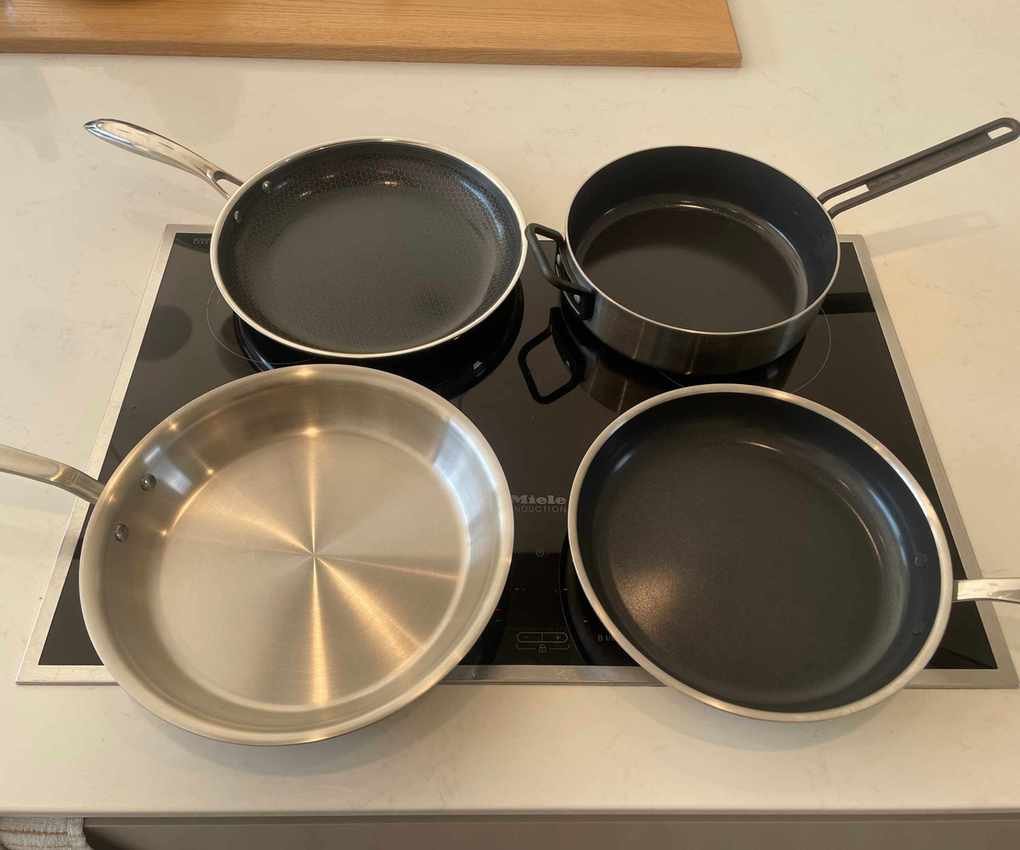
Quality cookware must excel in versatility, weight, cooking performance, and ease of cleaning. I also focus on finding the best non-toxic options.
Each pan undergoes a month-long test to evaluate durability. Many pans perform well initially but can stick and fail over time. I look for pans that can handle everything from eggs to steak while feeling balanced in hand.
I specifically test notoriously tricky ingredients, assessing their performance and the cleanup required, as no one wants to scrub excessively after cooking.
Additionally, I trained in a professional culinary school and now work as a food writer, product tester, and recipe editor. My standards for cookware are high, influenced by my experience with leading recipe companies.