
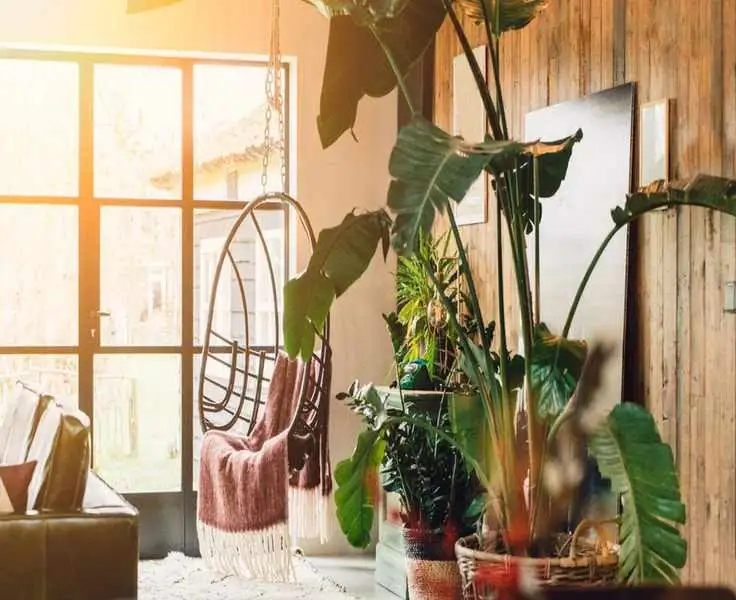
In Feng Shui, houseplants are essential for fostering positive energy. While certain indoor plants are great for enhancing your space, others can have a detrimental effect.
It's not just about selecting appropriate plants and placing them haphazardly. Achieving good fortune through houseplants requires thoughtful consideration. According to Feng Shui expert Suzanne Roynon, 'Houseplants can function as a remedy to create balance and inspire harmony within your environment.'
However, there are common mistakes to watch for with Feng Shui houseplants. Don't worry; learning from these errors is part of the journey, and they're usually easy to correct. To guide you, we consulted experts about the typical errors to avoid as you strive for good fortune in the upcoming year.
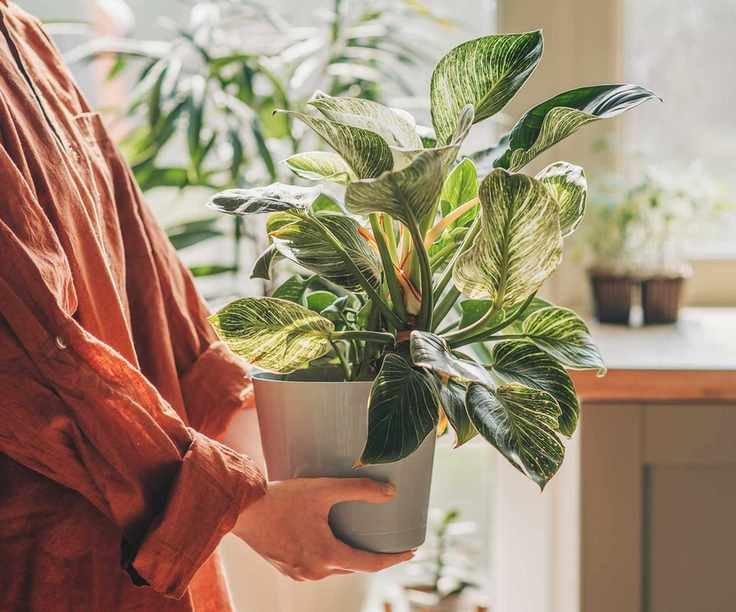
5 Feng Shui Houseplant Errors to Sidestep
If you're new to Feng Shui, mastering all its principles can feel overwhelming. Instead, focus on one area at a time, such as houseplants. Below, experts share key mistakes to avoid to effectively use plants in your home for positive energy and good fortune.
1. Overcrowding Houseplants
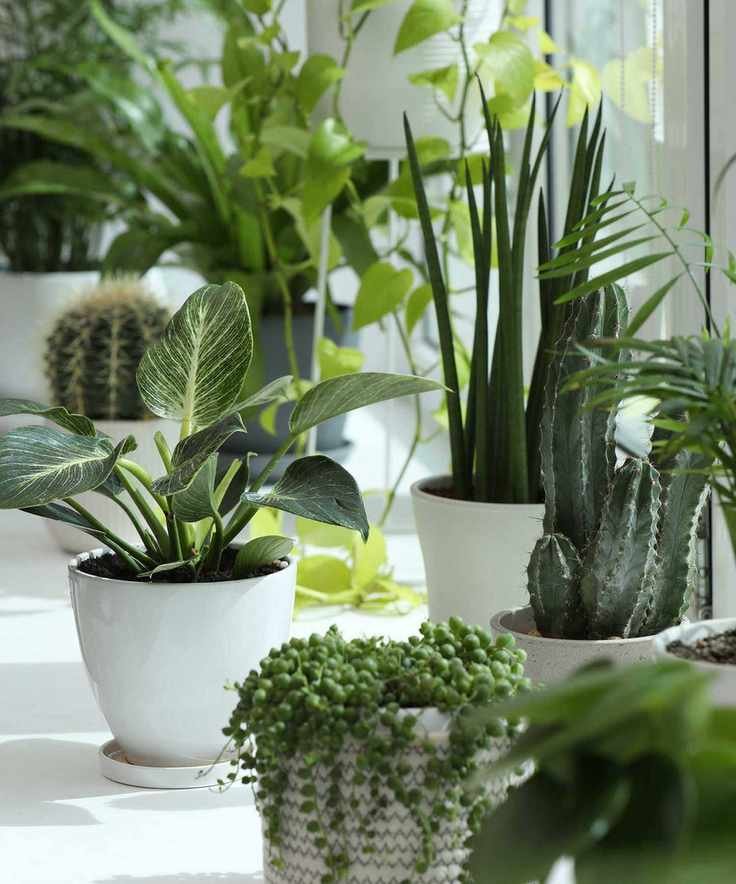
According to Suzanne, 'Plants are considered a 'wood remedy' in Feng Shui, and when positioned correctly, they can enhance growth and flexibility in the home.' However, placing too many plants together can lead to an excess of wood or fire energy, disrupting the balance.
For instance, too many plants in the bedroom may create an overly stimulating environment, impacting sleep quality, notes Hannah Yang, Psy.D, a psychologist and Feng Shui expert. To maintain positive energy, avoid crowding your space and instead place plants thoughtfully: 'Understanding a home's unique energy is crucial for positioning houseplants effectively,' Suzanne advises.

2. Selecting Sharp-Leaved Plants
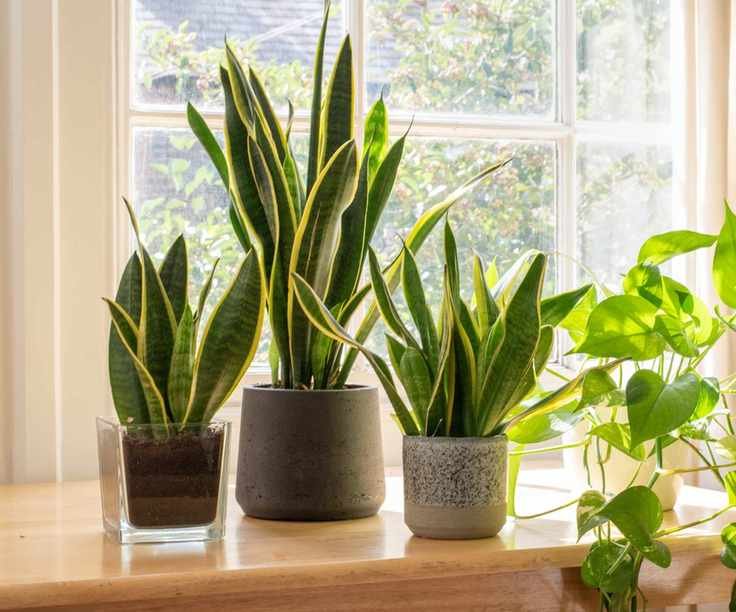
The type of leaves your houseplants have affects the energy they contribute. Experts recommend avoiding plants with sharp, pointed leaves. Suzanne warns against 'anything with sword-like foliage, thorns, or poisonous traits.' This includes snake plants, cacti, and certain succulents.
Spiky plants, like aloe vera, can disrupt the energy of your home, creating tension and irritability. If you use aloe for its skin benefits, keep it out of the bedroom, she suggests. Opt for plants with rounded or softer leaves for a more inviting atmosphere.
Consider selecting the best ferns or indoor trees, such as money trees, which feature softer foliage. Don't forget about pet-safe plants to ensure the well-being of your furry friends.

3. Choosing Incorrectly Sized Plants
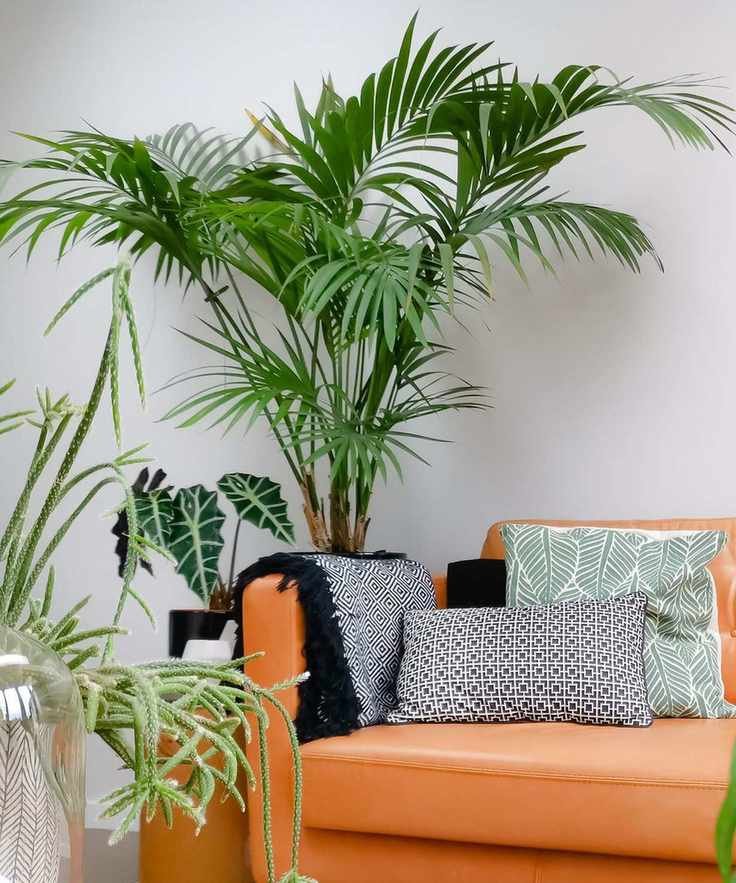
Houseplants come in diverse sizes, which can greatly affect your home's energy. If you have low ceilings and opt for large plants, the result can be cramped energy. Conversely, tiny plants in a vast space can feel lost.
Before purchasing, carefully consider where plants will be placed to ensure they thrive in their environment. Using a combination of sizes can create a visually appealing and harmonious display.
4. Neglecting Plant Care
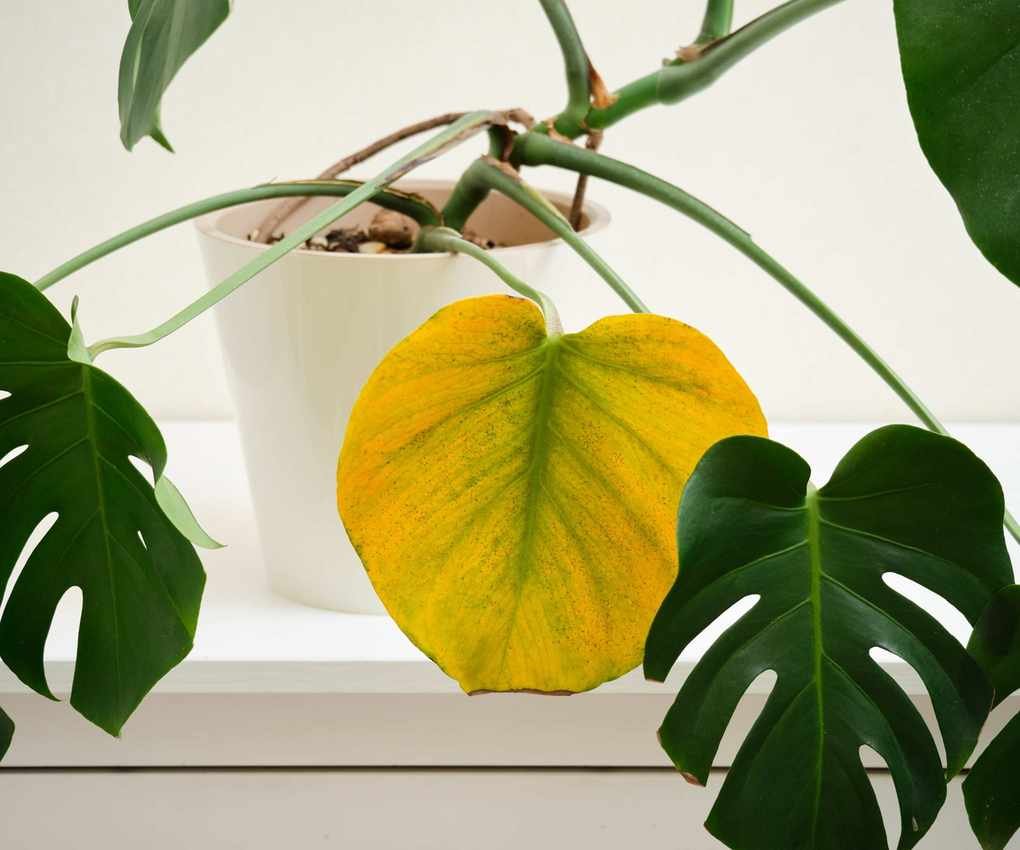
Integrating Feng Shui plants into your home is just the first step; consistent care is vital to maintaining positive energy. A neglected plant diminishes the surrounding energy, impacting your space. 'A sick or dead plant can negatively influence the energy around you,' Suzanne explains. Regularly check soil conditions, water appropriately, and avoid letting plants become pot-bound.
Though some plants thrive when root-bound, most should not be allowed to reach this state. If a plant isn't thriving, either nurture it back to health or consider letting it go, advises Hannah.
Having a plant care kit can help you keep your plants healthy. A soil moisture meter can help you determine when to water your plants, while grow lights can enhance light exposure during darker seasons.
5. Mixing Incompatible Plants
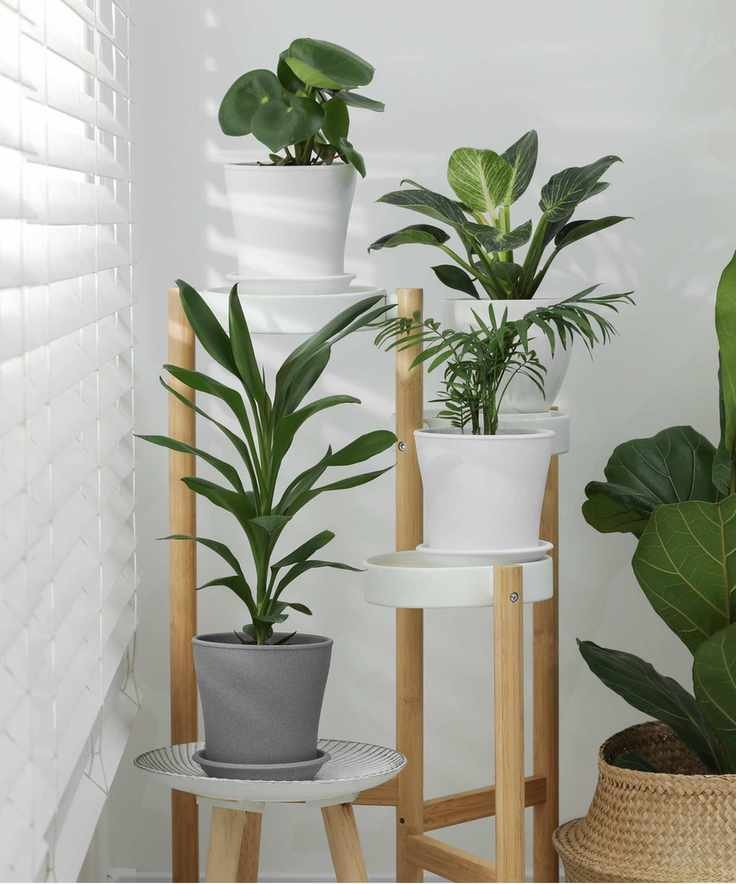
Placing incompatible plants together can disrupt the balance in your home. While some plants coexist peacefully, others may struggle due to differing needs. For example, grouping succulents, which prefer drier conditions, next to ferns that need consistent moisture can complicate care.
Such mismatches make it harder to maintain plant health and can lead to pest issues or diseases. Team plants with similar care requirements to simplify upkeep and support positive energy.
If your collection is extensive, consider a plant journal to track watering and fertilization schedules.
FAQs
Which Houseplants Bring Good Luck in Feng Shui?
Many plants are believed to bring good fortune, influenced by various cultures. In Feng Shui, lucky plants include money trees, jade plants, anthuriums, and peace lilies. Generally, those with soft, round leaves are favored over spiky varieties.
How Can You Enhance Your Houseplants' Energy?
Improving the energy of your plants involves understanding their light, water, and nutrition needs, suggests Hannah Yang. Trust your intuition and adjust care as needed. You might also explore Feng Shui energy mapping to maximize the benefits of your plants within your space.
By avoiding these common Feng Shui houseplant mistakes and selecting the right plants, you can significantly enhance the energy in your home.



