
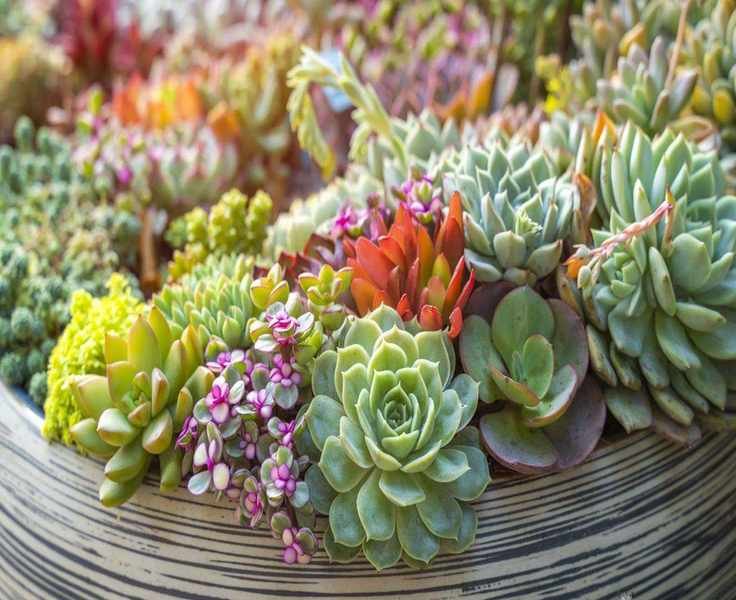
Indoor succulents have taken social media by storm, becoming essential decor for contemporary homes. They're celebrated for their attractive appearances and low maintenance. But what defines a succulent?
Succulents are characterized by their fleshy leaves, allowing them to store water. Most originate from arid climates, suggesting they thrive in warm, dry environments.
Succulents come in various shapes, sizes, and hues. While primarily appreciated for their foliage, some can bloom lovely flowers with proper care. Their preference for dry soil and warm temperatures makes them ideal indoor plants, although many can also be enjoyed outdoors during warmer months, provided they're in well-drained pots.
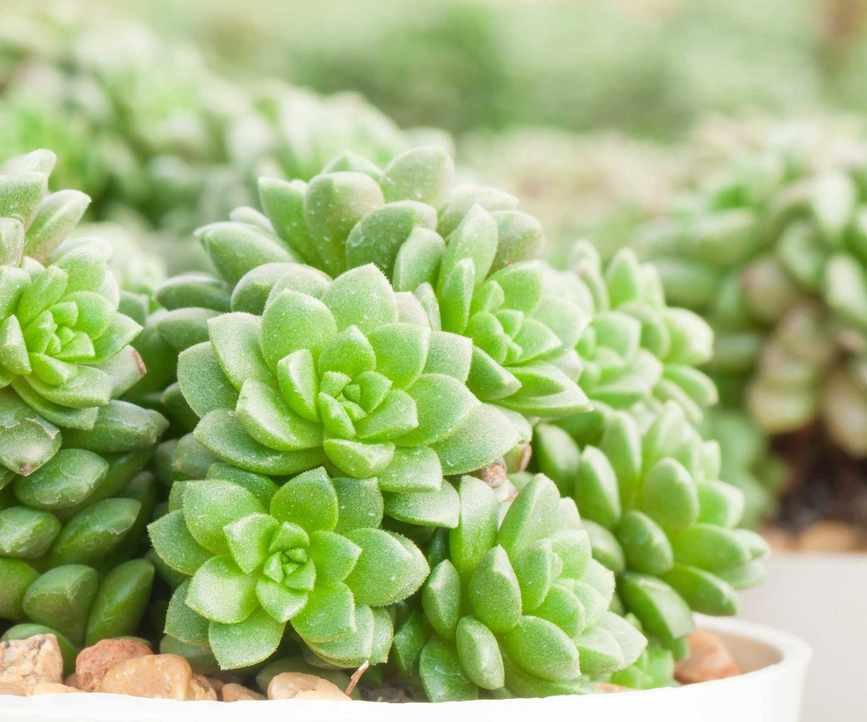
11 Indoor Succulents
To keep these stunning plants thriving indoors, place them in a well-lit room while offering some shade during the intense summer sun. Here are 11 indoor succulents to consider:
1. Aeonium
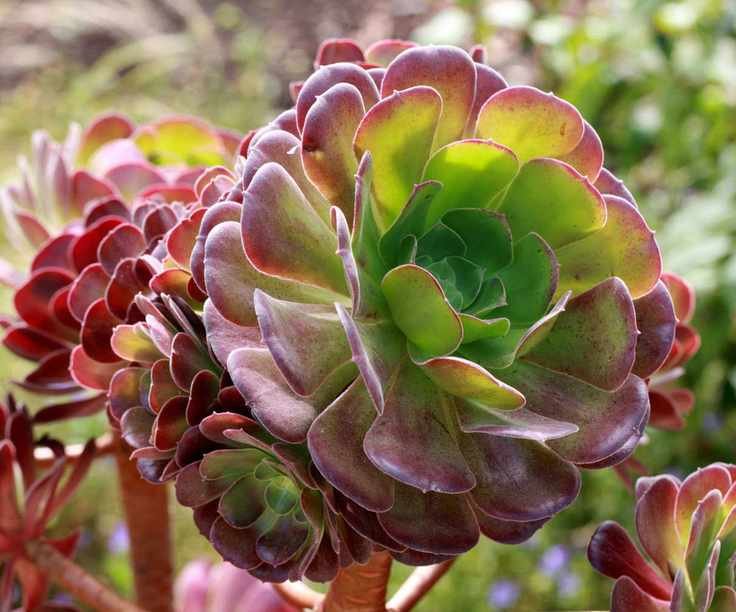
Aeoniums feature striking varieties, including the tall Aeonium arboreum, which can reach three feet. Their colors range from soft green to deep burgundy, and they may produce star-shaped flowers from late winter to summer. They flourish in fall through late spring and prefer higher humidity in summer.
Aeoniums need more moisture than many succulents. Water when the top inch of soil is dry, and consider using a soil moisture meter from Amazon for accuracy. During fall and spring, a half-strength balanced fertilizer can be applied monthly.
2. Echeveria
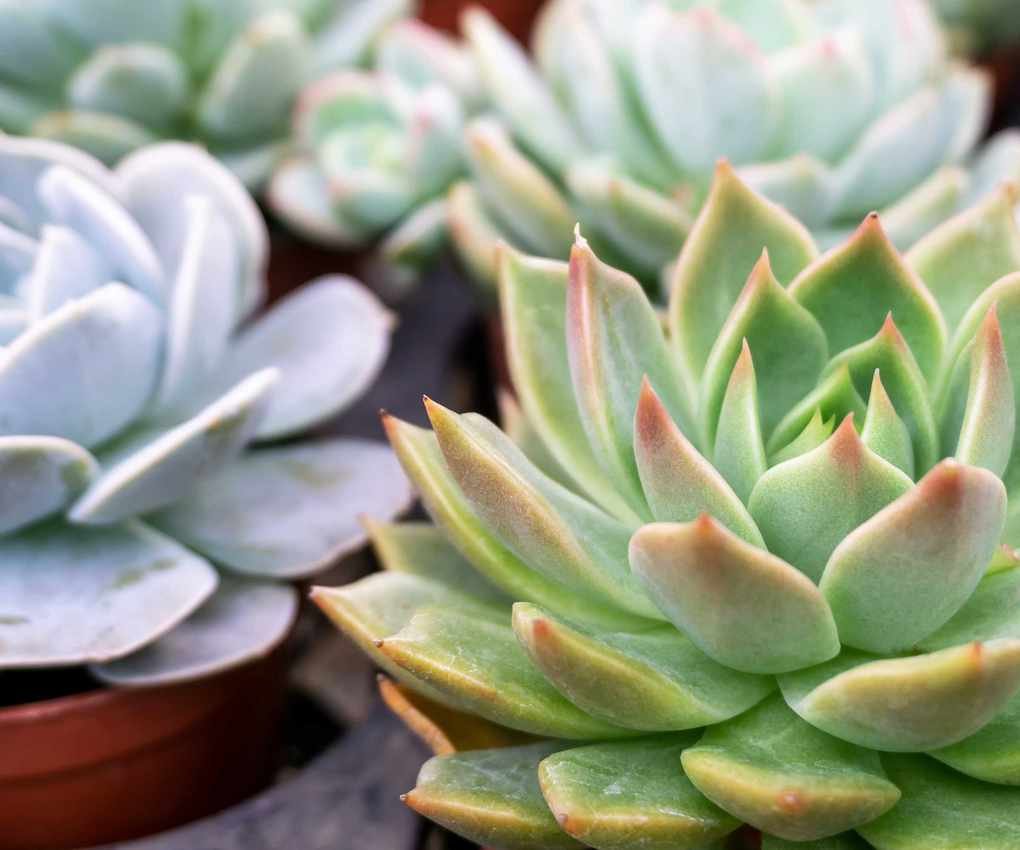
Echeveria will also produce small flowers in spring and summer
Echeverias, known for their vibrant leaf rosettes, resemble tiny waterlilies. With colors ranging from jade green to deep purple, they can be potted alone or together for a textured display. These plants are low-maintenance and bloom reliably with lantern-shaped flowers in warmer months.
Water them when the top soil feels dry from spring to summer, and feed them monthly with a half-strength liquid fertilizer. In colder months, reduce watering to prevent shriveling.
3. Aloe
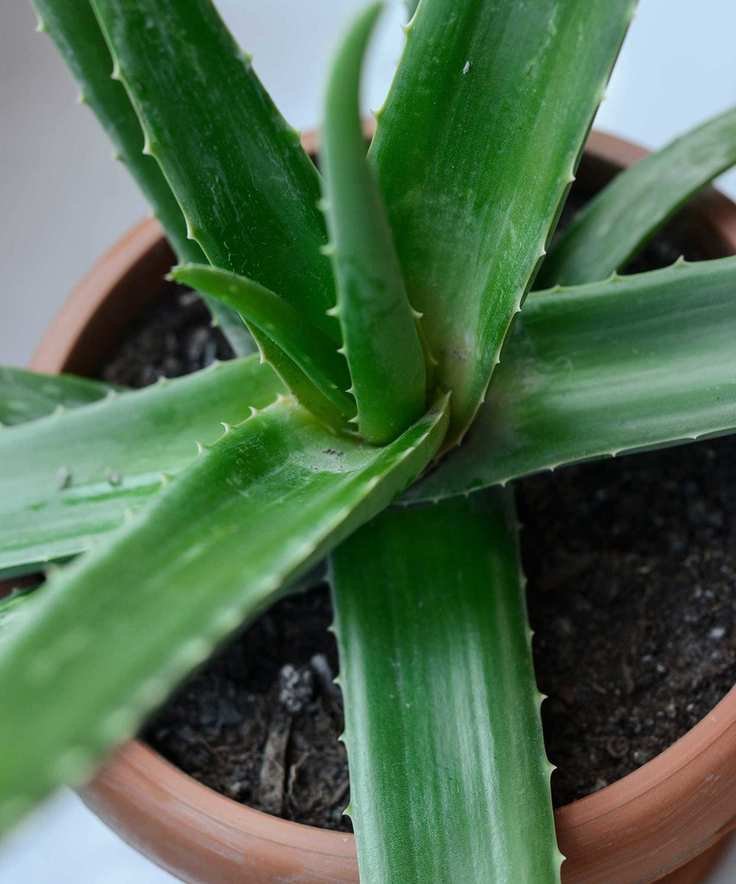
The stunning Aloe variegata produces beautiful peachy-red flowers in summer
Aloe vera is renowned for its dual purpose as both a decorative and medicinal plant. Smaller varieties like lace aloe (Aloe aristata) and partridge-breasted aloe (Aloe variegata) add unique charm. Aloes can produce vibrant flowers, though they're less inclined to bloom indoors.
Water the aloe from spring to early fall when the top soil is dry, and use a half-strength cactus fertilizer (from Amazon) monthly during this period. Water less in fall and winter.
4. String of Hearts
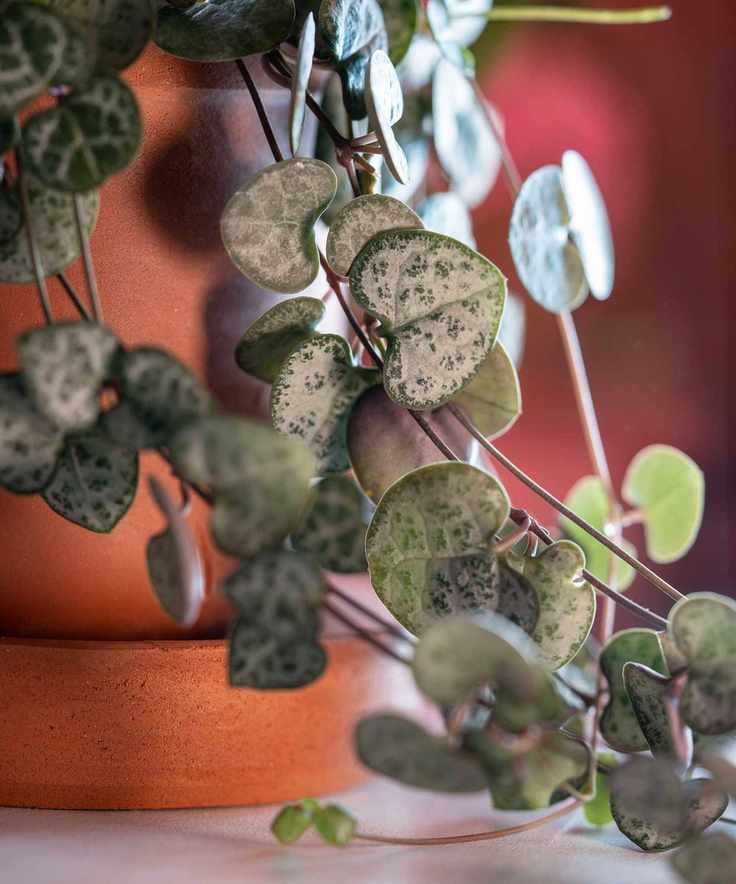
String of hearts are a beautiful trailing variety of indoor succulents
This succulent showcases heart-shaped leaves on long, cascading stems, making it perfect for hanging in a sunny space. Its silver-patterned green leaves and occasional pink flowers add to its appeal.
Water only when the top inch of compost is dry, and apply half-strength fertilizer monthly during spring and summer. In cooler months, limit watering.
5. Crassula
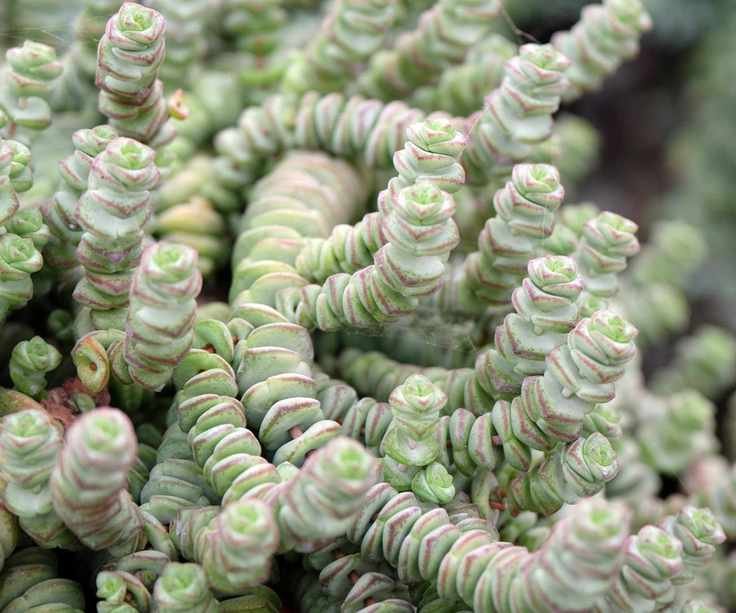
The jade necklace plant produces unusual bead-like leaves on gently trailing stems
Crassulas are nearly indestructible, making them ideal for busy gardeners. The money tree (Crassula ovata) is popular for its oval green leaves with a red edge. Varieties like 'Hobbit' feature tube-like leaves, while the tiny jade necklace plant (Crassula marnieriana) displays unique square leaves.
Water only after the soil is completely dry. For height, consider Crassula muscosa 'Watch Chain', which also requires thorough watering before drying out.
6. Haworthia
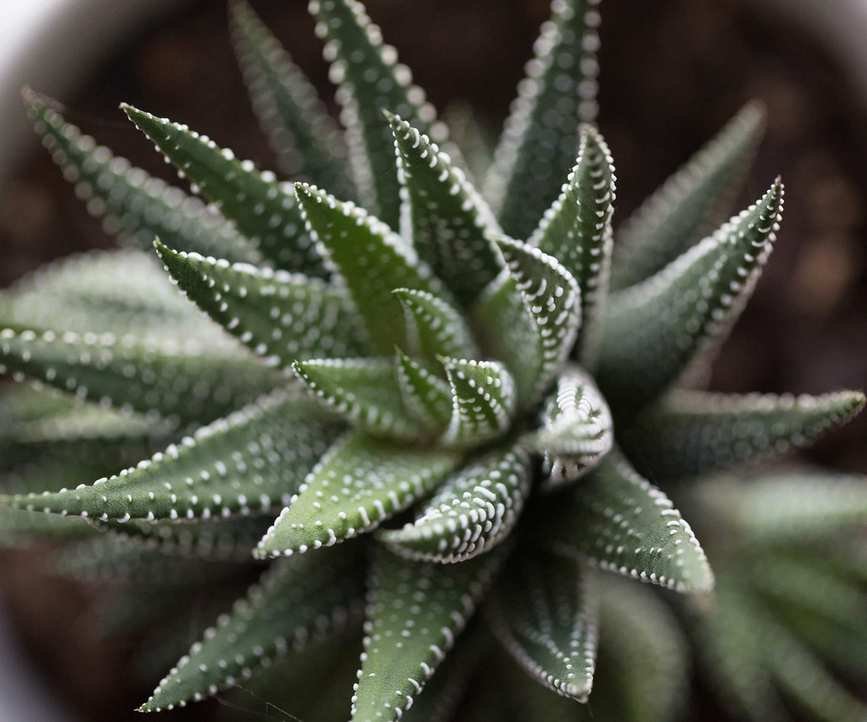
Haworthia fasciata
Haworthias are often confused with aloes but have translucent leaves that thrive in moderate light. The zebra plant (Haworthia attenuata f. caespitosa) features striking white stripes, while Haworthia fasciata is similar with tubular flowers in summer.
Water during spring and summer when the top inch of compost is dry, and reduce watering in winter. Fertilize once or twice during the growing season.
7. Kalanchoe
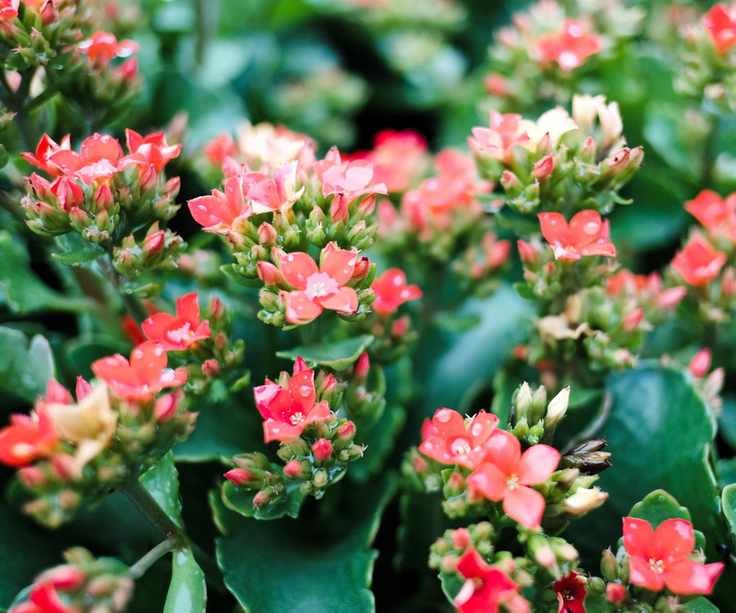
The flapjack plant's rosettes of red-tinted oval leaves create an eye-catching feature
Kalanchoes feature a variety of plants, with flaming Katy (Kalanchoe blossfeldiana) being a standout for its vibrant flowers. Other varieties include panda plant (Kalanchoe tomentosa) and flapjack plant (Kalanchoe thyrsiflora), both adaptable to indoor conditions.
In summer, water when the top soil is dry and cut back in winter to prevent shriveling. Fertilize monthly from late spring to fall.
8. Lithops
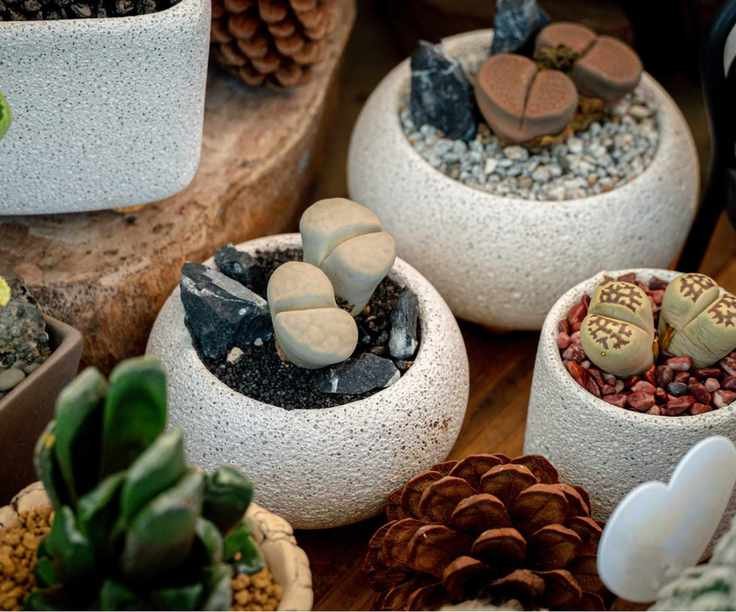
Stone plants are easy care indoor succulents
Living stones (Lithops) are among the simplest succulents to care for, rarely needing water. They mimic small patterned stones in various colors and may produce daisy-like flowers in summer.
Water only when the top inch of soil is dry from spring to summer, and refrain from watering in winter. A half-strength cactus fertilizer in spring can promote blooming.
9. Pachyphytum
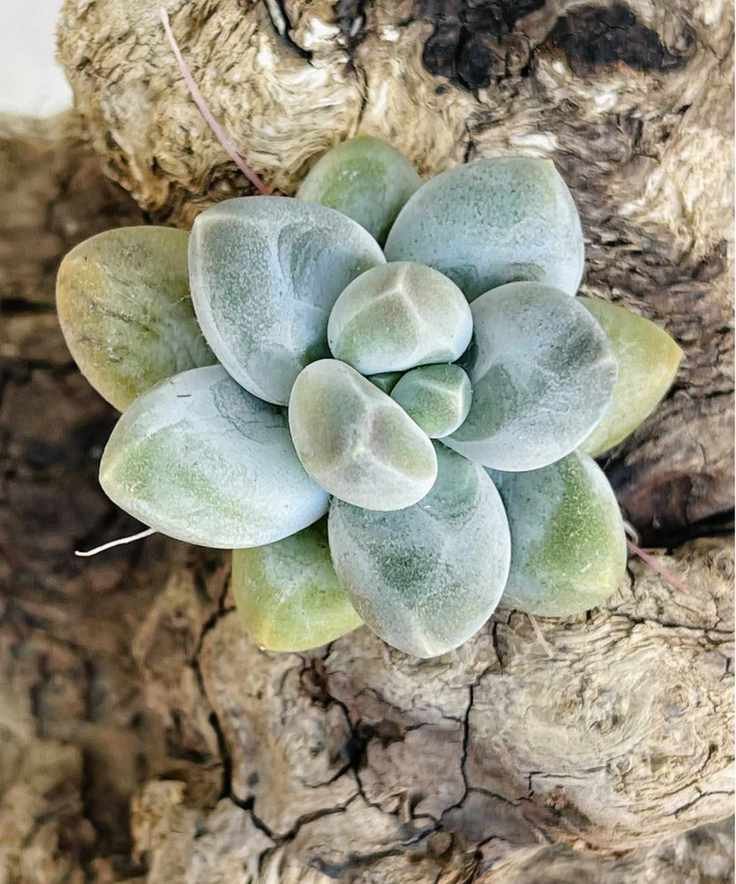
Pachyphytum bracteosum
Moonstones (Pachyphytum oviferum) feature smooth, round leaves and pair beautifully with colorful echeverias. Other varieties, like Pachyphytum bracteosum, have subtle blue leaves. In spring, they may bloom red or orange flowers.
All succulents require sunlight to thrive. Water when soil is dry from spring to fall, and keep dry in winter. Fertilize once in spring.
10. Sedum
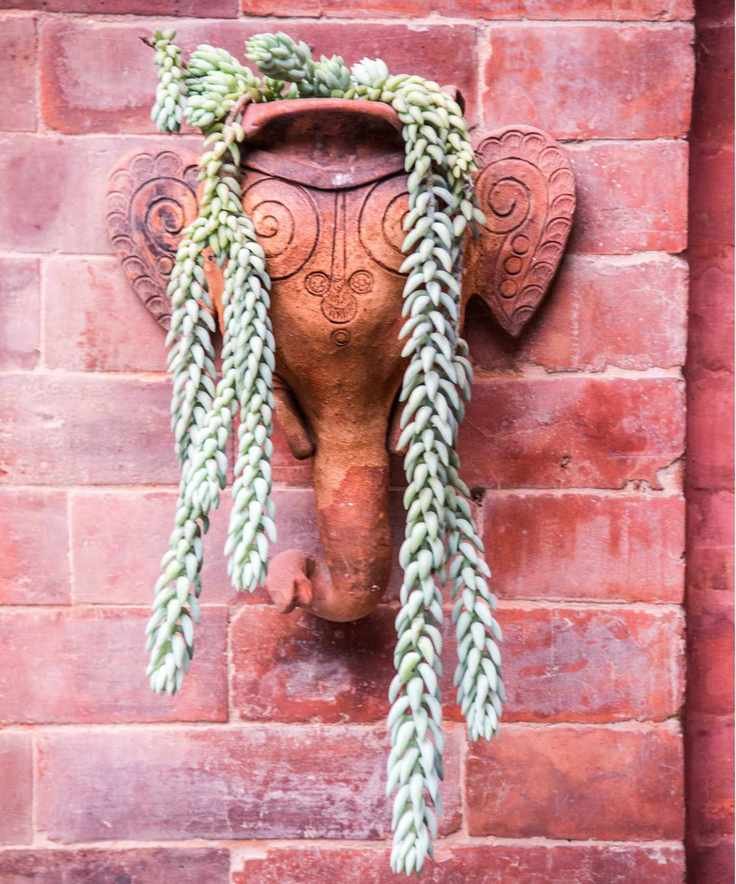
Jelly bean plant (Sedum pachyphyllum)
This diverse group includes many outdoor varieties, but some work well indoors. The trailing donkey's tail (Sedum morganianum) and jelly bean plant (Sedum pachyphyllum) are excellent options.
Water when the top of soil feels dry from spring to fall, and keep dry in winter. Apply a half-strength cactus fertilizer every six weeks from spring to midsummer.
11. Houseleek
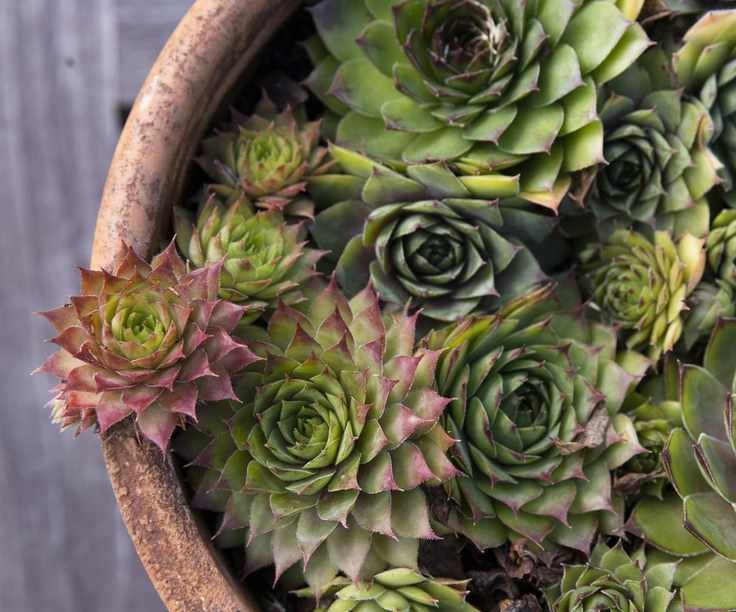
The dark leaves of Sempervivum 'Purple Queen' create a beautiful contrast when combined with pale green houseleeks
Houseleeks are adored for their rosettes of fleshy leaves, varying in color from green to burgundy. The cobweb houseleek (Sempervivum arachnoideum) is particularly favored for its unique appearance.
These hardy plants can thrive indoors or outdoors, surviving cold winters if soil stays dry. They typically bloom starry flowers in summer, and while the rosette may die after blooming, they often produce new plantlets.
Water from spring to fall when top soil is dry, and in winter, only enough to prevent shriveling. Fertilize with half-strength cactus fertilizer monthly during the growing season.
FAQs
What is the most common type of succulent to grow indoors?
Among thousands of succulent species, popular indoor choices include Echeveria, known for its colorful rosettes; Aloe vera, valued for its soothing sap; and Houseleeks, which resemble Echeveria but are typically smaller.
What is the prettiest indoor succulent?
Beauty is subjective. You might prefer the subtlety of Aeonium haworthii or the vibrant blooms of Kalanchoe blossfeldiana. With numerous varieties available, choose those that resonate with your aesthetic.
These represent some of the best succulents around. If you're after quick-growing varieties, there are also fast-growing options. Regardless of your choice, consider crafting your own succulent potting mix!



