
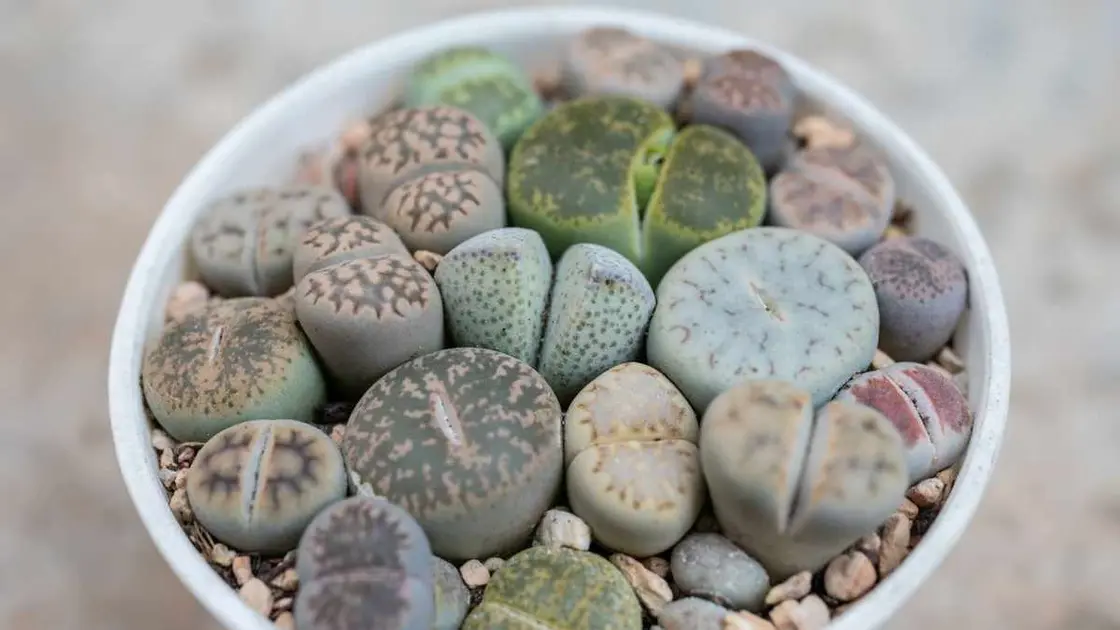
Lithops, often referred to as living stones, are captivating succulents that closely resemble pebbles. Originating from southern Africa, these plants have evolved to blend seamlessly with their rocky surroundings.
For those exploring rock garden ideas, lithops thrive in harsh, sun-soaked areas with minimal moisture. Their stone-like form deters herbivores while shielding them from intense sunlight.
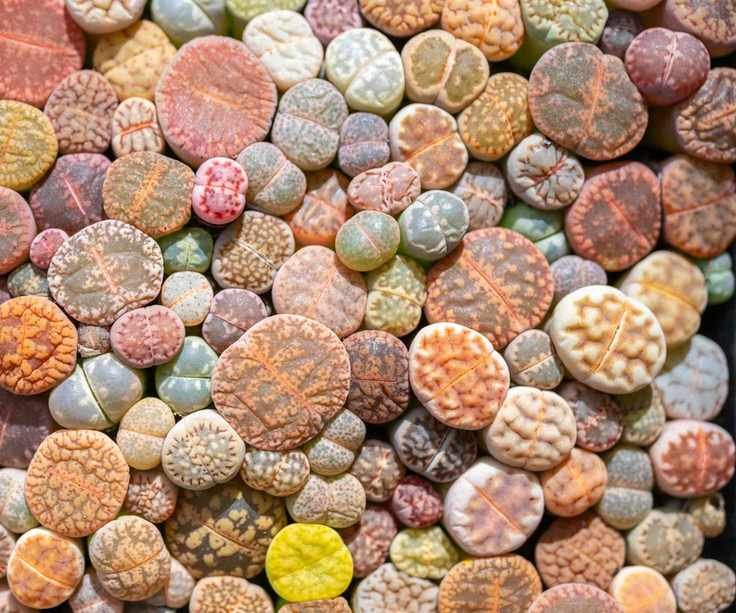
Displaying a variety of hues such as green, yellow, gray, pink, and blue, lithops possess a strikingly otherworldly look. These plants not only excel in outdoor settings but also serve as low-maintenance indoor plants, requiring well-draining soil and bright light that mimics their natural habitat. Here are expert insights on nurturing this unique succulent indoors.
Cultivating Lithops
Lithops are extraordinary succulents that mimic the look of pebbles found in dry environments. Successfully growing them indoors requires conditions similar to other succulents.
1. Optimal Lighting for Lithops
According to houseplant expert Vladan Nikolic, 'Lithops thrive in full sun since they are native to deserts in southern Africa.' These plants need '4 to 5 hours of direct sunlight in the morning, followed by partial shade in the afternoon.' Vladan suggests positioning lithops in east or west-facing windows. Adequate lighting is crucial; too much can scorch the plants, while insufficient light leads to elongation and color loss.
2. Ideal Temperature for Lithops
Growing lithops indoors mimics their natural desert conditions, which is why Vladan recommends keeping indoor temperatures between 60°F and 80°F (16°C to 27°C). 'They can handle warmer temperatures in summer but must not be exposed to temperatures below 40°F (5°C) during winter,' he notes. Lithops adapt well to average humidity, so there's no need for misting.
3. The Right Soil for Lithops
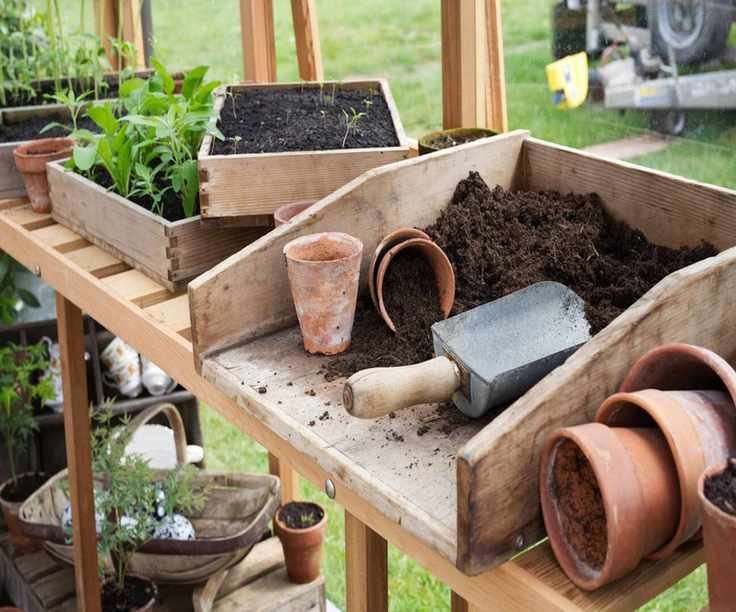
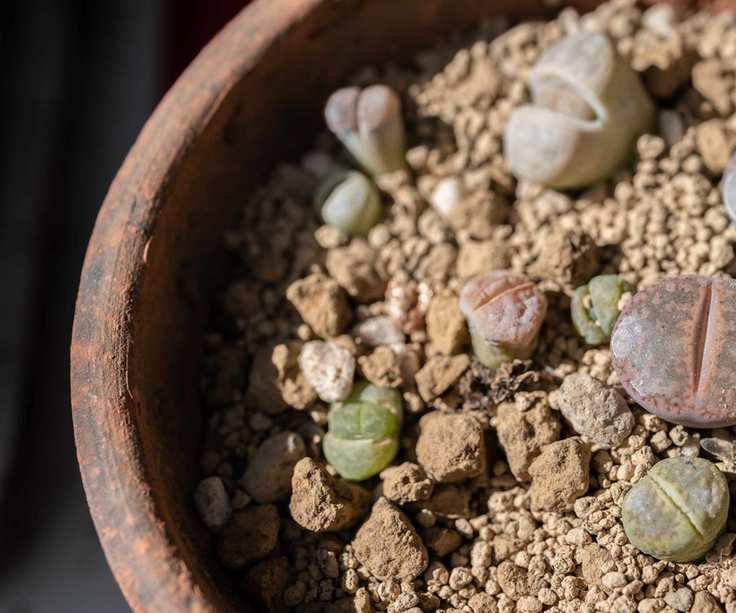
When potting lithops, it's essential to use free-draining soil. Vladan suggests a well-draining, porous mix for optimal growth. A convenient option is to use a store-bought cactus and succulent mix, like this cactus soil from Walmart. Alternatively, create your own by combining equal parts of commercial potting mix and perlite.
Use pots that are 3 to 5 inches deep with drainage holes, adding stones or grit to the bottom for extra drainage. If your pot has a drainage hole, remember to use a saucer to catch excess water.
4. Watering Lithops
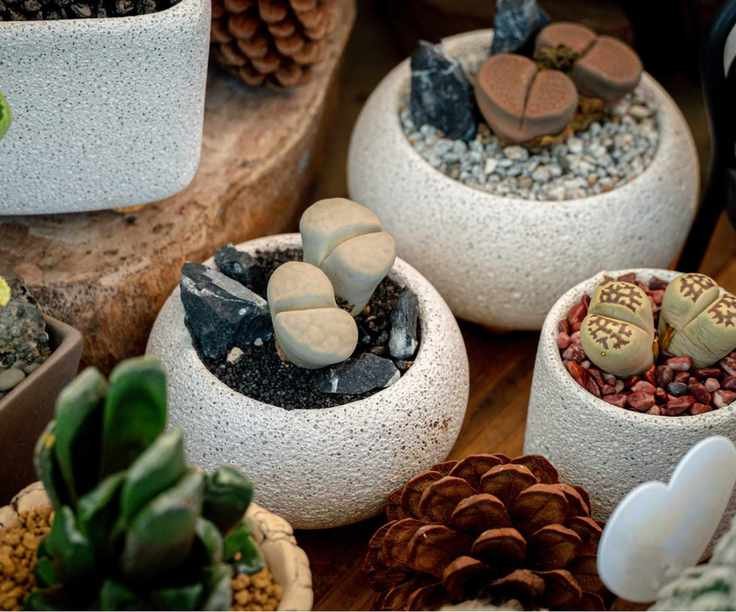
Jeannie Psomas, plant expert and owner of The Plant Lady: San Francisco, advises, 'It's better to underwater than overwater lithops.' To avoid overwatering, provide them with the right soil and light. 'With free-draining soil and proper positioning, you'll have a wider margin for error,' she explains. Lithops use stored water during their growth phase, so avoid watering while they are splitting, as this can lead to rot.
These plants should remain dry in winter and spring, although Jeannie notes that lithops can grow throughout the year. If you choose to water them in colder months, do so sparingly.

Jeannie Psomas runs The Plant Lady: San Francisco, an indoor plant shop dedicated to helping enthusiasts cultivate beautiful plants indoors.
5. Common Pests and Issues
Fortunately, lithops are quite resilient and typically pest-free. However, they may occasionally attract spider mites. Vladan suggests using neem oil or insecticidal soap to treat infestations while ensuring you follow the label instructions.
Shop for Lithops
This lithops, known as "flowering stones," is available in a 2-inch pot. These plants are true mimics, resembling small stones in their natural habitat.
This set of four lithops includes a variety of shapes and colors. They thrive in full sun, so a window facing west, south, or east is ideal.
Lithops 'Julii Kikusiyo Giyoku' features a distinct red hue. This pack includes five small, unique specimens, perfect for any lithops enthusiast.
FAQs
Can I cultivate lithops on a windowsill?
Yes, a windowsill provides an excellent environment for lithops, as these succulents need at least 4 hours of sunlight daily. A warm, dry spot mimics their natural rocky habitat.
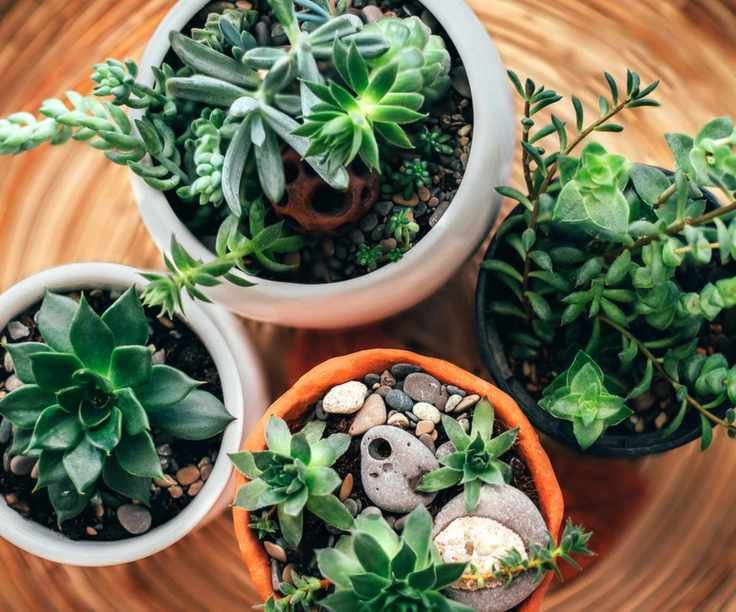
Growing lithops adds an intriguing touch to your indoor garden. If you have a bright location, consider also incorporating other tropical plants to enrich your indoor space with diverse foliage and vibrant blooms.



