

Learning to cultivate jasmine opens the door to a versatile climbing plant that delivers months of beautiful blooms and a captivating aroma.
Renowned for its sweet summer fragrance and delicate blossoms, jasmine is a fantastic choice for any garden. Its vigorous climbing nature makes it perfect for softening the edges of fences or walls. Consider star jasmine for its unique star-shaped flowers as well.
Planting it near outdoor seating can enhance your enjoyment of its lovely scent on warm days. It’s a must-have for any flower bed ideas list.
Growing Jasmine Successfully
Here’s some valuable advice and tips on cultivating jasmine, including how to grow winter jasmine.
Summer Jasmine Cultivation

Summer jasmine (jasminum officinale), also known as true or poet’s jasmine, blooms in June, July, and August, filling the air with its lovely scent.
This plant thrives in well-drained soil and prefers a sheltered garden spot with full sun but can also manage in partial shade. Although deciduous, it may remain semi-evergreen in protected areas. For those in smaller living spaces, consider learning how to grow jasmine in pots for a fragrant addition to your patio.
Is Jasmine Simple to Cultivate?

Jasmine is quite easy to grow. When purchasing from a nursery, choose a plant with robust shoots and healthy leaves. Spring or autumn is ideal for planting summer jasmine, but less-hardy varieties should be sheltered or kept indoors during winter. Most types do well in a protected outdoor location.
Container planting is also an option, making it easy to relocate when necessary. Just ensure you provide a sturdy support structure and a pot with a minimum diameter of 45cm. Regular fertilization encourages blooming throughout the growing season.
Planting Jasmine

Gardening expert Monty Don expresses his enthusiasm for jasmine, saying, ‘When it’s in full bloom, it can cover a wall in a cascade of flowers.’ This tender plant thrives against a south-facing wall, benefiting from warmth and protection. Monty recommends adding grit for better drainage, stating, 'Improved drainage is key for any plant that enjoys sunlight.'
To plant jasmine effectively, dig a hole larger than the pot, mix in grit for drainage, and incorporate compost or well-rotted manure for nourishment. Fill in the hole to match the soil level from the pot. If training it on a support, young plants will need a cane angled toward the support. Feed established jasmines weekly with a high-potash fertilizer during summer for optimal growth.
Does Summer Jasmine Require Support?
Summer jasmine typically doesn’t need support, as it naturally twines upward. This makes it an excellent choice for those seeking easy-care, aromatic flowers to complement their pergola ideas. However, you might prefer to use support to guide its growth and manage its placement.
Gardening expert Jenny Williams notes that once established, jasmine can become large, vigorous climbers. The best supports are tall, sturdy pergolas or taut horizontal wires spaced 30-40cm apart, with the lowest wire positioned 30cm above the ground.
Suggested Varieties of Summer Jasmine

Jenny Williams shares her top two varieties of summer jasmine grown in her garden:
Jasminum officinalis ‘Aureum’ (Golden Jasmine); ‘This variety features vibrant golden leaves and pure white blossoms from spring to summer,’ she explains.
Another favorite is 'Jasminum officinale Argenteovariegatum', with gray-green leaves edged in cream and fragrant white flowers that bloom all summer long. It thrives against a south-facing wall by her potting shed.
For something a little different, try pink jasmine, jasminum polyanthum, but keep an eye on it, as it can reach heights of up to 20ft. In warmer regions, this variety may bloom throughout the year.
Companion Plants for Summer Jasmine
If your white-flowered summer jasmine is climbing a trellis or pergola, pairing it with other flowering plants enhances its beauty, suggests Melanie Griffiths, editor of Period Living.
Dark purple flowering climbers like Clematis x jackmanii or Clematis x “Julka” create a striking contrast against the jasmine's white blooms. Jackmanii can grow to 12 feet (3.7 m), while Julka reaches 8 feet (2.4 m).
Does Summer Jasmine Need Pruning?
Yes, according to Jenny Williams. To maintain its shape and health, prune just after flowering in late summer or early autumn. Cut back spent stems to a strong side shoot lower down, remembering that both winter and summer jasmine bloom on previous year’s growth. Pruning after flowering allows new growth time to mature for the following season.
Trimming the vine tops encourages a fuller, bushier appearance.
Growing Winter Jasmine
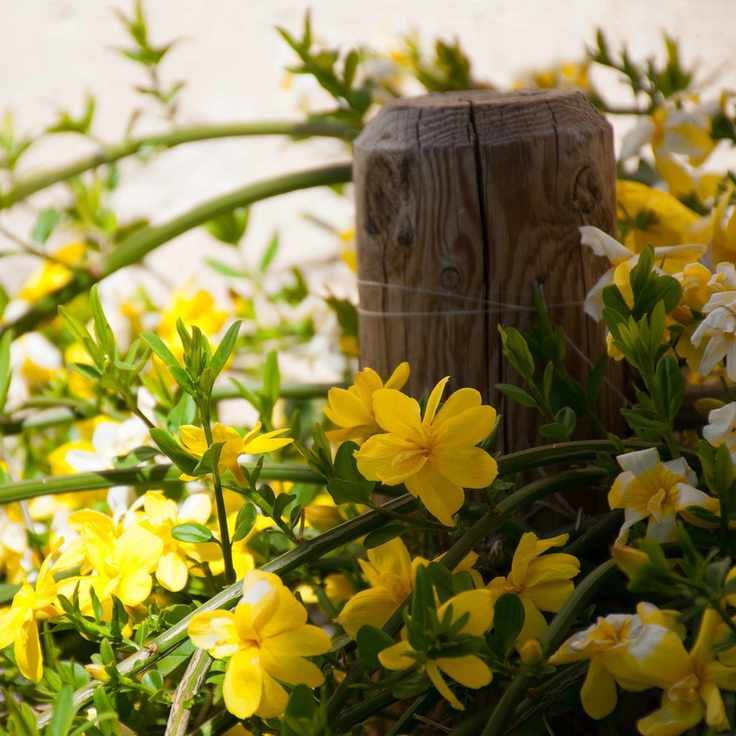
Winter jasmine, or jasminum nudiflorum, is a bright spot during winter months. Its first flowers may appear as early as November and continue into March. This variety brings color to dull winter days with its clusters of small yellow star-shaped flowers against dark green foliage.
Conditions for Growing Winter Jasmine

Winter jasmine is frost-hardy and easy to care for. Like its summer counterpart, it prefers full sun and fertile, well-drained soil but adapts well to partial shade.
Unlike summer jasmine, winter jasmine’s stems are stiff and do not twine. It’s best grown with support, such as a trellis or wires.
Jenny Williams advises tying in new growth to maintain an attractive appearance. After flowering in spring, prune to encourage new growth for the next year.
When to Plant Winter Jasmine
Autumn or winter is ideal for planting winter jasmine. If planting at other times, avoid extreme temperatures.
Although winter jasmine lacks fragrance, it attracts bees and provides vital winter pollen for wildlife when few other plants are in bloom.
What is False Jasmine?

False jasmine, often referred to as star jasmine or confederate jasmine (Trachelospermum jasminoides), is not from the jasminum family but is called jasmine due to its star-like flowers and similar fragrance. It blooms throughout the summer and features glossy oval leaves, thriving under similar conditions as summer jasmine.
Whichever type of jasmine you decide to plant, ensure it’s in a suitable location, and you’ll enjoy a bounty of delicate star-shaped flowers along with the added bonus of their delightful fragrance for summer varieties.



