If you're eager to enhance your space with stunning plants that are easy to care for, knowing the best succulent types is essential.
We've compiled a selection of our top succulents that thrive indoors and outdoors, encouraging you to explore the diverse varieties available. With fresh options consistently appearing in nurseries and online shops, there are always exciting planting combinations to experiment with, whether in beds, pots, or planters.
Once you've mastered succulent care and realized why they are among the best low-maintenance houseplants, you'll want to learn more.
What succulent types are the best?
Narrowing down the best succulents isn't easy. Once you understand how to water them properly and manage their care in winter (over-watering is a common mistake), you'll find that succulents are incredibly rewarding to grow. Plus, by learning how to propagate them, you can enjoy endless vibrant displays.
1. Aeonium
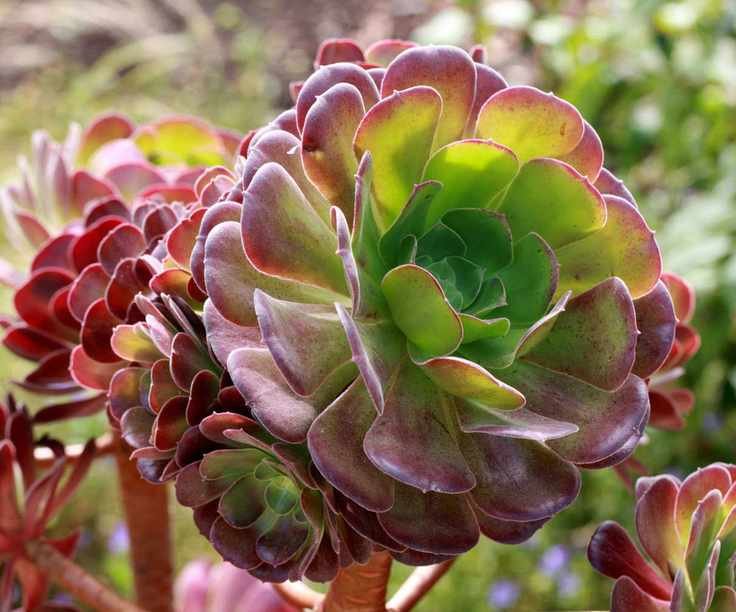
Aeoniums are eye-catching with their unique rosettes of shiny, waxy leaves on branching stems. They can grow from 4 inches (20 cm) to 3 feet (90 cm) tall, making a striking addition to any space. The solid-colored varieties range from deep green to purple-black, while variegated types showcase even more colors, including white, yellow, and red.
These plants are monocarpic, meaning they die after flowering, but don't worry; usually, only the flowering stem dies, leaving the rest intact. They're also easy to propagate, ensuring you'll have plenty to enjoy.
2. Echeveria

Originating from Central America, Echeverias are known for their plump rosettes and captivating charm. With over a thousand species available, they come in a wide array of colors that can shift with the plant's maturity, seasonal changes, and environmental factors. Sizes vary from small coin-sized rosettes to larger dinner-plate specimens, making them perfect for individual pots or as companions to taller cacti or aeoniums.
As polycarpic succulents, Echeverias can produce multiple flowers over time. Most are hardy down to USDA hardiness zone 9-20℉ (-6.7℃). Look out for unique hybrids like Echeveria and ghost plant combinations.
3. Haworthia
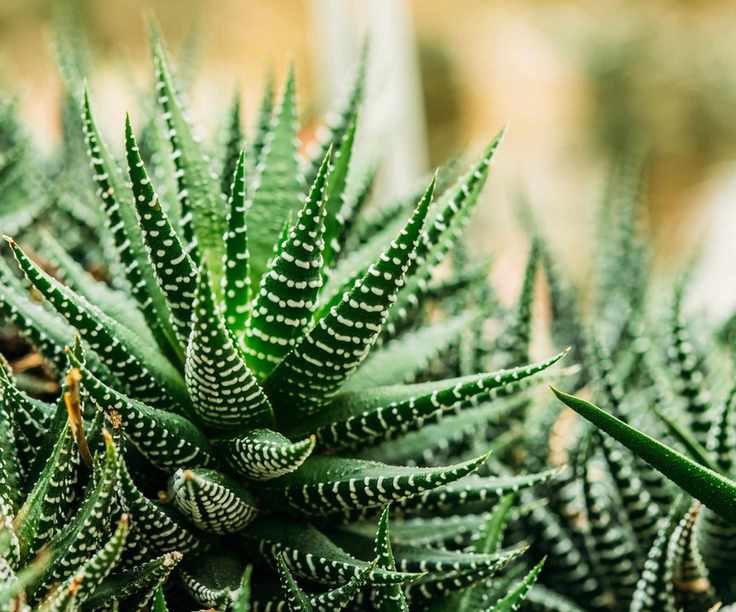
These diverse succulents thrive in both full sun and partial shade, looking fantastic when grouped together to showcase their varied forms. Native to South Africa, Haworthias require minimal water and well-draining soil.
They grow in rocky environments to avoid being eaten by animals, which is why they produce tall flower spikes to attract pollinators without revealing their location. Collecting Haworthias is rewarding, with popular varieties like the spiky-leaved 'Big Band' and the intriguing flat-leaved Haworthia cooperi.
4. Sedum
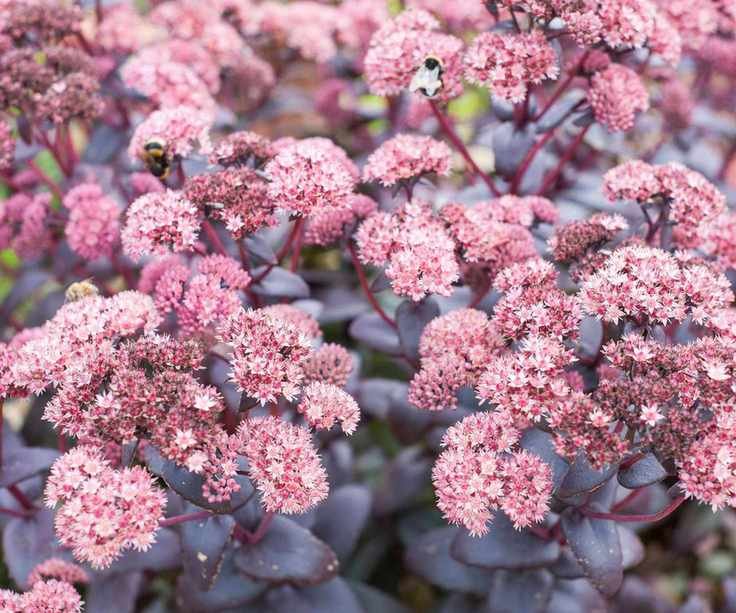
Beloved by garden designers and florists alike, Sedums are incredibly popular. They range from tiny creeping stonecrops, often used on green roofs, to larger border varieties—recently renamed hylotelephium. These plants require minimal effort yet offer significant rewards, making them a favorite among bees and other pollinators.
Most Sedums enjoy sunshine but can manage in partial shade, with some varieties hardy down to USDA zone 3. Standout types include Hylotelephium telephium 'Xenox Yellow' with its dark plum leaves and apricot flowers, and Sedum spathulifolium 'Cape Blanco', a drought-tolerant beauty.
5. Sempervivum
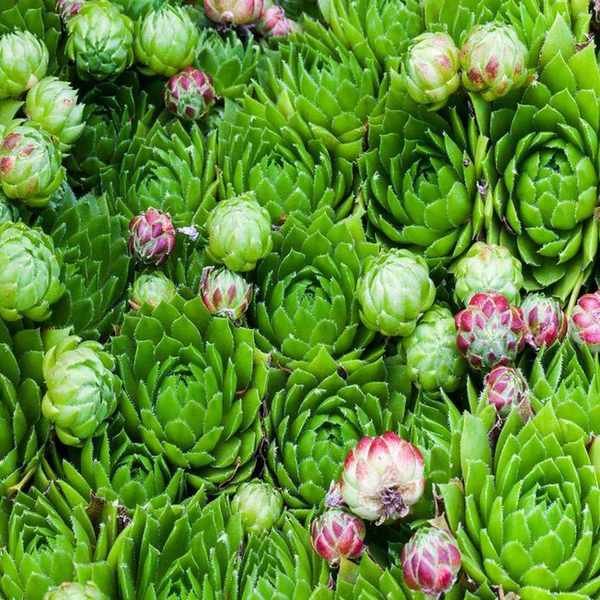
With over 40 species available, Sempervivum—also known as Hen and Chicks—are hardy, low-growing, and reproduce prolifically, creating lush carpets of glossy rosettes. Their foliage presents various colors and textures, often featuring contrasting edges.
For best results, plant them in a hot, rocky corner of your yard or in challenging areas like parking strips. To improve drainage, mix in pumice and organic matter. Mulching with lava rock helps direct water away from the plant's crown.
What's the easiest succulent to care for?
Among the easiest succulents to keep thriving are aeonium, sempervivum, haworthia, sedum, and echeveria. If your succulents are struggling, over-watering is often the culprit, but light conditions and temperature also play a role.
Which succulent grows the fastest?
Echeveria is known to be the fastest-growing succulent, and it's also easy to care for.