
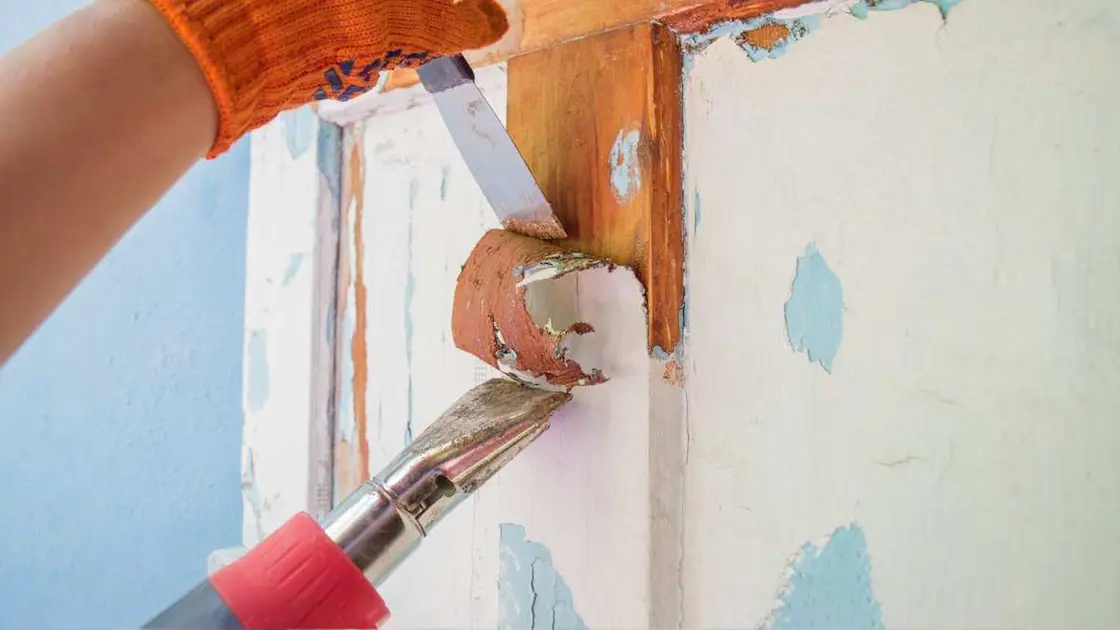
At some point, you'll need to strip paint from wood. This could be to rejuvenate wood furniture that has become flaky or discolored, to transform your painted furniture ideas with a fresh color, or simply to reveal the natural wood beneath.
Various techniques exist for stripping paint from wood, with effectiveness varying based on wood and paint types. Whether you're working on outdoor furniture or home features, following expert methods is crucial to avoid damaging the wood and achieving optimal results.
To simplify this process, we've compiled a guide on safely stripping wood furniture, detailing three recommended methods and tips for selecting the right one for your project.
Methods to Strip Paint from Wood
When it comes to stripping paint from wood, you have three primary choices: sanding, using a heat gun, or applying chemical strippers. Each method offers unique advantages and disadvantages that you should consider.
'Combining methods often yields the best results,' advises an experienced handyman.
1. Choose the Right Technique

According to an expert, 'There's no one-size-fits-all method for stripping paint from wood. The ideal approach depends on several factors:
Type of paint: Identifying the paint type (latex, oil, lacquer, etc.) is key to selecting an effective stripper. Oil-based options are potent but have strong fumes, while citrus-based strippers are milder and better for latex.
Paint thickness: Heavily layered paint may necessitate a different method compared to a thin coat. Chemical strippers work well for multiple layers, while sanding may suffice for thinner applications.
Wood type: Softer woods, like pine, can be damaged easily by sanding or harsh chemicals. It's best to use gentler methods or specific strippers for delicate woods.
Size and detail: Chemical strippers are effective for broad areas, while sanding or heat guns are preferable for intricate details.
Using a Heat Gun
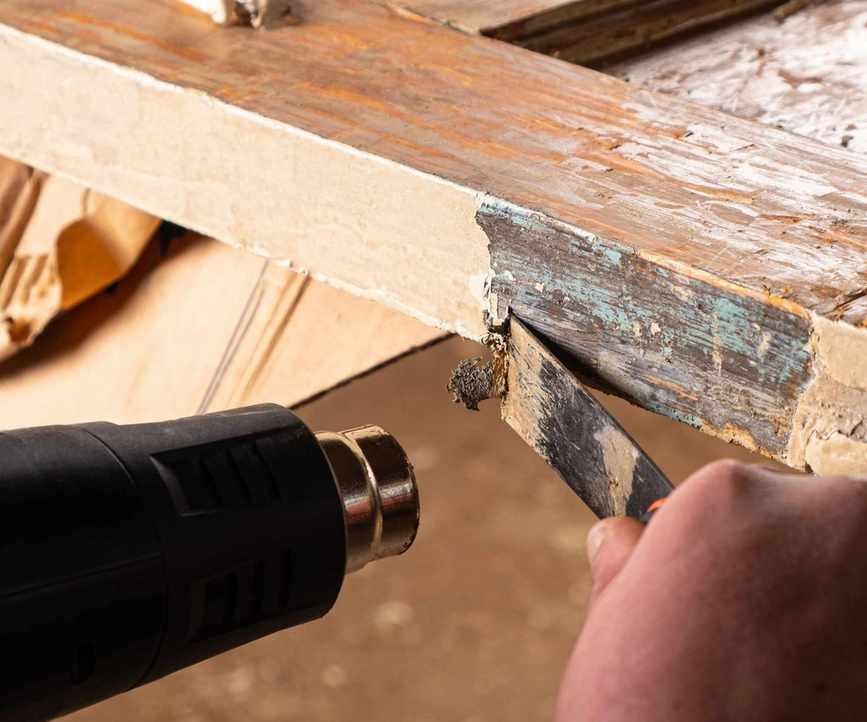
A heat gun can effectively strip paint from wood by softening it for scraping. 'This method is especially beneficial for thick paint layers,' says a painting expert. 'Latex paint responds very well to heat, making it easy to remove.'
Always wear eye protection and heat-resistant gloves when operating a heat gun. Move the gun back and forth over the paint, avoiding prolonged heat in one area to prevent scorching. Once the paint softens, use a broad scraper to lift it away, always directing the scraper away from your body.
Pros: Fast for larger areas and effective on stubborn paint.
Cons: High risk of wood damage and harmful fumes if mishandled. If you're uncomfortable with this method, consider alternatives.
SEEKONE Heat Gun | $28.99 from Amazon
This heat gun features adjustable temperature controls for different wood sensitivities and includes four nozzles for versatility.
Sanding
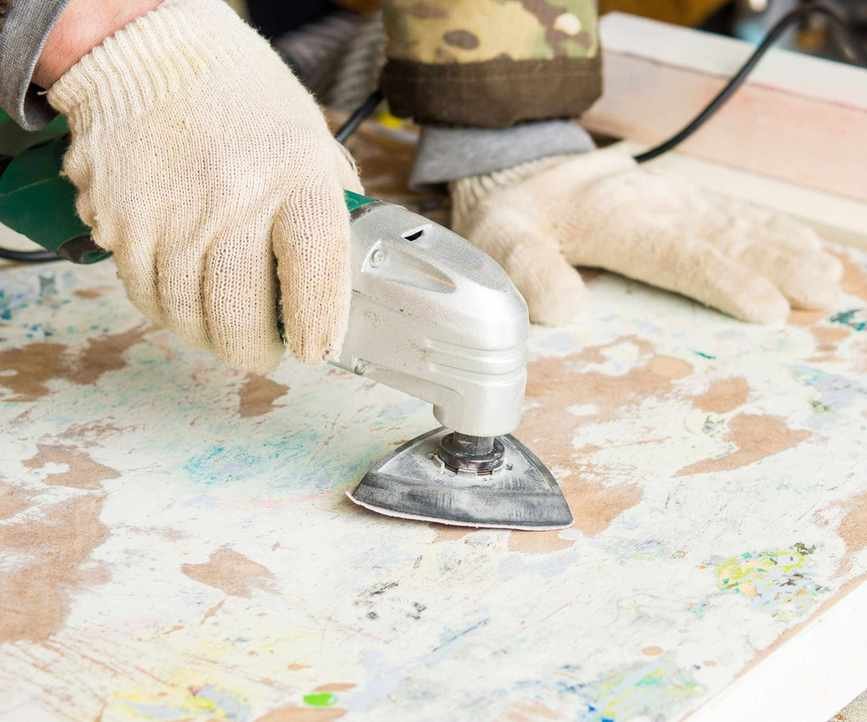
Sanding is ideal for tackling small paint areas. For intricate spots, utilize sandpaper with a sanding block, while larger flat surfaces benefit from a power sander. Choose sandpaper grit wisely; coarse for thick layers (60-80) and finer for delicate surfaces (120-220).
Always protect your eyes and wear a dust mask while sanding. Avoid sanding lead-based paint.
Sand with even, overlapping strokes, or use a power sander with a flat motion to prevent uneven patches. After sanding, clean the surface to remove dust before repainting.
Pros: More control and less mess; great for small or delicate areas.
Cons: Labor-intensive, can be time-consuming for larger projects, and generates considerable dust.
Using Paint Strippers
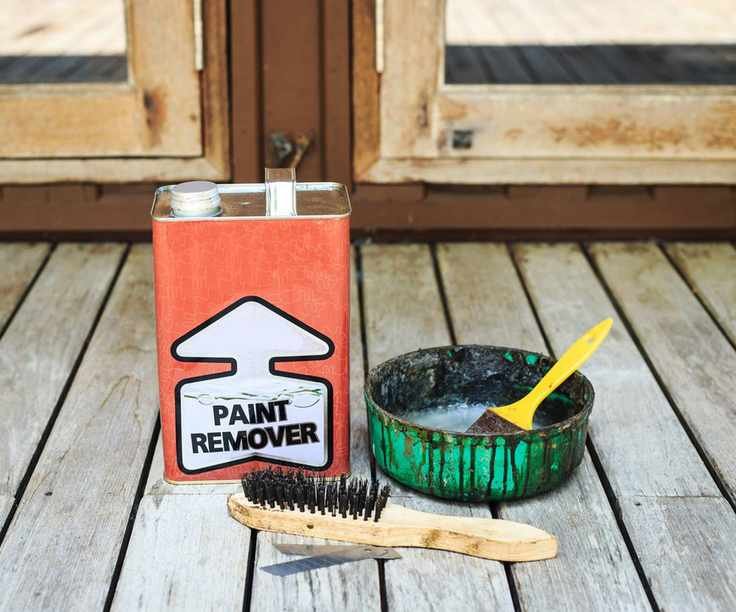
Chemical strippers are a popular choice and can dissolve various paint types. They're available as liquids, gels, or pastes.
Always follow product instructions, and wear gloves, goggles, and a respirator when using these products.
For vertical surfaces, gels or pastes are preferred since they won't drip. Apply liquid strippers with an old brush as per instructions, then scrape off the paint working away from yourself.
After using a chemical stripper, neutralize the surface with a rag soaked in the recommended solvent, usually mineral spirits.
Improper use of chemical strippers can harm the wood, so caution is essential. 'Be mindful of wood types to avoid damage during stripping,' warns an expert.
Pros: Efficient for large areas and multiple layers; gels work well for detailed sections.
Cons: They can be slow, generate harsh fumes requiring ventilation, and may damage wood if misapplied.
2. Prioritize Safety

Before starting, be aware that older paints may contain lead. 'Homes built before 1978 are more likely to have lead-based paint,' warns the EPA. Lead paint is still present in many homes, sometimes beneath newer layers.
Check for lead presence using DIY tests or by sending paint samples to a lab. Consulting a lead-safe contractor is advisable.
Always use gloves, goggles, and a respirator if needed, and ensure proper ventilation.
3. Conduct a Test Patch
If unsure about your chosen method, test it in a discreet area first. This will help gauge compatibility with the wood and verify that no damage occurs.
Signs of potential harm include unexpected texture changes, color shifts, or damage like cracking.
4. Work in Sections
'Tackle stripping or sanding in small sections for better results,' suggests a handyman. This ensures even coverage and more controlled application, reducing the risk of damaging the underlying wood.
5. Dispose of Paint Chips Responsibly

Allow dried paint chips to fully dry before discarding them in a sealed trash can. Proper disposal is vital for minimizing environmental impact and complying with waste management regulations.
FAQs
What's the quickest way to remove paint from wood?
The quickest method is often a heat gun, although combining heat with chemicals might be necessary for optimal results.
'For speed, if the item is removable, consider hiring a pro who can dip it in a tank for fast results,' advises an expert.
Will vinegar remove paint from wood?
Vinegar won't strip paint entirely but can soften it, making it easier to scrape away. It's useful for minor paint splatters but not a substitute for other methods.
For softwood, spraying vinegar can help soften paint for scraping, while thinners or strippers are better for hardwoods. If you prefer a less odorous paint stripper, consider Citristrip Paint & Varnish Stripping Gel, but it does have a scent.
Ultimately, the best method for stripping paint from wood varies by project specifics. Evaluate the factors discussed and select the approach that aligns with your comfort and requirements. If in doubt or dealing with valuable pieces, consulting a professional restoration expert is wise.



