Stair paneling ideas can significantly enhance the aesthetic appeal of this area in your home. While traditionally associated with classic styles, it can also embrace contemporary or rustic aesthetics, making it versatile for various home designs.
Beyond its visual charm, stair paneling is a functional choice that protects walls from wear and tear, making it ideal for active family spaces. With a suitable paint finish, it can be easily cleaned and maintained.
We've gathered a range of inspiring stair paneling concepts along with insights from design experts to spark your creativity for this key area.
Innovative Stair Paneling Concepts
If you're in search of staircase ideas that infuse character into your hallway, consider wall paneling as a starting point. You can utilize paneling that reaches full height or just to the dado line, or feature it on the lower section of the stairs. Explore finishes in soft light tones, deep darks, or natural wood shades.
1. Introduce Texture with Paneling

Instead of wallpaper, consider stair paneling to add texture to your walls.
'Paneling adds dimension to this entryway and enhances the area,' shares an interior designer. 'On staircases, it's practical since it can be wiped clean easily.
'This home underwent a complete renovation, and we aimed to infuse depth and texture into the walls. While wallpaper could work, it didn't align with the homeowners' taste. They prefer a traditional-meets-contemporary style, so we selected a modern paneling design with even squares.'
2. Coordinate Paneling with the Staircase

For wooden staircases, consider matching the paneling to the staircase components, including steps, spindles, and rails, to create warm, organic tones in your hallway.
This design establishes a connection between the paneling and staircase, echoing the graceful lines and intricate details. The result is a grand effect, perfect for traditional homes.
3. Reflect the Flooring Colors

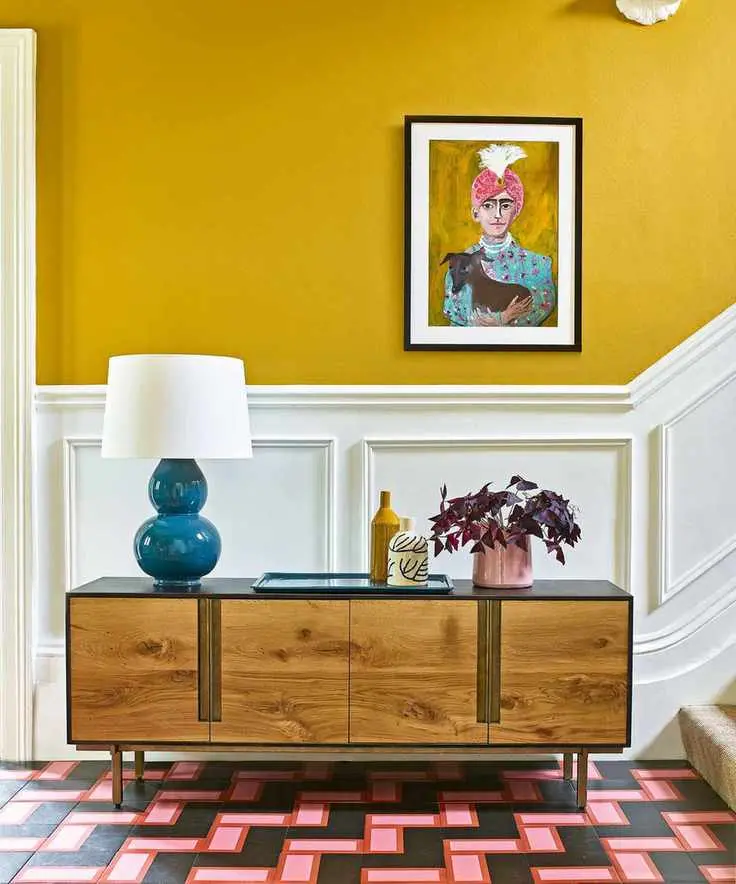
Consider using colors from patterned floor tiles for stair paneling. 'This hallway features a mix of modern and traditional elements,' explains a designer. 'The floor boasts classic Victorian tiles, complemented by a large Crittall screen. Paneling helps balance the contemporary screen.
'We drew colors from the tiles for the staircase, banisters, and paneling, creating a cohesive look that feels calm and traditional while incorporating modern touches.'
4. Design a Cozy Nook

For landing ideas or to add flair to a hallway, paneling on the lower portion of an L-shaped staircase can create an inviting nook for an armchair and footstool. The horizontal boards evoke a farmhouse aesthetic that's warm and stylish without being overly formal.
With a soft off-white finish, this design promotes a sense of spaciousness and light, which is further enhanced by the staircase's finish.
5. Blend Traditional and Contemporary Styles

Traditional stair paneling—whether original to an older home or in authentic period style—can harmonize beautifully with modern elements.
This hallway showcases elegant paneling on the lower staircase, paired with a contemporary glass baluster. The minimalist baluster allows the intricate paneling to stand out, providing an unobstructed view of its beauty.
6. Add a Bold Color Statement

Transform your paneling into a focal point by painting it in an unexpected color. In this example, a bright pistachio green contrasts beautifully with neutral tones in the carpet and painted furniture.
This choice draws the eye upward, creating a welcoming impression as you ascend the stairs.
7. Embrace Wallpaper Panels

While wood is commonly used for stair paneling, wallpaper panels can provide a striking and sophisticated look.
'Staircases, much like hallways, are the first spaces encountered when entering a home,' notes a design expert. 'These areas should be functional yet inviting, setting the tone for your interior.
'Opt for bold, graphic prints to enliven this space and don't hesitate to experiment with textures. This transitional area allows for bolder choices in scale, color, and texture.'
Shown here is the Flamencos Andinos design, featuring a natural woven jute texture.
8. Enhance a Cottage Aesthetic

Tongue and groove paneling is a perfect fit for cottage staircase ideas. Use it alongside the staircase up to dado height for a clean look that complements rustic interiors.
Paneling also protects walls in narrow staircases and entryways where damage is likely.
In this home, the soft neutral finish allows vibrant fabrics and the painted staircase to shine.
9. Create the Illusion of Space

Choosing a light shade for paneling can create an illusion of increased space.
'If your stairs and floors are light, consider using bolder colors for paneling for contrast,' suggests a design director. 'For darker flooring, lighter tones like Wood Ash work better to brighten narrow areas.'
'Adding contrasting tones to woodwork or dado rails can enhance design details,' she adds.
10. Utilize Dark Paneling Shades

Dark paneling can dramatically transform a space.
In a spacious hallway flooded with natural light, full-height dark paneling can add sophistication, while a lighter reflective paint above dado height maintains brightness in smaller areas.
This deep gray gives a modern twist to an older home and is echoed in the staircase risers for a unified design.
Types of Paneling Options
Various paneling types can be selected for staircase walls, each imparting a unique effect. Informal styles include shiplap and tongue and groove. Shiplap consists of horizontal boards with overlapping joints called rabbets for a snug fit.
Tongue and groove features a similar look but uses a different joint. Beadboard also has a tongue-and-groove joint, distinguished by a milled bead on one edge.
Board and batten combines flat boards with battens atop the joints, offering a chic yet relaxed appearance.
Paneling can feature flat or raised designs, with vertical and horizontal rails. They can be original to historic homes or contemporary interpretations with authentic detailing.
Is Paneling a Wise Choice?
Paneling serves as an excellent addition to various home areas, including staircases and hallways. It can introduce visual interest and texture, making it a great alternative to wallpaper.
For busy households, paneling offers durability against damage and can be finished with wipe-clean paint for easy maintenance. It also conceals minor wall imperfections, adding to its appeal.
Moreover, paneling is versatile; it can be a stunning feature in a Victorian home or adapt seamlessly to modern or transitional spaces.