
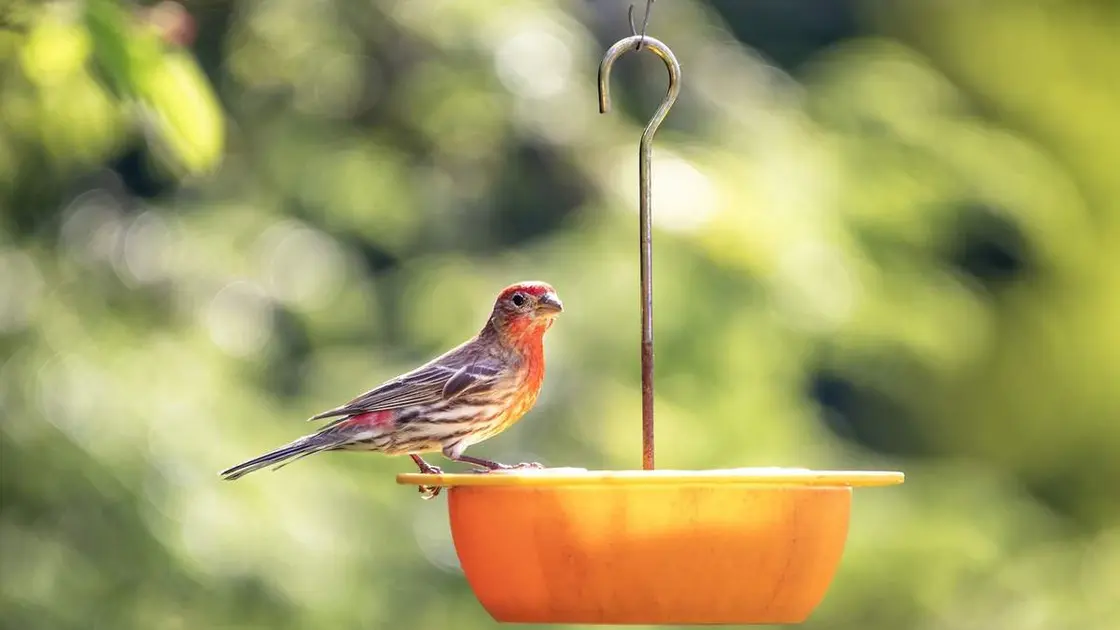
Bird feeders attract wildlife to your garden by providing seeds, nuts, and fruits for songbirds year-round. However, with the current avian influenza outbreak, these feeding stations can pose health risks.
Since 2022, bird flu has impacted various domestic poultry species, including chickens and turkeys, as well as waterfowl like ducks and swans. This virus isn't limited to specific regions, as migratory birds can spread it across borders. So far, it has been reported in 108 countries on five continents, including North and South America, Europe, and Asia. Taking precautionary measures is essential.
Bird feeders often lead to large gatherings of birds, creating potential hotspots for virus transmission. While we may want to support songbirds, feeding them during this outbreak may not be wise. If you're questioning whether to take your bird feeder down during the avian flu outbreak, we've got the crucial information you need, including expert guidance on signs of an infected bird feeder.

Should You Remove Bird Feeders During the Avian Flu Outbreak?
As a passionate gardener and birdwatcher, I appreciate the joy of observing wildlife. However, sometimes we must make difficult decisions, such as removing feeders to prevent bird gatherings during an avian flu rise. We'll discuss when to take down your feeder and how to safeguard wildlife in your space.
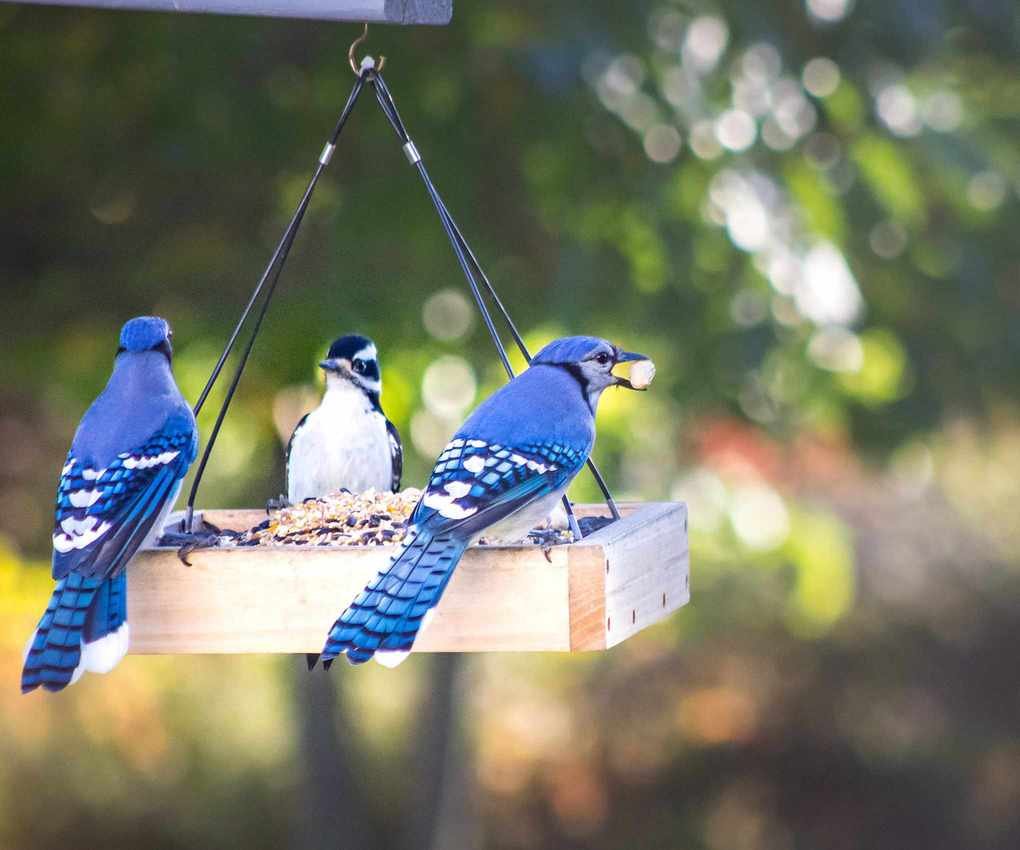
Your choice to take down feeders depends on local conditions. If there's a known outbreak nearby, government or wildlife agencies may recommend temporarily removing feeders to curb the virus's spread. Check the US Department of Agriculture website for updates.
For instance, in Texas, the Parks and Wildlife Department has urged citizens to help limit the bird flu's spread by removing feeders and bird baths. While you may enjoy feeding birds, it's crucial to avoid attracting them to congregate during these times.
If you spot sick or deceased birds in your yard, do not handle them. Keep pets and children away, and report your findings to local authorities.
If no advisories exist regarding removal, you can continue using your feeders, but strict hygiene practices are vital.
Can Avian Flu Spread Through Bird Feeders?
As of January 2025, the CDC reports a multi-state outbreak, with bird flu cases spanning North America. Regardless of your location, the risk of bird flu should be a concern for gardeners.
This virus is primarily transmitted through contact with infected birds or contaminated surfaces. Thus, feeding stations can facilitate its spread, whether through direct contact or droppings left behind by infected birds.
Currently, over 136 million poultry in the US have been affected, while only 10,969 wild birds have been confirmed with the virus. This number is likely higher, as testing wild birds is more difficult. Although transmission to songbirds in domestic environments remains low, being vigilant and taking precautions is advisable, especially if you maintain poultry or have multiple feeders in your garden.
Simple Methods to Keep Birds Safe

"During a bird flu outbreak, it's crucial to be extra cautious and sanitize your feeding stations," states Reese Robbins, a garden expert.
Reese emphasizes that while feeders may seem beneficial, they can spread disease if not maintained properly. Be on the lookout for warning signs.
"If you notice unusual bird behavior, such as lethargy or find dead birds, it's a serious concern. In such cases, stay away from your yard and contact your wildlife agency," Reese advises.
While regulations vary, if you can keep your feeder up, regular cleaning is vital. Clean feeders and bird baths weekly using eco-friendly products designed for this purpose, like this bird feeder cleaner available on Amazon. For hard-to-clean areas, utilize these cleaning brushes from Amazon to effectively disinfect your feeders.
When you have multiple feeders or baths, spread them apart to minimize crowding. By being proactive, you can continue promoting wildlife-friendly ideas while reducing the risk of bird flu. And remember to wash your hands thoroughly with warm, soapy water after working outside.
This bird feeder cleaning product helps prevent the spread of bacteria and germs to wild birds, including avian flu. Regularly cleaning surfaces can prevent contagion.

FAQs
Can Humans Catch Bird Flu?
Bird flu can infect humans, though it's rare. Most cases arise from direct contact with infected birds or contaminated surfaces, commonly seen in those working in poultry or agriculture. To reduce risks, wear disposable gloves and wash your hands thoroughly after interacting with feeders, baths, or birdhouses in your yard. Disposable gloves are available at Walmart.
Regardless of your region's status, regular maintenance of feeders, birdhouses, and baths is essential. While some may suggest using household cleaners, these can harm birds if residues remain. Always opt for the appropriate product, like this bird bath cleaner available on Amazon.
For further details, check out our guide on bird feeder alternatives to keep birds healthy and happy in your garden.
This feeder design with multiple ports is preferable to an open dish, which is more susceptible to contamination.



