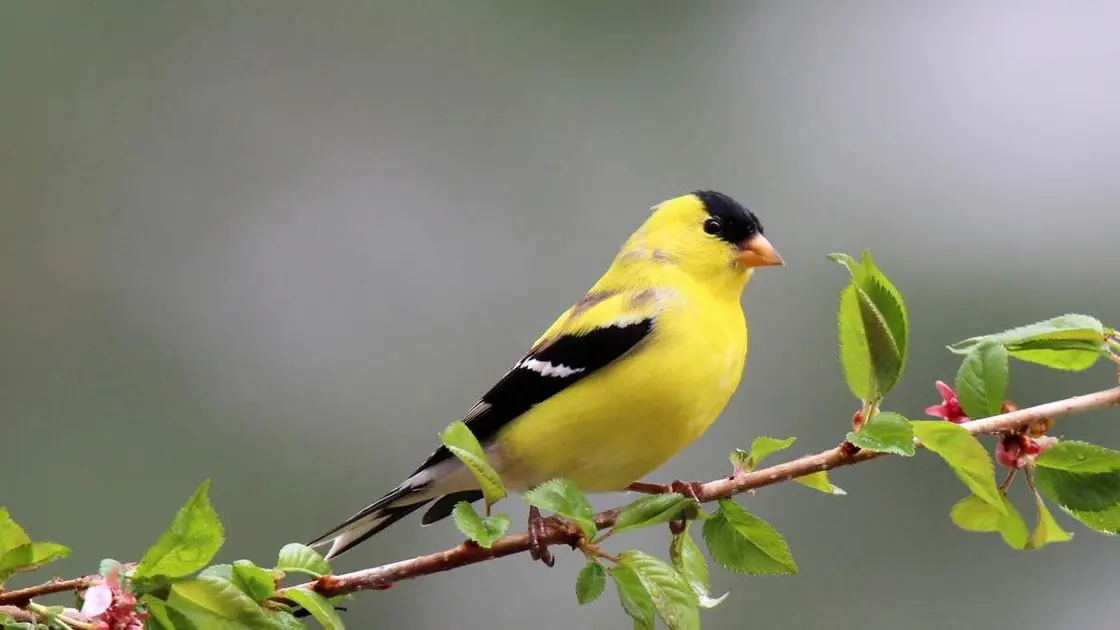
As the avian flu outbreak poses significant threats to bird populations, it's time for gardeners to rethink their approach to feeding wildlife. Traditional bird feeders, while effective, can encourage birds to congregate, potentially facilitating the virus's spread.
To help mitigate this risk, several wildlife organizations, including Texas Parks and Wildlife, suggest removing conventional bird feeders and baths. Though this may seem harsh, reducing bird interactions in your yard can be crucial for preventing infections. Fortunately, there are alternative methods to ensure birds remain well-fed while minimizing health risks.
If you're interested in wildlife garden ideas and seeking bird feeder alternatives, we have plenty of options for you. Birding specialists from North America share inventive ways to feed birds safely.
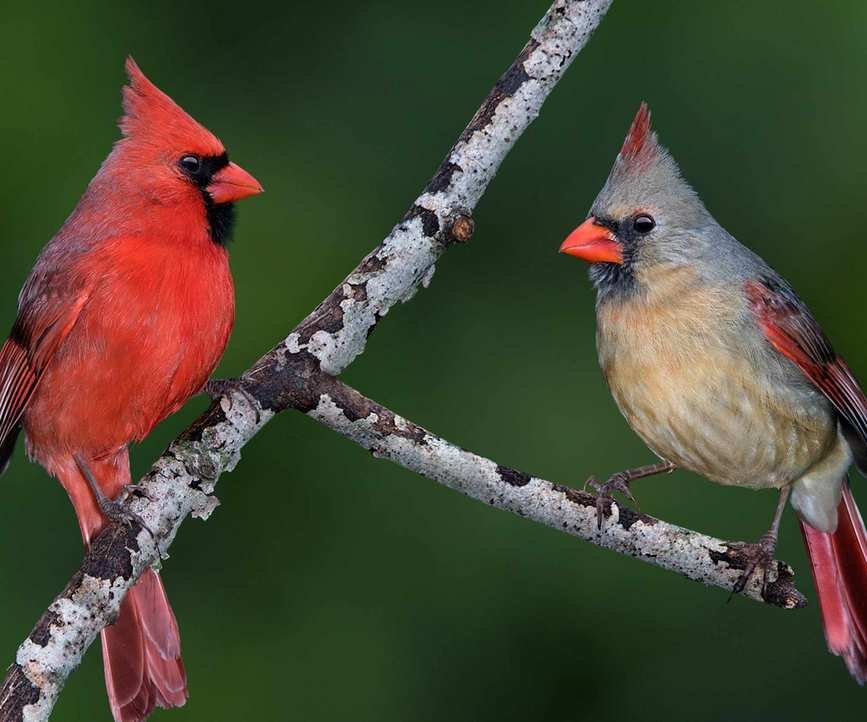
Alternatives to Traditional Bird Feeders
In light of the avian flu situation, many gardeners are asking: should I remove my bird feeder? 'The answer varies based on your location,' explains Reese Robbins, a gardening expert. 'Bird feeders can become hotspots for infection, so it's important to heed your local authorities' advice. Traditional feeders can invite too many birds at once, which isn't ideal during an outbreak.'
If you're concerned about infected feeders, here are three expert-recommended alternatives to keep birds nourished and safe this year.
1. Plant Nectar-Rich and Berry-Producing Flora
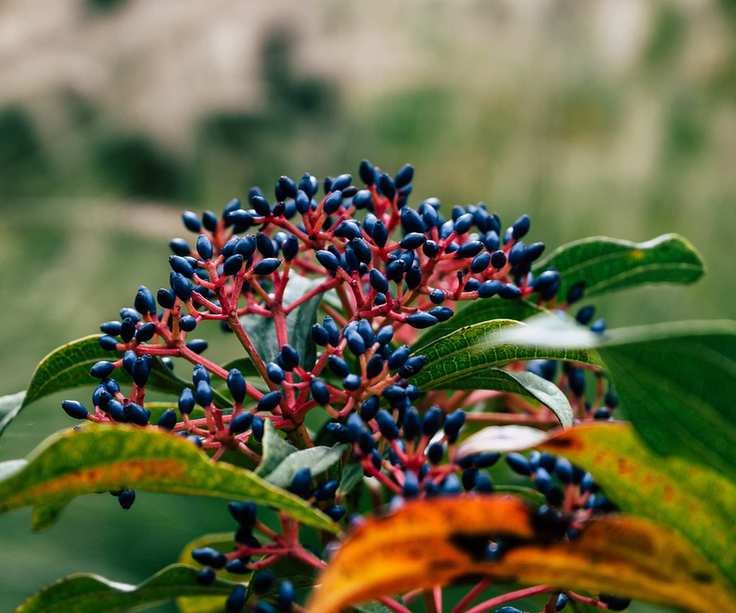
According to Maren Gimpel, an authority on birds, the easiest alternative for gardeners is to cultivate native plants. 'Native species offer birds a natural food source. From viburnum berries for thrushes to coneflower seeds for finches, your plant choices can greatly enhance avian life,' she notes. Research local species suitable for your region and hardiness zone to choose three or four that birds will love.
'The avian flu situation is constantly changing, so check local resources for the latest guidance,' Maren advises. Native plants that produce berries and seeds enable birds to feed without crowding around one food source. For fruit options, consider growing North American blueberry bushes. Native blueberry starter plants are available from Walmart.
For a native perennial, consider growing verbena. Blue vervain, or Verbena hastata, attracts birds, bees, and butterflies, making it a versatile choice down to zone 5. Native blue vervain seeds can be found on Amazon.

2. Attract Beneficial Insects
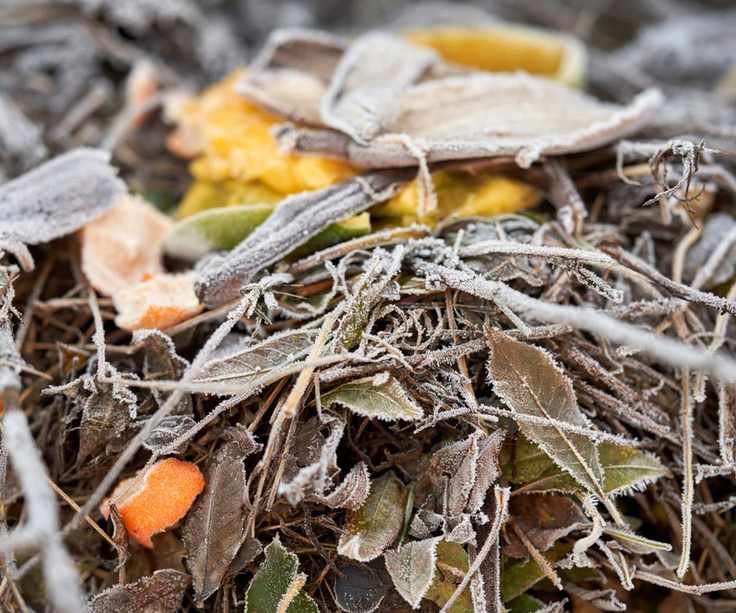
'While it's understandable to exercise caution with bird flu, stopping all feeding can harm birds, especially if they depend on your support,' states Siobhan Shaw, a sustainable gardening advocate. 'You can enhance their food options by fostering biodiversity in your yard. Birds are drawn to insects, so consider creating bug hotels or maintaining wild areas with decomposing materials, logs, and leaves to attract beetles and worms for feeding.'
'You can also purchase mealworms from local stores and scatter them in strategic spots like wood piles or under shrubs.' These mealworms can help manage common garden pests like aphids, mites, and caterpillars. You can order live mealworms and beetles from Amazon.
'Birds are adaptable, but with a little effort, we can ensure they thrive throughout the year,' Siobhan concludes. 'By cultivating a wildlife-friendly garden, you're not just feeding birds, but also nurturing a healthier ecosystem.'

3. Create Small DIY Feeders to Limit Bird Congestion
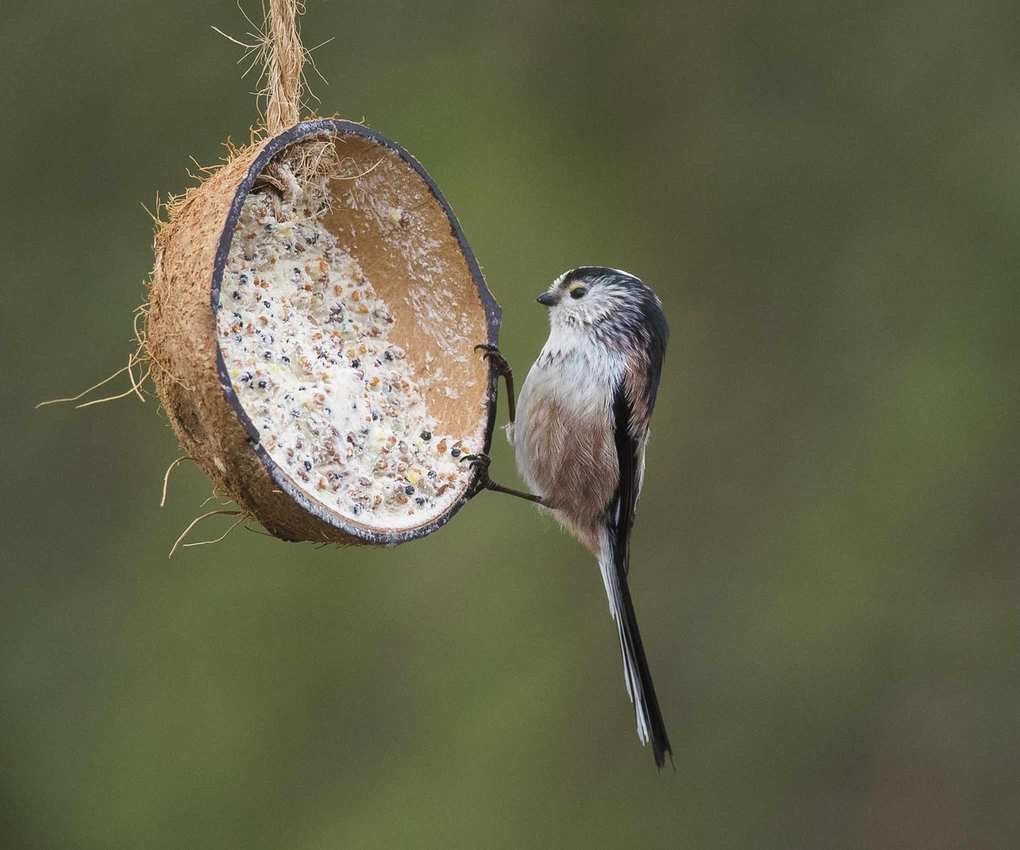
'Instead of traditional flat or open feeding stations, opt for hanging fat balls or small suet feeders in trees,' suggests Kamil Smith, a wildlife expert. 'This approach reduces bird interactions since smaller feeders only accommodate one bird at a time.' Suet balls can be purchased online at Amazon.
For a fun DIY project, you could create natural bird feeders using coconut shells. Simply drill a hole in the shell, attach a string, mix lard, peanut butter, and seeds, and fill the shell. Distributing these feeders throughout your yard will help maintain distance between the birds.