
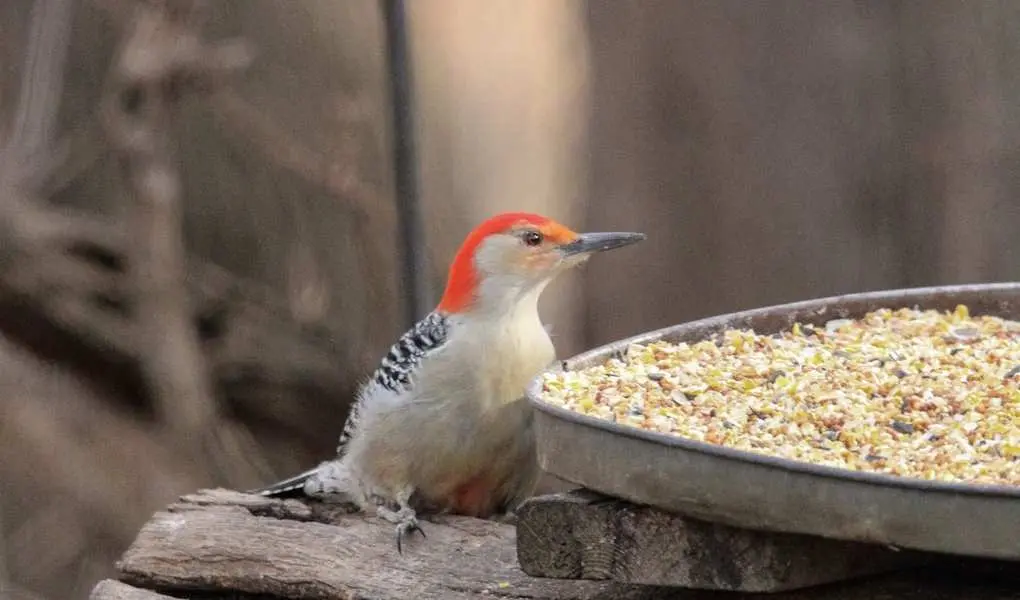
Bird feeders come in various styles, such as suet balls or tube feeders filled with sunflower seeds, providing a welcoming environment for local birds right outside your home.
However, neglecting their maintenance can turn bird feeders into breeding grounds for pests and diseases, especially with avian flu becoming more prevalent across North America. It's essential to identify signs of an infected bird feeder to protect visiting birds.
By following a few straightforward practices, you can help ensure that the birds in your yard stay healthy and safe. Here, a gardening expert shares common mistakes that can lead to issues with bird feeders, highlighting key contamination indicators and solutions.
Three Signs of an Infected Bird Feeder
If you're enthusiastic about creating a wildlife-friendly garden, you likely have a bird feeder. This simple way to support local birds is both affordable and rewarding, offering the joy of observing songbirds up close. Nonetheless, without proper care, bird feeders can pose risks to avian visitors. Here are three warning signs to look for.
1. Wet or Moldy Seeds
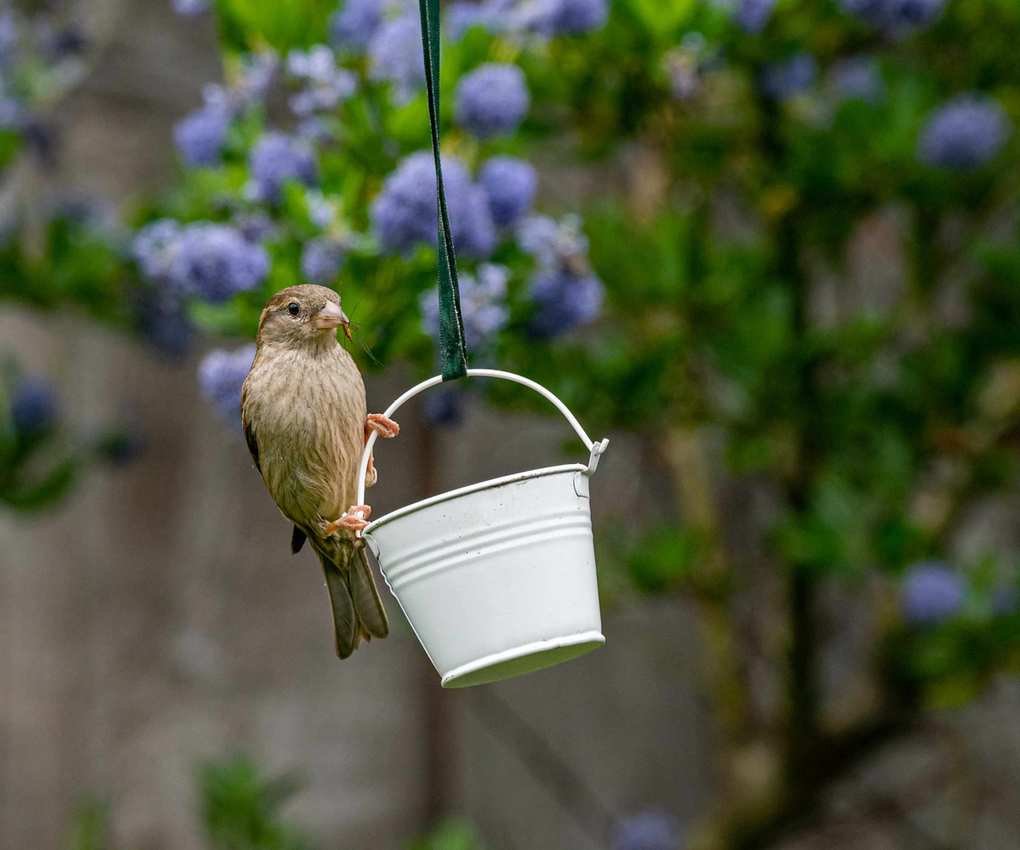
"Bird feeders can become disease hotspots if not maintained properly. A few clear indicators can signal trouble," explains a gardening expert. "The most apparent sign is wet, clumped, or moldy seeds in your feeder. If you notice this, it's time to clean it up. Moldy seeds can seriously harm birds, so swift action is crucial.
Most often, seeds become wet or moldy due to rain or high humidity. Opting for a feeder with drainage holes can keep seeds dry.
Furthermore, always store seeds in a cool, dry area. If seeds in your shed are damp or moldy, dispose of them and replenish with fresh ones. Birdseed can be conveniently purchased online, like this nut and berry birdseed mix available at Walmart.
If you're feeding birds during winter, mold is a clear sign of trouble. In this case, washing the feeder is a must. It's advisable to clean bird feeders every two weeks. Simply empty the feeder, soak it thoroughly, and rinse it well before letting it dry completely.
There are various cleaning methods, but using an eco-friendly cleaner designed for bird feeders can be effective, such as this bird feeder cleaner available on Amazon.
Additionally, when refilling, avoid overfilling. Adding small quantities regularly can help prevent stale, moldy seeds from accumulating.
2. Decreased Bird Visits
"If birds are avoiding your feeder, it might indicate that they perceive it as unsafe," the expert notes. "A noticeable decrease in bird visits is a significant warning sign that something is amiss.
"Also, if you observe sick or dead birds in your yard, that's a serious concern. If birds appear lethargic, limping, or unable to fly, remove your feeders immediately and clean them thoroughly.
Monitor your yard for additional signs of illness and consider reaching out to a local wildlife organization for advice if there's a suspected outbreak.
3. Unpleasant Odors and Pests
"A strong, foul smell emanating from your feeder is a bad sign, especially with a hummingbird feeder, which could indicate contaminated nectar," the expert adds. "Regular cleaning will help eliminate odors and bacteria buildups.
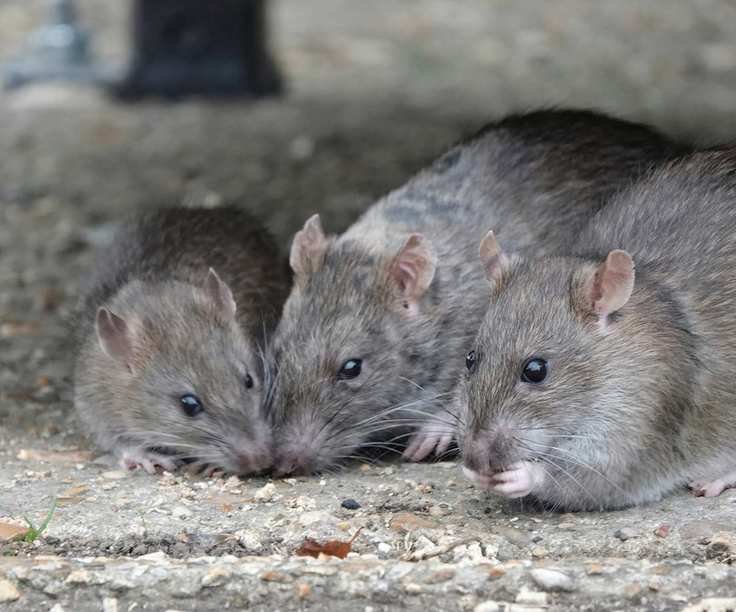
"Also, keep an eye out for pests. Any signs of ants, flies, mice, or rats are concerning. Place feeders away from compost heaps or trash bins to minimize pest attraction. Positioning the feeder in a sunny, well-ventilated area can reduce infection risks, and ensure the ground beneath remains clear of debris.
FAQs
Can Bird Feeders Spread Avian Flu in North America?
Wild birds can transmit the avian flu virus through droppings or secretions, contaminating feeders and water sources. Currently, the risk of transmission to songbirds is low. However, removing feeders is advised if you also keep poultry. Regardless of your situation, regular cleaning of feeding stations and water bowls is essential to reduce the likelihood of virus spread. Check the US Department of Agriculture website for updates.
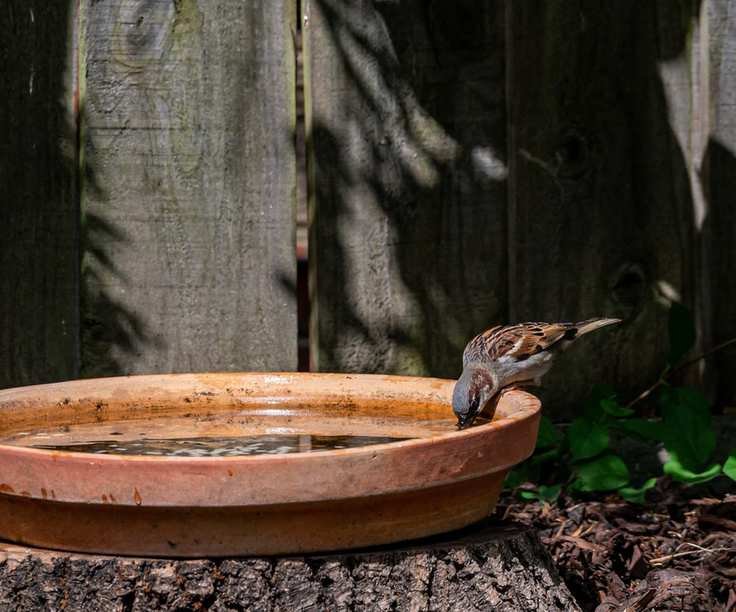
While monitoring your bird feeder, also observe bird baths. For guidance on cleaning bird baths, our article covers all the necessary information, emphasizing that routine cleaning can help keep your yard disease-free.
For additional wildlife garden inspiration this year, consider investing in a bird feeder camera. This gadget makes it easy to capture stunning images of the birds visiting your yard. Visit Amazon for the latest bird feeder cameras.



