
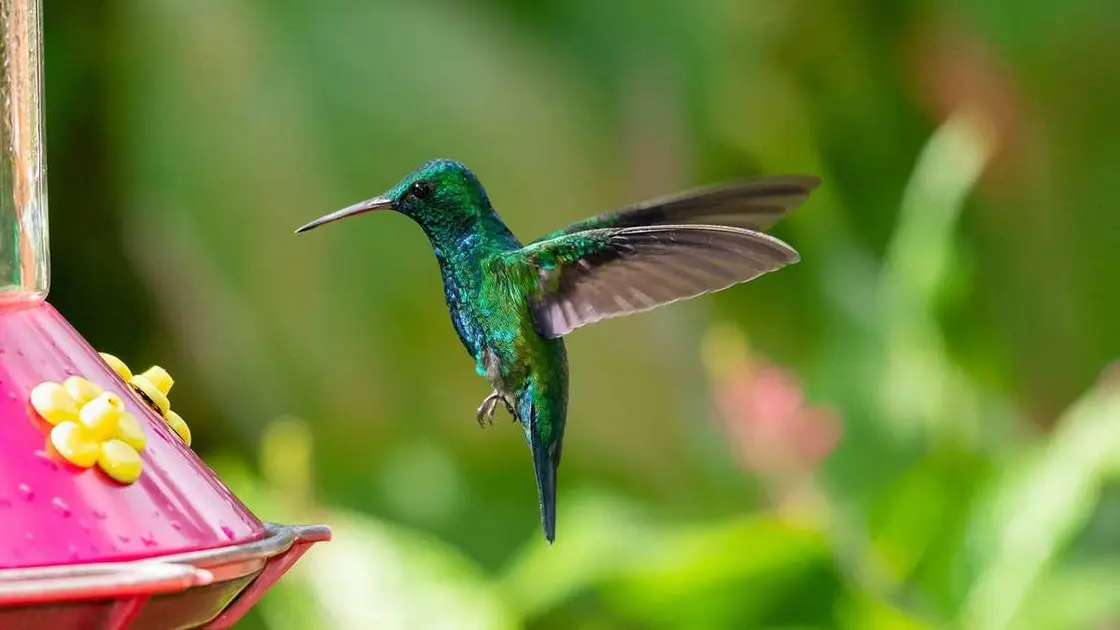
Setting up hummingbird feeders in your garden is a delightful way to attract these vibrant birds and enjoy their lively antics. However, several common blunders can inadvertently harm them.
To ensure hummingbirds remain safe and content, focus on providing them with the right nourishment and a clean feeding environment.
We consulted with expert bird watchers and ornithologists to highlight potential pitfalls you should sidestep. Keep these insights in mind for happier, healthier hummingbirds visiting your yard.

Avoid These 5 Hummingbird Feeder Mistakes
Maintain a wildlife-friendly environment by steering clear of these five common mistakes.
1. Using Red Dye in Nectar
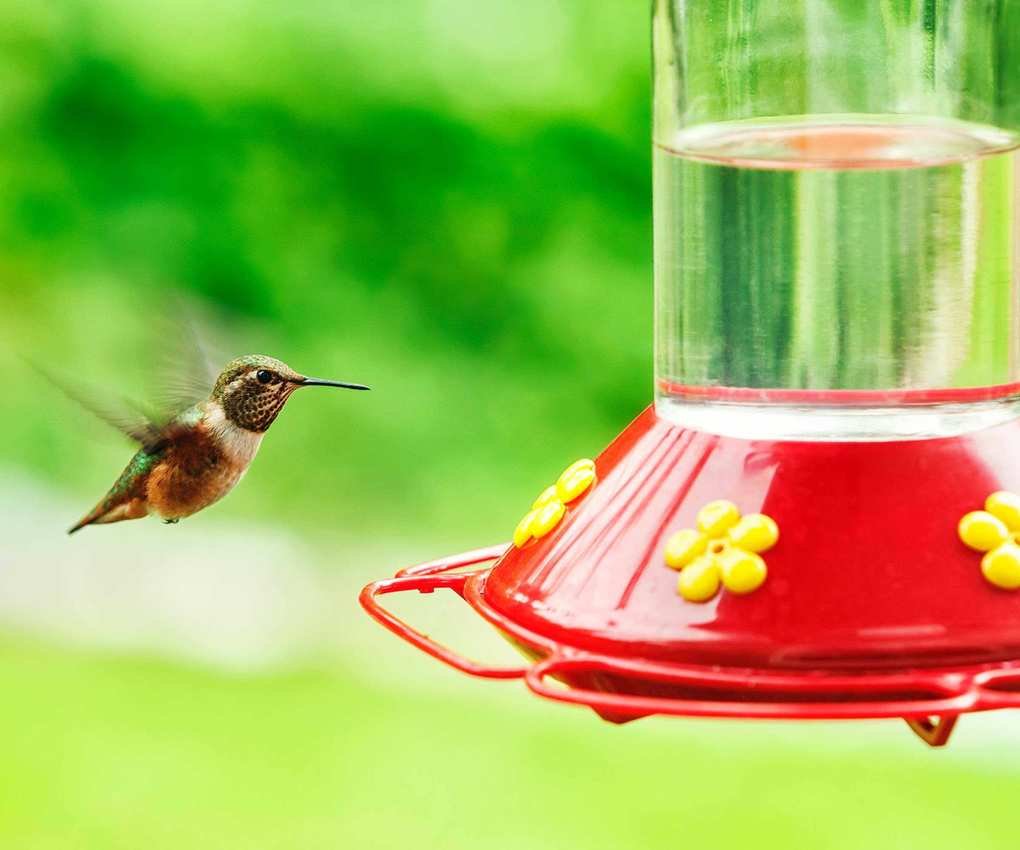
Opt for red feeders instead of dyed nectar
While hummingbirds are attracted to red, adding dye to nectar can be harmful. Zach Hutchinson, an expert on bird care, advises against this practice. 'Red dye isn't necessary for attracting hummingbirds and could harm their populations over time,' he cautions.
Instead, use a simple nectar recipe made from granulated white sugar and water, which closely mimics natural flower nectar. Consider using a red feeder to attract these lovely birds.
Set of two hummingbird feeders
These feeders have wide openings for easy filling and cleaning, plus clear plastic allows you to monitor nectar levels effortlessly.
Muse Garden Hummingbird Feeder
This feeder features beautiful blown glass and includes an ant guard and a bee-proof metal base.
Kingsyard Glass Hummingbird Feeder
A high-quality glass container designed with six flower-shaped feeding ports, perfect for accommodating multiple hummingbirds.
2. Choosing the Wrong Sugar Type
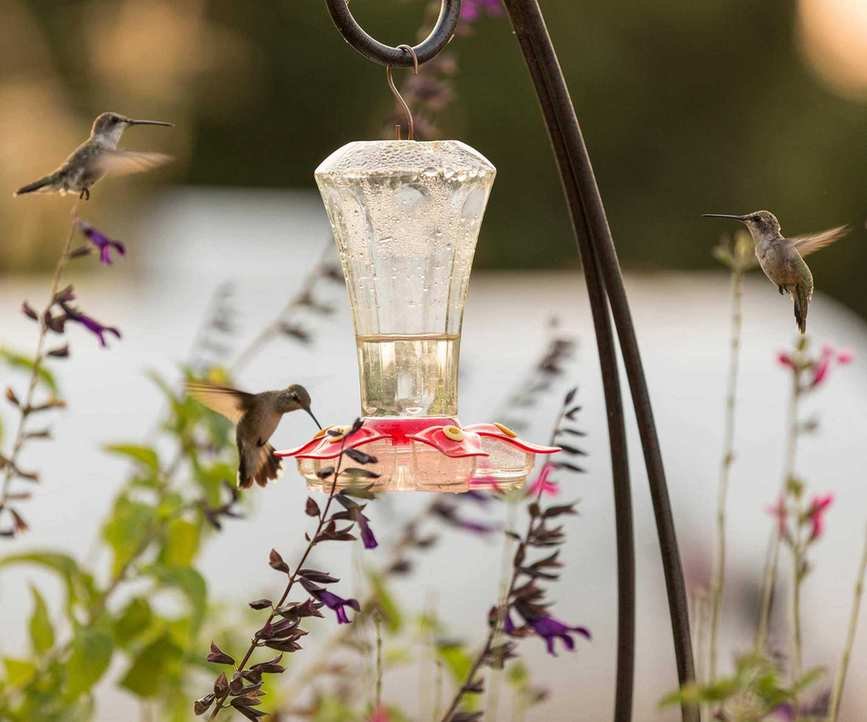
Using honey or brown sugar in nectar is inadvisable since hummingbirds cannot digest these sugars properly. Kelsey Waddell from WildBirdScoop.com emphasizes the importance of using only white sugar. 'Brown sugar contains molasses, which can be toxic to hummingbirds in excess,' she explains.
'Honey, while naturally antimicrobial, can spoil quickly when diluted with water and may foster harmful bacteria. It also attracts unwanted insects and can clog your feeder,' Kelsey adds.

Kelsey is a freelance writer and a backyard bird enthusiast residing in southern Virginia. Since moving to a rural area, she has embraced the beauty of local wildlife.
3. Leaving Feeders Out During Cold Nights
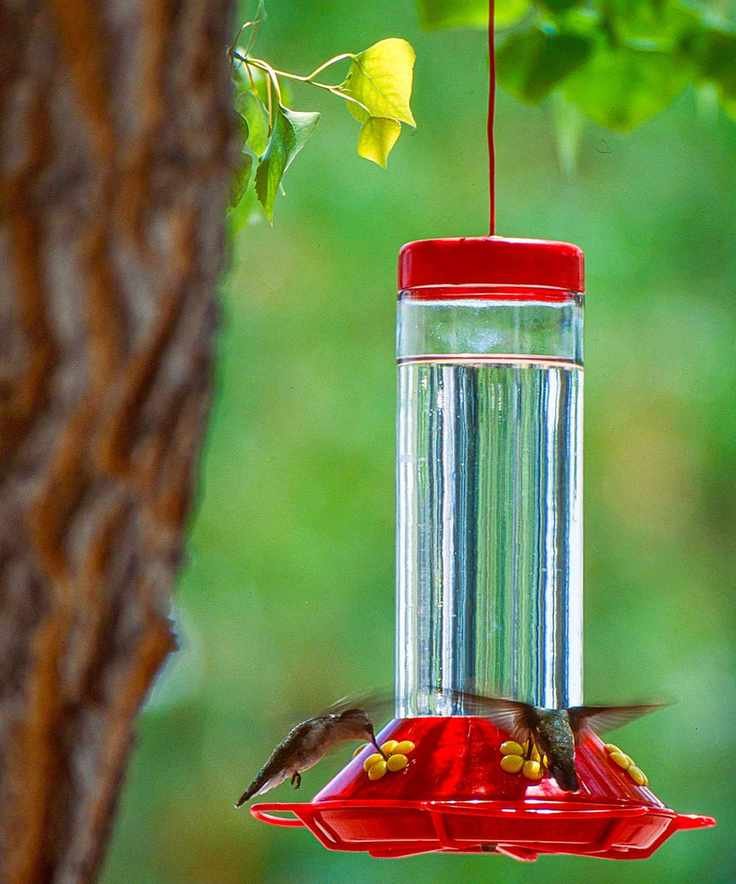
Don't leave your feeders out in cold weather
During spring migration, many leave feeders out overnight. However, if temperatures drop, nectar can freeze, making it inaccessible. Zach Hutchinson warns that cold nectar forces birds to expend energy to warm it up.
'This issue eases as nighttime temperatures rise,' he notes.
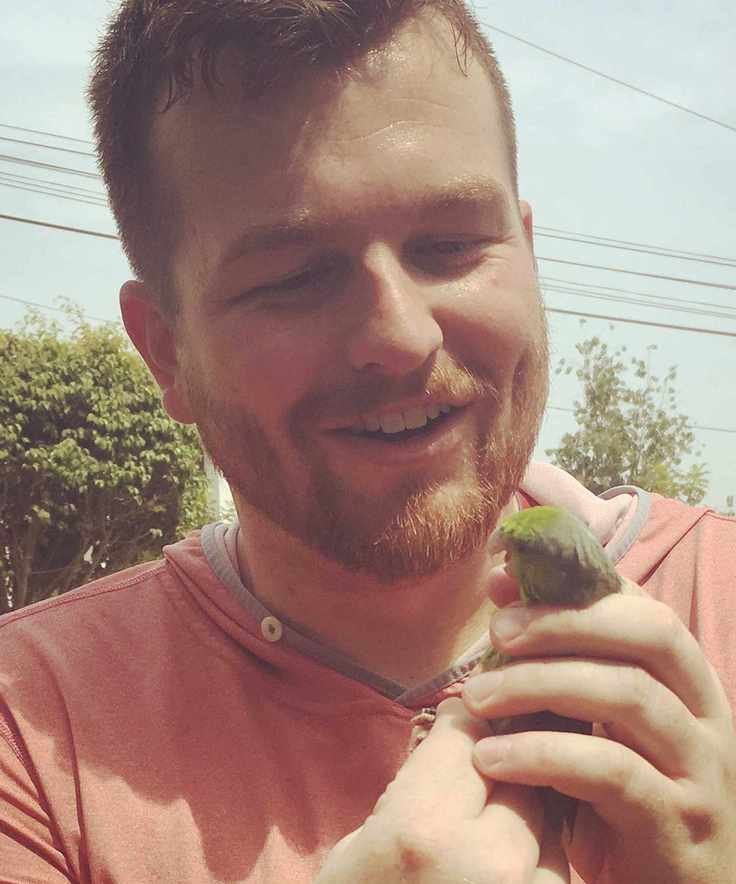
Zach is committed to bird conservation and has banded over 15,000 wild birds while advocating for their protection.
4. Neglecting Feeder Cleanliness
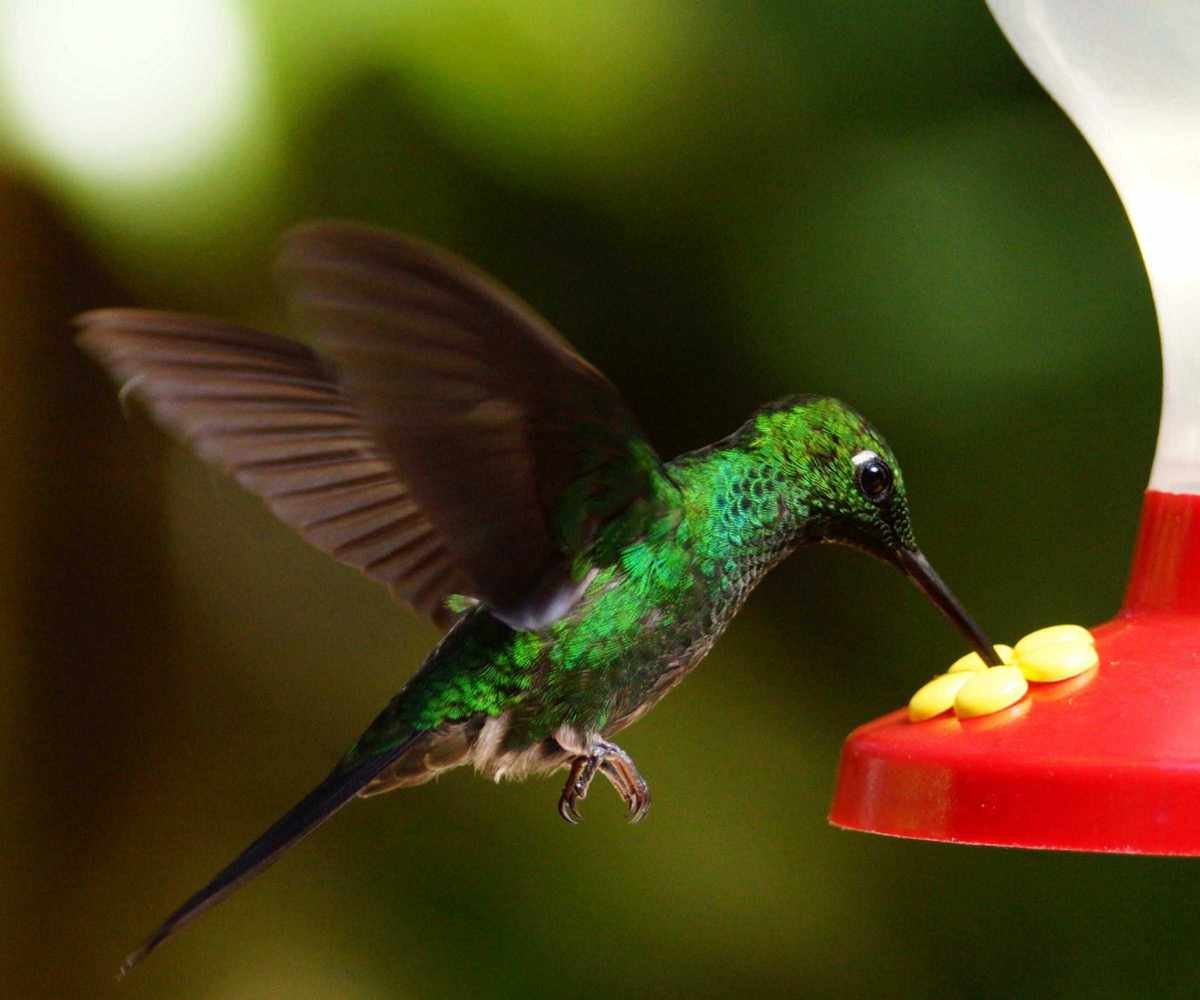
Zach notes that during hot summer months, nectar should be replaced every 4-5 days to prevent mold and bacteria growth. 'Cleaning the feeder is just as crucial when changing nectar,' he warns.
Thoroughly rinse any soap or vinegar used during cleaning, as residues can be harmful. Consider having a backup feeder so birds can continue to feed while you clean.
5. Using Just One Feeder
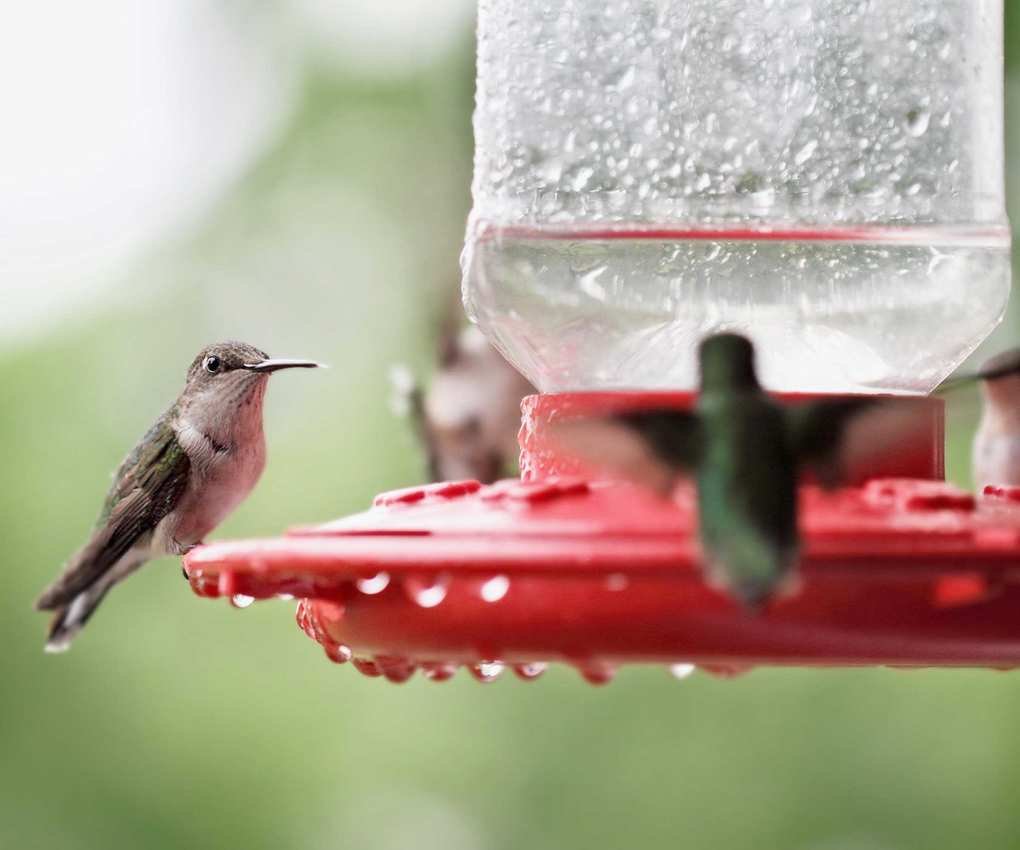
Add multiple feeders to accommodate territorial hummingbirds
Hummingbirds, despite their small size, can be quite territorial. Males often guard feeders aggressively, so having only one feeder can limit visits. If possible, set up two or more feeders.
Position feeders 10 feet apart to allow multiple birds to visit while one defends its territory.
FAQs
How often should I clean a hummingbird feeder?
After setting up your feeder, aim to clean it weekly. In hot weather, you may need to clean it every 2-3 days to prevent fermentation.
In addition to feeders, consider planting flowers that attract hummingbirds to enhance your garden's appeal. More blooms can also invite butterflies.



