
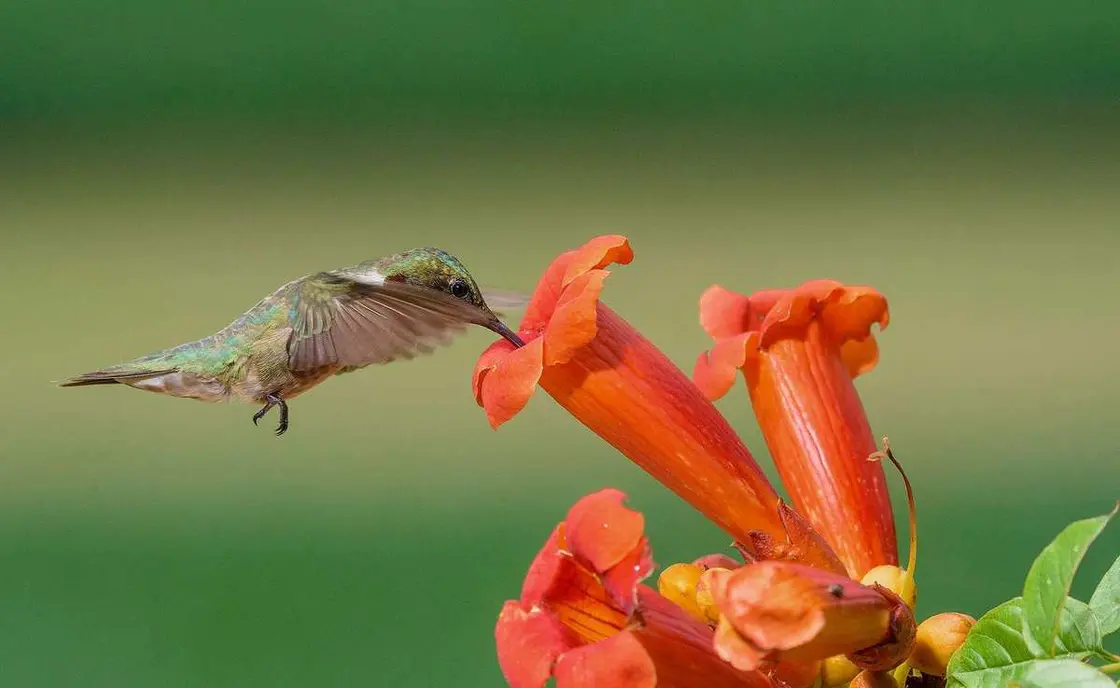
Add flowers that attract hummingbirds to your garden for a chance to see these colorful little birds hover over your blooms, enhancing your outdoor space.
In the United States, approximately 15 hummingbird species can be enticed to visit your garden, drawn to the nectar-rich flowers you choose as part of your wildlife garden plans.
When selecting plants that will appeal to hummingbirds, opt for vibrant colors and specific characteristics that suit these remarkable creatures. Strategically place them throughout your flower beds and let nature take its course.
Selecting Flowers for Hummingbirds

With their long beaks and tongues, hummingbirds extract nectar from flowers. According to The International Hummingbird Association, their primary diet consists of nectar, supplemented by proteins from small insects and spiders.
Maintaining a variety of native flowers that bloom at different times is an excellent way to keep these charming birds coming back. Consider adding native spring blooms like lantana to your garden.
Stephanie R. Green, an ecologist at Strawberry Plains Audubon Center in Holly Springs, Mississippi, states, "Flowers produce natural nectar, providing energy and vital nutrients for hummingbirds."
Many of the flowers listed below not only attract hummingbirds but also invite bees and other essential pollinators, creating a lively atmosphere in your garden.
1. Beardtongue – Penstemon
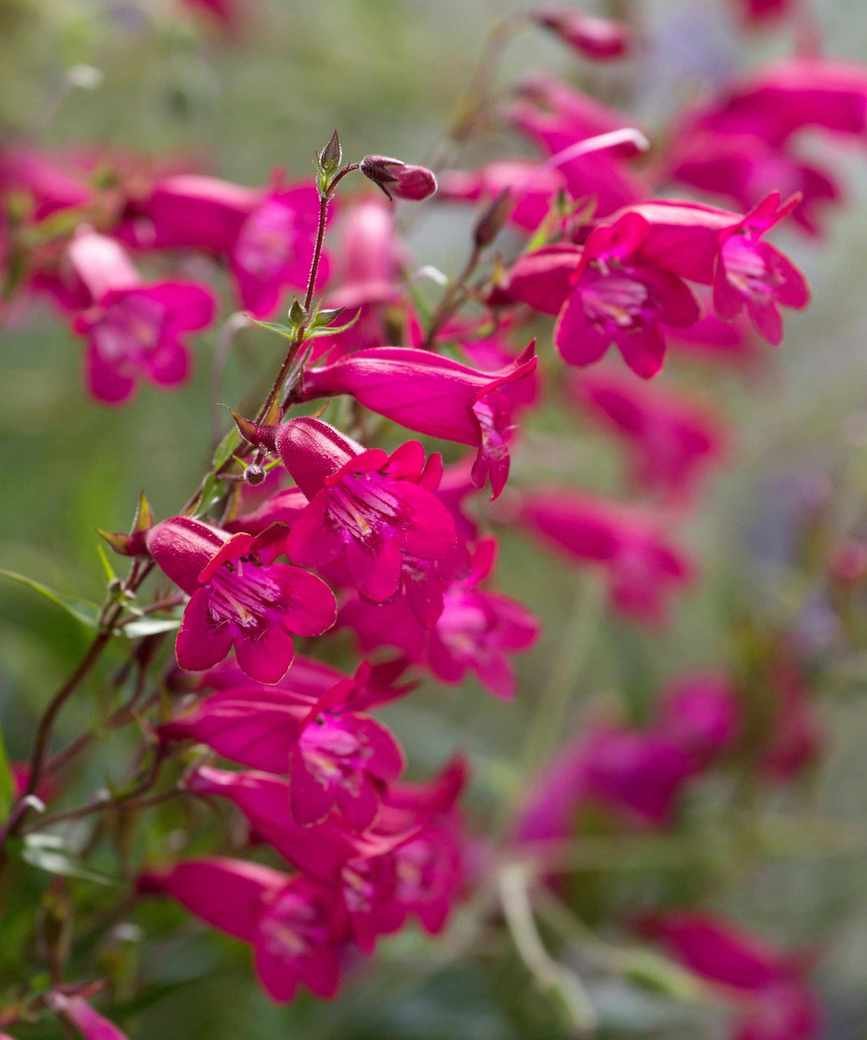
Beardtongue, or penstemon, is a beloved choice for hummingbirds. This drought-resistant plant thrives in USDA zones 3 to 9, depending on the variety. Its tall stems support vibrant magenta tubular flowers, perfect for attracting hummingbirds.
Plant in spring using well-drained soil. Beardtongue prefers sunny spots, so choose multiple varieties for continuous blooms from spring through summer.
Apply mulch to suppress weeds, and prune back the stems once flowering is done.
2. Bee Balm – Monarda
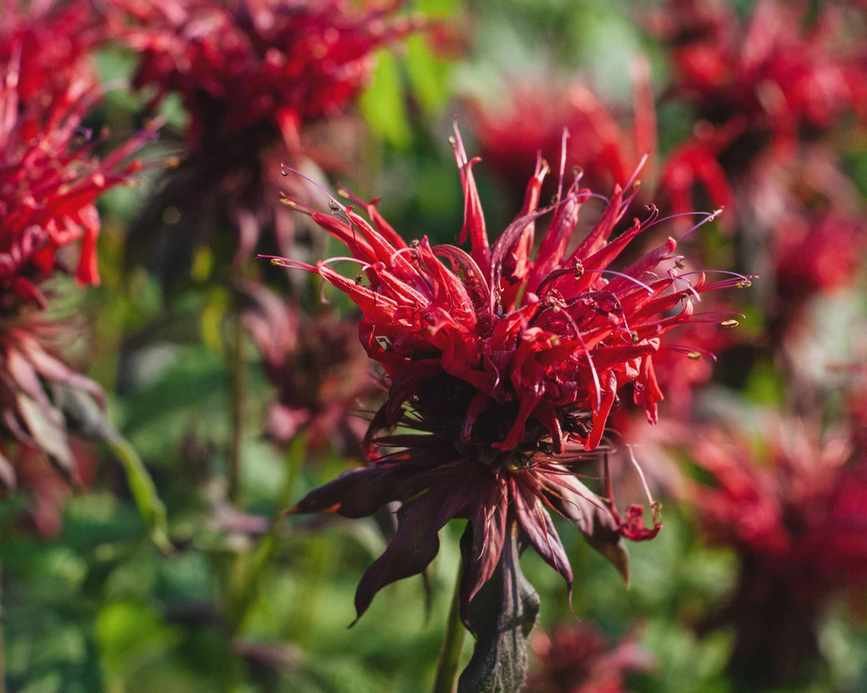
This sun-loving plant, bee balm enjoys moist soil but not soggy conditions. Hardy in USDA zones 3 to 9, it's relatively simple to maintain. Keep in mind that bee balm belongs to the mint family, which can lead to vigorous growth.
Plant in spring or fall for a flourish of colorful blooms that will attract hummingbirds. In the fall, leave seed heads for other birds visiting your garden.
3. Blue Lobelia – Lobelia siphilitica
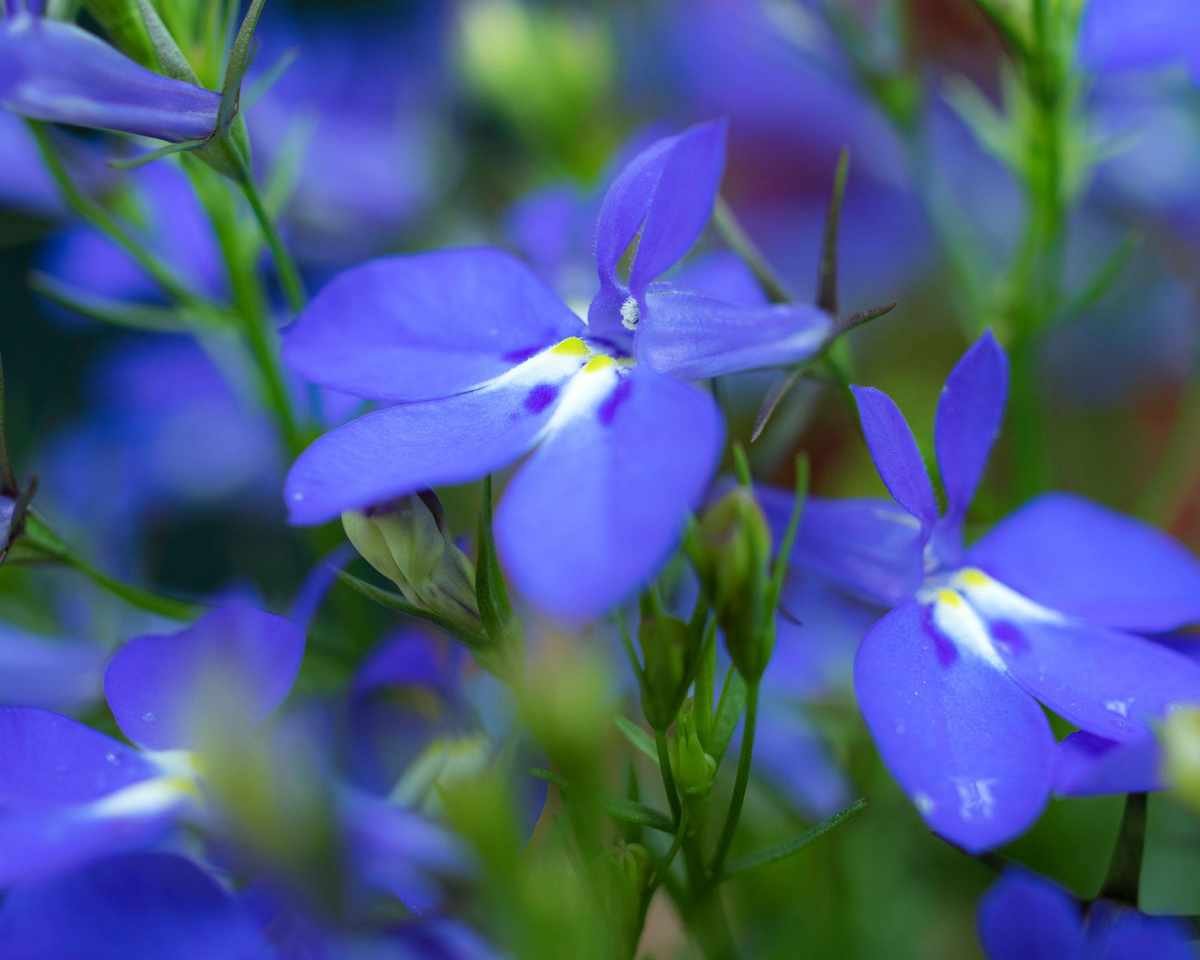
These striking purple-blue flowers grace sturdy 2 to 3-foot stems, making a bold statement in the garden. Blue lobelia grows in USDA zones 4 to 9 and blooms from July through October. It's related to the red cardinal flower and thrives in moist, sandy, or loamy soils.
4. Cardinal Flower
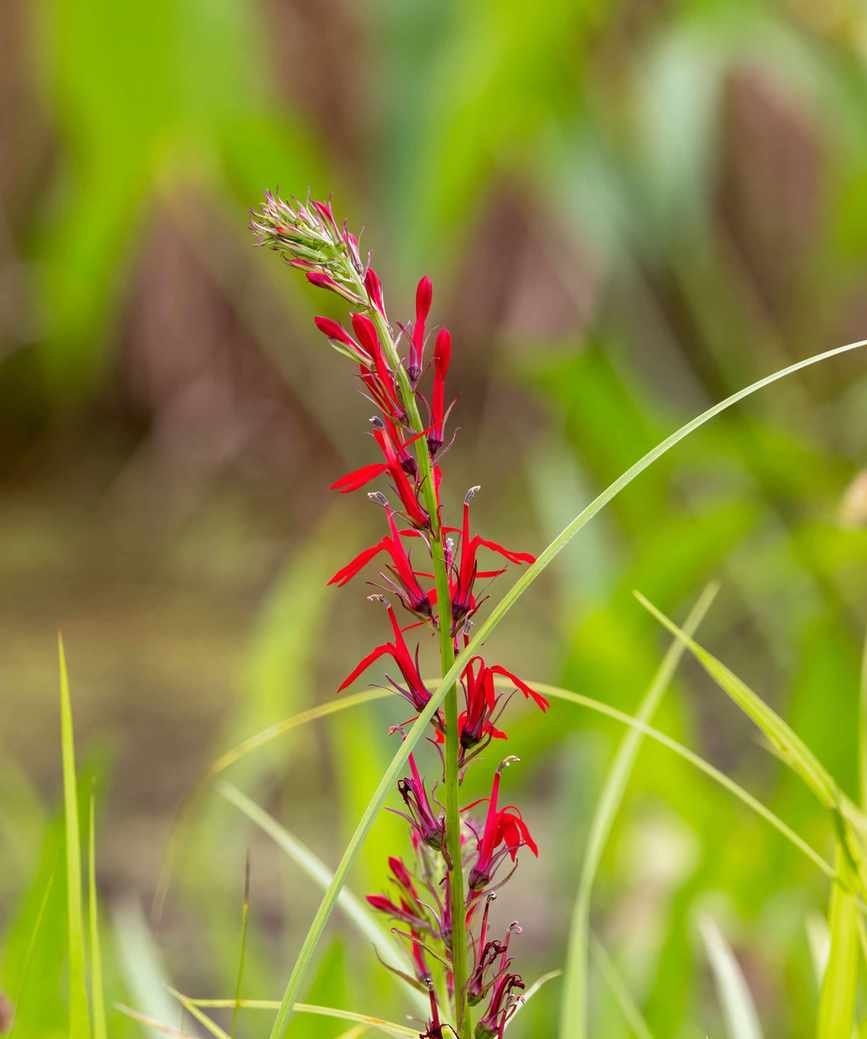
A vibrant relative of blue lobelia, the red cardinal flower showcases cheerful blooms that attract hummingbirds. It adapts well to various soils, particularly thriving in moist areas near streams or ponds.
Happy in USDA zones 2 to 9, it can grow 3 to 4 feet tall, providing a late-season treat for hummingbirds from mid-summer to late fall.
5. Columbine – Aquilegia
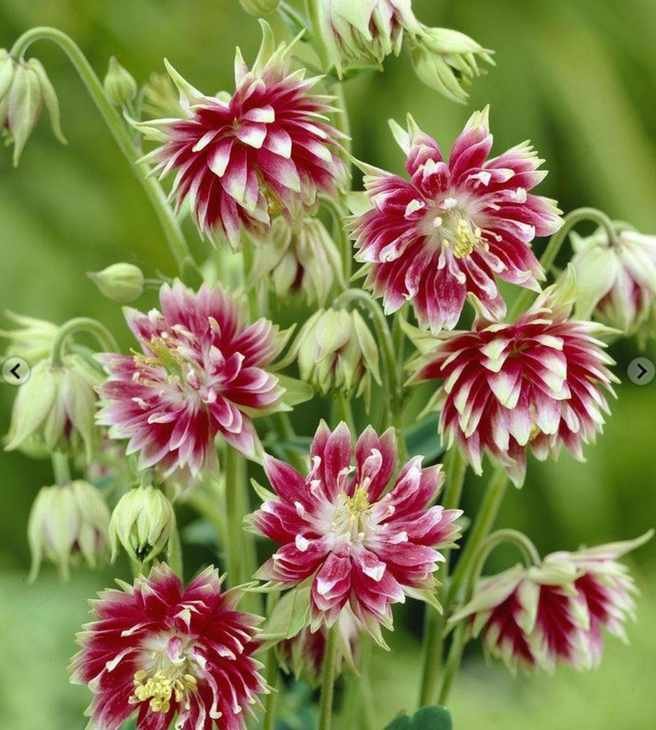
If you want to draw hummingbirds and other pollinators, consider adding pink or red columbine flowers. The name translates to 'little dove' in Italian, with its scientific name Aquilegia meaning 'eagle flower'.
With around 70 species available, choose from a variety of colors, including reds, yellows, and purples. Many columbine types thrive in USDA zones 3-9, are heat-tolerant, and some are pleasantly fragrant, making them ideal for sensory gardens.
Plant columbine seeds in spring after the last frost or in fall. This plant self-seeds, filling gaps in your garden.
6. Coral Honeysuckle – Lonicera sempervirens
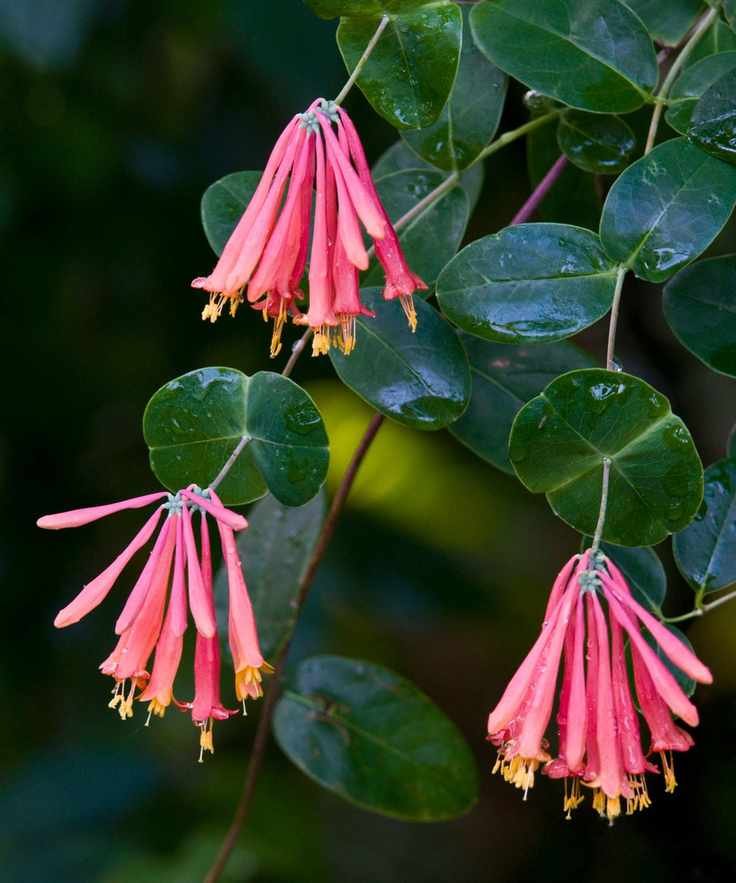
This resilient native vine blooms from late spring into summer, producing trumpet-shaped red flowers that hummingbirds adore. It serves as a non-invasive alternative to other honeysuckle varieties and grows in USDA zones 4 through 11.
Check out guides on growing honeysuckle and enjoy the sight of vines climbing and twining around structures. This vine can reach heights of up to 25 feet, with clusters of colorful red, pink, or yellow flowers. After blooming, the berries will also attract songbirds.
7. Jewelweed – Impatiens capensis
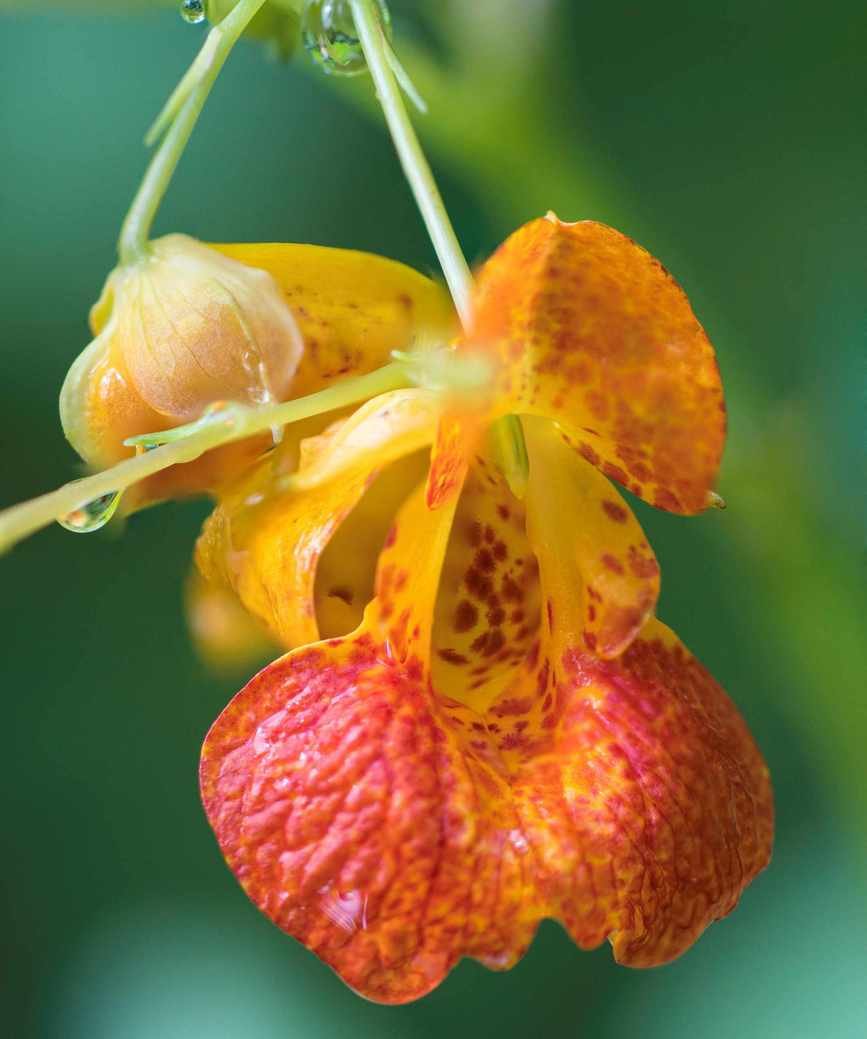
Jewelweed is a lively addition to any garden, thriving in USDA zones 2 to 11, and is native to the U.S.
With bright orange flowers splashed with red, this plant is perfect for attracting hummingbirds. Jewelweed can reach heights of up to 5 feet and flowers from mid-summer until frost. It prefers moist, shady locations and welcomes cross-pollination by hummingbirds and insects. Sow seeds early in fall, and it will self-seed once established.
8. Red Buckeye – Aesculus pavia
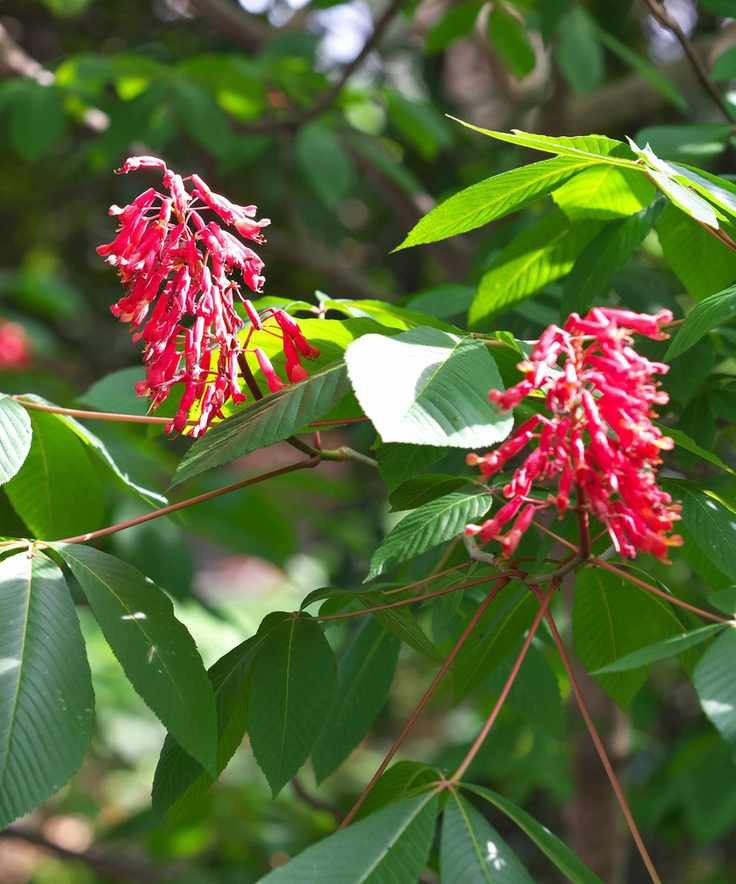
Typically found in the southeastern U.S., red buckeye grows in USDA zones 4 through 8.
This flowering shrub flourishes in various soil types and can reach heights of 15 to 30 feet in sunny spots. While it does produce flowers that attract hummingbirds, it is toxic to humans and animals, so be cautious when planting red buckeye.
Bright red tubular flowers emerge in spring, followed by dry fruits that drop to the ground.
9. Scarlet Sage – Salvia splendens
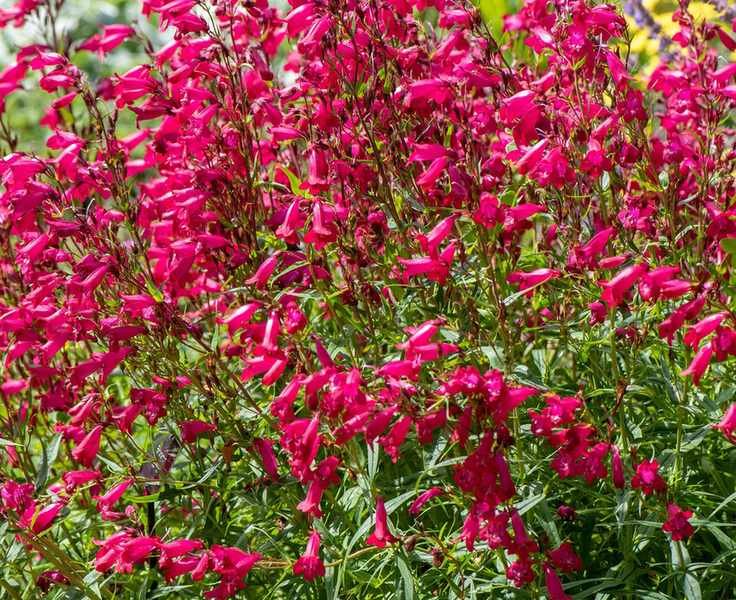
Scarlet sage is the only sage native to the U.S. with red flowers. It can be grown as an annual in cooler areas but does best in warmer USDA zones 9 and 10. This fast-growing plant can reach up to 4 feet tall in sunny spots.
Its relative, blue sage or salvia azurea, is also among the flowers that attract hummingbirds, thriving in zones 4 to 9 with dark blue flowers blooming from mid-summer to early fall. Like scarlet sage, it prefers sunlight.
10. Petunia

The lovely petunia is an easy-to-grow annual you'll be glad you added to your garden. Hardy in zones 3 to 11, it can be treated as a perennial in warmer zones 9 to 11.
Petunias can spread up to 3 feet, growing low to the ground or reaching about 18 inches tall. They make excellent choices for hanging baskets. Their vibrant blooms attract hummingbirds and last from spring until the first frost.
Petunia seeds are tiny and require up to 12 weeks to germinate, so it's best to start with transplants in spring, ideally under cover when planning a greenhouse. Plant them after the last frost in a spot that receives approximately 6 hours of sunlight, as shaded areas produce fewer flowers.
Which Flowers Attract Hummingbirds the Most?
The most appealing flowers for hummingbirds are brightly colored and tubular, allowing these birds to easily access nectar with their long beaks and tongues.
Flowers that attract hummingbirds can include both annuals and perennials, as well as various flowering shrubs.
Why Plant Flowers that Attract Hummingbirds?
Including flowers that attract hummingbirds is essential, as while artificial nectar—sugar water—can provide energy and help sustain them, it lacks crucial nutrients. Stephanie Green from Strawberry Plains Audubon Center emphasizes this point.
Growing native plants is also less labor-intensive than maintaining sugar water feeders. "Both share essential elements—water and a form of sucrose—but one offers additional nutrients," Stephanie notes.



